Why a Himalayan’s Pale Body Coat Yellows
It's incredibly frustrating when your beautiful Himalayan's pristine, pale body coat starts taking on an unwelcome yellowish tinge. You expect that gorgeous snowy white, or delicate cream, and then you spot it – a subtle shift, a dullness, or even distinct yellow patches. It can feel like you're doing everything right, but nature, or something else entirely, seems to have other plans for their luxurious fur. This comprehensive guide is here to shed light on exactly why a Himalayan's pale coat might yellow, and more importantly, what you can do to prevent it and restore their magnificent appearance.
The Delicate Balance of a Himalayan's Pale Coat
Himalayans are renowned for their striking colorpoint pattern: dark "points" on the ears, face, paws, and tail, contrasted beautifully by a much lighter body. This unique coloration is a hallmark of the breed, a direct result of their fascinating genetics. Understanding what makes their body coat naturally pale is the first step in appreciating why it's such a delicate balance to maintain its pristine look.
The Genetic Basis of Pointed Coloration
The Himalayan's distinctive colorpoint pattern is due to a temperature-sensitive enzyme. This enzyme is responsible for producing pigment, but it only works efficiently in cooler body temperatures. This is why the extremities – the ears, nose, paws, and tail – which are naturally cooler, develop dark pigmentation, becoming the "points." The warmer core of the cat's body, however, experiences less enzymatic activity, resulting in much lighter, or even white, fur. This genetic trait is shared with other pointed breeds like the Siamese and Ragdoll, but the Himalayan's luxurious, dense Persian-type coat makes the contrast particularly dramatic.
This unique genetic blueprint means that every Himalayan is, in essence, a masterpiece of natural thermoregulation expressed through color. When you see those beautiful, sharp contrasts between the deep points and the pale body, you're looking at a living, breathing temperature map. Any alteration to this delicate balance, whether internal or external, can subtly or overtly affect the coat's color. It's not just about aesthetics; it's about understanding the very science that makes your Himalayan unique.
Why the Body Coat is Naturally Light
The body coat's natural lightness is directly tied to the internal body temperature of your Himalayan. Since the core of the cat's body maintains a higher, more stable temperature than its extremities, the pigment-producing enzyme remains largely inactive in these warmer areas. This leads to the absence or minimal deposition of pigment in the fur growing on the trunk, chest, abdomen, and flanks, resulting in that characteristic pale, often creamy or ivory, body coat. This pale base allows the rich point colors to truly pop, creating the stunning visual effect Himalayans are famous for.
It's a delicate dance between genetics and environment, even within the cat's own body. Think of it like a natural dye bath where certain areas are simply too warm for the color to set deeply. This is why a Himalayan kitten is born almost entirely white; their mother's womb provides a consistently warm environment, preventing the points from developing until they are exposed to the cooler ambient air after birth. Over time, as they mature and their points deepen, the body coat usually maintains its light hue, providing that beautiful canvas.
What a 'Good' Pale Body Coat Looks Like
A "good" pale body coat on a Himalayan should be uniform, clear, and bright, providing a striking contrast to the darker points. Depending on the specific point color, the body coat might be pure white, ivory, cream, or even a very pale fawn. The key is that it should be free from yellowing, dullness, or any patchy discoloration. For a seal point, you'd expect a warm cream to ivory body. A blue point would ideally have a glacial white or cool pale cream, while a flame point might have a slightly warmer ivory tone. The ideal is always a clean, clear presentation that highlights the deep, rich colors of the points.
Breed standards often emphasize this contrast, considering it a crucial aspect of the Himalayan's beauty. A clear body coat isn't just about showing off; it speaks to the cat's overall health and the care it receives. When you see a Himalayan with a crisp, clean body color, you know that careful attention has been paid to their diet, environment, and grooming. It’s a point of pride for owners and breeders alike, demonstrating a healthy, well-maintained cat whose unique genetics are allowed to shine through. You can read more about how point contrast is judged in How Judges Score a Himalayan's Point Contrast.
Environmental Culprits Behind Coat Yellowing
Sometimes, the reasons behind that unwelcome yellowing aren't internal at all, but come from the very environment your precious Himalayan lives in. It's easy to overlook these external factors, assuming a clean house means a clean cat, but subtle daily exposures can add up, gradually dulling that beautiful pale fur.
Sunlight Exposure and Oxidation
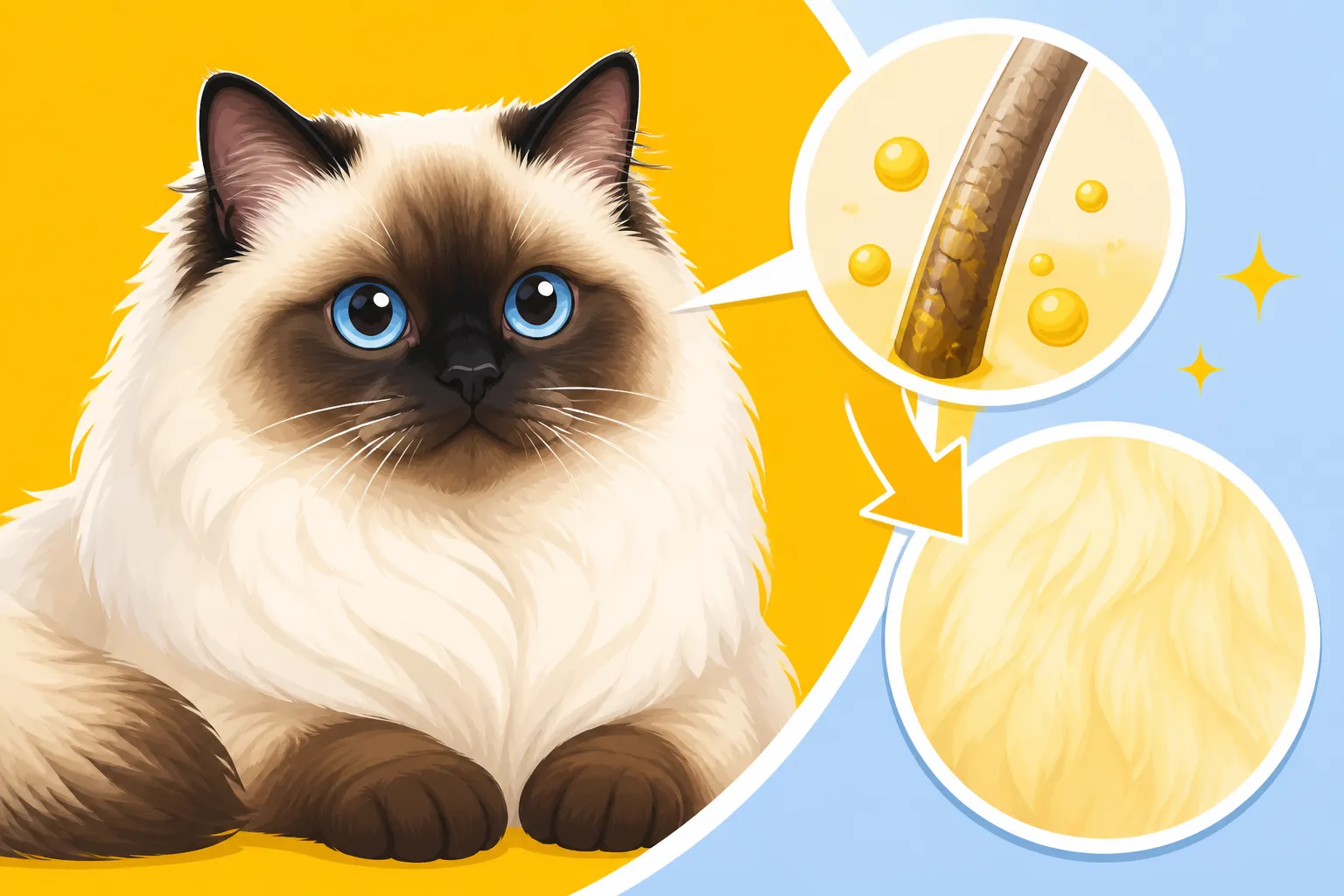
Believe it or not, prolonged exposure to sunlight can be a significant factor in your Himalayan's pale coat developing a yellowish tint. Just like human hair can be lightened or discolored by the sun, a cat's fur, especially light-colored fur, is susceptible to oxidation. The sun's ultraviolet (UV) rays can break down the natural oils in the coat and cause a chemical reaction with existing pigments, even the very faint ones present in a pale body coat. This process can lead to a brassy, yellowed appearance, particularly on areas frequently exposed, such as the back or sides when they nap in a sunny spot.
It's a slow, cumulative process. You might not notice it overnight, but over weeks and months, a beloved sunbather's once pristine coat might take on a noticeable warmth you didn't ask for. This is especially true for Himalayans who love to lounge in windowsills or spend time in a catio. While a little sunshine is lovely, being mindful of excessive direct sun can help preserve that beautiful pale hue. Consider positioning their favorite napping spots in shaded areas or using UV-filtering window films if they have a preferred sunny perch.
Household Stains and Accidental Contact
Our homes, as clean as we try to keep them, are full of potential staining agents for a pale-coated cat. Think about it: everything from dust and dirt carried in from outside, to spills of coffee, tea, or even certain household cleaners can transfer onto their fur. Smoke from fireplaces, candles, or even cooking can also deposit fine particles that dull and yellow a white coat over time. Even the simple act of rubbing against furniture, carpets, or walls can leave behind residues that gradually build up and change the fur's color.
Consider the daily life of your Himalayan. Do they love to burrow under the sofa? Roll on a well-worn rug? Or perhaps they brush against a dusty curtain as they survey their domain? These seemingly innocent actions can contribute to a gradual discoloration. It's not always about a dramatic spill; often, it's the continuous, low-level exposure to everyday household grime that slowly but surely tints their beautiful coat. Regular cleaning of your home environment, especially their favorite spots, can make a surprising difference.
Warmth and Its Effect on Coat Pigment
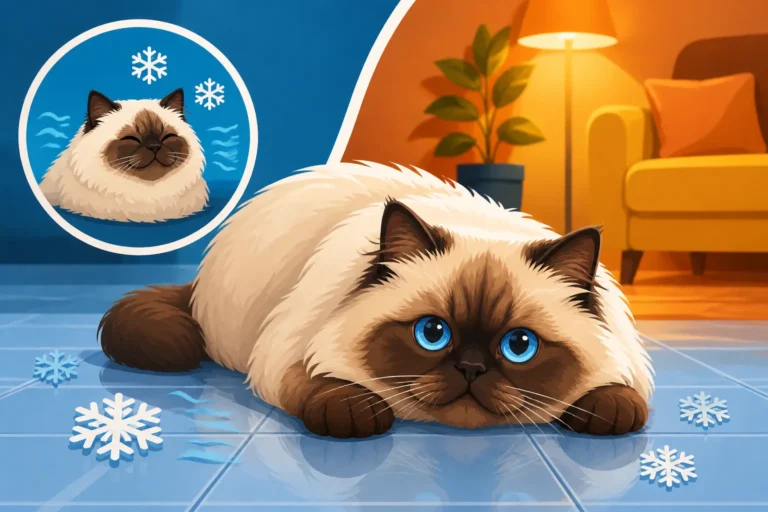
While the overall warmth of a cat's core body is what makes the fur pale, excessive external warmth can actually have a darkening or yellowing effect on areas of the coat that are supposed to be pale. Remember the temperature-sensitive enzyme that creates the points? If a traditionally pale area of the body experiences sustained, localized warmth, this enzyme might become slightly more active, leading to a subtle increase in pigment production, which can manifest as a yellowing.
Imagine your Himalayan constantly sleeping on a heating vent, a hot water bottle, or even just snuggling under a thick, warm blanket for extended periods. These localized hot spots can cause the hair growing in those areas to darken slightly, often appearing as a warm yellow or fawn shade, rather than the crisp pale color you expect. This is also why a shaved patch might grow back darker on a Himalayan, as the cooler air hitting the skin stimulates pigment production. How a Shaved Patch Regrows Darker on a Himalayan explains this phenomenon in more detail. Being mindful of where your Himalayan chooses to relax, especially during colder months when heaters are on, can help preserve their coat's natural paleness.
Internal Factors: Diet, Health, and Medications
Sometimes, the cause of coat yellowing isn't external at all, but rather something happening inside your Himalayan's body. What they eat, their underlying health, or even medications they take can all manifest as a change in their beautiful fur. It’s a reminder that a cat’s coat is often a fantastic indicator of their overall well-being.
Diet and Artificial Dyes in Food
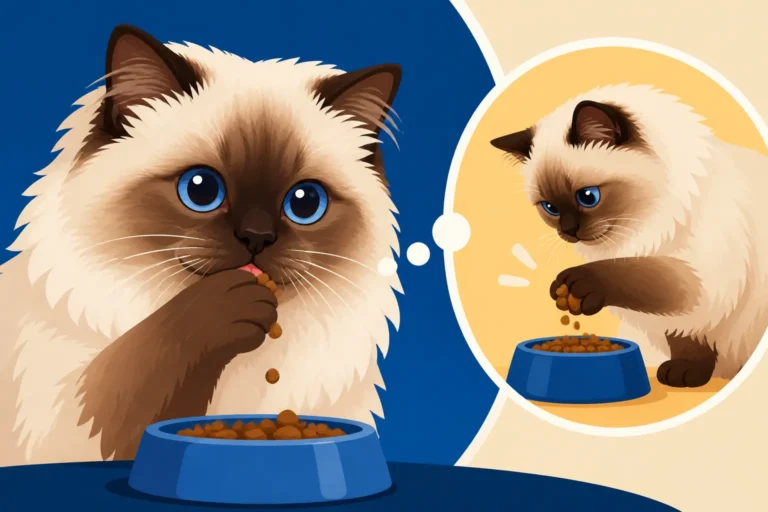
What goes into your Himalayan's food bowl can absolutely show up on their coat. Some commercial cat foods, particularly those with a lot of vibrant colors, contain artificial dyes that, over time, can subtly stain the fur from the inside out. While your cat digests the food, some of these colorants or byproducts might be excreted through the skin or simply affect the quality of the new hair growing in, leading to a yellowish or reddish tint. High levels of certain minerals, like copper or iron, in their diet or water, can also contribute to coat discoloration in sensitive individuals.
It’s worth carefully scrutinizing the ingredient list of your cat's food, especially if you're noticing an unexplained yellowing. Opting for high-quality, natural cat foods without unnecessary artificial colors or excessive mineral supplements can often make a significant difference. Foods made with human-grade, whole-food ingredients can be a great place to start looking for healthier, dye-free alternatives that support a clear coat. What Protein Level a Himalayan's Coat Needs further explores the link between diet and coat health.
Health Issues That Affect Coat Color
A change in coat color, including yellowing, can sometimes be a subtle sign of an underlying health issue. Liver problems, for example, can lead to jaundice, which might cause a yellowish tint not just to the skin and whites of the eyes, but also to the fur itself. Kidney disease, while more commonly associated with a dull, dry coat, can also subtly alter its appearance. Certain metabolic imbalances, endocrine disorders, or even chronic infections can impact hair growth and pigment, leading to discoloration.
If your Himalayan's coat suddenly or progressively yellows without any obvious external cause, and especially if accompanied by other symptoms like lethargy, changes in appetite, increased thirst, or weight loss, a visit to the veterinarian is crucial. A vet can run diagnostic tests to rule out or identify any systemic health problems that might be affecting their beautiful fur. Remember, the coat is a window into internal health, and an unexplained change warrants investigation. How Kidney Failure Arrives in a Himalayan Past Twelve discusses symptoms related to kidney issues that could indirectly affect coat appearance due to overall health decline.
Medications and Their Unexpected Side Effects
Just like humans, cats can experience side effects from medications, and sometimes these effects can show up in unexpected ways, including changes to their coat. Certain long-term medications, particularly those that affect metabolism, liver function, or hormone levels, can potentially influence hair pigmentation. For instance, some drugs might cause a subtle dullness, thinning, or even a yellowish cast to the fur over time. Antibiotics, steroids, or other systemic treatments, while necessary for health, can sometimes have these secondary impacts.
If your Himalayan is on any long-term medication and you notice their coat is starting to yellow, it's worth discussing this with your vet. They can review the medication list, assess if the drug might be a contributing factor, and explore whether alternative treatments or dosages could mitigate the issue. Never stop or alter medication without professional veterinary advice, but certainly raise your concerns. Keeping a detailed record of any medications, their dosages, and when your cat started them can be invaluable for your vet in diagnosing coat changes.
Grooming: The First Line of Defense Against Yellowing
Grooming is not just about aesthetics for a Himalayan; it's a critical component of their health and comfort, and absolutely essential for preventing that pale body coat from yellowing. Their long, dense Persian-derived coat is beautiful but demanding, and even a slight lapse in routine can quickly lead to problems.
The Importance of Daily Combing and Brushing
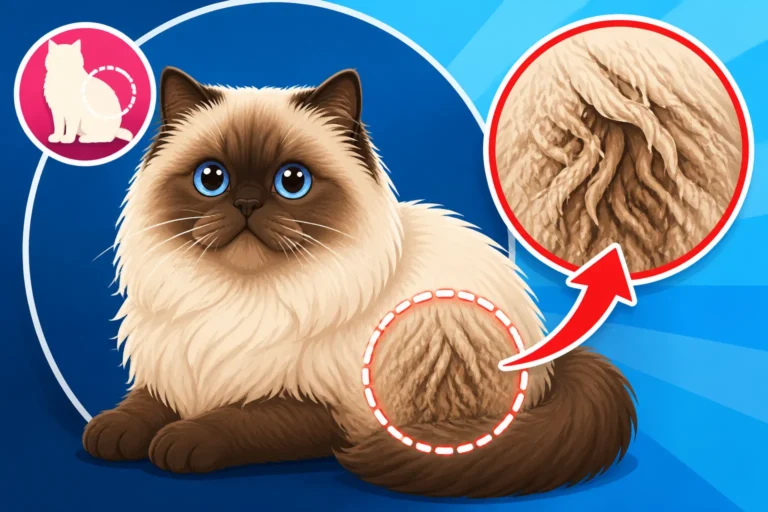
Daily combing is the absolute cornerstone of Himalayan coat care. Their luxurious double coat, consisting of a fine undercoat and longer guard hairs, is incredibly prone to matting. But beyond preventing painful mats, regular combing and brushing serve a vital role in keeping the coat clean and preventing yellowing. It effectively removes loose hair, dander, dust, and any superficial environmental debris that, if left to accumulate, would dull and discolor the pale fur.
Think of it as a daily reset button for their coat. By lifting away shed hair and tiny particles, you prevent them from becoming embedded and creating a dingy, yellowish cast. It also distributes natural skin oils, promoting a healthy, shiny coat that is less likely to absorb external pollutants. Missing even a single day can start the downward spiral; the finer undercoat begins to tangle, trapping dirt and moisture close to the skin, which can lead to both mats and discoloration. The Daily Comb a Himalayan Cannot Skip goes into much more detail on this essential routine. Using a good quality steel comb found on Amazon or Chewy is indispensable here.
Managing Moisture and Dampness
Moisture is the enemy of a pale Himalayan coat when it comes to yellowing and staining. Whether it's from tears, saliva, urine, or even just ambient humidity, damp fur provides a breeding ground for yeast and bacteria. These microorganisms can produce reddish-brown pigments that, when absorbed by light-colored fur, create stubborn, rust-colored or yellow stains. This is particularly problematic around the face, neck, and britches.
For the face, wiping away tears and dampness around the eyes daily is non-negotiable. For the britches, especially after using the litter box, ensuring dryness is key. You might need to gently pat these areas dry with a soft cloth or a pet-safe wipe. Even if your Himalayan is a pristine self-groomer, areas they can't reach effectively, or areas that are constantly damp, will show discoloration first. Being vigilant about keeping the coat dry, especially in susceptible spots, will significantly reduce the likelihood of yellowing stains taking hold.
When and How to Bathe a Himalayan
While daily combing is your primary tool, occasional bathing is sometimes necessary to remove embedded dirt, excess oils, or stains that combing alone cannot tackle. However, bathing a Himalayan is not a light undertaking and should be done judiciously, as too-frequent baths can strip essential oils, dry out the skin, and actually make the coat more prone to matting and dullness. Generally, a bath every few months, or when visibly dirty, is sufficient for most indoor Himalayans.
When you do bathe your Himalayan, use a shampoo specifically formulated for cats, ideally one that is whitening or brightening for light coats, but gentle and free of harsh chemicals. Which Shampoo Keeps a Himalayan's Pale Coat Clean offers guidance on selecting the right product. The key is thorough rinsing – any shampoo residue left in the dense coat will attract dirt and lead to yellowing. And perhaps most critically, ensure complete drying. A damp undercoat can take hours to dry and will mat or foster bacterial growth, leading to a sour smell and yellowing. A pet-specific force dryer (used on a cool setting, introduced slowly) can be invaluable for proper drying.
Tackling Specific Areas: Tear Stains, Chin Acne, and Britches
While the general body coat can yellow, some areas are particularly prone to unsightly discoloration due to their location and function. These localized stains are often the most noticeable and frustrating, requiring specific, targeted care to keep your Himalayan looking pristine.
Understanding and Preventing Tear Stains
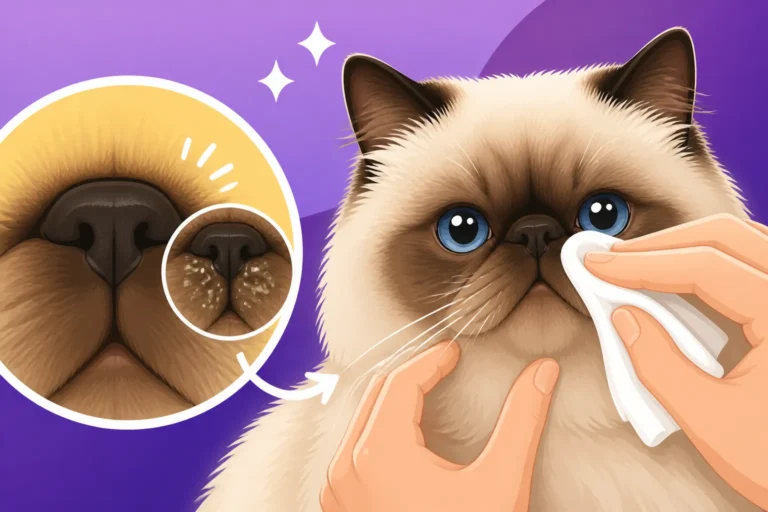
Tear stains are arguably the most common and visible form of yellowing or reddish-brown discoloration on a Himalayan's face. Their unique brachycephalic (flat) facial structure means that tear ducts can be compressed or shaped in a way that prevents proper drainage. Tears, which contain porphyrins (iron-containing waste products) and can harbor yeast and bacteria when constantly damp, then spill over onto the fur around the eyes and along the nose folds. This constant moisture and exposure to staining agents quickly turn the pale fur a noticeable reddish-brown or yellowish color. Why Tear Stains Are Worse on a Cream Bodied Himalayan delves deeper into this issue.
Preventing tear stains is an ongoing battle that requires daily commitment.
- Daily Wiping: Gently wipe the area around the eyes and nose fold with a soft, damp cloth, cotton ball, or a pet-safe tear stain wipe (many are available on Chewy or Amazon). The goal is to keep the area dry and clean.
- Trimming: Keeping the fur around the eyes trimmed short can help prevent tears from clinging and soaking into longer hairs.
- Diet: Some owners report that certain diets (e.g., those without artificial colors or high iron content) can reduce staining.
- Water Quality: Using filtered water instead of tap water may also help some cats, as minerals in tap water can contribute to staining.
- Vet Check: If staining is severe or suddenly worsens, consult your vet to rule out medical issues like blocked tear ducts, allergies, or eye infections. Why a Himalayan's Face Needs Cleaning Every Morning is another great resource for daily facial care.
Keeping the Chin and Chest Area Clean
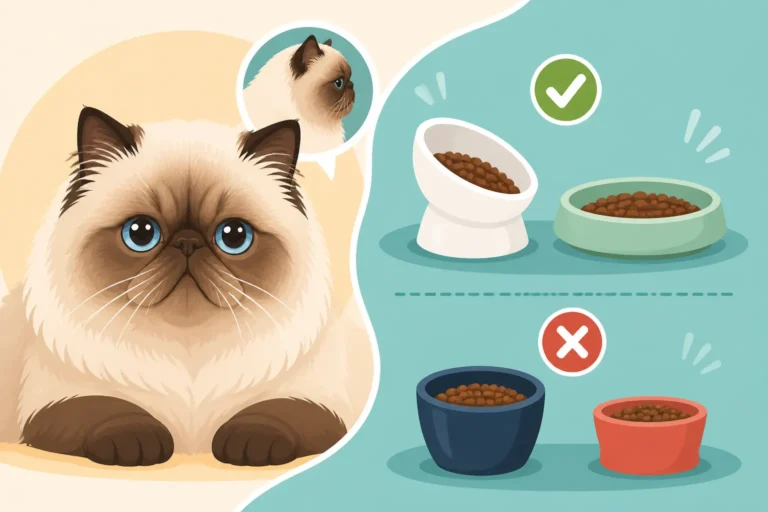
The chin and chest, especially on a Himalayan with their substantial ruff, are prime areas for localized yellowing due to a combination of eating, drinking, and sometimes, chin acne. When a flat-faced Himalayan eats, food particles, particularly wet food, can easily get pushed out of their mouth and into the fur around their chin and chest. Similarly, when they drink, their long ruff can dip directly into the water bowl, soaking up water and creating a perpetually damp environment. Why a Himalayan Soaks Its Ruff Drinking describes this perfectly.
To combat this:
- Appropriate Bowls: Use shallow, wide bowls made of stainless steel or ceramic. Plastic bowls can harbor bacteria and sometimes contribute to chin acne. Bowls designed for brachycephalic breeds can also help keep their faces cleaner. Feeding a Himalayan That Cannot Reach Into a Deep Bowl offers excellent advice on choosing the right dish.
- Regular Wiping: After every meal and drink, gently wipe your Himalayan's chin and chest with a damp cloth to remove food debris and dry any dampness.
- Chin Acne Management: If chin acne is present (small blackheads or bumps), it can also contribute to discoloration and requires vet attention. Gentle cleaning with a medicated wipe or shampoo may be advised.
Addressing Stains on the Britches and Tail
The hindquarters, or "britches," and the underside of the tail are another common area for yellowing, primarily due to contact with urine and feces. Himalayans have long, dense fur in these areas, and coupled with their somewhat sedentary nature and sometimes less-than-graceful litter box habits, hygiene can be a real challenge. Urine can soak into the fur during squatting, and fecal matter can cling, leading to persistent staining, matting, and even skin irritation.
Managing this area involves:
- Sanitary Trims: This is paramount. A regular "sanitary trim" by you or a professional groomer, where the fur around the anus and vulva/penis is kept neatly trimmed, can drastically reduce contact with waste. This doesn't need to be extreme; just enough to keep the fur short and clean.
- Litter Box Choice: Ensure the litter box is large enough for your Himalayan to comfortably turn around and squat without touching the sides. Some cats prefer low-entry boxes due to their short legs. Why a Short Legged Himalayan Needs a Low Sided Box provides guidance.
- Litter Type: Opt for low-dust, fine-grained litter that is less likely to cling to their long fur. Consider silica gel or fine clay litters that clump well and don't track excessively.
- Regular Cleaning: If a stain occurs, clean it immediately with a damp cloth and pet-safe shampoo. For persistent yellowing, a gentle, pet-safe whitening shampoo might be needed during a bath. How Litter Works Its Way Into a Himalayan's Coat discusses how litter management is essential for coat health.
| Area Prone to Yellowing | Common Causes | Daily Care | Preventative Measures |
|---|---|---|---|
| Body Coat | Sun, environmental dirt, diet, warmth | Daily combing/brushing | Manage sun exposure, clean home, quality food |
| Face/Tear Tracks | Tears, moisture, bacteria, diet | Daily wiping, keep dry | Regular vet checks, filtered water, specialized bowls |
| Chin/Chest/Ruff | Food, water, chin acne | Wipe after eating/drinking | Shallow bowls, stainless steel/ceramic, manage chin acne |
| Britches/Tail | Urine, feces, inadequate litter box | Sanitary trims, immediate spot cleaning | Large, low-entry litter box, appropriate litter type |
| Shaved Patches | Hair regrowth in cooler temperatures | (N/A – natural process) | (N/A – natural process, but expect darker regrowth) |
Proactive Strategies for Maintaining a Bright Coat
When it comes to keeping your Himalayan's pale body coat looking its best, prevention is always better than cure. By implementing a few proactive strategies, you can significantly reduce the likelihood of yellowing and ensure your feline friend remains a vision of pristine beauty.
Choosing the Right Diet and Supplements
A high-quality diet is foundational for a healthy coat, inside and out. Look for cat foods that use whole, identifiable ingredients, with meat as the first ingredient. Avoid foods with artificial colors, fillers, or excessive amounts of certain minerals like copper or iron, which can sometimes contribute to staining or discoloration in sensitive cats. Fresh, tailored meals often appeal to owners looking for clean ingredient lists. For dry food options, many reputable brands available on Chewy or Amazon prioritize natural ingredients.
Beyond the main meal, certain supplements can support coat health. Omega-3 and Omega-6 fatty acids (found in fish oil or flaxseed oil) are excellent for skin and coat, promoting a healthy sheen and potentially reducing inflammation that could lead to dullness. Probiotics can support gut health, which in turn can sometimes improve coat quality and reduce tear staining. Always consult your vet before introducing any new supplements to ensure they are appropriate for your cat's specific health needs. What Protein Level a Himalayan's Coat Needs underscores the importance of nutritional balance.
Optimizing the Home Environment
Your home environment plays a huge role in preserving your Himalayan's pale coat.
- Cleanliness: Regularly dust, vacuum, and clean floors to minimize the amount of airborne dirt and debris that can settle on and embed in your cat's fur. Pay special attention to their favorite napping spots and high-traffic areas.
- Sunlight Management: While some sun is good, prevent prolonged exposure to direct sunlight, especially during peak UV hours. Use curtains, blinds, or even strategically placed pet beds in shaded areas to protect their coat.
- Temperature Control: Maintain a comfortable, consistent indoor temperature. Extreme warmth, especially localized heat sources like vents, can contribute to subtle darkening or yellowing of the pale body coat over time, as discussed earlier.
- Litter Box Hygiene: Keep the litter box impeccably clean. Scoop at least once, ideally twice, daily. Change out the litter completely and scrub the box regularly. A dirty litter box is a breeding ground for bacteria and odors, and can lead to more frequent britches staining.
- Water Access: Always provide fresh, clean water. Using filtered water can help reduce mineral content that might contribute to tear staining. Wide, shallow ceramic or stainless steel bowls are ideal for Himalayans, helping to prevent their ruff from getting soaked and stained while drinking.
Establishing a Consistent Grooming Routine
Consistency is key to keeping a Himalayan's coat bright and clean. This isn't just about preventing mats; it's about proactively removing potential staining agents and maintaining overall coat health.
- Daily Combing: As mentioned, this is non-negotiable. A good quality steel comb is essential. Focus on all areas, particularly the chest, armpits, britches, and tail, where mats and dirt tend to accumulate first. This daily ritual not only keeps the coat free of tangles and debris but also serves as a bonding experience. The Daily Comb a Himalayan Cannot Skip is your bible for this.
- Daily Facial Wipes: Make it a habit to gently wipe your Himalayan's face, especially around the eyes and nose folds, every morning. This removes fresh tear stains before they have a chance to set and keeps the area dry and free from bacterial growth.
- Regular Sanitary Trims: Learn how to safely perform a sanitary trim around their hindquarters, or schedule regular appointments with a professional groomer. Keeping this fur short prevents contact with waste and greatly reduces staining in this area.
- Occasional Baths: Only bathe when necessary, using a high-quality, cat-specific whitening or brightening shampoo, followed by thorough rinsing and complete drying. Avoid overwashing, which can strip natural oils.
By being proactive with these strategies, you're not just maintaining a beautiful coat; you're also contributing to your Himalayan's overall health and well-being.
When Yellowing Persists: Professional Help and Advanced Care
Despite all your best efforts, sometimes yellowing persists, or perhaps a stain is just too stubborn to remove at home. This is when it's time to consider bringing in the professionals – your veterinarian and a skilled groomer – who can offer more advanced solutions and insights.
Consulting Your Veterinarian for Underlying Issues
If you've diligently followed all the grooming and environmental tips, and your Himalayan's coat continues to yellow, especially if it's a new or rapidly progressing issue, a veterinary visit is absolutely essential. As we've discussed, unexplained coat discoloration can be a red flag for underlying health problems. Your vet will conduct a thorough examination and may recommend diagnostic tests to rule out or identify medical conditions such as:
- Liver Disease: Can cause jaundice, leading to yellowing of skin, eyes, and fur.
- Kidney Disease: While less direct, overall poor health can impact coat quality and appearance. Which Blood Values a Himalayan's Kidney History Demands highlights important tests.
- Thyroid Imbalances: Hormonal issues can affect hair growth cycles and coat health.
- Allergies or Skin Infections: Chronic skin irritation, yeast infections, or bacterial overgrowth can lead to localized discoloration, especially if the cat is constantly licking or damp.
- Dietary Deficiencies or Excesses: Your vet can offer expert advice on dietary changes or supplements if they suspect a nutritional imbalance is contributing.
Your vet can also assess if any existing medications are causing a coat change or if there's a more effective way to manage tear staining that might involve prescription eye drops or even addressing anatomical issues.
Professional Grooming Solutions
For stubborn stains or a coat that has become severely yellowed or matted, a professional groomer specializing in long-haired cats, particularly Himalayans or Persians, can be a godsend. They have the expertise, tools, and specialized products to tackle issues that are difficult for owners at home.
- Deep Cleaning and Whitening Treatments: Professional groomers often have access to stronger, yet still safe, whitening shampoos and conditioning treatments that can gently lift deep-set stains and brighten the coat without damaging the fur or irritating the skin. They are also masters of thorough rinsing and, crucially, complete drying, which is vital for a Himalayan's dense coat.
- Demating and Clipping: If yellowing is accompanied by severe matting, a groomer can safely remove these mats, sometimes requiring a partial or full "lion cut." While a lion cut temporarily changes the cat's appearance, it allows the skin to breathe, facilitates easier cleaning, and lets a fresh, clean coat grow in. However, remember that shaved patches on a Himalayan often grow back darker initially due to the temperature-sensitive gene. What a Groomer Charges for a Himalayan Lion Cut might give you an idea of the cost, but always check current rates.
- Sanitary Trims and Nail Trims: Groomers can expertly perform sanitary trims, keeping the britches neat, and also handle nail trims, which can be tricky with a squirming cat and their thick claws.
- Expert Advice: A good groomer can also provide invaluable personalized advice on home grooming techniques, product recommendations, and how to maintain specific areas of your Himalayan's coat. They see many cats and understand the common challenges unique to the breed.
Long-Term Management and Realistic Expectations
Maintaining a Himalayan's pristine pale coat is a marathon, not a sprint. It requires ongoing commitment and vigilance. Even with the best care, some degree of natural yellowing or darkening can occur as your cat ages, as their points naturally deepen, and their body coat may follow suit with a slight warm cast. Why a Himalayan's Points Deepen Every Year It Lives explains this aging process.
The key is consistent, proactive care. Think of it as a partnership with your cat, your vet, and potentially a professional groomer. Regular veterinary check-ups are crucial for catching any health issues early. A consistent daily grooming routine at home, supported by professional grooming when needed, will be your strongest defense. While you might not achieve absolute, sterile white perfection 100% of the time, especially on a cream-bodied Himalayan, your goal is to minimize yellowing, keep the coat healthy, clean, and comfortable for your cat. Embrace the journey, and celebrate the magnificent beauty of your Himalayan, yellowing or not, they are truly special companions.
Disclaimer
This article is for general informational purposes only and does not constitute professional advice. Laws, prices and regulations vary by location and change over time. Consult a qualified professional for guidance on your specific situation.