Why a Himalayan’s Face Needs Cleaning Every Morning
If you're a loving Himalayan cat owner, you know the morning ritual all too well: waking up to those adorable, expressive eyes, often accompanied by a less-than-adorable damp patch and reddish-brown streaks on their pristine white or cream fur. It’s not just a cosmetic issue; that dampness and discoloration around your Himalayan's face are indicators of a unique anatomical challenge that demands daily attention, not just for looks, but for their comfort and health. This comprehensive guide will walk you through exactly why this daily face cleaning routine is non-negotiable for your fluffy companion, what happens if you skip it, and how to make it a positive experience for both of you.
The Himalayan's Unique Facial Anatomy: A Blessing and a Challenge
Our beloved Himalayans are simply stunning, aren't they? That luxurious coat, those striking blue eyes, and that sweet, often flattened face are what draw so many of us in. But it's precisely this charming facial structure that also creates specific grooming needs that can't be ignored. Understanding the anatomy is the first step to truly appreciating why daily care is so crucial.
The Brachycephalic Challenge
The term "brachycephalic" simply means "short-headed," and it perfectly describes the Himalayan's distinctive facial profile. Unlike their wilder ancestors with longer muzzles, Himalayans, much like their Persian relatives, have a shortened nose and a flatter face. This gives them that adorable, almost perpetually worried or thoughtful expression that melts our hearts. However, this shortened skull structure means that everything is a bit more compact up front. Their nasal passages are shorter, their tear ducts can take a more convoluted path, and their teeth are often crowded into a smaller jaw. It’s a design that’s beautiful to look at, but it wasn’t exactly optimized for fluid drainage or easy breathing, and definitely not for keeping a pristine face.
This compact arrangement can lead to a host of issues. Imagine trying to breathe comfortably through a very short, narrow tube, or having your eye ducts constantly overflowing because the drainage system just isn't quite right. While we adore their flat faces, it's vital to acknowledge that this anatomical trait is the root cause of many of the daily care challenges we face as Himalayan parents. The frustration of constant dampness or a cat that sounds like a tiny freight train snoring is often directly linked to these breed-specific features.
Tear Duct Drainage Issues
One of the most immediate consequences of the Himalayan's brachycephalic face is how their tear ducts function—or often, malfunction. In cats with more traditional, longer muzzles, tears typically drain directly into the nasal passages through tiny ducts. It’s an efficient system. For Himalayans, however, the shortened snout means these ducts can be compressed, kinked, or simply too narrow to handle the normal flow of tears. This anatomical quirk often means that tears don't drain internally as they should; instead, they overflow onto the fur around the eyes and nose.
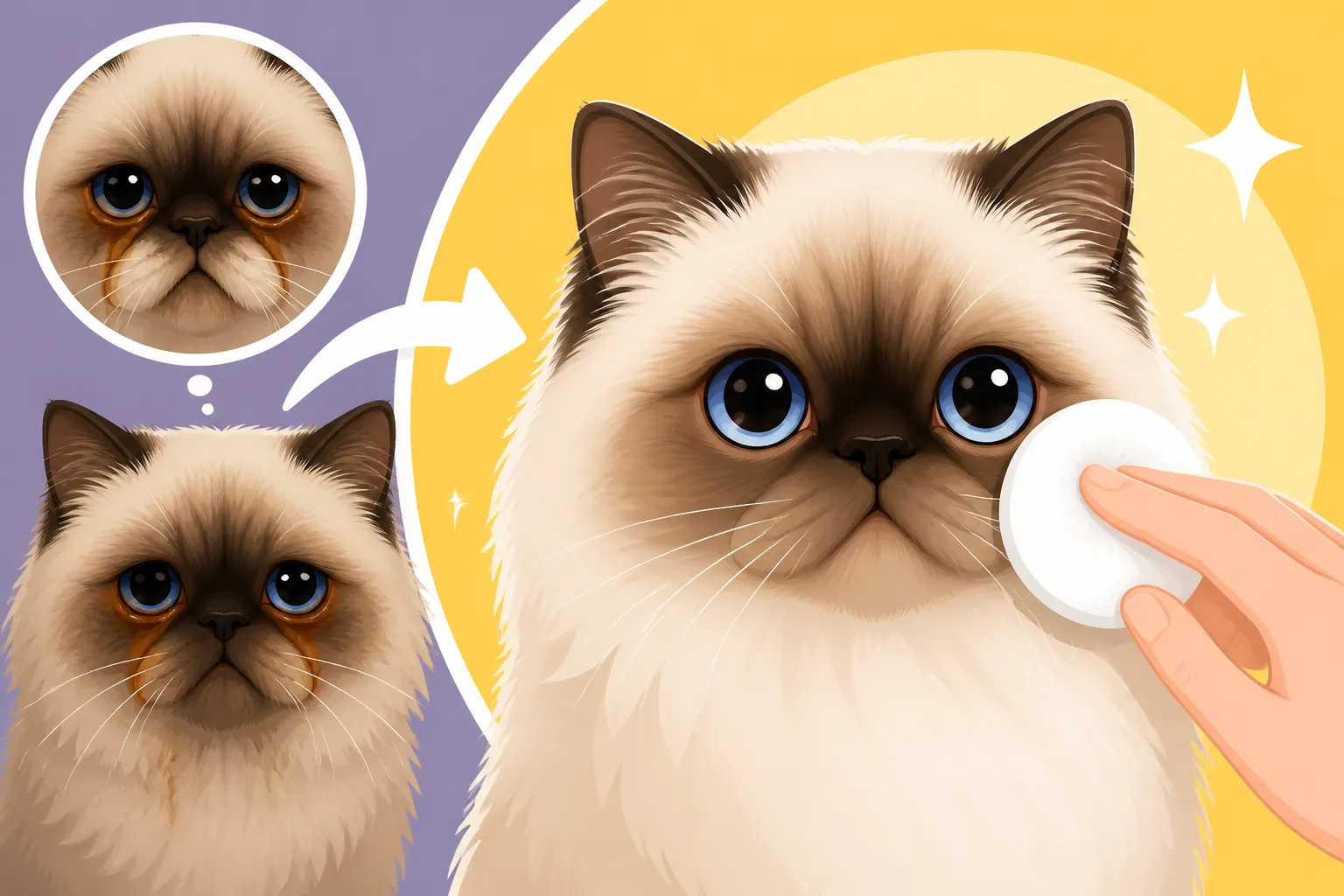
This constant overflow isn't just a little wetness; it’s a continuous stream of moisture that bathes the delicate skin and fur around their eyes. This moisture creates the perfect breeding ground for bacteria and yeast, which are responsible for the reddish-brown discoloration we commonly refer to as tear stains. It’s a frustrating cycle for owners and can be quite uncomfortable for the cat. Many owners find themselves asking Why a Himalayan's Eyes Water All Day, and the answer almost always comes back to this inherited facial structure.
The Pesky Nose Fold
Beyond the tear ducts, many Himalayans also possess a distinct skin fold right above their nose, often referred to as the "nose fold" or "facial fold." This soft, fleshy crease is another charming feature, but it’s also a significant trap. This fold sits right in the path of those overflowing tears, and often captures food particles, dust, and any other bits and bobs your curious cat might encounter throughout the day.
The nose fold effectively creates a warm, dark, and perpetually damp pocket on your cat’s face. It's like a tiny, humid cave, absolutely perfect for moisture to accumulate and for microbes to flourish unnoticed. If left uncleaned, this area can become a source of irritation, odor, and even infection. It’s easy to overlook this hidden spot, but if you've ever wondered What Happens If a Himalayan's Nose Fold Stays Damp, you know the answer is usually not pleasant – think skin irritation, redness, and a distinct, sour smell. Daily attention to this specific area is paramount to preventing these problems from escalating.
The Daily Battle Against Tear Stains and Moisture
The constant dampness on a Himalayan's face isn't merely an aesthetic concern; it's a battleground for your cat's health and comfort. That familiar reddish-brown discoloration is a signal of ongoing issues that need consistent intervention.
Understanding Tear Stain Composition
Those rust-colored streaks aren't just dirt; they're primarily caused by a yeast called Red Yeast (Malassezia) or various bacteria that thrive in the perpetually moist environment created by overflowing tears. These microorganisms react with the porphyrins—iron-containing waste products found in tears—to create the reddish-brown pigment. Think of it like rust forming on metal, but on your cat's fur. The longer the moisture sits and the more these organisms proliferate, the deeper and more stubborn the stains become.
It’s a misconception that tear stains are purely cosmetic. While they certainly impact the pristine appearance of a Himalayan's coat, they are a visible indicator of an underlying issue: persistent dampness providing a fertile ground for microbial growth. This is why simply wiping with water often isn't enough; you need to address the microbial component. Without daily cleaning, these stains don't just deepen; they become a chronic source of irritation.
The Impact of Persistent Dampness
Imagine if your own skin was constantly wet, day in and day out. It wouldn't be long before it became macerated, tender, and prone to irritation, would it? The same holds true for your Himalayan. The persistent dampness from overflowing tears softens the skin around their eyes and in their nose fold, making it incredibly vulnerable. This softened skin is a prime target for bacterial and yeast infections, which can lead to a cycle of itching, redness, and further discharge.
Beyond the immediate skin health, persistent dampness also contributes to an unpleasant odor. That slightly sour, yeasty smell that can sometimes emanate from a Himalayan's face is a direct result of bacterial and yeast overgrowth. It's not just off-putting; it's a clear sign that the delicate skin barrier is compromised and an infection might be brewing. Moreover, the constant moisture can also lead to the fur itself becoming stiff and matted around the eyes, making subsequent cleaning even more difficult and uncomfortable for your cat. The goal of daily cleaning isn't just to remove the stain, but to prevent this persistent dampness from taking hold and causing larger problems.
Why the Coat Color Matters
While all brachycephalic cats with tear duct issues can experience tear staining, it's undeniably more visually striking and, dare I say, heartbreaking on a Himalayan with a pale body coat. Their glorious cream, white, or light-colored fur acts like a canvas, making every single reddish-brown streak stand out in stark contrast. This is why you'll often hear discussions about Why Tear Stains Are Worse on a Cream Bodied Himalayan. The pigmentation is there for all to see, making the problem seem more severe, even if the underlying physiological issue is the same for a darker-pointed cat.
The visual impact means that owners of pale-bodied Himalayans are often more acutely aware of the problem, and therefore, more motivated to address it daily. However, even if your Himalayan has darker points that might obscure the stains a little, the underlying issues of dampness, potential irritation, and microbial growth remain. It's a universal problem for the breed, simply amplified by certain coat colors. Daily cleaning helps maintain the stunning contrast between their deep points and their pristine body, ensuring they always look their absolute best, as well as feel comfortable.
Preventing Skin Irritation and Infection
Leaving a Himalayan's face uncleaned isn't just about stains; it creates a fertile breeding ground for serious skin issues. The warm, moist environment of their facial folds and tear tracks is an open invitation for unwelcome guests to set up shop.
Fold Dermatitis: The Primary Risk
One of the most common and uncomfortable conditions a Himalayan can develop due to neglected facial hygiene is fold dermatitis. This isn't just a mild rash; it's an inflammatory skin condition that occurs when skin rubs against itself, or when a fold remains consistently damp and warm. In Himalayans, the nose fold and the skin around the eyes are prime locations. The constant moisture breaks down the skin's protective barrier, allowing bacteria and yeast to penetrate and cause irritation, itching, redness, and even painful sores.
Imagine having a constantly chafed area on your own skin that never gets a chance to dry out or heal. That’s what your cat experiences. Left untreated, fold dermatitis can become chronic, requiring veterinary intervention with medicated wipes, creams, or even oral antibiotics. It can cause immense discomfort, leading your cat to rub its face excessively, potentially causing further trauma or even injuring its delicate eyes. Prevention through daily cleaning is far easier and more humane than treating an established case of dermatitis.
Yeast and Bacterial Overgrowth
The damp, warm nooks and crannies of a Himalayan's face are practically a five-star resort for yeast and bacteria. These microscopic organisms, naturally present on the skin, can quickly multiply out of control when conditions are ideal. The reddish-brown tear stains are often a visual clue to the presence of Malassezia yeast, which thrives in moist environments and can cause that tell-tale "yeasty" smell. Similarly, various bacteria, if given the chance to proliferate, can lead to more serious infections.
When these organisms overgrow, they cause intense itching, which can lead to your cat rubbing their face on carpets, furniture, or even their own paws, exacerbating the problem. The skin can become red, inflamed, and even develop small pustules. This isn't just an unsightly problem; it can be painful and deeply irritating for your cat. Regular, thorough cleaning helps to disrupt the cycle of overgrowth by removing the moisture and the food source (cellular debris, old tears) that these microbes rely on. Without that daily wipe-down, you're essentially providing a buffet and a spa day for unwelcome microscopic guests.
Addressing Environmental Factors
While a Himalayan's anatomy is the primary driver of facial dampness and potential irritation, environmental factors can certainly play a role in worsening the situation. Think about it: dust, pollen, and even household cleaning product residues can settle on your cat's fur and get trapped in those damp folds. If your cat has sensitivities or allergies, these environmental irritants can trigger increased tear production, leading to even more moisture and a heightened risk of infection.
Even the type of food your Himalayan eats can sometimes contribute to the issue. Some theories suggest that certain food additives or ingredients might lead to increased porphyrin excretion in tears, intensifying the staining. While diet isn't usually the cause of tear staining, it's something to consider if the problem is particularly severe. Keeping your home clean, using air purifiers, and considering hypoallergenic bedding can all indirectly support your daily face cleaning efforts. However, regardless of these factors, the fundamental need to clean the face daily due to their unique anatomy remains.
Maintaining Overall Hygiene and Comfort
Beyond preventing infections and minimizing unsightly stains, daily face cleaning for your Himalayan is fundamentally about maintaining their overall hygiene, comfort, and even contributing to their dental health. It's a holistic approach to their well-being.
Food and Water Residue
Let's face it, our Himalayans are not known for their delicate eating habits, especially given their unique facial structure. Their flattened faces mean that reaching into conventional bowls can be a bit of a challenge. Kibble often gets pushed around, and wet food can end up smeared across their chin, around their mouth, and unfortunately, directly into their long, luxuriant ruff and those damp nose folds. Drinking water can be an equally messy affair, with their long fur soaking up moisture like a sponge, only to deposit it back onto their already damp face.
This accumulation of food and water residue isn't just unappealing; it's another layer of grime that contributes to bacterial growth, odor, and matting. Old food particles can become sticky, attracting more dust and debris. If left to dry and harden, they can pull on the delicate facial fur, causing discomfort. Daily cleaning ensures that these residues are promptly removed, keeping the facial area clean, fresh, and free from sticky messes that would otherwise contribute to a host of problems. Investing in special shallow, wide bowls can help minimize the initial mess, but a quick post-meal wipe is still often necessary.
Beyond the Stains: Dental Health Connection
While it might not be immediately obvious, there's a subtle but important connection between your Himalayan's facial hygiene and their dental health. As mentioned, Himalayans often have crowded mouths due to their shortened jaws. This crowding makes them particularly prone to dental issues, as food and plaque can easily get trapped between teeth and along the gum line. When food residue from their meals collects around their mouth and face, it can often make its way into their mouth, clinging to teeth and gums.
This isn't to say that facial cleaning is dental cleaning, but it certainly helps. Removing food particles from the external facial fur reduces the amount of material that could potentially be re-ingested or adhere to teeth. More directly, the same daily routine that gets your cat used to having their face handled for cleaning can also make them more receptive to oral care, like brushing their teeth or having their mouth examined by you or their vet. It's about establishing a foundation of acceptance for handling their sensitive facial area, which is crucial for managing How Often a Himalayan's Crowded Mouth Needs Cleaning throughout their life.
Enhancing Quality of Life
Ultimately, the most important reason for daily facial cleaning is to ensure your Himalayan lives a comfortable, happy, and healthy life. Chronic irritation, itching, pain from dermatitis, or the constant damp feeling can significantly impact your cat's quality of life. Cats are fastidious creatures, and while their unique anatomy prevents them from always cleaning their own faces effectively, they still desire to be clean and comfortable.
A clean face means no stinging from inflamed skin, no unpleasant smells, and no sticky, matted fur pulling on their skin. It means less stress for your cat, as they aren't constantly trying to rub away an itch or discomfort. It also allows them to see more clearly without gunk in their eyes. Think of it as a small, daily act of love that contributes massively to their overall well-being. A cat that feels clean and comfortable is a happier, more playful, and more affectionate cat, which is exactly what we all want for our beloved Himalayans.
Establishing a Successful Face Cleaning Routine
Knowing why daily face cleaning is essential is one thing; actually doing it consistently is another. It takes patience, consistency, and the right approach to make it a positive experience for your Himalayan.
Gentle Approach and Positive Reinforcement
The key to a successful daily face cleaning routine lies in a gentle approach and generous use of positive reinforcement. Cats are creatures of habit, and they respond best to predictability and calm. Never force the issue or rush the process, especially in the beginning. Start slowly, perhaps just by touching their face gently for a few seconds, then immediately rewarding them with a favorite treat or a soft stroke. Gradually increase the duration and intensity of the contact.
During the actual cleaning, use a soft voice, gentle movements, and reassuring pats. If your cat becomes agitated, take a break and try again later. The goal is to associate face cleaning with positive outcomes, not punishment or stress. Small, high-value treats are your best friends here. A dab of squeeze-up cat treat on their nose after a wipe, or a few pieces of a favorite crunchy treat, can work wonders. This positive conditioning will make future sessions much easier and ensure your cat doesn't dread their morning routine.
Step-by-Step Cleaning Process
Once you've established some trust, you can implement a structured, step-by-step cleaning process:
- Gather Your Supplies: Have everything you need within easy reach: gentle, cat-safe wipes or cotton pads, a bowl of warm (not hot!) water, and any recommended cleaning solutions or eye drops. I often find a supply of specialized wipes from Chewy to be a godsend for convenience.
- Choose the Right Time: Select a calm moment when your cat is relaxed, perhaps after a nap or before a meal. Avoid times when they're playful or stressed.
- Position Your Cat: Gently place your cat on a soft towel on your lap or on a low, stable surface where they feel secure. Speak to them in a soothing voice.
- Wipe the Eye Area: Take a fresh, damp cotton pad or a specialized cat eye wipe. Gently wipe away from the inner corner of the eye outwards. Use a separate, clean wipe or pad for each eye to prevent cross-contamination. Be very careful not to touch the eyeball directly. For stubborn, dried-on crusts, hold the damp pad over the area for a few seconds to soften it before wiping gently. Consider using a product like those listed for Which Wipes Are Safe Around a Himalayan's Blue Eyes.
- Clean the Nose Fold: This is critical. Using a fresh, damp cotton pad or a corner of a wipe, carefully lift the nose fold and clean underneath it. Be thorough, removing any trapped moisture, food debris, or discharge. This area can be very sensitive, so be extra gentle.
- Dry Thoroughly: This step is just as important as cleaning. Use a clean, dry cotton pad or a soft tissue to gently blot the entire cleaned area, especially underneath the nose fold. Ensuring the skin is completely dry helps prevent future bacterial and yeast growth. This is crucial to prevent How Fold Dermatitis Starts Beside a Himalayan's Nose.
- Reward: Immediately follow the cleaning with praise, cuddles, and their favorite treat. End on a positive note.
Remember, consistency is far more important than perfection, especially when you're starting out.
Frequency and Consistency
For a Himalayan, daily face cleaning is not an option; it's a necessity. Their unique anatomy means that tears will continue to overflow and moisture will continue to accumulate every single day. Skipping even a day can quickly lead to the re-establishment of bacterial and yeast growth, deepening of tear stains, and increased risk of skin irritation. This is why a Himalayan's face needs cleaning every morning. It's truly a daily commitment, like brushing your own teeth.
Establishing this consistent routine means it becomes a predictable part of your cat's day, reducing their anxiety and increasing their cooperation. If you try to clean their face sporadically, say once every few days, it will always feel like a novel, potentially startling experience for them, making it harder each time. A consistent routine, even if it's just a quick minute or two each morning, makes a world of difference for their comfort and your peace of mind. Over time, many Himalayans will come to tolerate, and some even enjoy, this special one-on-one attention. You'll soon discover How Long a Himalayan's Face Routine Takes when done consistently.
Choosing the Right Tools and Products
Having the right arsenal of tools and products can make your daily face cleaning routine much more effective and less stressful for both you and your Himalayan. Not all products are created equal, and some might even do more harm than good.
Wipes and Cotton Pads: Essential Consumables
For daily cleaning, soft, absorbent materials are key. Basic cotton pads, readily available, are excellent for applying cleansers and gently wiping away discharge. They're soft, disposable, and won't irritate sensitive skin. For convenience, many owners turn to pre-moistened pet-specific wipes. When choosing wipes, look for those that are:
- Fragrance-free: Perfumes can be irritating to sensitive feline skin and noses.
- Alcohol-free: Alcohol is drying and can cause burning, especially near the eyes.
- Specifically formulated for cats: Human baby wipes often contain ingredients that aren't safe or ideal for pets.
- Hypoallergenic: To minimize the risk of allergic reactions.
Brands like those found on Chewy or Amazon often carry a variety of reputable cat eye wipes. Always check the ingredients list carefully. Having a good supply on hand ensures you never skip a day because you've run out.
Specialized Cleansers and Solutions
While plain warm water can help remove some debris, it's often not enough to tackle the bacteria and yeast responsible for deep tear stains and irritation. This is where specialized cleansers and solutions come in. These can include:
- Gentle eye washes: Designed to flush the eye and surrounding area, helping to dislodge irritants and dilute porphyrins. Look for sterile, saline-based solutions.
- Topical tear stain removers: These often contain mild antiseptic or antibacterial agents to target the microorganisms causing the discoloration. Some contain boric acid or colloidal silver, but always consult your vet before using anything beyond simple saline, especially if there's any sign of infection.
- Antifungal/Antibacterial wipes or solutions: If your vet diagnoses fold dermatitis or a specific yeast/bacterial infection, they may prescribe medicated wipes or solutions. These are usually much stronger and should only be used under veterinary guidance.
Remember, the goal is gentle cleaning and prevention. Avoid harsh chemicals or anything abrasive. Always do a patch test on a small area first to ensure your cat doesn't have a reaction.
Combs and Brushes for Facial Fur
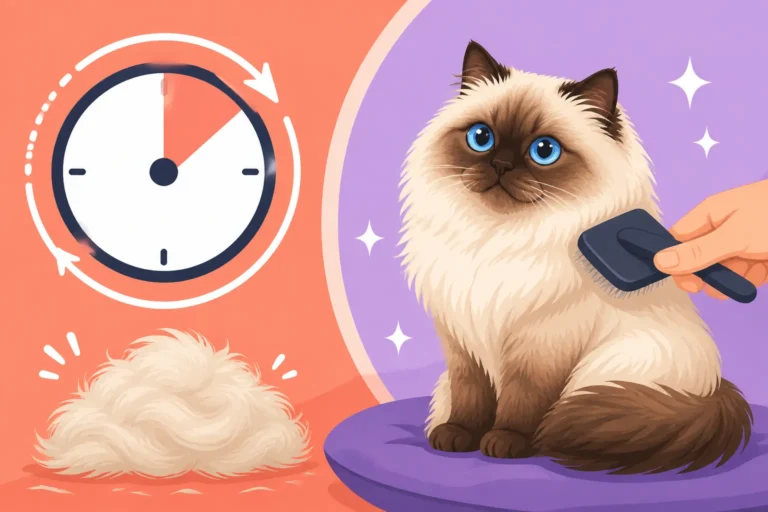
While wipes and solutions handle the immediate cleaning, managing the fur around your Himalayan's face is equally important. That long, luxurious Persian coat means the fur around their eyes, chin, and nose can become easily matted if not regularly detangled. A fine-toothed comb, often called a "flea comb" (even if you're not looking for fleas!), is perfect for this.
Gently comb the fur around their eyes and chin to remove any loose hairs, dried discharge, or tiny food particles that your wipe might have missed. This prevents mats from forming, which can be incredibly painful and difficult to remove once established. Regular combing also helps keep the fur soft and flowing, making it less likely to trap moisture against the skin. If the fur around their eyes or mouth is consistently causing issues, a professional groomer or your vet might suggest a very careful, minimal trim, but never attempt this yourself with scissors near their eyes. Safety first!
Here's a quick comparison of common cleaning tools:
| Tool Type | Best Use | Pros | Cons | Where to Find |
|---|---|---|---|---|
| Cotton Pads + Warm Water | Gentle daily wipe for minor dampness and debris | Inexpensive, readily available, very gentle | Not effective against stubborn stains or microbial growth, requires drying | Most stores, Chewy, Amazon |
| Pet-Specific Wet Wipes | Convenient daily cleaning, some contain mild stain-fighting ingredients | Quick, pre-moistened, often formulated for pet sensitivity | Can be more expensive, some may contain ingredients not suitable for all cats | Chewy, Amazon, pet stores |
| Sterile Eye Wash | Flushing irritants from eyes, diluting tears | Safe for eyes, helps clear debris | Does not actively remove stains or kill microbes, requires separate drying | Vet clinics, pet stores, Amazon |
| Tear Stain Solutions | Targeting established reddish-brown stains, antimicrobial properties | Effective for stain removal and preventing microbial regrowth | Can be stronger, requires careful application, vet consultation often recommended | Specialized pet retailers, some vet clinics, Chewy, Amazon |
| Fine-Toothed Comb | Removing dried discharge, detangling facial fur, preventing mats | Prevents matting, helps keep fur clean and tidy | Requires gentle handling, not for cleaning wet areas, can pull if fur is matted | Pet stores, Chewy, Amazon |
| Soft Cloths/Microfiber | General drying, gentle wiping with water | Reusable, very soft, good for sensitive skin | Needs regular washing, may not be as precise as cotton pads | Household stores, Amazon |
Remember, the goal is to make this routine as stress-free as possible for your precious Himalayan. By understanding their unique needs, using the right tools, and approaching the task with patience and love, you can ensure they remain happy, healthy, and beautifully clean-faced for years to come.
Disclaimer
This article is for general informational purposes only and does not constitute professional advice. Laws, prices and regulations vary by location and change over time. Consult a qualified professional for guidance on your specific situation.