Caring for a Himalayan Whose Points Have Gone Dark
It’s a common sight for many of us who share our lives with these gorgeous felines: you look at your beloved Himalayan one day and realize their beautiful, distinct points, which were once a crisp, light hue, have started to deepen, almost blurring into their body color. This isn't just your imagination playing tricks; it’s a natural, often misunderstood, part of a Himalayan's life. This comprehensive guide will walk you through why this happens, what it means for your furry friend, and how to best care for a Himalayan whose once-striking points have mellowed into a darker, richer shade.
Understanding Why Himalayan Points Darken
When you first bring home a fluffy, light-colored Himalayan kitten, it's hard to imagine their sophisticated point coloration changing so dramatically. But it does, and there's some fascinating science behind it. Understanding this process is the first step in appreciating your cat's evolving beauty and ensuring their continued well-being.
The Science Behind the Siamese Point Gene
The stunning point coloration that defines a Himalayan is due to a fascinating genetic trait they inherited from their Siamese ancestors. This isn't just about color; it's about temperature. The gene responsible for the colorpoint pattern produces an enzyme called tyrosinase, which is heat-sensitive. This enzyme is crucial for melanin production – the pigment that gives fur its color. In Himalayans, this enzyme only functions effectively at cooler body temperatures.
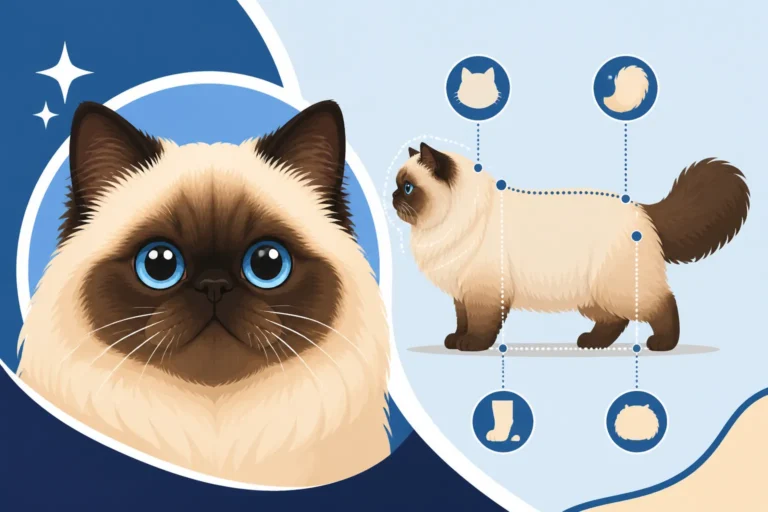
What this means in practice is that the cooler extremities of your cat's body – the face, ears, paws, and tail – are where the pigment develops, creating those beautiful dark points. The warmer core of their body, where the enzyme is inactive, remains a pale cream or white. It's a genetic marvel, truly, and it’s why your Himalayan kitten is born almost entirely white; their mother's womb provides a consistently warm environment, preventing the pigment from developing. As they grow and are exposed to ambient temperatures, their points gradually begin to show, like a beautiful photograph developing right before your eyes. You can learn more about how a Himalayan's point color is a record of where it sleeps, illustrating just how much temperature influences their coat.
Natural Progression of Point Darkening
As your Himalayan matures, it's completely normal for those points to deepen in color. This isn't a flaw; it's a natural part of their genetic makeup. Think of it like a fine wine aging – the colors become richer, more complex. There are several factors at play here. Age is a significant one; as cats get older, their metabolism slows down, and their body temperature can drop slightly, allowing the heat-sensitive enzyme to become more active over a larger area of their body.
Genetics also play a role. Some Himalayan lines naturally have a propensity for darker, more intense points from a younger age, while others might retain a lighter body coat for longer. It's a spectrum, and every cat is unique. What might seem like a drastic change to you is simply your cat expressing their full genetic potential. For many owners, it’s actually quite charming to watch their cat's color evolve, giving them a unique, distinguished look as they grow. This deepening often continues throughout their life, which is why a Himalayan's points deepen every year it lives.
Environmental Factors Accelerating Darkening
Beyond genetics and age, the environment your Himalayan lives in can significantly influence the darkness of their points. The most prominent factor is ambient temperature. If your home tends to be on the cooler side, your cat's body will naturally be slightly cooler overall, which encourages more pigment development. Cats who spend a lot of time lounging near cold windows or in unheated rooms might show a more generalized darkening of their coat, not just their points.
Sunlight exposure can also play a subtle role. While the point gene is primarily temperature-dependent, prolonged exposure to UV rays can sometimes cause a slight oxidation or tanning effect on lighter fur, making it appear darker or more golden. It’s not the primary driver of point darkening, but it can contribute to the overall richness of their coat. Protecting your Himalayan from excessive sun exposure, especially if they enjoy sunbathing by a window, might help maintain the contrast for longer, though it won't stop the natural progression entirely. If you've ever wondered how temperature decides a Himalayan's point color, you now know it's a constant, dynamic process influenced by their surroundings.
Distinguishing Natural Darkening from Other Issues
Seeing your Himalayan's points change can sometimes make you wonder if something is wrong. It's essential to understand the difference between the natural, healthy progression of coat darkening and potential issues that might need attention.
When Darkening is Normal
For most Himalayans, the gradual darkening of their points is a completely normal and healthy sign of maturity. It typically starts becoming noticeable after their first year and continues subtly throughout their lives. You might see their mask deepen, their paws get more robustly colored, and their tail become a solid, rich hue. Even their body coat, which ideally stays light, might take on a subtle shading, particularly along their back or flanks. This is particularly true for seal points and blue points, where the contrast between body and points can become less stark over time.
This natural darkening usually occurs uniformly across all points, without any patchy areas, skin irritation, or changes in coat texture. The fur remains soft, full, and shiny, even if it's darker than before. It’s part of their unique charm, a testament to their heritage. Many owners find this mature coloration incredibly beautiful, and it gives the cat a distinguished appearance. There’s no need to worry if this is the case; it simply means your Himalayan is aging gracefully, just as nature intended.
Darkened Points as a Sign of Health Concerns
While natural darkening is expected, sometimes a sudden or uneven darkening, or changes accompanied by other symptoms, can signal an underlying health issue. For example, severe matting can trap moisture and debris against the skin, leading to skin infections or inflammation that might appear as dark, crusty patches, especially in areas like the armpits or britches. These aren't true point darkening but rather localized skin problems that look dark. If you notice a particular patch of fur that feels greasy, looks inflamed, or if your cat is scratching at it, it’s time to investigate further.
Additionally, certain medical conditions can sometimes affect coat quality and color. For instance, thyroid issues, though rare, can sometimes impact skin and fur health, leading to a dull or thin coat that might appear darker due to poor condition. Stress or anxiety can also sometimes manifest in excessive grooming in specific areas, leading to skin irritation and discoloration. If you notice any accompanying symptoms like lethargy, changes in appetite or thirst, excessive scratching, or if the coat feels rough or brittle, don’t hesitate to contact your vet. Early detection is always key, and a quick check-up can either put your mind at ease or help address a problem before it escalates.
The Role of Temperature in Point Color
We've touched on how temperature influences point color, but it bears repeating just how significant it is. A Himalayan living in a perpetually cool environment will inevitably develop darker, more extensive points than one living in a warmer climate or a heated home. Think of a cat recovering from surgery where a patch of fur was shaved for an IV or incision. The shaved area, being exposed to cooler air, often grows back darker than the surrounding fur, creating a temporary "dark spot." This vividly demonstrates the temperature-sensitive nature of their coat.
Many dedicated Himalayan owners, particularly those who show their cats, take great care to manage their indoor temperature to maintain the desired point contrast. They often keep their homes a bit warmer to ensure the body remains as pale as possible, showcasing the dramatic difference between points and body. For pet owners, this simply means acknowledging that your home's ambient temperature will play a huge role in how your cat's coat develops over time. There's no right or wrong temperature for your cat, as long as they are comfortable, but knowing this connection helps explain the variations you observe. If you're concerned about your Himalayan's comfort during warmer months, understanding how to cool a long coated Himalayan in summer can be incredibly helpful.
Grooming Adjustments for a Darkened Coat
As your Himalayan's points deepen and potentially spread, their coat might also become denser and more challenging to manage. This isn't just about aesthetics; proper grooming is vital for their health and comfort. A neglected coat, especially a dense, long-haired one, can quickly lead to painful mats and skin problems.
Maintaining Coat Health in a Changing Coat
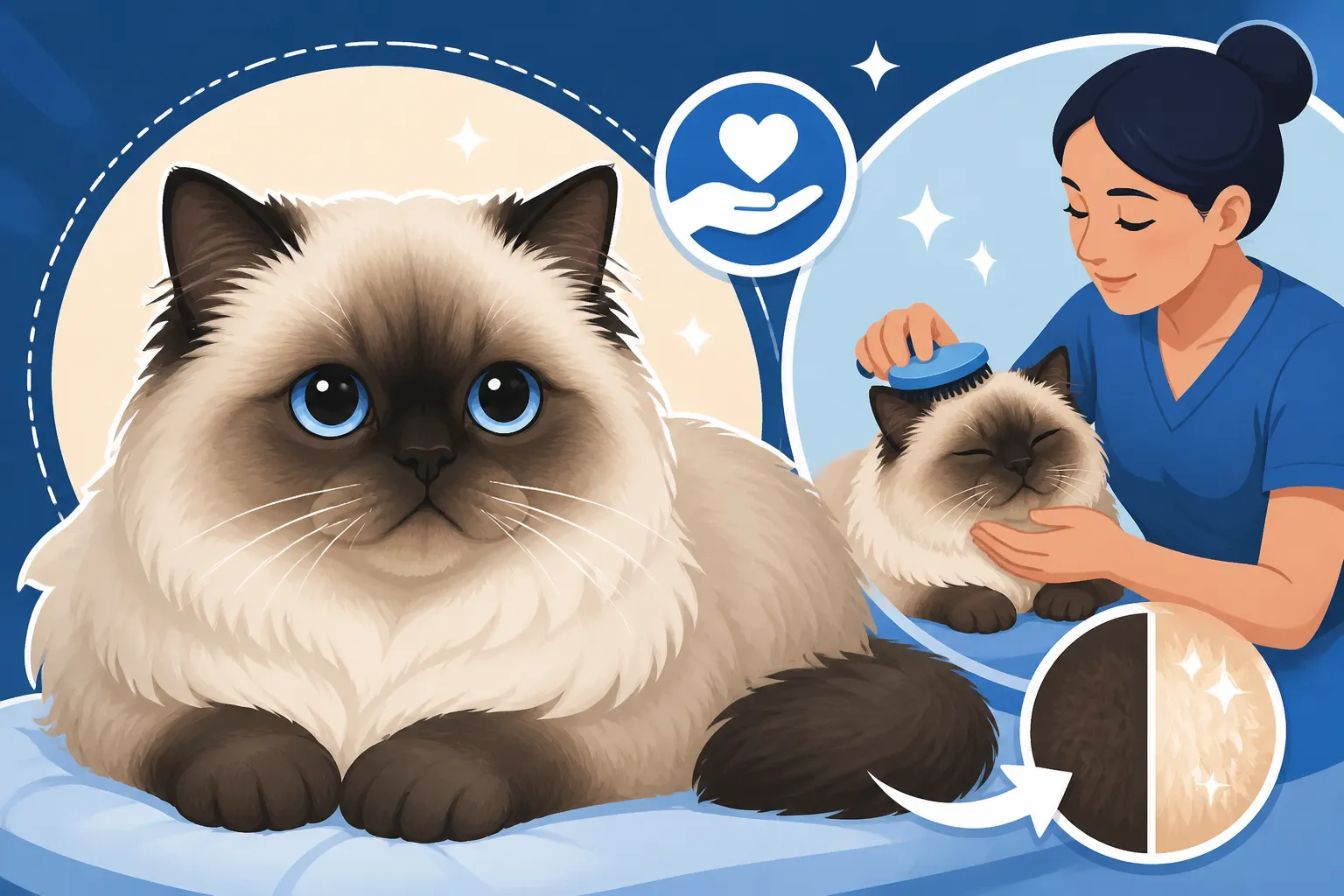
The golden rule for any long-haired cat, especially a Himalayan, is daily combing. This becomes even more critical as their coat matures and possibly darkens and thickens. The beautiful Persian coat they inherited is prone to matting, and a darker, denser coat might feel even more substantial and knot-prone. A good quality steel comb with both fine and wide teeth is an absolute necessity. You'll want to work through every section of their coat, paying particular attention to areas prone to mats: behind the ears, under the armpits, on their tummy, and the britches.
The purpose of daily combing isn't just to remove tangles, but also to distribute natural skin oils, remove loose hair and dander, and provide a wonderful bonding experience for you and your cat. It stimulates circulation, which is good for skin health, and allows you to check for any skin irritations, parasites, or new bumps. If you've been skipping this routine, it’s time to recommit. Remember, the daily comb a Himalayan cannot skip is fundamental to their comfort and well-being, especially as their coat evolves.
Dealing with Mats and Tangles in Denser, Darker Fur
Mats are more than just cosmetic issues; they can be incredibly painful, pulling on the skin, causing skin infections, and even restricting movement. In a darker, denser coat, mats can sometimes be harder to spot until they become quite severe. If you discover a mat, resist the urge to pull or cut it with scissors, as it’s incredibly easy to cut your cat’s delicate skin. Instead, try to gently tease it apart with your fingers or the wide-toothed end of your comb. You can use a bit of cornstarch or a pet-safe detangling spray to help loosen the knots.
For stubborn or large mats, especially those close to the skin, a professional groomer or your veterinarian might be the best option. They have specialized tools and techniques to remove mats safely, often requiring sedation for severe cases to ensure the cat's comfort and safety. Never underestimate how quickly a small tangle can turn into a huge, painful mat. This is why it’s so important to prevent them in the first place, or address them immediately when they appear. Remember, a matted Himalayan becomes a medical case, not just a grooming challenge.
Bathing and Drying Techniques to Prevent Further Darkening
While daily combing is your primary defense against mats, occasional bathing might be necessary for a Himalayan, especially if their coat starts to feel greasy or shows significant staining. However, bathing a long-haired cat is a project, and doing it incorrectly can lead to more problems. Use a pet-specific, pH-balanced shampoo, and make sure to rinse thoroughly. Any shampoo residue left behind can irritate the skin and lead to a dull, sticky coat that mats even faster.
The drying process is arguably even more crucial than the wash. A Himalayan’s thick undercoat takes a long time to dry completely. If left damp, it can create a breeding ground for yeast and bacteria, leading to skin infections, and potentially causing the fur to mat even more tightly as it dries. Use towels to absorb as much water as possible, then use a pet-safe blow dryer on a cool or low-heat setting, continually brushing the fur as you dry to ensure it’s thoroughly dry down to the skin. This diligent drying also helps maintain the contrast by preventing prolonged dampness that can contribute to overall darkening.
Nutritional Support for Coat and Skin Health
What your Himalayan eats has a profound impact on their overall health, and their magnificent coat is no exception. A well-balanced diet can support healthy skin and a shiny, resilient coat, regardless of its color. This is especially important as they age and their coat naturally changes.
Diet's Impact on Coat Quality
A high-quality diet is the foundation of a healthy coat. Look for cat foods that list real meat (like chicken, fish, or beef) as the first ingredient, ensuring a high protein content. Protein is crucial for hair growth and strength. Avoid foods with excessive fillers, by-products, or artificial additives, as these can sometimes contribute to skin sensitivities or a dull coat.
Beyond protein, essential fatty acids, particularly Omega-3 and Omega-6, play a vital role. These fats help maintain skin barrier function, reduce inflammation, and give the coat a beautiful luster. Many premium cat foods now include these in their formulations. If your Himalayan is getting adequate nutrition, their coat should feel soft and supple, even if it's darker, and their skin should be clear and flake-free. If you notice a change in coat quality – it becomes dry, brittle, or excessively sheds – your cat's diet might need an adjustment.
Hydration and Its Role in Skin and Fur
Water is often overlooked but is absolutely critical for overall health, including skin and coat health. Dehydration can lead to dry, flaky skin and a dull, unhealthy coat. Himalayans, like many cats, aren't always the best at drinking enough water, especially if they are primarily on a dry kibble diet.
Encouraging water intake is vital. Consider incorporating wet food into their diet, as it provides a significant amount of moisture. Fresh, clean water should always be available, and you might find a wide, shallow water bowl or a pet fountain more appealing to your Himalayan. Some cats prefer running water, and the aeration in a fountain can make it more enticing. Keeping your cat well-hydrated helps maintain skin elasticity and supports healthy fur growth from the inside out. Remember, a Himalayan carrying cysts will especially benefit from ample hydration to support kidney function.
Supplements for a Healthy Coat
Sometimes, even with a good diet, a little extra boost can make a difference. Certain supplements can further support coat and skin health, particularly as your Himalayan ages or if they have specific needs. Omega-3 fatty acid supplements, often derived from fish oil, are popular for their anti-inflammatory properties and ability to improve coat shine and reduce shedding. Look for high-quality, mercury-free sources.
Biotin, a B vitamin, is another supplement sometimes recommended for coat health, although its efficacy can vary. Zinc can also play a role in skin and coat condition. Before introducing any new supplements, it's always best to consult with your veterinarian. They can help determine if a supplement is truly necessary and recommend appropriate dosages, ensuring it complements your cat's existing diet and doesn't interfere with any medications. Your vet can also help you understand which blood values a Himalayan's kidney history demands, offering insights into their overall internal health that impacts their external appearance.
Managing Potential Skin and Coat-Related Health Issues
Even with the best care, Himalayans are prone to certain skin and coat issues due to their long fur and flattened facial structure. Being proactive and knowing what to look for can prevent minor irritations from becoming major problems.
Preventing and Treating Skin Irritations
The dense fur and facial folds common in Himalayans can create areas where moisture and debris get trapped, leading to skin irritations. This is particularly true for their nose folds, if they have a very flat face, and around their eyes where tear stains can accumulate. Regular cleaning of these areas is paramount. Use soft, damp cloths or pet-specific wipes to gently clean facial folds and around the eyes daily. Make sure to dry these areas thoroughly afterward to prevent moisture build-up, which can lead to bacterial or yeast infections, often called fold dermatitis.
If you notice redness, swelling, or a foul odor in these areas, it's time to consult your vet. They might prescribe topical ointments or medicated wipes to clear up the infection. For areas prone to dampness, like the britches, keeping the fur trimmed short can also significantly reduce the risk of irritation. Vigilance and a consistent hygiene routine are your best defense against these uncomfortable and unsightly problems.
Addressing Excessive Shedding or Dry Skin
While Himalayans do shed, especially seasonally, excessive shedding or persistently dry, flaky skin can indicate a problem. Factors like low humidity in your home, poor diet, or even internal health issues can contribute to these symptoms. Increasing the humidity in your home, especially during dry winter months, with a humidifier can benefit both your cat’s skin and coat.
For dry skin, your vet might recommend specific shampoos designed to moisturize, or fatty acid supplements. If shedding seems abnormal, your vet can rule out underlying medical conditions like parasites, allergies, or hormonal imbalances. Sometimes, a simple change in grooming tools, like ensuring you're using a proper steel comb for a Himalayan's coat, can help remove dead undercoat more effectively, reducing excessive shedding. A healthy cat with a well-maintained coat should not be shedding so much that it causes bald patches or leaves copious amounts of fur everywhere.
When to Consult Your Veterinarian
Knowing when to seek professional help is crucial. While some darkening of points is normal, any sudden, unexplained changes in coat color, texture, or quality should prompt a vet visit. This includes:
- Patchy hair loss or thinning fur.
- Red, inflamed, or crusty skin under the coat.
- Excessive scratching, licking, or biting at specific areas.
- Dull, greasy, or brittle fur.
- Any unusual lumps, bumps, or sores found during grooming.
- Changes in appetite, energy levels, or behavior accompanying coat changes.
Your veterinarian can perform a thorough examination, including skin scrapings, blood tests, or other diagnostics to pinpoint the cause. Early intervention for skin and coat issues often leads to quicker resolution and prevents discomfort for your cat. For example, if your cat has an insurance plan with a provider like Healthy Paws, early vet visits for skin conditions can be covered, saving you stress and ensuring your cat gets prompt care. They can identify if the darkening is purely cosmetic or if it's a symptom of a deeper issue, giving you peace of mind. Regular vet check-ups are essential, especially as your Himalayan ages, as part of a comprehensive approach to their health from kitten to fifteen.
Environmental Considerations for Coat Maintenance
Your home environment plays a direct role in your Himalayan's comfort and the condition of their magnificent coat. Thoughtful adjustments can make a big difference in managing their specific needs, especially as their points deepen.
Ideal Indoor Environment for Himalayan Cats
Because of their dense, long coats and brachycephalic (flat-faced) breathing characteristics, Himalayans are particularly sensitive to temperature extremes. They thrive in a stable, temperate indoor environment. Keeping your home at a comfortable, consistent temperature is key. Avoid drastic fluctuations, which can stress their system and, as we've discussed, influence their coat color.
Beyond temperature, consider humidity levels. Very dry indoor air, especially in winter when heating systems are running, can contribute to dry skin and static electricity in their fur, making it more prone to matting and breakage. A humidifier can add much-needed moisture to the air. Conversely, extremely high humidity can make their coat feel heavy and potentially encourage yeast growth on the skin, so striking a balance is important. A comfortable environment helps your Himalayan relax and, by extension, contributes to their overall well-being, including their coat health.
Sun Exposure and Its Effects
While a little bit of sunbathing is natural for cats, prolonged direct sun exposure can have a few implications for your Himalayan. As mentioned earlier, UV rays can subtly impact fur color, potentially contributing to a slight darkening or fading in certain areas. More critically, direct sun can quickly lead to overheating, which is a significant concern for flat-faced breeds like Himalayans. Their compromised airways make them less efficient at cooling themselves through panting.
Consider providing shaded spots for your cat to relax, especially near windows where they love to sunbathe. Window films that block UV rays can also be beneficial. Limiting their time in direct, intense sunlight, especially during the hottest parts of the day, is a responsible choice for their health. This isn’t just about protecting their coat color; it’s about preventing serious heat-related health issues.
Keeping Sleeping Areas Clean and Cool
Your Himalayan spends a significant portion of their day sleeping, and their chosen rest spots can impact their coat. Beds, blankets, and favorite lounging areas can accumulate dander, shed fur, and dust, which can contribute to matting and skin irritations if not kept clean. Regularly washing your cat's bedding helps keep their coat cleaner and healthier.
Moreover, providing cool, comfortable sleeping spots is essential. Himalayans often seek out cooler surfaces like tile floors to regulate their body temperature. Offering cooling mats or raised beds that allow air circulation can be a huge benefit, especially in warmer climates. These measures not only contribute to their comfort but also help maintain a cleaner, healthier coat by preventing sweat and oil build-up that can lead to matting and overall coat dullness or darkening, particularly for a Himalayan whose pale body coat yellows easily.
General Wellbeing for Aging Himalayans with Darkened Points
As your Himalayan matures and their points deepen, their needs will also evolve. Prioritizing their overall well-being, from mobility to mental health, ensures they can live out their golden years comfortably and happily.
Supporting Mobility and Comfort
Older Himalayans, like all senior cats, can develop age-related conditions such as arthritis, which can impact their mobility and comfort. This, in turn, can affect their ability to groom themselves effectively, especially in hard-to-reach areas like their back and hindquarters. If they can’t properly groom, mats can form more easily, further emphasizing the need for your daily assistance.
Observe your cat for signs of discomfort or reduced mobility, such as difficulty jumping onto favorite perches, stiffness, or reluctance to move. Providing easy access to their favorite spots with ramps or steps can make a big difference. Cozy, supportive beds can ease aching joints. Your veterinarian can recommend pain management strategies, including supplements or medications, to keep your senior Himalayan comfortable and active. Maintaining their comfort directly impacts their ability to stay clean and well-groomed, even if their points have deepened significantly.
Mental Stimulation and Enrichment
Just because a Himalayan is getting older and perhaps a bit slower, doesn’t mean their need for mental stimulation diminishes. In fact, keeping their minds active can contribute to their overall vitality and quality of life. Even if they're not as playful as they once were, engaging them with gentle play, puzzle feeders, or interactive toys can be beneficial.
For a Himalayan who often stays on the floor and the sofa, consider toys that don't require much jumping or strenuous activity. Wand toys that you can gently move around them, or small toys they can bat at from a comfortable position, are perfect. Simple interactions, like gentle petting sessions or even just talking to them, can provide valuable enrichment. A stimulated mind in an older cat can help prevent lethargy and keep them engaged with their environment.
Regular Vet Check-ups for Senior Himalayans
As your Himalayan enters their senior years, regular veterinary check-ups become even more critical, typically twice a year. These visits allow your vet to monitor their overall health, catch potential age-related issues early, and adjust their care plan as needed. For older cats, screening for common conditions like kidney disease, thyroid issues, and dental problems is especially important. For instance, an old Himalayan losing weight needs its thyroid read, as hyperthyroidism is common in senior cats.
During these visits, your vet can assess their coat and skin health, addressing any concerns that might arise with a darkening or changing coat. They can also discuss appropriate pain management for arthritis or other discomforts, and advise on any dietary adjustments that might be beneficial for an aging metabolism. Proactive care ensures your cherished Himalayan enjoys the best possible quality of life in their later years, continuing to be a loving companion, points or no points. With a robust pet insurance plan like those offered by Healthy Paws, these regular vet checks and any necessary treatments can be more manageable, ensuring your senior cat receives consistent, high-quality care.
Summary of Point Darkening and Care Tips
Here’s a quick overview to help you navigate the changes in your Himalayan’s beautiful coat:
| Aspect | Explanation | Care Tips |
|---|---|---|
| Why Points Darken | Genetically driven by a temperature-sensitive enzyme; cooler body parts develop pigment. Natural progression with age. | Maintain a consistent, comfortable indoor temperature. Be aware that cooler environments can lead to darker points. |
| Normal vs. Concern | Gradual, uniform darkening is normal aging. Sudden, patchy, or accompanied by skin issues needs vet attention. | Monitor for other symptoms like scratching, redness, or hair loss. Consult vet for unusual changes. |
| Grooming Needs | Denser, darker coat can be more prone to mats. Matting can cause skin irritation. | Daily combing with a steel comb. Address small mats immediately. Professional grooming for severe mats. Thorough drying after baths. |
| Nutritional Support | High-quality diet and hydration are crucial for coat health. | Feed high-protein food with essential fatty acids. Encourage water intake (wet food, fountains). Consult vet on supplements. |
| Environmental Impact | Temperature, humidity, and sun exposure affect coat color and health. | Provide stable indoor temps, consider humidifiers, limit direct sun. Keep sleeping areas clean and cool. |
| Senior Care | Mobility issues can impact self-grooming. Mental stimulation remains important. | Provide ramps/steps. Manage arthritis with vet guidance. Offer gentle play. Regular vet check-ups are paramount. |
Disclaimer
This article is intended for informational purposes only and does not constitute professional veterinary advice. Always consult with a qualified veterinarian for any health concerns or before making any decisions about your pet's medical care or diet.