Why an Overweight Himalayan Cannot Reach Its Britches
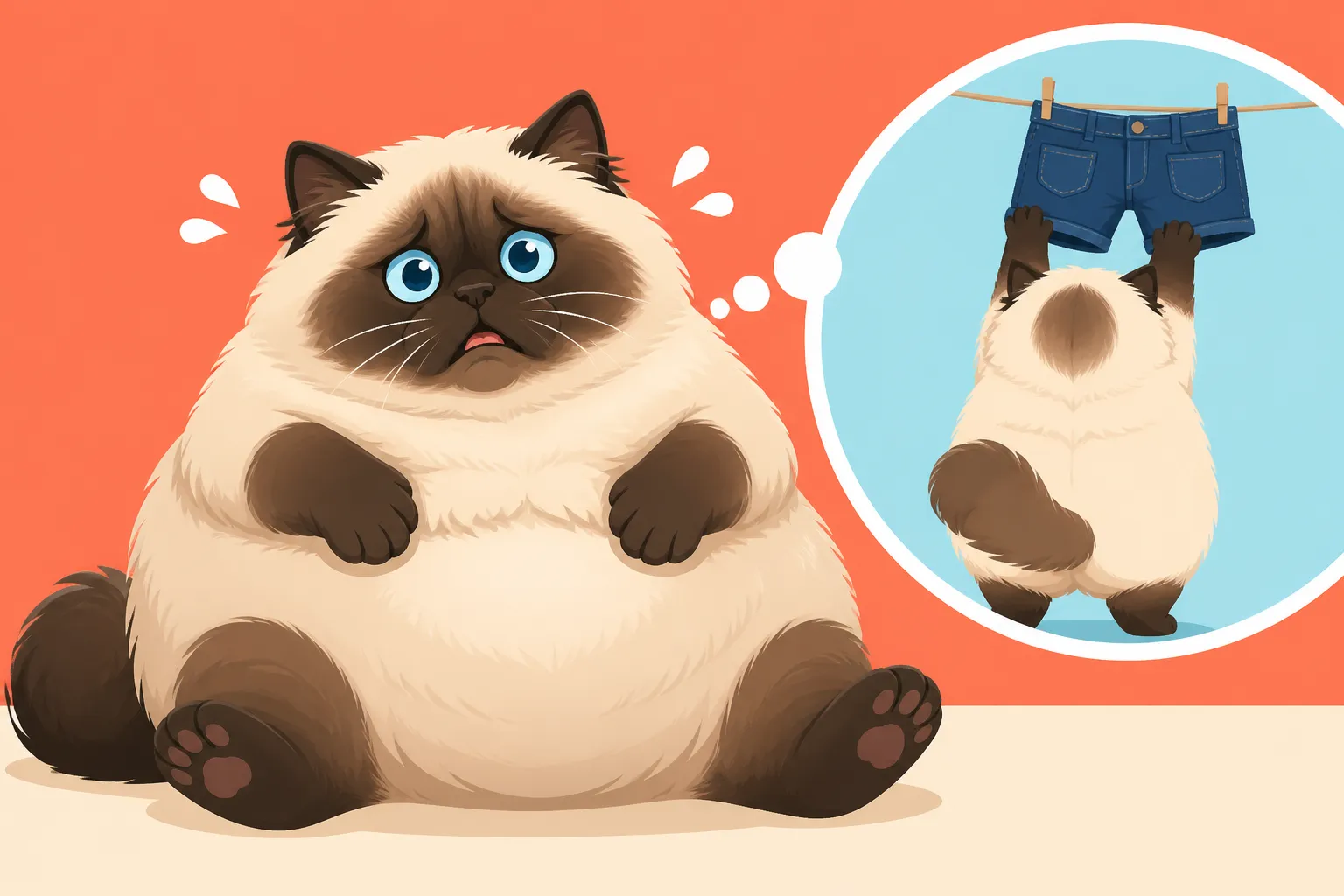
It's heartbreaking to see our beloved Himalayan cats struggle with everyday tasks, especially something as basic as grooming themselves. Many owners notice their otherwise meticulous feline friends simply can't reach certain spots, leading to mats and discomfort, particularly around their sensitive britches area. This guide is here to shed light on why an overweight Himalayan faces such a unique uphill battle with self-grooming and how we can best support them.
The Unique Physique and Coat of a Himalayan
Himalayan cats are truly magnificent creatures, a beautiful blend of the Persian's luxurious coat and the Siamese's striking point coloration. However, this unique heritage also comes with specific physical traits that can pose challenges, especially when compounded by extra weight.
Understanding the "Cobby" Body Type
The term "cobby" perfectly describes the Himalayan's compact, sturdy build. Think of a brick on four legs – solid, broad in the chest, with short, thick legs and a rounded midsection. This isn't a lithe, athletic breed designed for acrobatic leaps or contortions. While their cobby frame is part of their charm and breed standard, it naturally limits their flexibility. A leaner cat might easily twist and turn to reach every inch of its body, but a Himalayan's broad shoulders and shorter spine mean their range of motion is already more restricted. When trying to reach those difficult spots around their tail and hind legs – often referred to as their britches – they simply don't have the same anatomical leverage. It's like trying to touch your toes if you have a naturally stocky build; some movements are just harder.
The Luxurious, Demanding Persian Coat
Beyond their build, the Himalayan's signature feature is their long, flowing, double coat, inherited from their Persian ancestors. This isn't just any long hair; it's dense, fine, and incredibly prone to matting if not meticulously cared for. Around the britches, this fur can be particularly thick, often forming voluminous "pantaloons" or "skirts." This beautiful plumage, while stunning, acts almost like a physical barrier when grooming. Even a perfectly conditioned, agile Himalayan can find it a chore to work through such a dense thicket of fur. The oil and debris that naturally accumulate in this area, combined with the sheer volume of hair, make it a magnet for tangles. When you consider that a cat's tongue is its primary grooming tool, you can imagine how challenging it is to get that tongue through several inches of dense undercoat and guard hairs. For a healthy Himalayan, daily combing is essential, a routine that helps manage this demanding coat. This highlights why a regular grooming schedule, using the right tools like a steel comb, is non-negotiable for these cats.
How Excess Weight Exacerbates Grooming Difficulties
When a Himalayan carries extra weight, these inherent challenges are amplified dramatically, turning what was already a demanding grooming task into an almost impossible feat.
Restricted Mobility and Flexibility
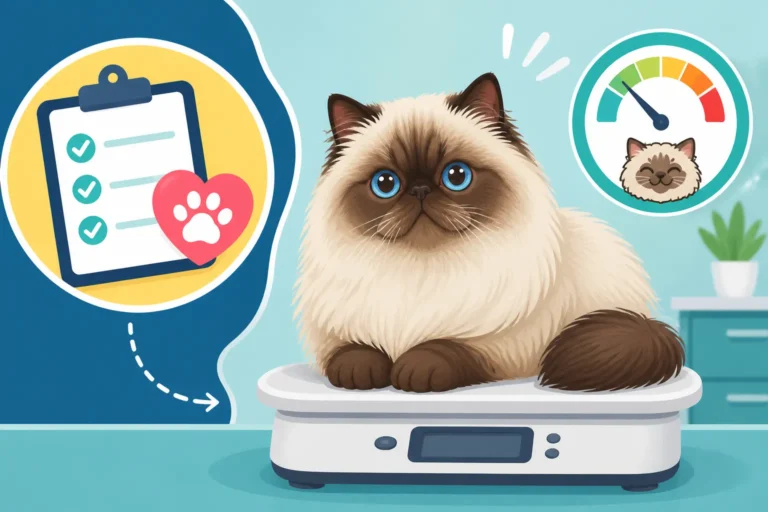
Imagine trying to tie your shoes with a heavy backpack strapped to your front, or bending over if you've put on a few extra pounds around your middle. That's a bit like what an overweight Himalayan experiences. The extra fat deposits around their abdomen, chest, and hips create literal physical obstructions. These rolls of fat make it incredibly difficult for them to bend and twist their bodies to reach their hindquarters. Their spine and joints, already under strain from carrying excess weight, become less flexible. What little natural range of motion they had is severely compromised. This means they simply cannot contort themselves enough to get their head and mouth to their britches, leaving that area entirely ungroomed. This physical limitation isn't laziness; it's a direct consequence of their body mass. Regularly feeling for your cat's ribs can help you gauge their weight and assess if they're within a healthy range.
Compounding the Problem: Fat Deposits and Skin Folds
Beyond general reduced flexibility, obesity introduces specific anatomical changes that further complicate grooming. As a Himalayan gains weight, fat doesn't just spread evenly; it often accumulates in distinct pouches and rolls. Around the lower back, tail base, and inner thighs, these fat deposits can create or deepen existing skin folds. These folds, especially in a long-haired breed, become prime breeding grounds for problems. They trap moisture, dander, fecal matter, and urine, creating a damp, dirty environment. This moisture and grime can lead to skin irritation, bacterial infections, and yeast overgrowth. The more pronounced these folds become due to weight, the harder it is for the cat (or even an owner) to clean them effectively, creating a persistent cycle of discomfort and potential health issues.
The Vicious Cycle of Poor Grooming and Skin Issues
This inability to self-groom due to weight issues sets off a detrimental chain reaction. First, the lack of grooming leads to severe matting in the britches area. Mats are not just unsightly; they pull on the skin, causing pain and restricting movement even further. They can become so tight they cut off circulation, or harbor parasites. As mats accumulate, the skin underneath becomes starved of air, irritated by trapped debris, and vulnerable to infection. We've seen countless cases where a matted Himalayan becomes a medical case requiring professional intervention. These skin infections can be intensely itchy and painful, prompting the cat to lick or bite at the area in frustration, which only exacerbates the problem, leading to open sores and further infection. It's a truly miserable situation for the cat, and it's why addressing weight and grooming proactively is so critical.
Practical Strategies to Help Your Overweight Himalayan
Seeing your Himalayan struggle is tough, but there are many proactive steps you can take to help them regain their comfort and health. It starts with a multi-faceted approach focusing on weight loss and dedicated grooming.
Prioritizing Weight Management Through Diet and Exercise
The cornerstone of helping an overweight Himalayan is effective weight management. This isn't about crash dieting, but rather a sustainable lifestyle change. Start by consulting your veterinarian. They can help you determine your cat's ideal weight, calculate a safe daily caloric intake, and recommend appropriate dietary changes. Often, this involves transitioning to a prescription weight-management food that is lower in calories but still provides essential nutrients.
Portion control is absolutely paramount. Resist the urge to free-feed. Instead, measure out meals precisely, often splitting the daily allowance into two smaller meals. Remember that a cobby Himalayan burns fewer calories sitting in one chair than a more active cat. Treats should be limited and account for no more than 10% of their daily calories. Look for low-calorie, high-protein options, or even use a portion of their daily kibble as treats.
Encouraging gentle exercise can be a bit tricky with a naturally sedentary breed like the Himalayan, especially when they're overweight. Focus on short, regular play sessions. Wand toys that allow them to swat and chase from a comfortable position can be effective. Try engaging them with laser pointers (always ending with a physical toy to "catch" to prevent frustration) or rolling balls. Even encouraging them to walk a few extra steps for their food bowl can make a difference. Consider getting interactive puzzle feeders, which can slow down eating and provide some mental stimulation, as long as your flat-faced Himalayan can actually use them. It takes time, so be patient, as it takes time for a cobby Himalayan to lose weight, but consistency is key.
Implementing a Dedicated Grooming Routine
Since your overweight Himalayan physically cannot reach their britches, you become their primary groomer for that area. This isn't optional; it's a necessary part of their care.
- Daily Brushing/Combing: This is non-negotiable. Focus heavily on the britches, tail, and inner thigh areas. Use a good quality steel comb to get through the dense undercoat and prevent mats from forming. Start slowly, in short sessions, and reward your cat with treats and praise to make it a positive experience.
- Trimming the Britches: Many owners find it incredibly helpful to trim the fur around the britches and anus. A sanitary trim helps keep the area cleaner by preventing fecal matter from clinging to the fur and reducing the risk of urine scalding. Always use blunt-nosed grooming scissors and be extremely cautious, pointing the scissors away from the skin. If you're uncomfortable, a professional groomer or vet tech can easily perform this trim.
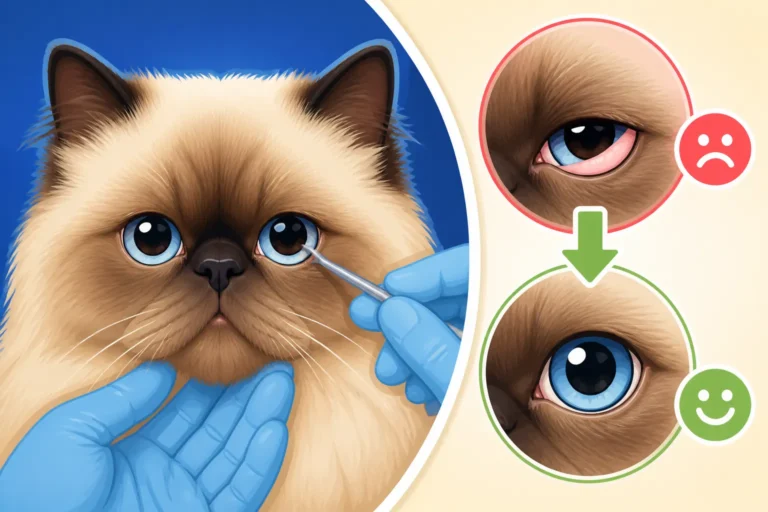
- Wiping and Cleaning: If your cat has already soiled the area, gentle cleaning is necessary. Use pet-safe, unscented wipes or a damp cloth with warm water. Ensure the area is thoroughly dried afterwards to prevent skin irritation and fungal growth in those deep folds. For persistent issues, your vet might recommend specific medicated wipes or shampoos. This is particularly important for how tear staining marks a Himalayan's pale body coat, and similar staining can occur in their britches.
- Professional Grooming: Don't hesitate to seek professional help. A skilled groomer specializing in long-haired breeds can often handle matted areas safely and give your cat a fresh start with a good trim, even a "lion cut" if necessary. They can also offer advice on at-home maintenance.
Seeking Veterinary Guidance and Support
Your veterinarian is your most valuable partner in this journey. They can rule out any underlying medical conditions contributing to weight gain or poor grooming, such as hypothyroidism (though less common in cats than dogs), arthritis, or other mobility issues. They can provide tailored advice on diet and exercise, and track your cat's progress safely. They can also diagnose and treat any secondary skin infections or mat-related injuries that have already developed. Pet insurance providers like Healthy Paws can be invaluable here, helping to cover unexpected vet costs related to weight loss complications or recurring skin issues, ensuring you can always provide the best care without financial stress. Regular check-ups allow your vet to monitor overall health and address any emerging concerns, even for a Himalayan whose points have gone dark.
Beyond the Britches: Other Health Implications of Obesity
While difficulty grooming the britches is a visible and distressing symptom of obesity in Himalayans, it's crucial to understand that excess weight impacts their entire well-being. The consequences extend far beyond hygiene, affecting their quality of life and longevity.
Increased Risk of Joint Problems and Diabetes
The cobby build of a Himalayan already means their joints carry a significant load. When you add extra pounds, this burden increases exponentially, leading to excessive wear and tear on cartilage and ligaments. Over time, this often results in or exacerbates painful conditions like arthritis, particularly in the hips, knees, and spine. A cat with arthritic pain is even less likely to attempt grooming, creating a self-perpetuating cycle of discomfort and poor hygiene. Furthermore, obesity is a well-known precursor to feline diabetes. Just like in humans, excess fat cells can lead to insulin resistance, making the body unable to properly regulate blood sugar levels. Managing feline diabetes involves daily insulin injections, special diets, and regular veterinary monitoring, which is a significant commitment for any owner. This is another area where having comprehensive pet insurance from a provider like Healthy Paws can provide peace of mind, covering the ongoing costs of managing chronic conditions.
Respiratory Strain and Heat Intolerance
Himalayans, being a brachycephalic (flat-faced) breed, are already prone to respiratory challenges. Their shortened snouts, narrowed nostrils, and often elongated soft palates mean their airways are naturally constricted. They often snore louder than their Siamese ancestors, a common indicator of their unique respiratory structure. When an overweight Himalayan carries extra fat around their neck and chest, it puts additional pressure on these already compromised airways. This makes breathing more labored, especially during exertion or in warm environments. They overheat twice as fast as a Siamese, and obesity significantly compounds this risk. An overweight Himalayan will struggle much more to cool themselves down, making them highly susceptible to heatstroke. Even normal room temperatures can become uncomfortable for them. This respiratory strain also makes anesthesia a higher risk for these cats, an important consideration for any procedures they might need.
Disclaimer
Please remember that this guide provides general information and advice. Always consult with a qualified veterinarian for any health concerns or before making significant changes to your Himalayan cat's diet, exercise, or medical care routine. Every cat is an individual, and professional veterinary guidance is essential for their specific needs.