Why a Himalayan Will Not Cross the House to a Box
It's incredibly frustrating when your sweet Himalayan, usually so fastidious, suddenly starts having "accidents" outside the litter box, especially if that box feels like it's miles away in another room. You might wonder if they're mad at you, if they've forgotten their training, or if they're just being stubborn. But for Himalayans, there's often a very practical and empathetic reason behind this behavior, and understanding it is the first step to getting them back on track. This guide will explore the unique traits of your Himalayan that might make a "long walk" to the litter box an issue, the environmental factors at play, and how to create a more accessible and appealing litter solution.
Understanding the Himalayan's Reluctance to Travel for the Box
Himalayan cats, with their distinctive cobby bodies, luxurious long coats, and often flatter faces, are built a little differently than some of their more athletic feline cousins. These physical characteristics, combined with their generally placid and routine-loving personalities, can make a journey across the house feel like an insurmountable obstacle when nature calls.
The Cobby Body and Shorter Legs
One of the most endearing features of a Himalayan is their cobby build – a sturdy, compact body set on short, thick legs. While this gives them their signature look, it also means they aren't built for speed or long-distance dashes. Imagine needing to rush to the bathroom but having shorter legs and a heavier frame; it's just not as easy as it might be for a sleeker, more agile cat. As your Himalayan ages, this can become even more pronounced. Arthritis can set in, making those short trips painful or simply too much effort. Suddenly, what was once a manageable walk to the furthest litter box becomes an arduous expedition, especially if they are feeling a sudden urgency.
It's not about being lazy; it's about physical comfort and capability. A young, spry Himalayan might manage the trek, but as they mature, those joints and muscles might protest. This often goes unnoticed by us until an accident happens, because our cats are masters at hiding pain. They might simply choose the closest, most convenient spot over enduring discomfort for the "correct" location. Consider if your cat is showing other subtle signs of discomfort, such as reluctance to jump onto furniture they once loved, or a general slowing down. You might be seeing the first subtle hints of How Arthritis Shows in a Himalayan That Never Jumped.
Preference for Routine and Predictability
Himalayans thrive on routine and stability. They are creatures of habit, finding comfort in knowing exactly where things are, when meals happen, and what their day entails. A sudden change in furniture arrangement, a new pet, or even just a particularly busy week in the household can be enough to throw them off their stride. When it comes to something as vital as their litter box, any disruption to what they expect can cause anxiety. If the litter box was always in one spot, and now you've moved it slightly, or if its surroundings have changed, it can destabilize their sense of security.
This love for the predictable means that if they associate any negative experience with their litter box, such as startling noises nearby, a strong-smelling cleaner used in the room, or even just an infrequent cleaning schedule, they might start to avoid it. They're not being malicious; they're simply trying to find a more comfortable and predictable solution for themselves, which sometimes means choosing a spot that feels safer or more accessible in that moment. Their internal clock and comfort zone are very strong motivators.
Environmental Factors Making the Litter Box Seem "Too Far"
Sometimes, it's not the cat, but the environment that's creating the problem. Even the most dedicated Himalayan can be discouraged by subtle factors in their immediate surroundings or the design of their elimination station.
Box Location and Accessibility
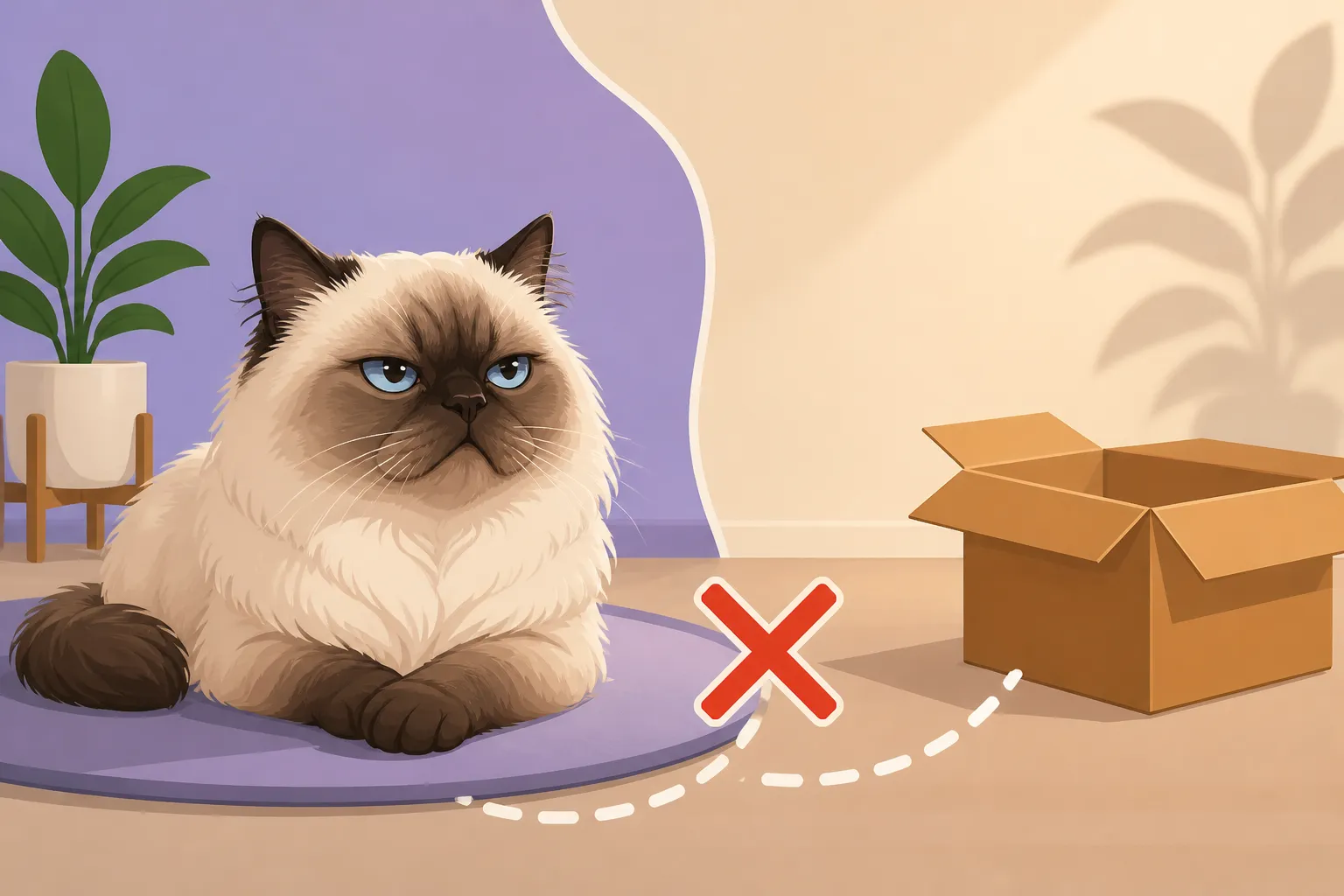
The placement of the litter box is paramount, especially for a Himalayan. What seems like a reasonable distance to you might be a significant journey for a short-legged cat, particularly if they are older or have underlying health issues. A common mistake is placing all litter boxes in a single, out-of-the-way location, such as a basement, laundry room, or far corner of the house. For a cat that spends most of its time upstairs or in a quiet living room, this could genuinely be "too far" when they need to go right now.
Think about where your Himalayan actually spends most of their time. If they have a favorite napping spot, there should ideally be a litter box relatively close by. Also consider the traffic flow to the box. Is the path to it frequently blocked by people, other pets, or noisy appliances? A laundry room might seem practical, but the sudden rumble of a washing machine can be enough to deter a sensitive cat. A quiet, easily accessible spot, with multiple boxes spread throughout the house, can make a huge difference. Why a Himalayan Will Not Cross the House to a Box is often less about distance and more about perceived obstacles.
Litter Box Type and Litter Preferences
The actual design of the litter box itself can be a major deterrent for a Himalayan. Many modern litter boxes, while sleek and aesthetically pleasing to us, are simply not designed with a cobby, short-legged cat in mind.
Consider these aspects:
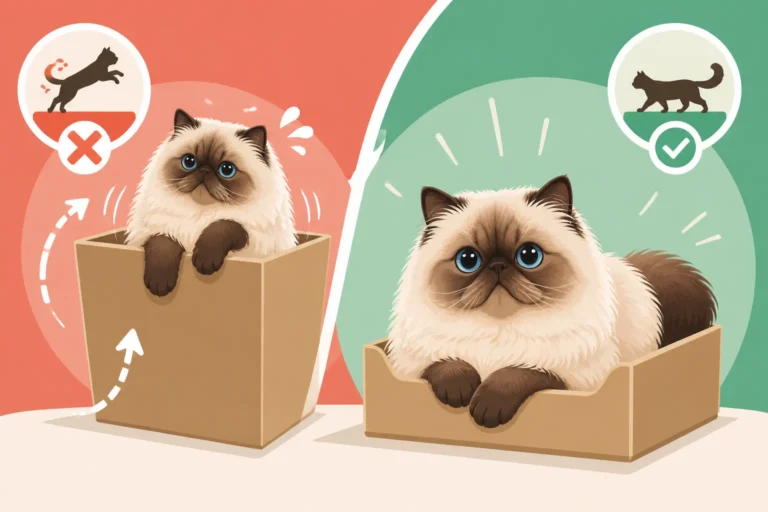
- High Sides: Boxes with very high sides might be difficult for a Himalayan to climb into, especially if they are arthritic or just prefer not to exert themselves more than necessary. It's like asking a small child to climb over a tall fence to use the restroom.
- Covered Boxes/Hoods: While great for containing odor and mess, covered boxes can feel claustrophobic or trap odors for a cat. Himalayans, with their sometimes more pronounced brachycephalic (flat) faces, may already have slightly compromised airways and might find a hooded box stuffy or uncomfortable. It also makes them feel vulnerable, as they can't easily see if another pet or person is approaching.
- Litter Type: Himalayans, like many cats, can be particular about their litter. Heavily scented litters, dusty formulas, or litters with a rough texture can be off-putting. Their long coats can also pick up certain types of litter easily, leading to discomfort or tracking. A fine, soft, unscented clumping litter is usually the preferred choice. You might even find that a low-dust option from a brand like Chewy or Amazon makes a world of difference, not just for their preference but for their respiratory health, too. What Low Dust Litter Costs a Himalayan Owner speaks to this concern.
| Litter Box Feature | Potential Issue for Himalayans | Ideal Solution for Himalayans |
|---|---|---|
| High Sides | Difficult to enter/exit, especially for older or arthritic cats. | Low-sided entry, or a box with a cut-out/ramp for easy access. |
| Covered/Hooded | Traps odors, feels claustrophobic, limits visibility, can be stuffy. | Open-top design for better air circulation and visibility. |
| Small Size | Restrictive for turning around, feeling exposed, or digging. | Large, spacious box allowing comfortable movement. |
| Litter Type (Scented) | Overpowering smell, artificial odors can be off-putting. | Unscented, natural litter. |
| Litter Type (Dusty) | Respiratory irritation, can cling to long coats. | Low-dust, fine-grained, soft texture litter. |
| Litter Type (Rough) | Discomfort on sensitive paw pads. | Soft, sand-like texture. |
Cleanliness Standards
This might seem obvious, but it's worth reiterating: Himalayans are meticulously clean creatures. A dirty litter box, even one with just a few clumps, can be enough to send them looking for an alternative. If you're dealing with multiple cats, or if your schedule has been particularly hectic, scooping might not be as frequent as it needs to be. For a Himalayan, a less-than-pristine box signals that it's no longer a suitable place to do their business. This isn't just about hygiene; it's about their instinctual drive to keep their elimination areas separate from their living and eating spaces.
A general rule of thumb is to scoop at least twice a day, and preferably more, especially if you have more than one cat. The entire box should be emptied, washed with mild soap and water, and refilled with fresh litter regularly – typically once a week or every two weeks, depending on the litter type and number of cats. If your Himalayan senses a foul odor or feels they can't find a clean spot, they will choose the plush rug in the living room over the offensive box every time.
Health Issues Mimicking "Distance" Problems
Sometimes, the issue isn't truly about the distance, but about a sudden need that makes any distance feel too far. Underlying health problems can manifest as inappropriate urination, making it seem like your Himalayan is just being difficult when they're actually in distress.
Urinary Tract Infections and Kidney Disease
One of the most common reasons a cat suddenly stops using the litter box, especially with urgency, is a urinary tract infection (UTI) or other bladder issues. A UTI can cause frequent urination, pain, and a sudden, overwhelming urge to go that simply can't wait for a long trek across the house. Your cat might associate the litter box with pain, even subconsciously, leading them to seek out other spots. They may also only produce small amounts of urine frequently, or strain to go.
Beyond UTIs, Himalayans, given their Persian heritage, are predisposed to certain kidney issues, notably Polycystic Kidney Disease (PKD). While PKD is now largely preventable through genetic testing, cats from untested lines, or older cats, can still develop kidney problems. Why Extra Thirst in a Himalayan Points at Its Persian Half highlights how kidney issues can lead to increased thirst and thus increased urination. Kidney disease can lead to increased frequency of urination and a diminished ability to hold their urine, meaning the need to go becomes more urgent and less controllable. If your Himalayan is drinking more than usual, losing weight, or seems lethargic, paired with accidents, a vet visit is absolutely crucial.
Mobility and Pain
As we touched on earlier, a Himalayan's cobby build and a predisposition to joint issues can make movement painful. If your cat is experiencing arthritis, hip dysplasia (though less common than in some other breeds), or even a temporary muscle strain, getting into a high-sided box or navigating a long, winding path can be excruciating. They might hold it until the last possible moment, only to find the "correct" box too difficult to reach or enter, forcing them to relieve themselves where they stand.
Observe your cat's movement carefully. Do they hesitate before jumping? Are they moving slower? Do they seem stiff after resting? Even subtle changes can indicate pain. Because cats are so good at hiding discomfort, you might not see overt limping. Instead, the accidents become the first obvious sign that something is wrong. A visit to the vet for a thorough physical examination, including palpation of their joints, might reveal a treatable source of pain that once alleviated, could resolve the litter box issue.
Other Medical Conditions
While UTIs and mobility issues are common culprits, other medical conditions can also contribute to inappropriate elimination. Diabetes can lead to increased thirst and urination, similar to kidney disease. Gastrointestinal issues, like inflammatory bowel disease or chronic diarrhea, can cause urgency that a long journey to the box simply won't accommodate. Cognitive dysfunction in older Himalayans can also lead to confusion about where the litter box is located or what it's for, essentially making the box "too far" in their confused minds.
Any sudden change in litter box habits warrants a trip to the veterinarian. It's so easy for us to assume it's behavioral, but often, the behavior is a symptom of an underlying medical problem. Don't delay; early diagnosis and treatment can prevent further complications and get your Himalayan feeling better and back to their routine. Remember, Why a Himalayan Hides Illness Behind an Expressionless Face means you might miss subtle cues.
Practical Solutions for Lure Your Himalayan Back to the Box
Once you've ruled out medical issues with your vet, or even while you're investigating them, there are many practical steps you can take to make the litter box more appealing and accessible for your Himalayan.
Strategic Placement of Additional Boxes
The simplest and often most effective solution is to increase the number of litter boxes and strategically place them throughout your home. The general rule of thumb is one litter box per cat, plus one extra, but for a Himalayan who struggles with distance, even more might be needed.
Here’s how to approach placement:
- High-Traffic Areas: Place a box in any room where your Himalayan spends a significant amount of time. If they love to nap in the sunniest spot in the living room, have a box nearby.
- Different Floors: If you have multiple levels in your home, ensure there is at least one box on each floor, ideally near their primary resting areas.
- Quiet Corners: While you want them accessible, avoid high-traffic or noisy areas. Look for quiet, semi-private corners that offer a sense of security.
- Accessibility: Ensure the path to the box is always clear and easy to navigate. No obstacles, no loud appliances that might suddenly startle them.
Remember, it's about making it impossible for them to fail. If an "accident" happens on the rug in the den, put a litter box on that very spot for a few days (if possible) or very close to it, to redirect the behavior.
Optimizing Litter Box Design and Litter Type
Re-evaluating your current litter box setup is crucial. For Himalayans, function often trumps aesthetics.
- Low-Sided Boxes: Switch to boxes with very low entry points. You can find large, storage bin-style containers that are shallow, or look for specific senior-friendly litter boxes that have a cut-out entryway. This will reduce any strain on their joints.
- Open-Top Design: Opt for uncovered boxes. This reduces trapped odors, improves visibility, and makes the cat feel less confined. A large, open box allows them to move around comfortably, dig, and choose a spot without feeling cramped.
- Size Matters: Ensure the box is generously sized. A good rule of thumb is that the box should be at least 1.5 times the length of your cat from nose to base of tail. This gives them ample room to turn around and dig without feeling constrained.
- Litter Preference: Experiment with different litters if you suspect it's a factor. Start with an unscented, fine-grained, soft clumping clay litter. Many cats prefer this texture. Brands available on Chewy or Amazon offer a wide variety, so you can test what your Himalayan prefers. Some cats prefer alternative litters like corn, paper, or silica gel, but always prioritize unscented and soft textures first. Which Litter Does Not Cling to a Himalayan's Britches is another consideration, as comfortable elimination is key.
Maintaining Impeccable Cleanliness
There’s no getting around this: a clean litter box is essential. Consistency is key here.
- Scoop Frequently: Scoop at least twice a day, ideally more if you have multiple cats or your Himalayan is particularly sensitive. This keeps odors down and ensures there's always a clean spot available.
- Regular Deep Cleaning: Once a week, completely empty the litter box, wash it with a mild, unscented soap and water, rinse thoroughly, and then refill with fresh litter. Avoid harsh chemicals or strong-smelling cleaners, as their lingering scent can be off-putting.
- Monitor Litter Level: Keep the litter level at a depth that allows for comfortable digging and covering—typically around 3-4 inches. Too shallow, and they might feel they can't bury their waste properly; too deep, and it might be harder for them to navigate.
By making the litter box an inviting, comfortable, and pristine environment, you drastically increase the chances your Himalayan will choose it over any other spot in the house. Sometimes, it’s just about making things as easy as possible for our beloved companions.
Disclaimer
This article is for general informational purposes only and does not constitute professional advice. Laws, prices and regulations vary by location and change over time. Consult a qualified professional for guidance on your specific situation.