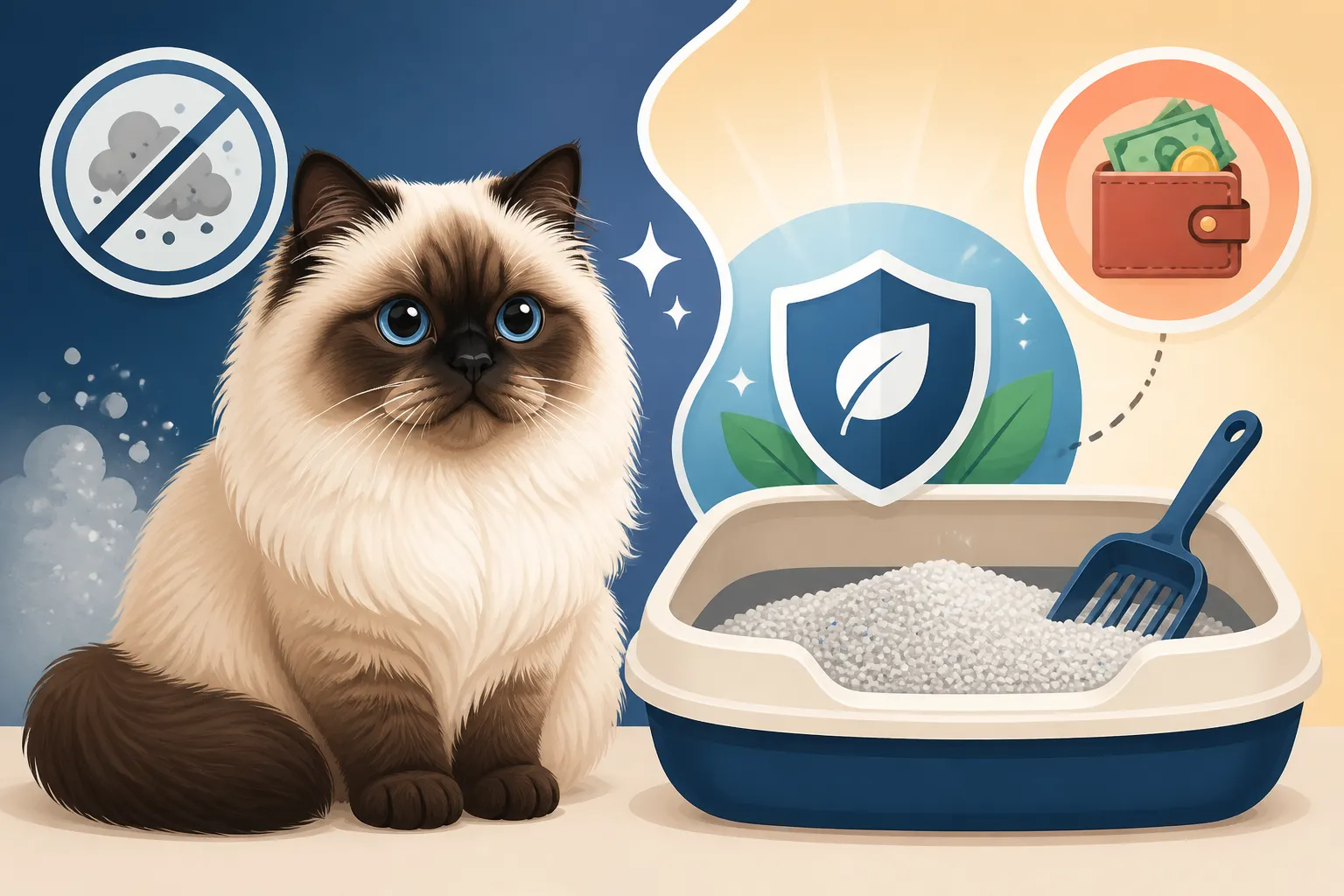
What Low Dust Litter Costs a Himalayan Owner
For any Himalayan cat owner, keeping their beloved feline friend healthy and comfortable is a top priority. However, the unique features that make Himalayans so endearing – their luxurious long coats, those strikingly beautiful blue eyes, and especially their distinctive flat faces – also present some very specific challenges. One common frustration that often gets overlooked until it becomes a real problem is the sheer amount of dust generated by conventional cat litter. This fine particulate matter isn't just an annoyance that settles on your furniture; it's a genuine health concern for a breed already prone to respiratory and eye sensitivities. This guide will walk you through why low-dust litter is an essential consideration for Himalayan owners, what it typically costs, and how to choose the best options to safeguard your cat's well-being.
Why Low Dust Litter Isn't Just a Preference for Himalayans
It’s easy to dismiss litter dust as just a minor household irritant, but for a Himalayan, it's a whole different ballgame. Their physiology, particularly their brachycephalic (flat) facial structure, means they interact with their environment in ways other cats simply don’t. What might be a harmless puff for another breed could lead to persistent issues for your gentle giant.
The Impact of Fine Dust on a Himalayan's Respiratory System
Imagine breathing in a cloud of fine powder every time you use the restroom. That's essentially what many Himalayans experience with high-dust litters. Their adorable flat faces mean their nasal passages and airways are already shortened and often narrower than those of cats with more conventional facial structures. This anatomical reality makes them particularly vulnerable to airborne irritants. Fine dust particles can easily be inhaled deep into their respiratory tracts, causing irritation to the delicate mucous membranes.
This irritation isn't just a momentary tickle; it can manifest as chronic sneezing, wheezing, coughing, and even exacerbate underlying respiratory conditions. If your Himalayan already snores louder than its Siamese ancestors or has occasional open-mouth breathing when playing, adding a constant source of fine dust to their environment is akin to inviting trouble. Over time, persistent exposure can lead to inflammation and increase the risk of more serious respiratory ailments. We invest so much in our cats' health, from careful breeding to regular vet checks; overlooking something as fundamental as the air quality around their litter box can undermine all that effort. You might find yourself wondering What a Well Built Himalayan's Breathing Sounds Like versus what you're hearing, and dust could be a silent culprit.
Protecting That Magnificent Himalayan Coat from Dust
One of the most defining features of a Himalayan is its opulent, flowing coat. It's a double-layered marvel, dense and silky, demanding daily grooming to keep it free of tangles and mats. However, this beautiful coat, especially the dense undercoat and the extensive ruff around their neck, acts like a magnet for fine litter dust. When your Himalayan digs, covers, and then exits the litter box, those tiny dust particles cling to their fur with tenacity.
This isn't just about aesthetics; a dusty coat quickly becomes dull, feels gritty, and can even contribute to skin irritation. The areas most affected are typically the britches around their hindquarters, their long tail, and their magnificent ruff. If you've ever tried to comb out the fine grey dust that embeds itself in their pale body coat, you know how frustrating it can be. Beyond looking unkempt, a dust-laden coat can lead to dryness, itchiness, and even provide a less-than-ideal environment for healthy skin. A truly beautiful Himalayan coat takes dedication, and part of that is minimizing external factors that compromise its luster and cleanliness. The daily comb is already a commitment; adding extra brushing just to remove litter dust is an added burden.
Eye Health and Tear Staining Concerns
Those captivating, deep blue eyes are another hallmark of the Himalayan breed, but they also require special attention. Many Himalayans have eyes that are somewhat prominent or have a facial structure that predisposes them to tear staining. Their shortened tear ducts often struggle to drain tears effectively, leading to overflow that runs down their face. This moist environment, combined with certain pigments in their tears, can result in the characteristic rust-colored or brown tear stains that are particularly noticeable on cream or white-bodied Himalayans. Why Tear Stains Are Worse on a Cream Bodied Himalayan is a reality many owners face.
When fine litter dust is added to this equation, the problem often worsens. Dust acts as an irritant to the delicate eye tissues, causing increased tear production as the eyes try to flush out foreign particles. More tears mean more moisture on the face, which in turn intensifies tear staining and creates a breeding ground for yeast and bacteria in the damp folds and fur around the eyes. This isn't just cosmetic; chronic eye irritation can be uncomfortable for your cat and, in severe cases, may even lead to conjunctivitis or other eye infections. Ensuring a low-dust environment is a crucial step in managing tear stains and maintaining overall eye health for your Himalayan.
Understanding the Different Types of Low Dust Litters
The good news is that manufacturers recognize the need for cleaner litter options, and the market now offers a variety of choices designed to minimize dust. Navigating these options can feel a bit overwhelming, but understanding the basic categories will help you make an informed decision for your Himalayan.
Clay Litters and Dust Control Formulations
Traditional clay litter, particularly clumping clay, has long been the standard. It's affordable, widely available, and generally effective at odor control and clumping. However, many conventional clay litters are notoriously dusty. The good news is that many brands have invested in advanced manufacturing processes to produce "low-dust" or "99% dust-free" clay formulas. These typically involve different processing methods, such as triple-screening or using larger, denser clay granules that are less prone to breaking down into fine powder.
Pros of Low-Dust Clay Litters:
- Familiarity: Most cats are already accustomed to the texture and feel of clay litter, making transitions easier.
- Clumping: They generally maintain excellent clumping ability, which aids in easy waste removal and odor control.
- Availability: Widely available in most pet stores and online retailers like Chewy.
- Cost-Effective: While slightly more expensive than basic clay, they are often still more budget-friendly than some alternative materials.
Cons of Low-Dust Clay Litters:
- Not Zero Dust: While significantly reduced, "low dust" doesn't mean "no dust." Some fine particles might still be present, especially during pouring or aggressive digging.
- Weight: Clay litter can be heavy, making it cumbersome to purchase and change.
- Scented Options: Many low-dust clay litters still come scented, which can be an irritant for sensitive Himalayans. Always opt for unscented if possible.
When choosing a clay litter, look for clear labeling that specifies "low dust," "reduced dust," or "99% dust-free." Reading reviews specifically from owners of brachycephalic breeds can also be incredibly helpful.
Alternative Litter Materials for Reduced Dust
Beyond specialized clay, a whole world of alternative litter materials has emerged, many of which inherently produce less dust. These options often come with their own unique benefits and considerations regarding absorbency, odor control, and environmental impact.
- Silica Gel (Crystal Litter): These litters consist of highly absorbent silica gel crystals. They are excellent at trapping moisture and odors.
- Dust Level: Generally very low dust.
- Pros: Lightweight, superior odor control, long-lasting (you only remove solids, stirring the crystals to expose fresh surfaces).
- Cons: Can be more expensive upfront, some cats dislike the texture, and if tracked, the crystals can be sharp underfoot.
- Paper Pellets: Made from recycled paper, these are often soft and absorbent.
- Dust Level: Extremely low dust.
- Pros: Environmentally friendly, gentle on paws, very low dust.
- Cons: Don't clump well (or at all), so entire litter boxes need more frequent changing to manage odor and hygiene. Can become mushy when wet.
- Wood Pellets (Pine or Cedar): Typically made from compressed sawdust. They have a natural wood scent that helps with odor control.
- Dust Level: Very low dust in pellet form. Some brands might break down into dust over time as they absorb liquid, so look for larger, firmer pellets.
- Pros: Natural odor control, environmentally friendly, often compostable.
- Cons: Don't clump, can be messy as they break down, some cats dislike the texture or strong wood scent.
- Corn or Wheat-Based Litters: Made from natural grains, these are often clumping and biodegradable.
- Dust Level: Generally low dust, though some brands can have more fine particulate matter than others.
- Pros: Clumping ability, flushable (check local regulations), natural and biodegradable, usually soft on paws.
- Cons: Can be more expensive, some cats are allergic to corn or wheat, and may be prone to attracting pantry pests if not stored properly. Brands like World's Best Cat Litter (corn-based) are popular choices in this category.
When exploring these alternatives, consider your Himalayan's preferences. Some cats are very particular about litter texture, and a sudden switch can lead to litter box aversion. A gradual transition, mixing new litter with old, is often the most successful approach.
The Financial Side: What Low Dust Litter Costs a Himalayan Owner
Let’s be honest: owning a Himalayan already comes with its own unique set of financial considerations, from the initial cost of a kitten from tested lines to the ongoing expenses of their specialized grooming needs. When it comes to litter, the phrase "you get what you pay for" often rings true, especially for low-dust options.
Price Point Comparisons Across Litter Types
Generally speaking, low-dust litters, regardless of whether they are enhanced clay or alternative materials, tend to carry a higher price tag per pound or per bag than their conventional, dustier counterparts. This premium reflects the additional processing, specialized materials, or advanced technology used to reduce dust and enhance other features.
Here's a general breakdown of how costs might compare:
| Litter Type | Typical Dust Level | General Price Range (per large bag/container) | Key Considerations for Himalayans |
|---|---|---|---|
| Conventional Clay | High | Lowest | Not recommended due to respiratory/eye risks |
| Low-Dust Clumping Clay | Low | Moderate | Good balance of cost, clumping, and dust reduction. Look for unscented. |
| Silica Gel (Crystal) | Very Low | Higher | Excellent dust/odor control, but texture might be disliked; higher upfront cost. |
| Paper Pellets | Extremely Low | Moderate to High | Very safe for respiratory health; poor clumping means frequent full changes. |
| Wood Pellets | Very Low | Moderate | Natural odor, low dust; can break down, no clumping. |
| Corn/Wheat Based | Low to Moderate | Moderate to High | Natural, clumping, biodegradable; potential for allergens. |
Remember that these are general ranges, and prices can fluctuate based on brand, retailer, bag size, and any sales or subscriptions (like those offered by Chewy). You might find that purchasing larger bags or signing up for recurring deliveries can reduce the per-unit cost. The initial sticker shock of a more expensive low-dust litter might be real, but it's important to view this as an investment in your Himalayan's health and comfort.
Long-Term Value and Health Savings
While low-dust litter might cost a bit more each month, it's crucial to consider the potential long-term savings and benefits, especially for a breed like the Himalayan. Think of it this way: what you save on cheaper, dustier litter might very well end up being spent (and then some) at the vet's office.
Potential Savings with Low-Dust Litter:
- Reduced Vet Visits for Respiratory Issues: If your Himalayan experiences less irritation from airborne particles, you might see fewer instances of sneezing fits, wheezing, or more severe respiratory distress requiring veterinary intervention. These visits, diagnostics, and medications can quickly add up.
- Fewer Eye Infections or Flare-ups: By minimizing eye irritation from dust, you can reduce the likelihood of conjunctivitis or other eye-related problems that require costly vet visits, prescription eye drops, or even specialized care. This also contributes to less tear staining, which, while cosmetic, can sometimes lead to skin issues if left unchecked.
- Improved Overall Comfort and Quality of Life: A cat that can breathe easily and whose eyes aren't constantly irritated is a happier, more comfortable cat. This contributes to their overall well-being, allowing them to enjoy their calm, affectionate nature to the fullest.
- Less Intensive Grooming: While daily combing for a Himalayan is non-negotiable, a less dusty coat might mean slightly easier brushing and less effort required to remove embedded particulate matter, saving you time and frustration. What Daily Combing Costs a Himalayan Owner in Time is already substantial, so any reduction in effort is a win.
Considering the potential for reduced veterinary bills and a happier, healthier cat, the slightly higher cost of low-dust litter often proves to be a wise investment. It's part of the comprehensive care package that defines responsible Himalayan ownership, much like considering pet insurance from providers like Healthy Paws for broader health coverage.
Practical Tips for Choosing and Using Low Dust Litter
Bringing home a Himalayan means embracing a certain level of dedicated care, and that extends right down to their litter box habits. Choosing and managing low-dust litter effectively can make a significant difference in their daily comfort and long-term health.
Selecting the Right Brand and Formula
With so many options on the market, how do you pick the right low-dust litter for your unique Himalayan? It often comes down to a bit of trial and error, but here are some pointers to guide your decision-making:
- Read Labels Carefully: Look for explicit claims like "99% dust-free," "ultra low dust," or "hypoallergenic." Don't just assume a premium brand means low dust; always verify the claims.
- Opt for Unscented: While a fresh scent might appeal to human noses, artificial fragrances are often respiratory irritants for cats, especially those with sensitive airways like Himalayans. Stick to unscented formulas to minimize potential issues.
- Consider Texture Preference: Some cats are incredibly particular about the texture of their litter. If your Himalayan has always used a fine-grained clay litter, a sudden switch to large paper pellets might be met with resistance. You may need to experiment with different textures or mix litters initially.
- Test Small Bags First: Instead of committing to a giant, expensive bag of a new type, try purchasing the smallest size available. This allows you to test your cat's acceptance and observe the actual dust levels in your home before making a larger investment.
- Monitor Your Cat's Reaction: After switching, pay close attention to your Himalayan. Are they sneezing less? Do their eyes seem clearer? Are they using the box consistently? These are all indicators of whether the new litter is a good fit.
Remember that brands stocked by retailers like Chewy often have extensive customer reviews, which can provide valuable insights from other cat owners, including those with brachycephalic breeds.
Managing Litter Boxes to Maximize Dust Reduction
Even with the best low-dust litter, good litter box management practices are essential to keep your Himalayan's environment as clean and healthy as possible.
- Choose the Right Box: Opt for a spacious litter box with low sides, which makes it easier for your short-legged, cobby Himalayan to enter and exit comfortably. Covered boxes can help contain dust somewhat, but ensure adequate ventilation so odors and any trapped dust don't concentrate inside. Why a Short Legged Himalayan Needs a Low Sided Box is key for accessibility.
- Maintain Adequate Litter Depth: A depth of about 3-4 inches (7-10 cm) allows your Himalayan to dig and cover effectively without constantly hitting the bottom, which can kick up more dust.
- Scoop Frequently: Daily (or even twice daily) scooping of solids and clumps is paramount. This not only keeps the box clean and reduces odor but also removes waste before it can break down and potentially contribute to finer dust particles.
- Change Litter Completely and Clean Regularly: Even with diligent scooping, the entire litter box should be emptied, washed with mild, unscented soap and water, and refilled with fresh litter every 1-2 weeks. This prevents accumulation of microscopic dust, bacteria, and residual odors.
- Consider Litter Mat Placement: A good litter mat placed outside the box can significantly reduce tracking of litter particles (and thus dust) throughout your home. Look for mats with deep grooves or mesh to trap particles effectively.
- Ventilation: Ensure the litter box area is well-ventilated, whether through an open window, a fan, or simply by being in a larger room. Good airflow helps dissipate any airborne particles and odors.
- Mind Your Pour: When refilling the litter box, pour the litter slowly and close to the box to minimize the initial puff of dust.
By combining a thoughtfully chosen low-dust litter with conscientious litter box management, you create an optimal environment for your Himalayan, mitigating risks to their sensitive respiratory system and delicate eyes. This holistic approach to care, from choosing the right food bowls for their flat face to understanding the best diet for their specific needs, such as wet food options, ensures your cherished companion lives a long, happy, and healthy life.
Disclaimer
This article is for general informational purposes only and does not constitute professional advice. Laws, prices and regulations vary by location and change over time. Consult a qualified professional for guidance on your specific situation.