Which Himalayan Point Color Takes Longest to Breed
It's incredibly frustrating when you fall in love with a particular Himalayan point color, only to find out it's incredibly rare or seems to take ages for breeders to produce. You might be wondering why some of these stunning variations aren't as readily available as others, and what makes certain colors a real labor of love for dedicated breeders. This guide is here to shed some light on the genetics and the sheer effort behind bringing those rarer Himalayan point colors into the world, helping you understand the patience involved in developing truly exquisite lines.
The Science of Himalayan Point Colors: Why Some are More Elusive
Before we dive into which colors take the longest, it's really helpful to understand the basic science behind Himalayan point coloration. It’s all down to a specific gene, often called the "Himalayan gene" or "colorpoint gene," which is actually a temperature-sensitive form of albinism. This gene causes pigment to only develop in cooler parts of the cat's body – typically the extremities like the ears, face mask, paws, and tail – while the warmer body core remains a paler shade. Every single Himalayan carries two copies of this recessive gene; it's what makes them a Himalayan! Which Gene Makes a Himalayan Pointed
But beyond the basic point pattern, we have the actual color of those points. This is where other genes come into play, modifying the base black or red pigments. Think of it like a paint mixing palette. You start with primary colors, and then you add modifiers to create endless shades. For Himalayans, the primary pigment is black, which gives us the classic seal point, or red, which gives us flame points. Then, other genes can dilute these colors, turn them into different hues, or even add patterns. Breeders spend years, even decades, carefully selecting breeding pairs to achieve specific color outcomes, often juggling multiple genetic factors at once. It’s not just about getting a point color; it’s about getting the right shade and intensity of that point color, with excellent contrast against the body coat, which is where the real challenge lies.
Understanding Dilution and Modifier Genes
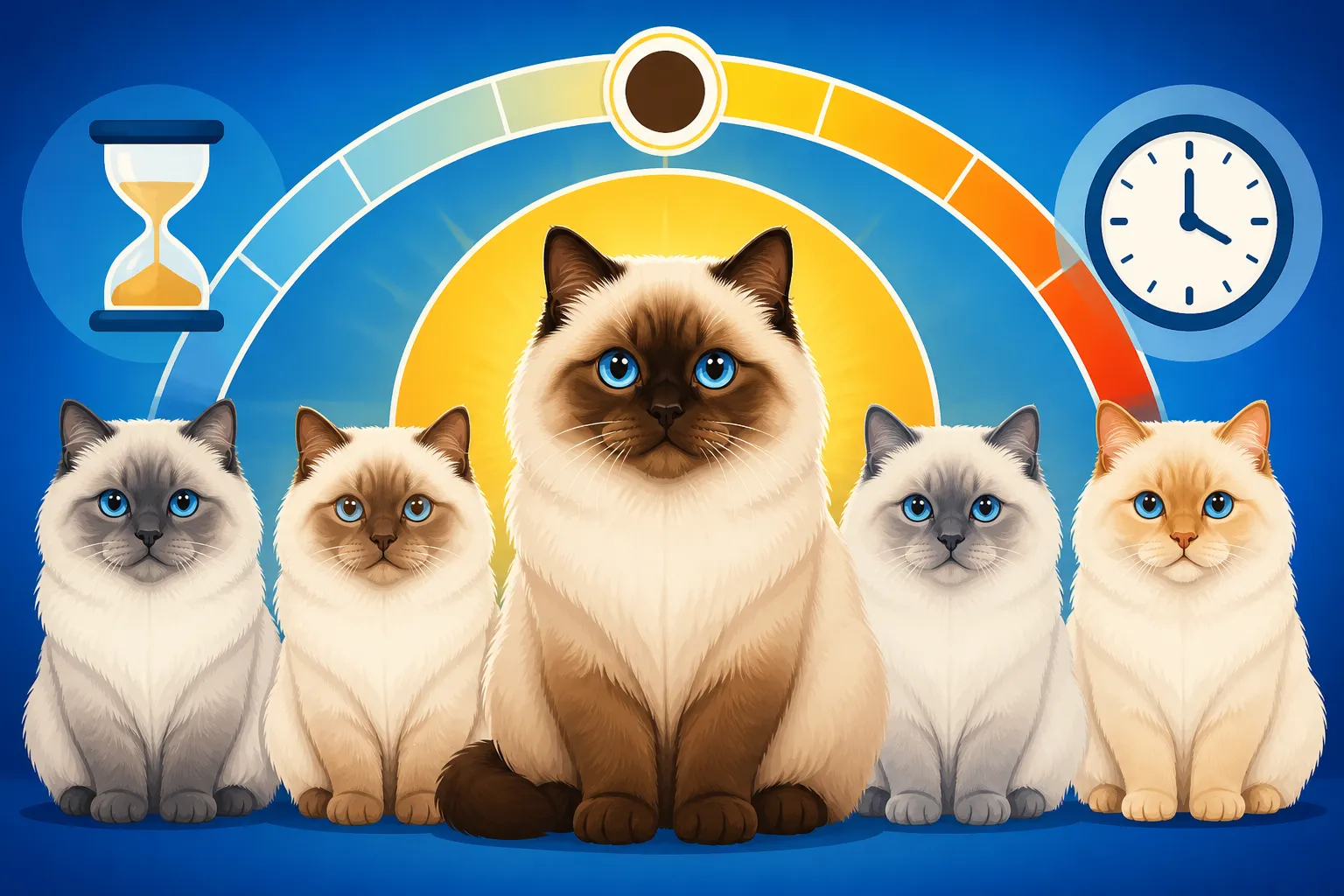
The genetic journey to a specific Himalayan point color is fascinating, and it often involves understanding how dilution genes work. Imagine you have a rich, dark seal point. That's essentially black pigment. Now, introduce a "dilute" gene. This gene acts like adding white paint to a dark color, literally diluting the pigment. If a cat inherits two copies of the dilute gene, a seal point becomes a blue point, which is a softer, greyish version of black. Similarly, a flame (red) point, when diluted, becomes a cream point. These dilute genes are recessive, meaning a cat needs to inherit a copy from both parents to express the diluted color. This immediately adds a layer of complexity for breeders, as both parents must either express the dilute color themselves or be carriers of the gene without showing it.
Further modifiers can twist these colors even more. The "chocolate" gene, for instance, transforms black pigment into a warm, rich brown. And if you then apply the dilute gene to chocolate, you get lilac, a beautiful, delicate pinkish-grey. The chocolate and lilac genes are also recessive, and they are located at a different genetic locus than the basic dilute gene. This means a cat needs to inherit specific combinations of these genes – often three or four recessive genes working in concert – to express these rarer colors. Breeding for these specific combinations requires meticulous record-keeping, extensive genetic testing, and a deep understanding of feline pedigrees. It’s a multi-generational commitment to reach consistency, far more complex than just breeding two seal points together and hoping for the best.
The Long Road to Chocolate and Lilac Points
When it comes to point colors that truly take a long time and immense dedication to establish consistently, chocolate point and lilac point Himalayans are usually at the top of the list. These colors aren't just a matter of dilution; they involve another distinct recessive gene that modifies the basic black pigment.
Why Chocolate Points are a Breeder's Challenge
Chocolate points are a magnificent color, rich and warm, but they are genetically more complex to produce than seal or blue points. The gene responsible for chocolate is recessive, just like the dilute gene, but it's a separate entity. This means for a kitten to be a chocolate point, it must inherit two copies of the chocolate gene and two copies of the Himalayan point gene. If a cat only carries one copy of the chocolate gene, it will appear as a black-based cat (like a seal point), but it will be a "chocolate carrier." Why a Chocolate Point Himalayan Is Hard to Breed
The real difficulty lies in starting a breeding program for chocolate points if your existing lines don't carry the gene. You often need to introduce a cat that is either a chocolate point themselves or a known carrier, and then slowly breed that trait into your line, carefully testing each generation. This can take many years and multiple generations. Imagine finding a perfect breeding cat with excellent type and temperament, only to discover it doesn't carry the chocolate gene. Then you have to find another cat that does, ensuring it also meets all your other stringent breeding criteria. This selective process, combined with the recessive nature of the gene, means that litters may only produce a few chocolate points, making it a slow and often expensive endeavor to build a consistent chocolate point line. The goal isn't just to produce a chocolate point, but to produce high-quality chocolate points reliably.
The Delicacy of Lilac Points
If chocolate points are challenging, then lilac points often represent the pinnacle of genetic precision and patience for many Himalayan breeders. Lilac is essentially the diluted version of chocolate. So, to produce a lilac point, a kitten must inherit two copies of the Himalayan point gene, two copies of the chocolate gene, and two copies of the dilute gene. That's a total of six specific recessive genes that need to align perfectly from both parents. Why a Lilac Point Himalayan Is the Palest of All
Think about the odds! Both parents must carry the chocolate gene (or be chocolate points themselves), and both must carry the dilute gene (or be blue/cream/lilac points). This multi-recessive inheritance pattern makes consistently breeding lilac points incredibly difficult. Breeders must track these genes through generations, often requiring DNA testing to confirm carrier status, especially for new breeding stock. The process often involves starting with chocolate point parents that are also dilute carriers, or blue point parents that are also chocolate carriers, and working painstakingly over several years to ensure enough offspring carry the desired combination to establish a stable breeding line. It's a true testament to a breeder's long-term vision and genetic expertise, and why you often see these delicate, pale beauties command such attention.
Other Challenging Point Colors to Develop
While chocolate and lilac points are often the most cited for their genetic complexity, other point colors present their own unique challenges and can also take significant time and effort for breeders to consistently produce. These include the intricate tortie points, the patterned lynx points, and even the vibrant flame (red) points.
The Complexity of Tortie and Lynx Points
Tortie point Himalayans are striking with their patches of red/cream and black-based colors (like seal, blue, chocolate, or lilac) on their points. The genetic twist here is that the gene for red/cream color is sex-linked, carried on the X chromosome. Because females have two X chromosomes (XX) and males have one (XY), a female cat can inherit both black and red color genes, resulting in a tortie pattern. Males, with only one X chromosome, can only express either black or red, not both, unless there's a rare genetic anomaly. This means that if you're specifically breeding for tortie points, you're primarily working with female offspring. To get truly beautiful, well-defined tortie patches on the points, breeders must carefully select parents with the right combination of color genes and sometimes even specific modifier genes that influence the size and distribution of the red/cream patches. It's not just about getting the color; it's about getting the pattern to present beautifully on the points, which can take generations to perfect.
Lynx points, often called tabby points, add another layer of complexity because they involve the tabby (agouti) gene. This gene causes the colored hairs to have bands of pigment, creating stripes, rings, and pencil lines on the points, much like a wild tabby cat. The agouti gene is dominant, meaning only one copy is needed for the tabby pattern to be expressed. However, to produce a really clear, well-defined lynx point pattern, a breeder needs to select for strong tabby markings, ensuring the "stripes" are visible and distinct against the paler background of the points. This is often more about visual selection and knowing your lines' genetic tendencies rather than simply the presence of a recessive gene. Furthermore, you can have lynx points in any of the base colors: seal lynx, blue lynx, chocolate lynx, lilac lynx, flame lynx, and cream lynx. Combining the agouti gene with the dilution, chocolate, and red genes means juggling multiple genetic factors simultaneously, which can certainly extend the time it takes to consistently produce stunning examples of specific lynx point colors.
Fine-Tuning Flame Points
Flame point Himalayans, with their fiery orange-red points, might seem straightforward – after all, red is a basic cat color. However, breeding truly outstanding flame points, with deep, vibrant color and excellent contrast against a creamy body, can still take considerable time and effort. The gene for red color can be tricky. Sometimes, the red pigment can cause "ghost tabby" markings even in cats that are genetically non-agouti (solid color), meaning they can look like a faint tabby even if they aren't. Breeders work to minimize these ghost markings for a truly solid-looking flame point.
Moreover, the intensity of the red can vary. Some flame points have a paler, more apricot hue, while others achieve a rich, deep red. Breeders aiming for that intense, saturated flame color will carefully select for parents that exhibit the strongest red pigmentation. This often involves understanding which other genes in the cat's ancestry might be subtly influencing color depth. Environmental factors can also play a role, as cats in warmer climates may have paler points. So, while the red gene itself is relatively common, achieving perfection in a flame point Himalayan's color and contrast is still a long-term project that requires a keen eye and consistent breeding goals across generations.
The Breeder's Investment: Time, Cost, and Rarity
It’s easy to look at a beautiful Himalayan and not fully grasp the sheer amount of work, knowledge, and financial investment that goes into creating those specific, desired traits, especially for the rarer point colors. When a breeder talks about a color taking "longest to breed," it's not just a casual comment; it reflects years of effort, strategic planning, and often significant monetary outlay.
| Point Color | Base Color | Modifiers Involved | Breeding Difficulty |
|---|---|---|---|
| Seal Point | Black | Himalayan (temperature-sensitive) | Relatively common; foundational for other colors. |
| Blue Point | Black | Himalayan + Dilute (recessive) | Common; requires both parents to carry dilute or be blue. |
| Flame (Red) Point | Red | Himalayan + Red (sex-linked) | Moderate; variable intensity, potential for "ghost tabby" markings. |
| Cream Point | Red | Himalayan + Red + Dilute (recessive) | Moderate; diluted flame, can be challenging to get strong contrast. |
| Chocolate Point | Brown (modified black) | Himalayan + Chocolate (recessive) | High; requires both parents to carry chocolate or be chocolate points. Takes generations to establish. |
| Lilac Point | Pinkish-grey (modified brown) | Himalayan + Chocolate + Dilute (recessive) | Very High; requires both chocolate and dilute genes from both parents. Extremely challenging to consistently produce. |
| Tortie Point | Black & Red | Himalayan + Red (sex-linked) + Black | High; only females (usually), requires specific gene combination for balanced patching. |
| Lynx (Tabby) Point | Various | Himalayan + Agouti (dominant) | Moderate to High; combines with other colors, focus on clear, distinct tabby markings. |
The Unseen Costs and Dedication of Breeding
The time and cost involved in breeding specific point colors are substantial. For a breeder to introduce and consistently produce a rare color like chocolate or lilac, they often have to invest in carefully selected breeding stock. This might mean importing a cat from another country with established lines of that color, which involves considerable expense for the cat itself, shipping, and quarantine. Once they have these foundation cats, there's the cost of DNA testing to confirm not just the presence of the Himalayan gene, but also the chocolate, dilute, and other relevant modifier genes. What Testing a Himalayan for PKD and the Eyes Costs This isn't a one-time thing; testing might be ongoing to confirm offspring genotype and guide future breeding choices.
Beyond the initial investment, there are the daily costs associated with maintaining a healthy cattery. High-quality nutrition is paramount, and specialized diets that support coat health and overall well-being are crucial for breeding cats. Regular veterinary care, including check-ups and preventative screenings for conditions like Polycystic Kidney Disease (PKD) and Progressive Retinal Atrophy (PRA), are non-negotiable ethical responsibilities. Which Two Tests Belong on Every Himalayan Pedigree All of these factors contribute to the true cost and the length of time it takes to develop a reputable line that consistently produces healthy, type-correct cats with desirable point colors. It's a passion, certainly, but also a serious commitment of resources.
Why Rarity Impacts Price and Availability
Because certain point colors require such a specific and often multi-generational breeding strategy, they naturally become rarer and, consequently, more expensive. When a breeder has invested years and significant funds into developing a line that can consistently produce stunning chocolate or lilac points, the price of these kittens will reflect that enormous effort. It's not just about the cost of raising an individual kitten; it's about recouping the investment in the entire breeding program, from acquiring foundation stock to genetic testing and ongoing care. Why Point Color Sets a Himalayan's Price More Than Type
Furthermore, the demand for these rarer colors often outstrips supply, leading to longer waitlists for potential owners. You might find that a breeder has reservations for specific colors booked months or even years in advance. This rarity is a direct consequence of the genetic hurdles involved, the careful selection processes, and the limited number of litters that can realistically be produced by responsible breeders each year. If you're set on a specific, rare point color, understanding this journey helps you appreciate why finding one takes patience and why it's worth the investment in a kitten from a reputable breeder who has put in the work. It's a testament to the beauty and complexity of Himalayan genetics, and the dedication of those who strive to bring these extraordinary colors to light. What a Himalayan From a Show Cattery Costs
Disclaimer
This article is for general informational purposes only and does not constitute professional advice. Laws, prices and regulations vary by location and change over time. Consult a qualified professional for guidance on your specific situation.