Why Point Color Sets a Himalayan’s Price More Than Type
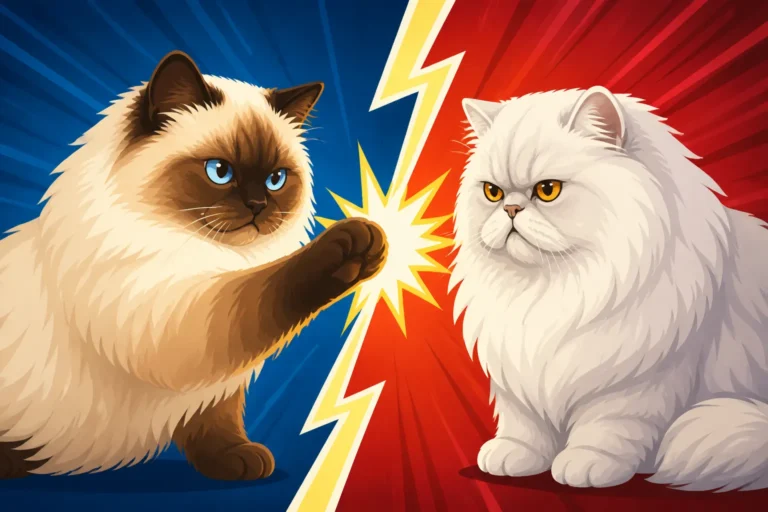
When you’re dreaming of bringing home a beautiful Himalayan cat, it’s easy to get caught up in visions of that perfectly flat, adorable "Peke face" or the sweeter, more traditional "Doll face." Many prospective owners assume that the extreme flatness or classic look of the cat's face — what we often call "type" — will be the biggest factor in determining the price tag. But the truth is, while a cat's face does play a role, it's often the subtle yet striking shades of their "points" – their ears, face mask, paws, and tail – that truly set a Himalayan's price more than its overall facial type. This guide will explore why point color often trumps facial type in the intricate world of Himalayan cat pricing.
Understanding Himalayan Pricing Fundamentals
Before we dive deep into point colors, let's understand that the price of a Himalayan kitten isn't just pulled out of thin air. It’s a complex blend of genetics, breeder investment, market demand, and even geographical location. Many factors contribute, and sometimes, what you think is the most important element isn't necessarily the one commanding the highest premium. It’s a common misconception, especially for those new to the breed, to focus solely on the visual aspects of the face, imagining that a rarer "type" would automatically mean a higher price.
The pricing structure reflects the breeder's dedication, expertise, and the very real costs involved in ethical breeding. This isn't like buying a mass-produced item; each kitten is the result of careful planning, health screening, and countless hours of care. When you see a price, it's a reflection of a journey, not just a transaction. Understanding these fundamentals helps you appreciate the true value of your future companion, beyond just their pretty face.
Beyond the "Cute Factor": Real Price Drivers
It's undeniable that a Himalayan's endearing "cute factor" is what draws many of us in. Their plush coats, striking blue eyes, and often placid dispositions make them incredibly appealing. However, responsible breeders base their pricing on much more than just cuteness. One of the primary drivers is the health and genetic background of the lineage. Breeders invest heavily in ensuring their breeding cats are free from hereditary diseases, a critical aspect of animal welfare. This means paying for genetic testing, veterinary check-ups, and often, stud fees for champion lines that bring desirable traits, including robust health. This focus on health and genetics is paramount, as Every Himalayan Inherits Two Disease Lists, Not One.
Another significant factor is the quality of the breeding stock itself. Are the parent cats show champions? Do they consistently produce kittens that meet the breed standard in terms of temperament, coat quality, and overall conformation? These distinctions elevate the value of a kitten. The time and effort involved in showing cats, traveling to breed-appropriate mates, and maintaining a top-tier cattery environment all contribute to the final price. These are not insignificant costs, and they are essential for producing well-socialized, healthy kittens.
The Illusion of "Type" Versus Actual Market Value
When people talk about "type" in Himalayans, they often refer to the facial structure – specifically the difference between the "Doll face" (a more traditional, less extreme facial structure with a discernible nose) and the "Peke face" (the extremely flat, brachycephalic profile often seen in show lines). While some buyers express a strong preference for one over the other, and Why a Doll Face Himalayan Commands a Premium is a real thing, the actual market value isn't solely dictated by this. In many cases, the demand for a specific face type fluctuates, but the foundational elements of price remain tethered to other factors.
The perception that one "type" is inherently more valuable can be misleading. A well-bred Doll face Himalayan from excellent lines, with rare or highly desirable point colors, might easily command a higher price than a Peke face Himalayan from a less esteemed background or common point colors. The market, especially among discerning buyers, often prioritizes the overall health, temperament, and genetic integrity of the cat, alongside the specific point color, over just the degree of facial flatness. It's about the complete package, not just one defining feature.
The Dominant Role of Point Color in Valuation
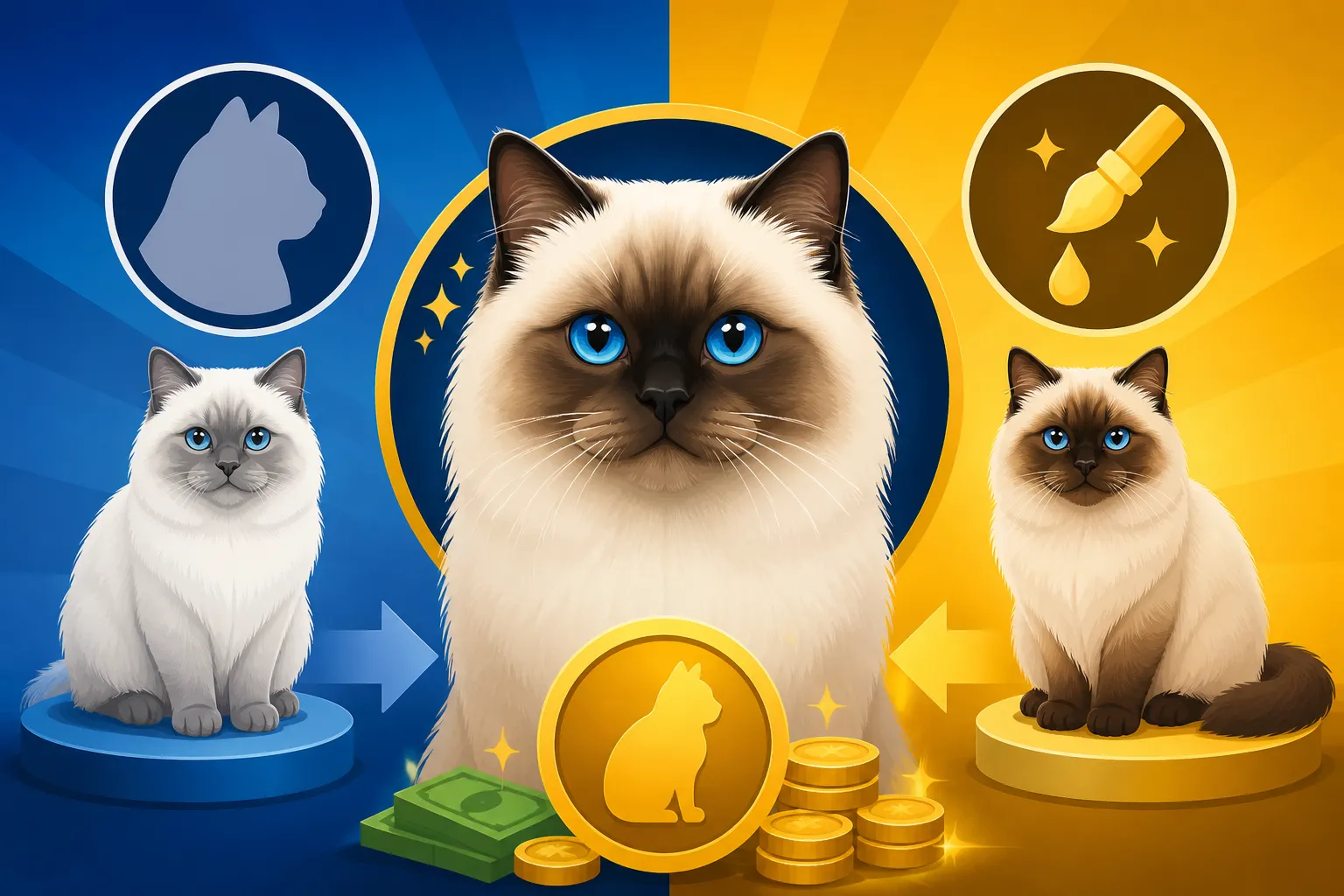
So, if facial type isn't always the top price driver, what is? More often than not, it's the cat's point color. Himalayan cats are renowned for their striking colorpoint pattern, meaning their bodies are a lighter shade, while their extremities (face mask, ears, paws, and tail) are darker. These "points" come in a dazzling array of colors, from classic Seal Point to rarer Chocolate, Lilac, Flame, and Lynx Points. The genetics behind these colors, their rarity, and the aesthetic demand for certain shades play a much more significant role in determining a kitten's price than many first-time buyers realize.
Think about it: while many Himalayans have beautiful flat faces, the specific shade of their points can be much harder to achieve consistently in a breeding program. This involves understanding complex genetics and often means a longer wait for a particular colored kitten. This rarity and the effort required to produce it naturally drive up the price.
Genetics of Point Color and Rarity
The stunning point coloration of a Himalayan is due to a recessive gene, inherited from their Siamese ancestors, which results in temperature-sensitive albinism. This means pigment only develops in cooler parts of the body. Every Himalayan kitten is born almost white, and their points gradually darken as they mature and are exposed to cooler temperatures. The specific color of those points, however, is determined by other genes. For example, a Seal Point Himalayan gets its dark brown points from the full expression of eumelanin pigment, while a Blue Point results from a dilute gene acting on the seal. Chocolate and Lilac points are even rarer dilutions of these pigments.
Breeding for specific, less common point colors like Chocolate or Lilac requires a deep understanding of feline genetics and often a longer breeding journey to consistently produce these shades. A breeder might need to import lines or wait through several generations to achieve the desired color with excellent conformation. This genetic precision and the time investment contribute directly to Why a Chocolate Point Himalayan Is Hard to Breed and why these colors often command a higher price. The harder it is to reliably produce a specific point color within a litter, the more valuable those kittens become.
Demand and Aesthetics: Why Certain Colors Command More
Beyond genetic rarity, simple aesthetic demand plays a huge part in point color valuation. Some colors are simply more popular, driving their prices up. Seal Point and Blue Point Himalayans are classic and highly sought after, but colors like Flame Point (a gorgeous reddish-orange) or Lynx Point (with tabby markings on the points) often generate specific excitement. People fall in love with a particular shade they've seen in photos or at a show, and they're willing to wait and pay more for that exact look.
For instance, a vibrant Flame Point with clear, deep orange points and crisp body contrast is a showstopper. The visual appeal and the "wow" factor of a beautifully colored cat can override preferences for a specific facial type. It’s like collector’s items; some variations are just more visually striking or have a devoted following. This strong preference creates a distinct market dynamic where a breeder can price kittens with these in-demand colors at a premium, regardless of whether they have a slightly flatter face or a more traditional profile. This demand is often Why a Himalayan Waitlist Depends on Point Color.
The Impact of Show Standards on Color Premium
Show standards set by organizations like the Cat Fanciers' Association (CFA) or The International Cat Association (TICA) heavily influence which colors are considered desirable and, therefore, more valuable. While the overall "type" (conformation, boning, coat quality) is crucial for show success, specific point colors are meticulously judged for their depth, clarity, and contrast against the body coat. A Himalayan with perfectly matched, evenly distributed, and intensely colored points will score higher.
Breeders aiming for champion lines must focus on producing kittens that excel in all aspects of the standard, including point color. If a particular color is challenging to achieve with perfect saturation and contrast, kittens exhibiting these traits become highly prized. For example, a Chocolate Point with truly warm, rich brown points and a flawless contrast against a creamy body coat is a testament to a breeder's skill and genetic knowledge. These show-quality colors, especially if they are less common, often lead to a higher price tag because they represent the pinnacle of breeding achievement. How Judges Score a Himalayan's Point Contrast is a detailed process that underscores the importance of color.
Deconstructing "Type": What it Really Means for Price
Now, let's circle back to "type." While I've emphasized that point color often drives pricing more significantly, that doesn't mean facial type is irrelevant. Far from it! "Type" encompasses the overall conformation, head structure, and body style, all of which are critical components of the breed standard. The distinction between "Doll face" and "Peke face" (also sometimes called "extreme") isn't just about aesthetics; it carries implications for health, breeding lines, and even ease of care, all of which can indirectly affect price.
It's about understanding the nuance of type. A truly well-bred Himalayan, regardless of its facial profile, will adhere to the breed standard in other important ways, such as boning, coat quality, and eye color. The market sometimes values certain types more for their health benefits or for their conformity to a historical aesthetic, rather than simply for their perceived "extremity."
Doll Face vs. Peke Face: Historical and Current Perceptions
The terms "Doll face" and "Peke face" refer to the degree of brachycephaly, or flatness, of a Himalayan's face. The Doll face represents a more traditional, moderate look with a visibly extended nose, similar to the early Himalayans. The Peke face, on the other hand, exhibits an extremely flattened facial structure, with the nose leather sitting almost between the eyes. Historically, the Peke face became highly desirable in show rings, leading many breeders to select for this trait. This trend caused Why Show Himalayans Drifted Toward the Flatter Face for decades.
Today, perceptions are a bit more varied. While the Peke face still holds appeal for some, particularly those interested in showing in certain registries, there's a growing awareness and preference for the Doll face among pet owners who prioritize potential health advantages associated with a less extreme facial structure. This shift in demand means that while a Peke face might still command a premium in show circles, a beautiful, healthy Doll face with an excellent pedigree and desirable point color can be just as valuable, if not more so, to a pet owner.
The Nuances of Conformation and Breed Standard
Beyond just the facial profile, "type" also encompasses the overall conformation of the cat – its body shape, bone structure, ear set, eye shape, and coat quality. The Himalayan standard describes a cobby body, short, thick legs, a broad chest, and a well-rounded head. These characteristics are just as important as the face in meeting the breed standard and are often overlooked by casual observers. A kitten with excellent conformation, regardless of its specific facial flatness, demonstrates superior breeding.
For example, perfectly round, deep blue eyes, set wide apart, are a hallmark of the breed and can significantly add to a kitten's perceived value. Similarly, a dense, long, flowing coat with the correct texture and a full ruff are prized traits. Achieving consistency in all these areas requires meticulous breeding and selective pairings. A breeder who consistently produces kittens that meet these nuanced aspects of the standard is offering a higher-quality animal, which is reflected in the price. How a Himalayan's Head Is Judged as a Persian's covers these detailed aspects of conformation.
Health Implications and Their Indirect Effect on Price
This is where "type" can really impact price, albeit indirectly. The extreme Peke face, while aesthetically striking to some, can be associated with certain health challenges, most notably Brachycephalic Airway Obstruction Syndrome (BAOS). This can lead to breathing difficulties, snoring, and overheating. While breeders of Peke face Himalayans work to mitigate these issues, the potential for future veterinary costs can influence a buyer's decision and, consequently, demand and price.
A Doll face Himalayan, with its more open nostrils and less constricted airway, may be perceived as healthier and therefore a more appealing long-term investment by some. Breeders who prioritize health and longevity might intentionally breed for a less extreme face, and their kittens could command a premium due to the reduced risk of future health issues. Owners considering a Himalayan should be aware of these potential health considerations. For example, knowing When a Himalayan's Open Mouth Breathing Needs a Vet is crucial for owners of all types, but particularly for those with flatter-faced cats. This indirectly pushes the value of cats bred for healthier features.
Breeder Investment: The Unseen Costs Passed On
When you see the price tag for a Himalayan kitten, it's natural to focus on the immediate cost. However, a significant portion of that price goes towards the substantial, often unseen, investments made by responsible breeders. These aren't just costs; they are commitments to the health, welfare, and quality of the breed. Skimping on these investments often leads to cheaper kittens, but usually at a far greater cost to the cat and owner down the line.
Understanding these investments helps validate the price. It's not simply about making a profit; it's about covering the extensive expenses involved in maintaining healthy, happy breeding cats and raising well-adjusted, robust kittens. From specialized diets to genetic screening, these expenditures ensure you're bringing home a cat with the best possible start in life.
Genetic Testing and Health Clearances
This is perhaps the single most crucial investment a reputable Himalayan breeder makes. Himalayans, being a Persian derivative, are susceptible to certain genetic conditions, most notably Polycystic Kidney Disease (PKD) and Progressive Retinal Atrophy (PRA). Ethical breeders rigorously test their breeding cats for these conditions to ensure they are clear and won't pass them on to their offspring. A positive test for PKD in a breeding cat, for example, means that cat should ideally not be bred, or only bred with extreme caution to a clear cat to avoid perpetuating the gene. PKD1 Came Down the Persian Side of a Himalayan, making this test paramount.
These genetic tests aren't cheap. A DNA test for PKD, for instance, can cost a fair bit per cat. Then there are regular eye exams, cardiac screenings, and general veterinary check-ups for all breeding adults. Kittens also receive multiple vet visits, vaccinations, deworming, and microchipping before going to their new homes. These comprehensive health clearances directly contribute to the kitten's price but offer immense peace of mind to the buyer, knowing they are bringing home a genetically sound pet. This due diligence can save future owners untold amounts in vet bills, making the initial investment worthwhile.
Quality Care and Nutrition for Breeding Stock
The health and well-being of the parent cats are paramount. Responsible breeders provide top-notch care, which includes high-quality nutrition, a clean and enriching environment, and regular veterinary attention. Breeding queens, especially, require specialized diets before, during, and after pregnancy to ensure both their health and the healthy development of their kittens. Access to good quality food, whether fresh cat-specific formulations or premium kibble, is not inexpensive.
Beyond food, there's the cost of maintaining a sanitary cattery, which includes litter, cleaning supplies, and climate control. These cats live indoors, in comfortable, stimulating environments, not in cages. This high standard of living ensures that the breeding cats are not only physically healthy but also emotionally well-adjusted, which directly influences the temperament of their offspring. A well-socialized kitten comes from a loving and nurturing environment, and that level of care is a significant ongoing expense for breeders.
Show Entries and Champion Lines
For breeders who aim to improve the breed and gain recognition, participating in cat shows is a major investment. Show entry fees, travel expenses, grooming supplies, and the time spent preparing and presenting cats can quickly add up. Achieving Grand Champion or National Winner status for a breeding cat not only validates the quality of their lines but also significantly enhances the value of their offspring. Buyers are often willing to pay more for kittens from champion parents because it indicates a commitment to the breed standard and a proven lineage of quality.
While not every kitten from a champion line will be a show cat, they inherit the excellent genetics and conformation that made their parents successful. This investment in show-quality lines ultimately benefits all kittens produced, elevating their overall value. The pursuit of excellence in the show hall is another hidden cost that contributes to the final price of a well-bred Himalayan kitten. It's a testament to the breeder's dedication and desire to maintain the integrity and beauty of the breed.
The Role of Pedigree and Registration in Pricing
Beyond the physical attributes and breeder investments, the paperwork accompanying a Himalayan kitten – its pedigree and registration – plays a substantial role in its pricing. This might seem like an abstract concept, but these documents are tangible proof of a cat's lineage, breed purity, and the ethical practices of the breeder. For many buyers, especially those looking for a purebred animal, these papers are non-negotiable and are factored into the overall value.
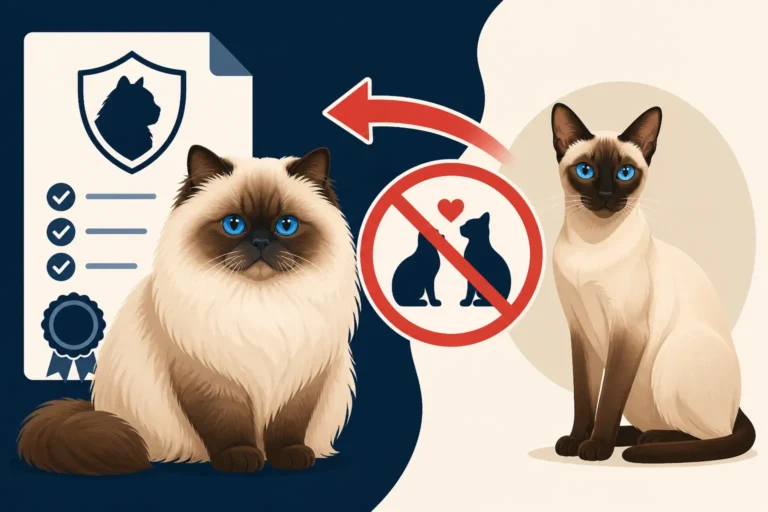
The distinction between different cat registries, and how they classify the Himalayan, can further complicate pricing. Understanding what these documents mean and which organizations stand behind them is crucial for an informed purchase, and it directly relates to why A CFA Himalayan Is a Persian on Its Own Paperwork and how that can affect its perceived value.
CFA and TICA: Different Approaches to Himalayan Recognition
The Cat Fanciers' Association (CFA) and The International Cat Association (TICA) are two of the largest cat registries in North America, and they have different approaches to recognizing the Himalayan. In 1984, CFA officially merged the Himalayan into the Persian breed group as a colorpoint division, meaning a Himalayan shown in CFA is judged as a Persian and carries Persian paperwork. This historical decision means that while you might be buying a cat you know as a Himalayan, its official CFA papers will often state "Persian (Himalayan Division)." Why CFA Folded the Himalayan Into the Persian in 1984 was a significant moment in the breed's history.
TICA, on the other hand, still recognizes the Himalayan as a distinct breed. This difference in classification can sometimes influence buyer perception and, consequently, price. Some buyers might prefer a cat registered with TICA simply because it maintains the "Himalayan" name on its pedigree, while others might prioritize CFA registration due to its larger size and longer history, even with the "Persian" designation. A kitten from a cattery that actively participates in both registries might incur higher registration fees, which are then reflected in the purchase price.
The Value of a Well-Documented Lineage
A detailed pedigree is essentially a family tree for your cat, tracing its ancestry back several generations. It provides proof of purebred status and can confirm that the cat comes from lines free of common genetic defects (assuming the breeder is honest about test results). For those interested in showing, breeding, or simply understanding their cat's background, a well-documented pedigree is invaluable. It shows the names of ancestors, their titles (if any), and often their colors, offering transparency and confidence in the kitten's heritage.
Breeders who invest the time and effort to maintain meticulous records, register litters promptly, and provide buyers with comprehensive pedigrees are offering a higher level of assurance and quality. This administrative overhead and commitment to transparency are built into the kitten's price. A kitten without a pedigree or verifiable registration, even if it "looks" like a Himalayan, will invariably be cheaper because its lineage and breed purity cannot be confirmed. This is why Which Papers a Himalayan Buyer Should Insist On is a critical question for prospective owners.
Navigating the Himalayan Market: What to Expect
Stepping into the world of purebred cat ownership can be a little overwhelming, especially when you start to see the price variations for Himalayan kittens. It’s not a one-size-fits-all situation, and prices can range quite a bit depending on where you are, the breeder’s reputation, and what you’re ultimately looking for in a companion. Understanding these market dynamics is key to setting realistic expectations and making a purchase you feel good about.
It's about doing your homework, asking the right questions, and being patient. The cheapest option isn't always the best, and conversely, the most expensive doesn't automatically guarantee perfection. It’s a balance, and recognizing what factors contribute to the price helps you navigate this complex market more effectively.
Regional Price Variations and Reputable Breeders
Just like real estate, the price of a Himalayan kitten can vary significantly by geographical region. In areas with a high demand for purebred cats or fewer reputable breeders, prices might be higher. Conversely, in areas with a larger number of breeders, competition might keep prices more moderate. It's not uncommon to see a range of prices for kittens that, on the surface, seem similar. This is where researching breeders in your local area and perhaps a broader region becomes important.
More critically, the reputation of the breeder is a huge factor. Highly respected breeders who have a long history of producing healthy, well-socialized, and conformationally sound Himalayans, especially those with champion lines or who consistently test for genetic diseases, will naturally charge more. Their prices reflect their expertise, the quality of their cats, and the extensive support they offer to new owners. Be wary of breeders offering unusually low prices, as this often indicates corners cut in health testing, nutrition, or overall care. Why a Himalayan Costs More Than the Persian It Registers As can sometimes be due to these specific breeding practices.
What to Ask and What to Look For
When you're interacting with a potential breeder, don't be shy about asking detailed questions. A reputable breeder will welcome them and be transparent. Ask about their genetic testing protocols for PKD and PRA, inquire about the health clearances of the parent cats, and request to see their pedigrees. It's also perfectly acceptable to ask about their socialization practices for kittens and to see their cattery environment (even if it's via video call). Ask about what's included in the price – typically, vaccinations, deworming, microchipping, and a health guarantee are standard.
Look for a breeder who is enthusiastic, knowledgeable, and genuinely cares about where their kittens are going. They should also ask you plenty of questions to ensure you're a good fit for one of their cats. A comprehensive contract outlining health guarantees and return policies is also a must. The more information and transparency a breeder offers, the more confident you can be in your purchase. This thorough vetting process helps you avoid pitfalls and find a truly reputable source for your new family member.
Long-Term Costs Beyond the Initial Purchase
It's crucial to remember that the purchase price of a Himalayan kitten is just the beginning of your financial commitment. Himalayans, with their luxurious long coats, require daily grooming to prevent mats, which means investing in quality combs and brushes. Their flat faces often necessitate daily eye and face wiping to prevent tear staining and skin irritation. The Morning Face Routine Every Himalayan Needs is a daily commitment.
Then there are ongoing costs like premium cat food, litter, routine veterinary check-ups, and vaccinations. Given their propensity for certain genetic issues or brachycephalic-related challenges, it's also wise to budget for potential future medical expenses, including dental care for their crowded jaws. Pet insurance, from providers like Healthy Paws, can be a lifesaver for unexpected vet bills. These long-term costs often far outweigh the initial purchase price over the cat's lifespan, which can easily be 15 years. Being prepared for these ongoing needs is just as important as the initial cost.
Making an Informed Decision: Prioritizing Health and Temperament
Ultimately, when you bring a Himalayan cat into your life, you're not just acquiring an animal; you're welcoming a beloved family member who will enrich your home for many years. While aesthetic preferences for point color or facial type are certainly valid, the most important aspects to prioritize should always be the cat's health, temperament, and overall well-being. A stunning cat with a problematic health history or a challenging personality will bring more heartache than joy, regardless of how rare its point color or how perfectly flat its face.
An informed decision means looking beyond the superficial and understanding the complete picture of what you're bringing home. It means engaging with reputable breeders who prioritize the long-term welfare of their animals and being prepared for the responsibilities of cat ownership.
The True Value of a Healthy Companion
The true value of a Himalayan cat lies in its health and its ability to be a loving, well-adjusted companion. A cat free from debilitating genetic diseases, with clear breathing and good overall vitality, will enjoy a higher quality of life, and so will you. This translates to fewer vet visits, less stress, and more years of purrs and cuddles. A breeder who focuses on eliminating genetic conditions like PKD, which How Early Cysts Show on a Himalayan's Kidney Scan, is invaluable. This investment in preventative health care by the breeder pays dividends in the form of a healthy, happy pet for you.
When choosing a kitten, observe its energy levels, its interactions with littermates and people, and its overall demeanor. A bright-eyed, playful, yet calm kitten indicates good health and proper socialization. These qualities are priceless and should always take precedence over purely cosmetic preferences. The joy of a healthy cat that greets you at the door and seeks out your lap is far more rewarding than owning a "rare" cat with constant health issues.
Avoiding Pitfalls: Red Flags in Pricing
Beware of breeders who offer kittens at significantly lower prices than the market average without clear, legitimate reasons. This can be a major red flag. Often, these lower prices are a result of cutting corners: skipping expensive but vital genetic health tests, providing inadequate nutrition or veterinary care, breeding too frequently, or keeping cats in substandard conditions. A cheap kitten might end up being incredibly expensive in the long run due to accumulated veterinary bills for preventable conditions.
Other red flags include breeders who are unwilling to provide pedigrees, health guarantees, or references, or those who pressure you into making a quick decision. Similarly, be cautious if a breeder claims a point color is "rare" and demands an exorbitant price without being able to explain the genetics or show proof of lineage and quality. While some colors are rarer, an honest breeder will educate you, not just try to upsell you. A reputable breeder's pricing reflects their ethical practices and investment in the welfare of their animals, ensuring you get a healthy, well-adjusted companion.
Disclaimer
This article is for general informational purposes only and does not constitute professional advice. Laws, prices and regulations vary by location and change over time. Consult a qualified professional for guidance on your specific situation.