Why a Chocolate Point Himalayan Is Hard to Breed
If you've ever dreamt of owning a gorgeous Chocolate Point Himalayan, you might have noticed they're not exactly popping up in every litter notice or pet store window. It can be incredibly frustrating when you have your heart set on a specific color, only to find it's either unavailable or comes with a much longer waitlist and a higher price tag. This scarcity isn't just random chance; it comes down to some fascinating, albeit complex, genetics and the dedicated efforts required by conscientious breeders. This guide will delve into the intricate reasons why breeding a Chocolate Point Himalayan is such a challenging endeavor, explaining the genetic hurdles, the visual identification difficulties, and the significant investment required to produce these stunning felines responsibly.
The Elusive Genetics of Chocolate Points
Breeding for a specific color in any animal can be a bit like solving a complex puzzle, but with Chocolate Point Himalayans, you're dealing with multiple layers of genetic instructions that need to align perfectly. It’s not just about one gene; it’s about a combination, and that’s where the challenge truly begins.
Understanding the Base Color Genes
To appreciate the rarity of a chocolate point, we first need to understand the fundamental building blocks of cat coat color. In the world of feline genetics, there are essentially two primary base colors: black and red. All other colors, including chocolate, are modifications or dilutions of these two.
The "B" locus gene determines whether a cat has black pigment (B) or brown/chocolate pigment (b). Black is dominant, meaning a cat only needs one copy of the "B" allele to have a black coat (or appear black if diluted). Chocolate, on the other hand, is a recessive trait. This means a cat must inherit two copies of the "b" allele (written as b/b) to express the chocolate color. If a cat has one "B" and one "b" (B/b), it will appear black but "carry" the chocolate gene, meaning it can pass it on to its offspring. This is the first hurdle: finding cats that either are chocolate or carry the chocolate gene. Many early Persian lines, which contributed heavily to the Himalayan, were predominantly black-based, making the chocolate gene less prevalent from the outset.
The Double Recessive Challenge
So, we know chocolate itself is a recessive trait (b/b). But wait, there’s more! The Himalayan cat, by definition, has a "pointed" coat pattern. This pattern, characterized by darker extremities (points) like the face, ears, paws, and tail, with a lighter body, is also governed by a recessive gene. This gene (known as the cs allele at the C locus) prevents full color development across the entire body, allowing color to express only in cooler areas. So, for a cat to be a Himalayan, it must inherit two copies of the pointed gene (cs/cs).
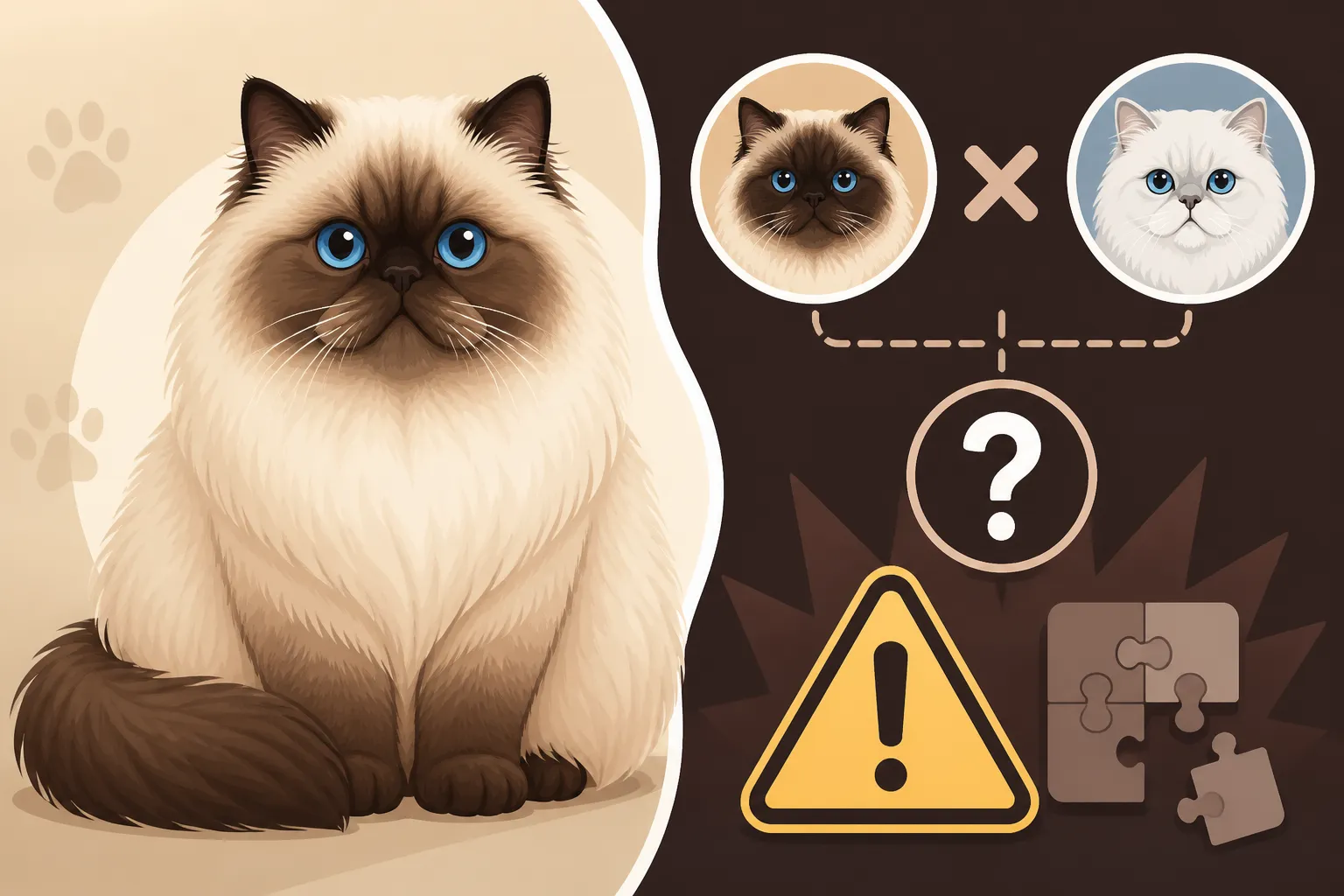
Now, put it all together: a Chocolate Point Himalayan needs to be both chocolate (b/b) and pointed (cs/cs). This means the breeding pair must each contribute a "b" allele and a "cs" allele to their kitten. The statistical probability of achieving this specific combination naturally, without knowing the genetic makeup of the parent cats, is significantly lower than for more common colors. If you mate two cats that both carry chocolate and both carry the pointed gene, only a quarter (25%) of their offspring, on average, will be chocolate points. If one parent only carries one of the recessive genes, or doesn't carry it at all, the odds plummet even further. This "double recessive" requirement makes them inherently rarer.
The Pointed Pattern Overlay
Adding another layer of complexity, the pointed gene itself can make it harder to visually identify the underlying base color, especially in kittens. When a kitten is born, its body is almost entirely white or cream. The points only begin to develop and darken over several weeks and months as the kitten matures and is exposed to cooler temperatures. This means that a breeder can't simply look at a newborn kitten and immediately declare it a Chocolate Point. How Many Weeks Before a Himalayan Kitten's Points Show
The pigment on the points is what hints at the underlying base color. A seal point has dark, almost black-brown points. A blue point has slate-grey points. A chocolate point should have warm, milk-chocolate brown points. However, in very young kittens, these distinctions can be incredibly subtle. Sometimes, what looks like a dark chocolate point might develop into a seal point, or a pale chocolate might be mistaken for a lilac. The pointed pattern essentially "masks" the full expression of the color, requiring patience and a keen eye to identify the true shade as it matures.
Breeding for the Desired Phenotype
Because of these genetic intricacies, breeding for Chocolate Point Himalayans is not a task for the faint of heart or the impatient. It demands a deep understanding of genetics, careful planning, and often, modern scientific tools to ensure success.
Identifying Chocolate Carriers
One of the biggest hurdles for breeders is identifying which cats are actually carrying the recessive chocolate gene without expressing it themselves. A cat that appears black (genetically B/b) is called a "chocolate carrier." Without genetic testing, the only way to confirm a cat is a carrier is through "test matings," which is a time-consuming and often unpredictable process.
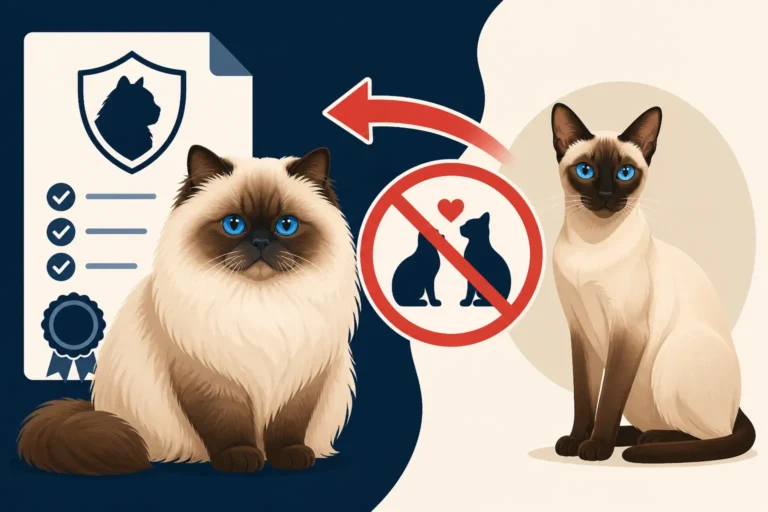
Modern genetic testing has been a game-changer here. A simple cheek swab, often available through labs that specialize in feline genetics, can tell a breeder exactly which color genes a cat carries. This means a breeder can make informed decisions about pairings, increasing the chances of producing desired colors like chocolate points. Before such tests were widely available, breeders were often flying blind, relying on pedigree analysis and hoping for the best. This kind of advanced testing is part of the extensive due diligence that goes into responsible breeding, and it's something a discerning owner should expect to see reflected in the certificates provided by a reputable cattery.
The "Test Mating" Historical Approach
In the days before widespread genetic testing, breeders had to rely on a process called "test mating." This involved breeding a cat suspected of carrying a recessive gene to a cat that definitely expressed that recessive gene (i.e., a known chocolate cat). If the suspected carrier produced chocolate kittens in the litter, its status as a carrier was confirmed.
Imagine the time and effort involved! A breeder might have to wait for several litters, potentially over a year or more, just to confirm the genetic makeup of one breeding cat. This significantly slowed down the process of establishing lines that consistently produced chocolate points. Given that most queens don't have enormous litters—How Big a Himalayan Litter Usually Is typically ranges from 3 to 6 kittens—the statistical probability of getting a chocolate kitten in any given test mating was low, even if both parents were carriers. This laborious method meant that developing strong, consistent chocolate point lines took decades, contributing to their enduring rarity.
The Rarity in Early Himalayan Lines
The Himalayan breed itself was initially established by crossing Persians with Siamese cats. The goal was to introduce the pointed pattern of the Siamese onto the long-haired, cobby body type of the Persian. The earliest Siamese cats predominantly carried the seal point (black-based) and blue point (dilute black-based) genes. Similarly, many foundational Persian lines were focused on solid colors like black, white, or red, or tortoiseshell patterns, often with a dominant black base.
Chocolate was not a widespread gene in either of these foundational populations. Therefore, when these two breeds were crossed, the "chocolate" gene simply wasn't as prevalent in the gene pool that formed the early Himalayans. It had to be specifically introduced and bred for, often by seeking out rare chocolate-carrying Persians or carefully selected Siamese lines that might have also carried the gene. This historical context explains why chocolate points aren't as common as, say, seal or blue points, which had a more natural presence in the parent breeds.
Visual Identification and Development Challenges
Even once the genetic puzzle pieces start to fall into place, the visual aspect of identifying a Chocolate Point Himalayan presents its own set of unique difficulties. These cats aren't like some breeds where the color is fully expressed at birth; their beauty unfolds over time, and a breeder needs a keen eye and extensive experience to spot the subtle nuances.
Slow Point Development in Kittens
As mentioned earlier, all Himalayan kittens are born practically white. This is because the enzyme responsible for developing color in their fur is temperature-sensitive. Inside the warm womb, the enzyme is inactive, so no pigment develops. It's only after birth, as the kitten is exposed to cooler ambient temperatures, that the color-producing enzyme becomes active in the cooler extremities of the body – the "points."
This means that for the first few weeks of a kitten's life, even a seasoned breeder might struggle to definitively identify a chocolate point. The points start as a faint shadow and gradually darken. A new owner might wonder How Many Weeks Before a Himalayan Kitten's Points Show, but even when they do, they are often much paler than what they will become. This period of uncertainty means breeders must wait longer to correctly identify and place their kittens, which ties up resources and time. It's a testament to the breeder's patience and expertise.
Distinguishing Chocolate from Seal and Lilac
When the points do start to emerge, distinguishing between chocolate, seal, and lilac can be incredibly challenging, especially for the untrained eye.
- Seal Points are a very dark brown, sometimes appearing almost black.
- Chocolate Points are a warmer, medium brown, often compared to milk chocolate.
- Lilac Points are a much paler, frosty grey-brown, often described as a "pinkish dove grey" or "lavender."
The difference between a dark chocolate and a light seal point can be minimal, especially if the kitten is in a warmer environment, which can suppress point darkening. Similarly, a very pale chocolate could be confused with a lilac point, which is a diluted chocolate (b/b d/d, where "d" is the dilute gene). Environment plays a huge role here; How Temperature Decides a Himalayan's Point Color. A Himalayan raised in a consistently warm home might have paler points than one raised in a cooler environment, further complicating identification. This means breeders often have to rely on their extensive experience, combined with genetic testing, to make accurate color assessments.
Here's a quick reference to highlight the visual differences:
| Point Color | Base Color Gene | Dilution | Typical Shade (Adult) | Difficulty to Distinguish from Chocolate as Kitten |
|---|---|---|---|---|
| Seal Point | Black (B/B or B/b) | No | Deep dark brown, almost black | High (can appear very dark chocolate in young kittens) |
| Blue Point | Black (B/B or B/b) | Yes | Muted grey-blue | Low (distinctly grey, not brown-based) |
| Chocolate Point | Brown (b/b) | No | Warm, milk-chocolate brown | N/A (the target, but subtle in young) |
| Lilac Point | Brown (b/b) | Yes | Pale, frosty grey-brown/lavender | High (can be mistaken for very pale chocolate) |
| Flame Point | Red (O/Y) | No | Creamy orange to red-orange | Low (distinctly red-based) |
Achieving Optimal Point Contrast
Beyond just getting the right color, breeders are also striving for ideal point contrast. The Himalayan standard calls for a clear distinction between the darker points and the lighter body color. This contrast is a hallmark of the breed's beauty. With chocolate points, achieving this crisp definition can sometimes be more challenging than with the darker seal points.
If the body color of a chocolate point is too creamy or the points aren't quite dark enough, the overall effect can be less striking. Why a Poorly Contrasted Himalayan Loses Points in the show ring, but also affects the aesthetic appeal for pet owners. Breeders must carefully select their breeding stock to ensure not only the correct underlying genes for chocolate but also the genes that promote excellent contrast and a clear, pale body color. This requires an understanding of How Long a Himalayan Keeps Adding Coat and how environmental factors can influence the final appearance.
The Dedicated Breeder's Investment
The journey to produce healthy, well-socialized, and correctly colored Chocolate Point Himalayans is a labor of love that involves significant investment in time, resources, and unwavering dedication. This isn't a quick or easy endeavor, which naturally impacts the availability and cost of these special kittens.
Time and Resource Commitment
Breeding for a rare color like chocolate point requires an extraordinary amount of time. From researching pedigrees to identify potential chocolate carriers, to performing genetic tests, to waiting for litters, and then patiently observing kittens as their points slowly develop over weeks and months—it's a long game. A responsible breeder isn't just throwing two cats together; they are meticulously planning pairings, ensuring genetic diversity, and prioritizing health above all else. This process is further extended by the fact that How Many Years a Himalayan's Points Take to Finish, meaning a breeder often has to wait to see the full potential of their breeding efforts.
Financial resources are also heavily invested. Genetic testing for color and health conditions can add up. High-quality food, vet care, suitable breeding facilities, and the sheer number of hours dedicated to each cat and kitten are considerable expenses. Brands like Healthy Paws can offer breeders peace of mind by covering unexpected vet costs for their valuable breeding stock and the kittens they produce, although diligent health testing is always the first line of defense. The cost of genetic testing alone, as explored in articles like What Testing a Himalayan for PKD and the Eyes Costs, is a recurring expense for responsible catteries.
Smaller Litter Sizes and Fewer Chocolate Kittens
Even with all the careful planning and genetic testing, the reality is that the probability of getting chocolate point kittens in any given litter is still relatively low, often around 25% if both parents are carriers of the chocolate gene. This means that out of a typical Himalayan litter, a breeder might only have one or two chocolate point kittens, if any.
This scarcity directly impacts availability. If demand for a specific color is high and the supply is inherently limited by genetics, waiting lists can grow long. This naturally contributes to Why Point Color Sets a Himalayan's Price More Than Type, and why a specific color like chocolate point might command a premium. Breeders cannot simply "mass produce" these kittens; each one is the result of careful, thoughtful planning and a good deal of genetic luck. The number of kittens produced per queen is always an important consideration for breeders looking to balance rarity with sustainability.
The Ethical Breeder's Responsibility
Beyond just the color, ethical breeders are deeply committed to the health and welfare of their cats. This means that even when striving for a rare color like chocolate point, they will not compromise on essential health screenings. Polycystic Kidney Disease (PKD) is a concern in Persian-derived breeds, and responsible Himalayan breeders will always screen for it. Integrating healthy lines that carry the chocolate gene, while ensuring they are also clear of inheritable diseases, adds another layer of complexity.
Such breeders invest in premium nutrition for their queens and kittens, often opting for specialized diets or high-quality brands, to ensure optimal development and health. They also focus on temperament, making sure kittens are well-socialized and ready for their new homes. This comprehensive approach ensures that while the Chocolate Point Himalayan is rare, it is also healthy and well-adjusted, justifying the significant effort and investment that goes into producing these truly special cats. When you bring home a kitten, it's not just the color you're paying for, but the years of dedication and responsible practices behind its lineage, ensuring you have a beloved companion for many happy years. Knowing How a Himalayan's Point Color Is Recorded and verified by a reputable registry is also part of that peace of mind.
Disclaimer
This article is for general informational purposes only and does not constitute professional advice. Laws, prices and regulations vary by location and change over time. Consult a qualified professional for guidance on your specific situation.