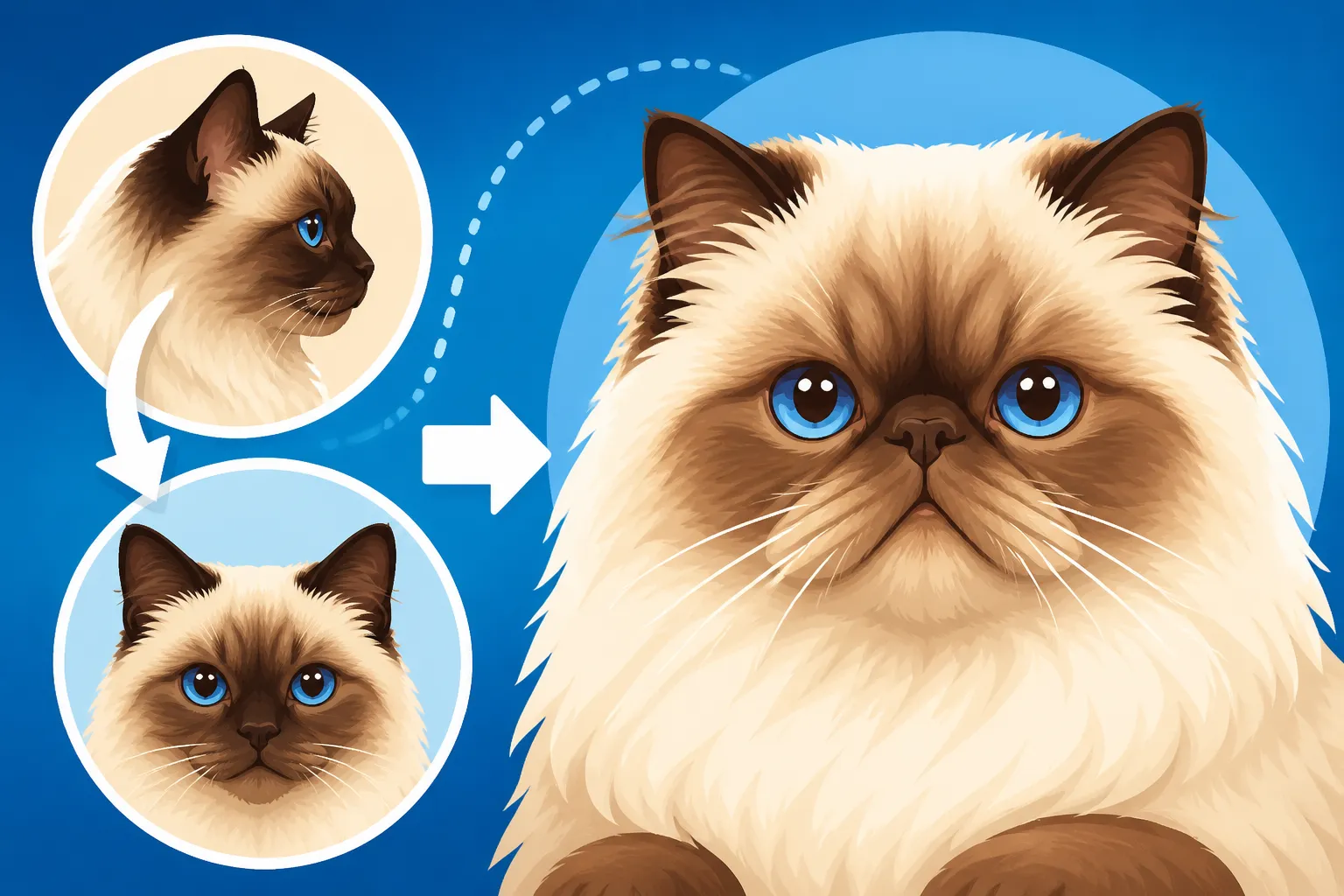
Why Show Himalayans Trend Toward the Flatter Face
It’s a common sight for anyone familiar with the world of cat shows: the Himalayan cats proudly presented with increasingly flatter, more extreme facial features. Many prospective owners and even seasoned enthusiasts often wonder why this trend has taken hold. This comprehensive guide will delve into the historical context, the aesthetic drivers within the show community, and the practical implications that explain why show Himalayans have moved towards a distinctly flatter face over the years.
The Historical Shift Towards Extreme Type
The journey of the Himalayan cat's facial structure from its origins to its modern show appearance is a fascinating tale rooted deeply in breed development and the evolving standards of the cat fancy. It wasn't an overnight change, but a gradual shift influenced by a combination of genetics, human preference, and the very rules of competition.
Origins and Early Ideals
When the Himalayan was first conceived in the 1930s, the goal was to combine the striking colorpoint pattern of the Siamese with the luxurious long coat and gentle temperament of the Persian. The early efforts, famously linked to researchers like Clyde Keeler and Virginia Cobb, weren't necessarily focused on an extreme facial type. Their primary objective was to create a new breed that possessed the distinct "points" – the darker coloration on the ears, face, paws, and tail – on a Persian-like body. The initial Himalayans likely had a more moderate facial structure, often referred to as a "doll face," characterized by a visible nose leather and a less flattened profile. This was a direct reflection of the Persian cats used in the early crosses, which themselves were not yet bred to the extreme we see today. The earliest breeders were simply excited to achieve the desired coat pattern and a robust, healthy cat. You can learn more about this foundational work by reading The Himalayan Was Made at Harvard in the 1930s.
The vision for the breed was harmonious: a cat with the serene beauty of a Persian, adorned with the captivating contrast of a Siamese. The face, while broad, was not intended to be radically altered from a more traditional feline structure. Think of it as a beautiful blend, a fusion of two distinct types into something new, rather than an exaggeration of a single feature. The focus was on overall balance, the rich density of the coat, and the striking blue eyes.
The Influence of Persian Breeding Standards
A significant turning point for the Himalayan's facial structure came with its integration into the Persian breed standard, particularly within influential organizations like the Cat Fanciers' Association (CFA). For decades, the Himalayan was recognized as its own distinct breed, but in 1984, CFA made the pivotal decision to classify it as a colorpoint division of the Persian. This meant that from that point forward, Himalayans were largely judged against the same physical standards as their solid-colored Persian counterparts. This decision is explored further in Why CFA Folded the Himalayan Into the Persian in 1984.
Concurrently, the Persian breed itself was undergoing a dramatic transformation. Over several decades, selective breeding in the Persian world had progressively favored a flatter, more "peke face" look. This extreme brachycephalic (short-nosed) structure became increasingly dominant in the show ring, celebrated for its unique and distinctive appearance. As Himalayans were now competing under the Persian umbrella, breeders naturally began to select for these same exaggerated facial traits to achieve success. If a flatter-faced Persian was winning "Best in Show," then a flatter-faced Himalayan was more likely to catch a judge's eye.
This wasn't a malicious intent to create health problems, but rather a pursuit of an aesthetic ideal that gained traction and became synonymous with success in the competitive show circuit. The gene pool for Himalayans became increasingly intertwined with that of these flatter-faced Persians, solidifying the trend.
The Concept of "Type" in Show Cats
In the world of cat fancy, "type" refers to how closely an individual cat conforms to its breed standard – the written description of the ideal specimen. This encompasses everything from body shape and coat texture to eye color and, crucially, head structure. For many years, the breed standards for Persians, and by extension Himalayans within the Persian division, have emphasized a broad, round head with a short, snub nose, leading to the pronounced "break" in the profile.
When a judge evaluates a cat in the show ring, they are looking for the cat that best embodies this "type." If the prevailing interpretation of the standard, or indeed the standard itself, leans towards a flatter face, then cats exhibiting that feature are rewarded. Winning cats, in turn, become highly sought after for breeding, perpetuating and often intensifying the trait in subsequent generations. This creates a feedback loop: judges reward the flat face, breeders select for it, and the gene pool shifts further in that direction. The definition of "ideal" is dynamic and shaped by the successes of champions, influencing breeders to follow suit in their quest for top honors.
Aesthetic Preferences in the Show Ring
Beyond the historical influence of breed standards, the sheer visual appeal and distinctiveness of the flatter face have played a significant role in its prominence in the show ring. Judges and breeders alike often find this particular aesthetic to be captivating and a hallmark of the breed's unique charm.
The "Extreme" Look
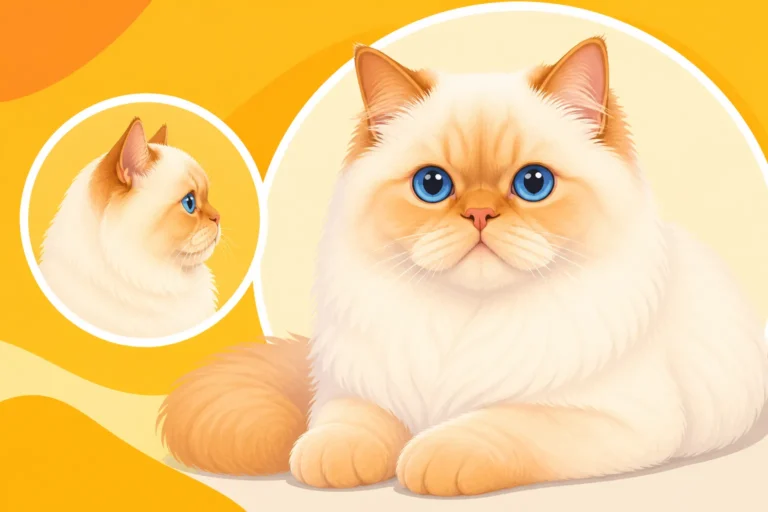
What exactly constitutes the "extreme" look, or "peke face," on a Himalayan in the show ring? It's characterized by a profoundly flattened facial profile, where the nose leather is set high and recessed, often aligning with the lower eyelids. The eyes appear very round, large, and wide-set, contributing to a "baby doll" or "innocent" expression. The ears are typically small and set low on the broad head, completing the distinctive silhouette. If you're curious about the specifics, What a Peke Face Himalayan's Profile Measures provides more detail. This particular configuration gives the Himalayan a unique, almost sculptural quality that distinguishes it from other long-haired breeds.
For many, this extreme presentation embodies the very essence of the Persian and Himalayan aesthetic. It's not just about a flat face, but about the harmonious combination of these features – the broad head, the full cheeks, the rounded eyes, and the tiny, low-set ears – that creates a powerful impression. When executed well, this look can be incredibly striking and memorable, making a cat stand out in a lineup of equally beautiful animals.
Achieving Balance and Symmetry
Even within the realm of the extreme face, judges are looking for balance and symmetry. A truly exceptional show Himalayan isn't just flat-faced; it's harmoniously flat-faced. This means the features should align perfectly, without any unevenness or distortion. The eyes should be equally round and spaced, the nose centrally placed, and the overall expression open and appealing. A face that is too narrow, too asymmetrical, or appears "pinched" despite its flatness will not fare as well.
Breeders spend years striving to achieve this delicate balance. It's a testament to their dedication to the standard. They are looking to create a cat where every feature contributes to the overall ideal, where the extreme aspects blend seamlessly into a picture of feline perfection, rather than appearing as an isolated or disjointed trait. This pursuit of the perfectly balanced extreme face is what separates a good show cat from a truly exceptional one.
The "Wow" Factor
In a highly competitive show environment, making an immediate and strong impression on a judge is paramount. A truly extreme, well-balanced peke-faced Himalayan often possesses that undeniable "wow" factor. It's a look that demands attention, conveying a sense of refinement and adherence to the breed's most distinctive characteristics. This is a significant reason why some judges have gravitated towards awarding cats with these features.
Imagine a row of beautiful, long-haired cats. The one with the most pronounced, yet aesthetically pleasing, flat face might just be the one that catches the judge's eye first and lingers in their memory. This isn't just about flatness for flatness's sake; it's about a specific, sculpted look that has become highly valued. The distinctiveness of the peke face, when it adheres to the balanced and symmetrical ideal, sets these cats apart and often gives them an edge in the ring. This visual impact has been a powerful driver in the breed's evolution in the show world.
Practicalities and Challenges for Flatter-Faced Himalayans
While the flatter face has found favor in the show ring, it's crucial to acknowledge the practical challenges and potential health considerations that often accompany this extreme aesthetic. Responsible ownership of a flat-faced Himalayan involves a significant commitment to daily care and a keen awareness of specific health needs.
Grooming and Maintenance
One of the most immediate and visible challenges of a flatter face on a Himalayan is the increased demand for daily grooming and maintenance, particularly concerning the eyes. The shortened and sometimes kinked tear ducts, combined with shallow eye sockets, mean that tears often don't drain properly and instead spill over onto the face. This leads to persistent tear staining, which can range from clear moisture to unsightly rust-colored streaks, especially noticeable on the pale body coat that is characteristic of Himalayans. You can learn more about this in Why Tear Stains Are Worse on a Cream Bodied Himalayan.
Owners of these cats must commit to a daily routine of gently wiping the area around the eyes and nose fold with a soft, damp cloth or specialized wipes. If neglected, this dampness can lead to skin irritation, bacterial infections, or yeast growth in the skin folds, creating an unpleasant odor and discomfort for the cat. Keeping the area meticulously clean and dry is essential. Many owners find themselves purchasing specific pet-safe eye wipes and cleaners regularly. Shopping online from places like Chewy can make it convenient to stock up on these daily essentials, ensuring you never run out.
Breathing and Airway Concerns
Perhaps the most significant health concern associated with the flatter face is Brachycephalic Airway Obstruction Syndrome (BAOS). The shortened skull structure can lead to a number of anatomical issues that restrict airflow, including narrowed nostrils (stenotic nares), an elongated soft palate that can partially block the windpipe, and smaller tracheas. These issues make it harder for the cat to breathe efficiently, especially during exercise or in warm weather.
Himalayans with extremely flat faces often breathe with an audible snort or grunt, and their breathing can become labored, particularly during play or when stressed. They are highly susceptible to overheating because panting, their primary method of cooling, is less effective with a compromised airway. A vet will often grade a Himalayan's nostrils as part of a routine check-up, as discussed in How a Vet Grades a Himalayan's Nostrils. Owners must be vigilant about keeping their cats cool, avoiding strenuous activity, and being aware of any signs of respiratory distress, such as open-mouth breathing or excessive panting, which warrant immediate veterinary attention.
Eye and Dental Health
Beyond tear staining, the extreme facial structure can also predispose Himalayans to other eye problems. The shape of the face can sometimes cause the eyelids to roll inward (entropion), leading to eyelashes rubbing against the cornea, which is incredibly painful and can cause ulcers or even blindness if left untreated. What Entropion Does to a Himalayan's Blue Eye explains this in more detail. Regular veterinary check-ups are crucial to monitor for such conditions, and surgical correction may be necessary in severe cases.
The shortened jawline also creates a crowded mouth, leading to significant dental issues. Cats, like humans, have a fixed number of teeth, and a shorter jaw simply doesn't have enough space for them to align properly. This can result in teeth growing at odd angles, overlapping, or even rotating, creating pockets where food particles and bacteria can accumulate. This accelerates plaque and tartar buildup, leading to early onset periodontal disease, tooth resorption, and painful infections. How a Shortened Jaw Crowds a Himalayan's Teeth elaborates on this common problem. Many flat-faced Himalayans require more frequent professional dental cleanings under anesthesia, and often, early tooth extractions. While not a direct solution to crowded teeth, feeding a softer, higher quality diet can sometimes make eating more comfortable for cats with dental issues. Pet insurance, like plans from Healthy Paws, can be an invaluable asset in managing the often-higher veterinary costs associated with these specialized health needs.
The Breeder's Role and the Future of the Breed
Breeders play a pivotal role in shaping the direction of any cat breed, and the Himalayan is no exception. Their choices, driven by breed standards, show ring success, and ethical considerations, directly influence the physical characteristics and health outcomes of future generations.
Breeding for the Standard
At the heart of a show breeder's philosophy is the desire to produce cats that meet and ideally exceed the written breed standard. For Himalayans, especially within the Persian division, this standard has increasingly emphasized a broad, round head with a very flat profile. As such, breeders who aim for show success will select breeding pairs that display these traits prominently, hoping to produce kittens that will excel in competition. This selective breeding over generations is precisely Why Show Himalayans Drifted Toward the Flatter Face.
The interpretation of the standard by judges also heavily influences breeding decisions. If a specific interpretation of "extreme" is consistently rewarded in the show ring, breeders will naturally adjust their breeding programs to align with that preference. This constant striving for the ideal, as defined by the breed standard and reinforced by show results, is a powerful force in the evolution of any pedigree cat. Breeders invest significant time, effort, and resources into understanding genetics, lineage, and the nuances of the standard to produce competitive cats.
Balancing Type and Health
Responsible breeders face the ongoing ethical challenge of balancing the pursuit of "type" with the imperative of ensuring the health and welfare of their cats. While the flatter face might be rewarded in the show ring, conscientious breeders are increasingly aware of the potential health issues associated with extreme brachycephaly. Many work diligently to select for cats that exhibit the desired facial characteristics without compromising vital functions like breathing and eye health.
This means looking beyond just the outward appearance. It involves meticulous health testing, including genetic screenings for inherited diseases like Polycystic Kidney Disease (PKD) and Progressive Retinal Atrophy (PRA), which Himalayans can inherit from their Persian lineage. It also means carefully evaluating the breathing and overall vitality of breeding cats. A responsible breeder will be transparent about their health testing protocols and provide documentation. For example, a breeder should always provide you with Which Two Certificates a Himalayan Breeder Owes You to prove health clearances. They understand that a beautiful cat is only truly beautiful if it is also healthy and can live a comfortable life.
Buyer Awareness and Demand
Ultimately, the market for Himalayan kittens also influences breeding trends. If buyers consistently seek out kittens with the flattest faces, it sends a signal to breeders that this aesthetic is desirable, thereby reinforcing the breeding for these traits. However, as awareness of brachycephalic health issues grows, more informed buyers are beginning to prioritize health and a more moderate facial structure alongside appearance.
As a prospective owner, you have a powerful role to play. Don't be afraid to ask breeders detailed questions about the health of their lines, the facial structure of the parents, and any potential health challenges associated with their cats' specific "type." Request to see the kittens' parents and observe their breathing and eye clarity. Pay attention to a kitten's nostrils – a kitten with visibly open, round nostrils will likely have an easier time breathing than one with tiny, pinched openings. How to Judge a Himalayan Kitten's Nostrils at Twelve Weeks offers guidance on what to look for even at a young age. By educating yourself and making informed choices, you can encourage breeders to prioritize health and moderation alongside show ring success, contributing to a healthier future for the Himalayan breed.
Here's a quick comparison of doll face versus peke face Himalayans, particularly as it relates to show trends and daily care:
| Feature | Doll Face Himalayan (Traditional) | Peke Face Himalayan (Extreme) | Show Ring Trend | Daily Care Considerations |
|---|---|---|---|---|
| Facial Profile | Visible, slightly extended nose; gentle slope | Very flat, recessed nose; sharp "break" where nose meets eyes | Often less rewarded | Lower incidence of tear staining; easier breathing |
| Nostrils | Wider, more open | Often narrowed or "stenotic" | Favored in past, less now | Less prone to breathing issues; more resilient |
| Eyes | Round, expressive, less prone to overflow | Very round, wide-set, prone to excessive tearing and staining | Highly valued | Daily eye cleaning, risk of entropion, corneal ulcers |
| Jaw Structure | More conventional alignment of teeth | Severely shortened, leading to crowded, misaligned teeth | Less common in show ring | Better dental health; less need for frequent vet dentals |
| Breathing | Generally unobstructed, less audible | Often noisy (snorting, grunting), prone to heat stress | Can be overlooked | Careful monitoring in warm weather; avoids strenuous play |
| Overall Look | Sweet, "cute," softer expression | Distinctive, dramatic, "smushed" expression | Current show ideal | High maintenance; potential for increased vet visits |
In conclusion, the trend towards the flatter face in show Himalayans is a complex outcome shaped by the breed's historical integration into Persian standards, the evolving aesthetic preferences within the cat fancy, and the competitive nature of the show ring. While this distinctive look is highly valued for its unique "type," it also brings with it significant care requirements and potential health challenges. As future owners and enthusiasts, understanding these factors is key to appreciating the breed's journey and making responsible choices that prioritize the well-being of these magnificent cats.
Disclaimer
This article is for general informational purposes only and does not constitute professional advice. Laws, prices and regulations vary by location and change over time. Consult a qualified professional for guidance on your specific situation.