What Feeding a Himalayan Costs Every Month
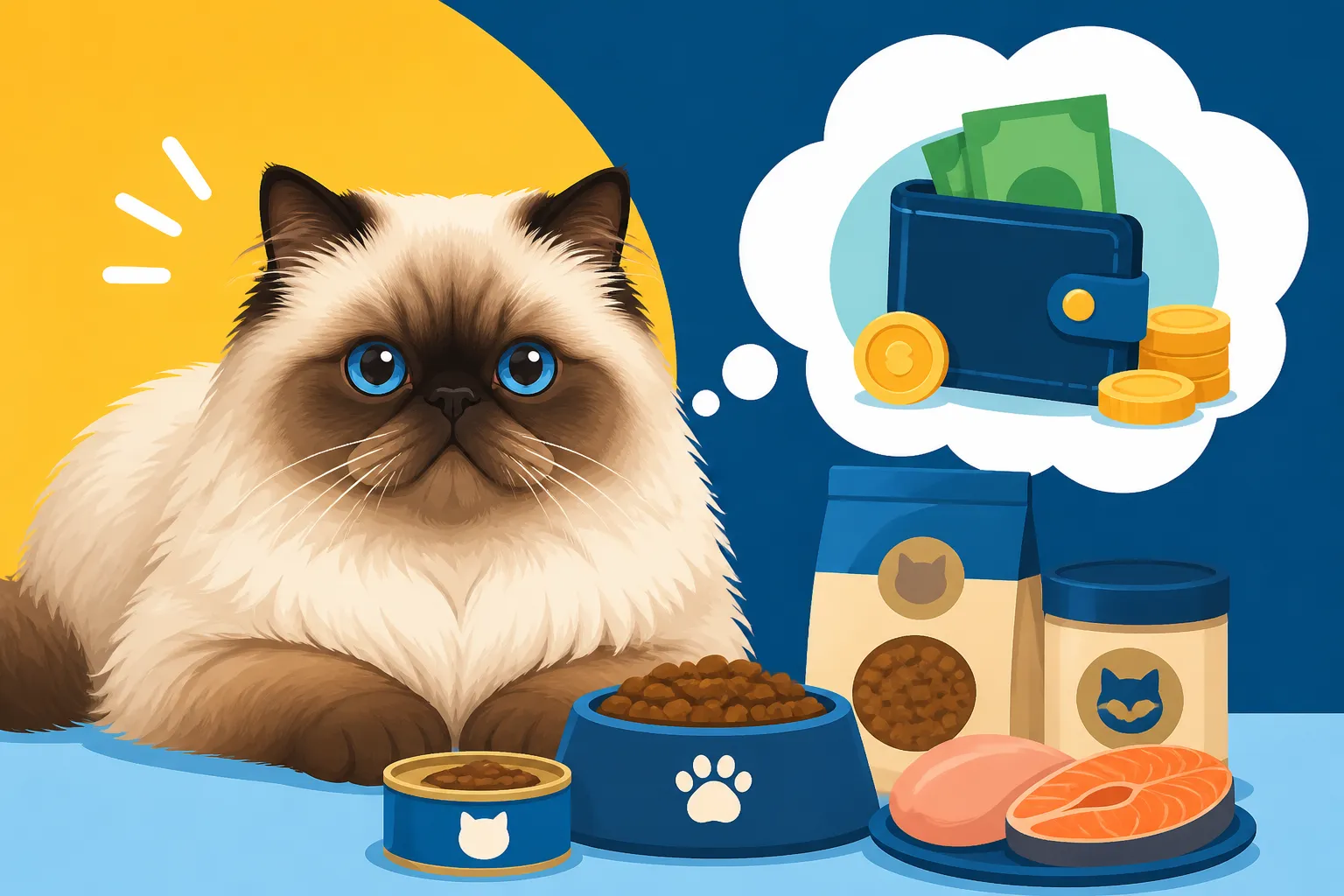
Let's be real, bringing a beautiful Himalayan cat into your home is an absolute joy, but the practical side of pet ownership, especially the ongoing costs, can sometimes catch us off guard. One of the biggest and most consistent expenses is feeding your furry friend, and with a breed as unique as the Himalayan, it's not always as straightforward as just grabbing a bag of kibble off the shelf. This comprehensive guide will walk you through everything you need to know about what feeding a Himalayan costs every month, helping you budget wisely and keep your precious companion healthy and happy.
Understanding the Unique Dietary Needs of a Himalayan
Himalayan cats, with their distinctive flat faces, luxurious long coats, and sometimes a tendency towards a more sedentary lifestyle, have specific considerations when it comes to their diet. It's not just about filling a bowl; it's about providing nutrition that supports their unique physiology. Ignoring these needs can lead to health problems and, ironically, higher vet bills down the line.
The Flat Face Challenge: Eating Mechanics
One of the most defining features of a Himalayan is their brachycephalic, or "flat," face. While undeniably adorable, this facial structure impacts how they eat and drink. Their shortened jaw and sometimes crowded teeth can make it difficult for them to pick up certain kibble shapes or eat comfortably from deep bowls. Many Himalayan owners find their cats struggle with typical kibble, often pushing it out of the bowl with their nose or eating only a few pieces at a time before giving up.
This isn't just a quirky habit; it's a real physical challenge. Imagine trying to eat soup with a fork – that's often how a Himalayan feels about standard kibble in a deep dish. It means we, as their caregivers, need to be mindful of the physical act of eating, choosing food and bowls that accommodate their unique facial structure. It’s a common frustration to see food scattered around the bowl because your cat is struggling to get a good grasp. You might find yourself wondering why a Himalayan pushes food out of a round bowl. The reality is, they just can't scoop it up effectively.
Long Coat Requirements: Nutritional Support
That magnificent, flowing Himalayan coat isn't just for show; it requires significant nutritional support to remain healthy, soft, and free from mats. A diet rich in high-quality protein and essential fatty acids, particularly Omega-3 and Omega-6, is crucial. These nutrients contribute to skin health, which is the foundation of a beautiful coat, reducing dryness and excessive shedding. Without adequate dietary support, you might notice the coat becoming dull, brittle, or more prone to matting, which then leads to more intensive grooming and potentially professional grooming costs.
Think of their coat as an indicator of their internal health. If your Himalayan's fur isn't gleaming, or you're finding more mats than usual, it could be a sign that their diet isn't quite cutting it in the nutrient department. A poor diet can make that daily combing session even more of a challenge, and trust me, you want those comb-throughs to be as smooth as possible! Good nutrition is a proactive step in caring for a Himalayan whose points have gone dark or whose coat just isn't thriving.
Weight Management: The Cobby Build
Himalayans typically have a "cobby" body type – compact, heavily boned, and muscular, with short, thick legs. While this contributes to their endearing appearance, it also means they don't expend as much energy as more active, lanky breeds. They are often described as lap cats who enjoy lounging, which can make them prone to weight gain if their caloric intake isn't carefully managed. An overweight Himalayan can face a host of health issues, including joint problems, diabetes, and worsening of any respiratory issues related to their flat face.
Understanding how many calories an adult Himalayan burns a day is paramount. It's often far less than owners assume, leading to overfeeding. This can also impact their ability to groom themselves properly, especially around their hindquarters, leading to mats and skin issues. It's a delicate balance to strike, providing enough nutrients for their coat and overall health without overdoing the calories. This is why paying attention to how much a cobby Himalayan gets in a weighed meal is so important.
The Breakdown of Monthly Food Costs
When we talk about feeding costs, it's not a one-size-fits-all answer. The monthly bill can vary wildly depending on the type of food you choose, its quality, and where you buy it. Let's explore the main categories.
Dry Kibble: Convenience vs. Cost
Dry kibble is often the most economical choice and certainly the most convenient. A large bag can last a long time, and it's easy to store. However, with Himalayans, the type of kibble matters significantly. Due to their flat faces, they often struggle with small, round pieces that are hard to pick up or overly large pieces that are difficult to chew with their shortened jaws. Look for kibble specifically designed for brachycephalic breeds, which often feature unique shapes like flat discs or small, irregularly shaped pieces that are easier for them to scoop or grasp with their tongue.
While the upfront cost of premium, specially formulated kibble might seem higher, it can prevent issues down the line. Cheaper kibble often uses lower quality fillers, which can mean your Himalayan isn't getting the dense nutrition they need, potentially leading to a dull coat, poor digestion, or even more frequent hunger, making them eat more and thus costing more in the long run. Many reputable brands offer specific formulations, and places like Chewy often have a wide selection, making it easier to compare options and find what works best for your cat and your budget. Remember to consider Which Kibble a Himalayan's Shortened Jaw Can Lift when making your selection.
Wet Food: Hydration and Palatability
Wet food, or canned food, is a fantastic option for Himalayans for several reasons. Firstly, its high moisture content contributes significantly to their hydration, which is vital, especially for breeds that might be prone to kidney issues later in life. Secondly, the soft texture is much easier for flat-faced cats to eat comfortably, requiring less effort than crunching dry kibble. Many Himalayans find wet food far more palatable, leading to better appetite and nutrient intake.
However, wet food generally comes with a higher monthly price tag. While a single can might seem inexpensive, feeding it exclusively or even as a significant portion of their diet adds up quickly. You also need to be mindful of the mess; because of their flat faces, it's not uncommon for wet food to get smeared on their nose, chin, and that beautiful ruff. This means more frequent face wiping, which is a routine every Himalayan needs anyway, but it's something to factor into your time and supply budget. Understanding Why Wet Food Is Easier for a Himalayan to Take and How Wet Food Ends Up in a Himalayan's Ruff highlights both the benefits and the extra care required.
Fresh or Raw Diets: The Premium Choice
For those looking to provide what they consider the absolute best, fresh or raw food diets are gaining popularity. These diets typically consist of human-grade ingredients, often prepared with minimal processing, and can be purchased pre-made or prepared at home. Proponents argue they offer superior nutrition, better digestion, and an even shinier coat.
This level of feeding, however, is almost always the most expensive option. The ingredients themselves are premium, and the preparation and delivery (if using a service) contribute to a significant monthly cost. While some owners swear by the health benefits, it's crucial to consult with a vet or a certified pet nutritionist before transitioning to a raw diet, especially to ensure it's nutritionally complete and balanced. Additionally, the flat face of a Himalayan can make eating larger, tougher raw chunks difficult, so preparation might involve grinding or mincing. You might also want to research Whether a Himalayan's Jaw Cannot Manage Raw Chunks to fully understand the challenges involved.
Beyond the Bowl: Hidden Feeding Expenses
It's easy to just think about the main meal, but there are other, often overlooked, expenses that contribute to your Himalayan's monthly feeding budget. These aren't always "food" in the traditional sense, but they are essential parts of their dietary and eating experience.
Treats and Dental Chews
We all love to spoil our feline friends, and treats are a big part of that. From crunchy morsels to soft, meaty snacks, treats can add a surprising amount to your monthly bill. For Himalayans, who might have crowded teeth due to their shortened jaw, dental chews can be a valuable addition to their routine, helping to reduce tartar buildup between professional dental cleanings. However, not all dental treats are created equal, and some might be too hard or oddly shaped for a Himalayan to comfortably chew.
It's a good idea to factor in a regular budget for treats, but choose wisely. Look for treats that are appropriately sized and textured for a flat-faced cat. Consider natural, single-ingredient treats that offer nutritional value without a lot of fillers. Remember, treats should always be given in moderation to avoid unnecessary weight gain, especially since a Himalayan can easily put on weight sitting still.
Supplements for Coat and Health
While a high-quality diet should ideally provide most of the nutrients your Himalayan needs, sometimes supplements can be beneficial. This is particularly true for supporting their magnificent coat, with fish oil (for Omega-3s) being a popular choice, or for addressing specific health concerns like joint health as they age. If your cat has a specific health issue, your vet might recommend targeted supplements, which will naturally add to your monthly expenses.
It's always best to discuss any potential supplements with your veterinarian before introducing them. They can advise on the correct dosage and ensure there are no contraindications with your cat's current health or medications. These supplements are an investment in their long-term health and well-being, helping to keep that Persian coat in top condition and potentially staving off more expensive problems later.
Specialized Bowls and Feeders
As discussed, a Himalayan's flat face makes traditional bowls less than ideal. Investing in specialized bowls designed for brachycephalic breeds is crucial for comfortable eating and can actually reduce mess. These bowls often feature shallow depths, wide openings, or even angled designs to make it easier for your cat to reach their food without straining or pushing it around. While this isn't a monthly expense, the initial investment for quality bowls needs to be factored into your overall ownership costs.
Beyond just the shape, some owners opt for elevated feeders to help with digestion or to make eating even more comfortable for their Himalayan. Slow feeders might also be considered if your cat tends to eat too quickly, though again, the design must be compatible with their flat face. While a one-time purchase, selecting the right equipment significantly enhances your Himalayan's dining experience and can prevent discomfort or aspiration issues. For more details, you can explore Which Bowl Shape a Flat Faced Himalayan Can Use and understand Why a Himalayan Pushes Food Out of a Round Bowl further.
Factors Influencing Your Himalayan's Food Budget
The general costs we've discussed are just starting points. Several individual factors about your specific Himalayan will directly impact how much you spend on their food each month.
Age and Life Stage: From Kitten to Senior
A Himalayan kitten has different nutritional needs than an adult or senior cat. Kittens are growing rapidly, requiring higher calories and specific nutrients to support their development, including the setting of their beautiful Persian profile and the deepening of their points. This means they might eat more frequently or require specially formulated kitten food, which can sometimes be more expensive per serving. Understanding How Many Calories a Growing Himalayan Kitten Needs is essential for their healthy development.
As they mature into adulthood, their caloric needs stabilize, and portion control becomes even more critical to prevent obesity. Senior Himalayans, often past twelve years old, may again require a specialized diet. They might need fewer calories if their activity drops, or more easily digestible food, or even prescription diets if kidney or dental issues arise. These senior-specific foods can sometimes carry a higher price tag due to their targeted formulations. Keeping track of What Goes First in a Himalayan Past Twelve can help you anticipate dietary changes.
Activity Level and Metabolism
Compared to highly energetic breeds, Himalayans are generally quite sedate. They often prefer long naps on the sofa and short bursts of play, meaning their metabolic rate is typically lower. This directly translates to lower caloric needs. If you have an exceptionally playful Himalayan, they might burn more calories, but it's rare for them to match the energy output of a Siamese, for instance. A less active cat will simply need less food to maintain a healthy weight.
Overfeeding a less active Himalayan is a very easy trap to fall into, leading to significant weight gain. This is why accurately measuring portions and being mindful of treats is so important. A Himalayan can easily gain weight sitting still, making portion control a critical aspect of their care and budget. Regularly assessing their body condition and adjusting their food intake accordingly is vital. It also impacts how much a cobby Himalayan gets in a weighed meal.
Health Conditions and Prescription Diets
Perhaps the most significant variable in a Himalayan's feeding cost is the presence of underlying health conditions. Like their Persian ancestors, Himalayans can be prone to certain genetic issues such as Polycystic Kidney Disease (PKD) or dental problems due to their shortened jaws. If your cat develops kidney disease, for example, they will likely need a prescription renal diet, which is specifically formulated to support kidney function. These therapeutic diets are significantly more expensive than regular commercial cat food.
Similarly, other conditions like inflammatory bowel disease, allergies, or even severe dental issues that make chewing difficult could necessitate specialized, often pricier, diets. These are not optional expenses; they are critical for managing your cat's health and quality of life. In such cases, having pet insurance like Healthy Paws can be a lifesaver, as it can help cover the costs of diagnosis and ongoing treatment, though typically not the food itself. This is why Why Water Matters More in a Himalayan Carrying Cysts is a critical read if your cat has PKD.
Smart Strategies to Manage Feeding Costs
While some costs are unavoidable, there are definitely ways to be a savvy Himalayan owner and manage your monthly feeding expenses without compromising your cat's health.
Buying in Bulk and Subscription Services
One of the easiest ways to save money on your Himalayan's food is to buy in larger quantities. Dry kibble, especially, often has a lower per-pound cost when purchased in big bags. Just be sure to check the expiry date and ensure you have a cool, dry place to store it to maintain freshness. For wet food, buying cases instead of individual cans can also lead to savings.
Many online retailers, like Chewy, offer subscription services where you can set up recurring deliveries of your cat's food. Not only does this ensure you never run out, but these services often come with discounts, free shipping, or loyalty programs that can shave a noticeable amount off your monthly bill. It’s convenient, and it takes one more thing off your mental to-do list! Just make sure to monitor your cat's food intake and adjust the delivery schedule if their needs change.
DIY Food and Homemade Meals
For those who are concerned about ingredients or want to avoid certain fillers, preparing homemade meals for your Himalayan can be an option. This can potentially save money, especially if you're sourcing ingredients efficiently, but it's crucial to approach it with caution. A homemade diet must be nutritionally complete and balanced, which is incredibly difficult to achieve without expert guidance. Cats have very specific dietary requirements, and deficiencies can lead to severe health problems.
If you're considering this route, consult with a veterinary nutritionist to develop a balanced recipe tailored to your cat's needs. They can ensure it meets all the necessary protein, fat, vitamin, and mineral requirements. Without this professional guidance, you risk creating a diet that, while seemingly healthy, could be harmful in the long term. This isn't a quick fix to save money if not done correctly, as the cost of supplements needed to balance a homemade diet can sometimes negate any savings.
Monitoring Waste and Portion Control
It sounds simple, but truly understanding your cat's caloric needs and sticking to precise portion control can prevent waste and manage costs. Many owners free-feed their cats or simply refill the bowl when it looks low, which can easily lead to overfeeding, especially in a breed like the Himalayan who puts on weight sitting still. Wasted food, whether uneaten or simply over-served, is wasted money.
Measure out your cat's meals according to the feeding guidelines on their food bag (adjusted for their actual weight and activity level, ideally with vet input). Splitting their daily ration into two fixed meals can also help regulate their appetite and metabolism, as discussed in Why a Himalayan Does Better on Two Fixed Meals. This approach helps ensure your Himalayan gets exactly what they need, no more, no less, which is good for their waistline and your wallet.
Comparing Food Options: A Price vs. Quality Perspective
Navigating the world of cat food can feel overwhelming with so many brands and types available. When budgeting for your Himalayan, it's helpful to consider the interplay between price and quality.
Evaluating Ingredient Lists
A good rule of thumb for evaluating cat food, regardless of price point, is to scrutinize the ingredient list. Look for high-quality animal protein (like chicken, turkey, or salmon) listed as the first few ingredients. Avoid foods with excessive fillers, artificial colors, or vague terms like "meat by-products." While premium ingredients often mean a higher price, they also translate to better digestibility and more concentrated nutrition, meaning your cat might need to eat less of it to feel satisfied and receive adequate nutrients.
Consider how these ingredients contribute to their specific needs. For a Himalayan, good protein supports muscle mass and that luxurious coat. Healthy fats are crucial for skin and coat health, helping to prevent the conditions that lead to Why a Matted Himalayan Becomes a Medical Case. Sometimes, a mid-range food with a solid ingredient list is a better investment than a super-cheap option that requires your cat to eat more or leads to health issues down the road.
Understanding Different Price Points
The cat food market has a vast spectrum of price points, from budget-friendly supermarket brands to ultra-premium, specialty options. Here’s a general overview to help you position your choices:
| Food Type | Typical Monthly Cost Shape | Himalayan Suitability Factors | Key Considerations |
|---|---|---|---|
| Dry Kibble | Lower to Moderate | Look for brachycephalic-friendly shapes. Good for dental health. | Hydration needs, palatability, filler content. |
| Wet Food | Moderate to Higher | Excellent for hydration, easy to eat for flat faces. | Higher cost, potential mess, storage once opened. |
| Fresh/Raw | Highest | Human-grade ingredients, high palatability. Requires specific preparation for flat faces. | Very high cost, need for nutritional balance, storage, potential for mess. |
| Prescription | Highest | Essential for managing specific health conditions (e.g., kidney, allergies). | Vet-recommended, significantly higher price. |
Remember, the goal isn't always to buy the most expensive food, but the right food for your individual Himalayan. A healthy, well-fed cat will ultimately cost you less in vet bills and provide more companionship over their The Nine to Fifteen Years a Himalayan Usually Gets. Always observe your cat's reaction to their food – energy levels, coat condition, stool quality – as these are excellent indicators of how well their diet is working for them. Don't be afraid to experiment with different brands or types until you find the perfect balance of nutrition, palatability, and affordability.
Disclaimer
This article is for general informational purposes only and does not constitute professional advice. Laws, prices and regulations vary by location and change over time. Consult a qualified professional for guidance on your specific situation.