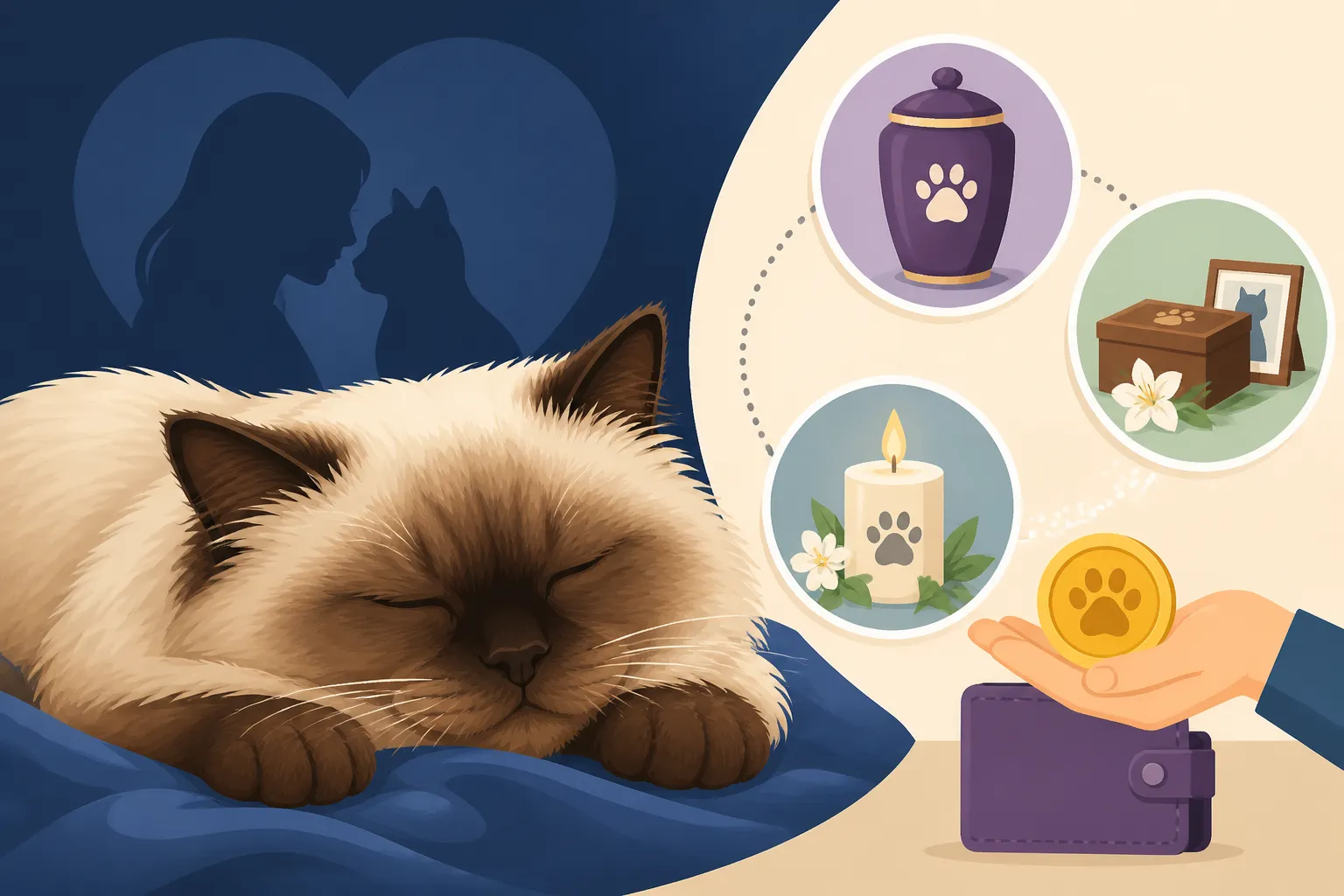
What Aftercare Costs for a Himalayan Put to Sleep
Making the decision to say goodbye to a beloved Himalayan is one of the hardest moments any pet parent will ever face. Beyond the overwhelming grief, there's also the daunting task of navigating the practicalities and costs associated with their final care. This guide aims to gently walk you through the various aftercare options and their associated expenses when your cherished Himalayan is put to sleep, helping you prepare for a period that is already incredibly difficult.
The Difficult Decision: Understanding Euthanasia Costs for Your Himalayan
When the time comes to consider euthanasia for your Himalayan, whether due to age, chronic illness, or sudden severe health decline, the emotional weight is immense. It's a profound act of love to prevent further suffering, but it comes with practical considerations, including the financial aspect. Understanding these costs upfront, even as you grapple with sorrow, can help alleviate some stress during an already vulnerable time.
Clinic Versus In-Home Euthanasia: What to Expect
One of the first choices you'll face regarding the euthanasia itself is where it will take place. For many, the familiar, comforting environment of home offers a peaceful departure, free from the stress of a vet clinic. Imagine your sweet Himalayan, perhaps curled in their favorite sunbeam or on your lap, drifting off surrounded by familiar sights and sounds. This option, while emotionally comforting, typically comes at a higher price point than a visit to your veterinarian's office.
Mobile veterinary services that offer in-home euthanasia factor in travel time, mileage, and the personalized, extended time spent in your home. This can include a thorough discussion of the process, ample time for goodbyes, and often, immediate aftercare arrangements. While the cost is often higher, many owners find the peace and privacy invaluable, especially for a cat like a Himalayan, who thrives on routine and can find travel and strange environments unsettling. Conversely, a clinic visit, while perhaps less personal, is usually a more streamlined and less expensive option for the procedure itself. You'll bring your Himalayan to the vet, the procedure will be performed in a quiet room, and arrangements for aftercare will then be made. Both options offer a humane and gentle ending, but your choice will impact the initial outlay.
Breakdown of Veterinary Fees for the Procedure
Regardless of location, the core euthanasia procedure involves specific veterinary fees. These typically include the veterinarian's consultation fee, which covers their time to assess your Himalayan's condition one last time, discuss the process, and answer any questions you might have. Then there are the costs for the medications themselves: a sedative to ensure your cat is calm and pain-free, followed by the final anesthetic solution that gently stops their heart.
Some clinics might include a basic paw print or a lock of fur as part of the euthanasia package, recognizing the need for a tangible memory. However, more elaborate keepsakes or specific aftercare choices will almost always be an additional charge. Factors like your geographic location, the size of your Himalayan (though Himalayans are a fairly consistent medium-sized breed, larger cats might incur slightly different drug dosages), and the specific veterinary practice's pricing structure will all influence the final cost. It's always wise, though incredibly difficult, to discuss these fees with your vet or the mobile service provider beforehand so there are no surprises during such an emotional moment.
Aftercare Choices: Cremation for Your Beloved Himalayan
Once the euthanasia has been performed, the next decision is what to do with your Himalayan's physical remains. This is a deeply personal choice, and thankfully, there are several dignified options available. Cremation is one of the most common, offering flexibility and various ways to honor your cat's memory.
Communal Cremation: An Economical and Respectful Option
Communal cremation, sometimes referred to as "group" or "unattended" cremation, is often the most economical choice for aftercare. With this option, your Himalayan is cremated alongside other pets. The ashes are not returned to individual owners; instead, they are typically scattered in a dedicated memorial garden or a natural, respectful location by the pet crematorium. This can be a comforting thought for those who wish for their pet to rest with others, or for those who simply don't wish to handle the ashes themselves but want a dignified process.
Choosing communal cremation allows families to honor their pet without the added expense of individual ash return, which can be a significant relief during an already stressful time. While you won't receive a physical urn, many crematories will still offer a certificate of cremation or a small memento, like a paw print from your pet, to acknowledge their individual passing. For those who want closure and a respectful handling of their cat's remains without the personal ashes, this is a widely chosen path.
Individual Cremation: Bringing Your Himalayan's Ashes Home
For many Himalayan owners, the thought of bringing their beloved cat's ashes home provides immense comfort and a tangible way to keep their memory close. Individual, or "private," cremation ensures that your Himalayan is cremated alone, and their ashes are carefully collected and returned to you. This is a more expensive option than communal cremation due to the individual handling and processing involved.
When you opt for individual cremation, the crematorium typically provides the ashes in a simple, temporary urn or container. From there, you have a myriad of choices for permanent display. You might choose a beautiful ceramic or wooden urn, perhaps even one personalized with your Himalayan's name or a special message. Many pet supply retailers, including online stores like Chewy, offer a wide selection of urns and memorial products that can be shipped directly to you. Some crematories also offer more elaborate packages that include a decorative urn, a paw print cast, or a fur clipping presented beautifully. The cost for individual cremation can vary significantly based on the crematorium, the size of the cat, and the type of urn or keepsakes included in the package. It's a choice that allows for deeply personal remembrance, whether you keep the ashes in a special place in your home, scatter them in a meaningful location, or even incorporate them into memorial jewelry.
Beyond Cremation: Burial and Lasting Memorials
While cremation is very popular, it's not the only option for aftercare. Some owners prefer the tradition of burial, or they find solace in creating other types of lasting tributes that don't involve the physical remains directly.
Home Burial and Pet Cemeteries: Legalities and Logistics
Burying your Himalayan at home can be a profoundly personal and comforting choice, allowing them to remain on your property in a spot meaningful to you, perhaps under a favorite tree or near a window they loved. However, it's absolutely crucial to be aware of local zoning laws and regulations before proceeding. Many municipalities have rules regarding pet burials, including restrictions on depth, proximity to water sources, and even what can be buried. A quick call to your local animal control or public works department can clarify these rules and save you potential heartache down the line. If permissible, you'll need to consider the physical effort of digging a sufficiently deep grave and choosing a marker or stone to commemorate the spot. While there's no direct "cost" for the burial plot itself if it's your own land, the emotional and physical labor is real.
Alternatively, a dedicated pet cemetery offers a formal and permanent resting place. These facilities provide plots, similar to human cemeteries, where your Himalayan can be buried. The costs associated with pet cemeteries can be substantial. You'll typically pay for the plot itself, an interment fee for the actual burial service, and then potentially for a headstone or marker. Many pet cemeteries also have ongoing maintenance fees to ensure the grounds are kept pristine. While it's a higher financial commitment, it offers a beautifully maintained, perpetual place to visit and remember your cherished companion. The Nine to Fifteen Years a Himalayan Usually Gets is a journey, and a pet cemetery provides a lasting monument to that journey.
Creating a Lasting Tribute: From Paw Prints to Donations
Beyond the immediate disposition of your Himalayan's remains, there are countless ways to create lasting tributes that honor their memory. These memorial items and gestures can provide immense comfort and a tangible connection to your beloved cat. Many veterinarians or crematories will offer a clay paw print or a small vial of fur as part of their service or for an additional fee. These simple mementos can become cherished keepsakes, preserving a physical imprint of your cat.
You might also consider commissioning a custom portrait of your Himalayan, turning a favorite photo into a piece of art that keeps their vibrant personality alive in your home. Online retailers like Chewy often have a dedicated section for pet memorials, offering everything from beautiful wooden urns to garden stones, personalized frames, or memorial jewelry where you can hold a tiny portion of ashes or fur. Some people find solace in donating to an animal welfare charity in their Himalayan's name, turning their grief into a positive impact for other animals. Others might plant a tree or a special garden in their memory. These thoughtful gestures don't typically replace the aftercare services, but they augment them, providing a personal and enduring way to remember the love and joy your Himalayan brought into your life. The specific cost here is entirely up to you and the choices you make for remembrance, ranging from a few dollars for a simple frame to hundreds for custom artwork or elaborate jewelry. It's a way to acknowledge that What a Himalayan Gives Up Once Its Points Are Dark is a life fully lived and cherished.
Financial Preparedness for Your Himalayan's Final Journey
Thinking about the financial aspects of end-of-life care for your Himalayan is never easy, but being prepared can make an incredibly difficult time a little less overwhelming. It's an act of foresight that reflects the deep care you have for your companion.
Pet Insurance Coverage for End-of-Life Care
Many pet owners invest in pet insurance to help manage unexpected veterinary costs throughout their Himalayan's life, from routine check-ups to emergency surgeries. When it comes to end-of-life care, what your policy covers can vary significantly. Some pet insurance providers, like Healthy Paws, may include euthanasia and related veterinary fees as part of their coverage, especially if it's deemed medically necessary due to illness or injury. However, it's crucial to understand the specifics of your individual policy.
Most pet insurance plans will cover the actual veterinary procedure of euthanasia if it's recommended by a vet, but they often do not cover aftercare services like cremation or burial. These are typically considered separate, elective expenses. Before the inevitable day arrives, or even when you're first looking into pet insurance, take the time to read the fine print or call your provider directly. Ask specific questions about their stance on euthanasia coverage, whether there are any waiting periods, and what documentation they require. Understanding these details ahead of time can prevent financial strain during a period of intense grief. Knowing Which Conditions Insurers Write Out of a Himalayan Policy is key.
Planning Ahead: Budgeting for Aftercare Expenses
Let's be honest, talking about budgeting for your beloved Himalayan's final moments feels incredibly morbid, and it's something none of us ever truly want to do. But realistically, just as we plan for other major life events, considering end-of-life care for our pets can offer a small measure of peace during profound sadness. These costs, while emotionally hard to face, are a real part of pet ownership.
Setting aside a small, dedicated fund can make a world of difference. Even $200-$500 put away over several years could cover basic cremation or a significant portion of home euthanasia. This isn't about being cold or uncaring; it's about being responsible and ensuring you can make choices driven by love and comfort, not by financial constraint, when you're at your most vulnerable. Thinking about these costs also includes considering things like memorial items, special urns, or even grief counseling if you find yourself struggling. The total cost for aftercare can range from a few hundred dollars for communal cremation to over a thousand for individual cremation with elaborate urns, or even more for a pet cemetery plot and headstone. While it feels counter-intuitive, proactively understanding What a Himalayan Costs From Kitten to Fifteen also includes planning for that final cost.
| Aftercare Option | Description | Pros | Cons | Estimated Cost Factors (Relative) |
|---|---|---|---|---|
| Communal Cremation | Your Himalayan is cremated with other pets; ashes are not returned. | Most economical; respectful disposition; no ash handling needed. | No individual ashes for remembrance. | Low (often included or minimal fee with vet) |
| Individual Cremation | Your Himalayan is cremated alone; ashes are returned to you. | Ashes returned for personal remembrance; choice of urns/keepsakes. | Higher cost; emotional decision of what to do with ashes. | Medium (varies based on crematory, weight, urn choice) |
| Home Burial | Burying your Himalayan on your own property. | Deeply personal; proximity for remembrance; no ongoing fees. | Requires local legal permission; physical labor; can be difficult to leave if you move. | Low (initial cost only for potential marker/stone) |
| Pet Cemetery Burial | Burial in a dedicated pet cemetery plot. | Formal, permanent resting place; professional maintenance. | Highest cost (plot, interment, headstone, ongoing fees); fixed location. | High (significant initial and potentially recurring fees) |
| Memorial Items | Keepsakes like paw prints, custom urns, jewelry, portraits. | Tangible way to remember; personal tribute. | Additional costs separate from core aftercare; can add up quickly. | Variable (from small fee to hundreds/thousands depending on item) |
Disclaimer
This article is for general informational purposes only and does not constitute professional advice. Laws, prices and regulations vary by location and change over time. Consult a qualified professional for guidance on your specific situation.