Whether a Himalayan Competes Against Persians in the Ring
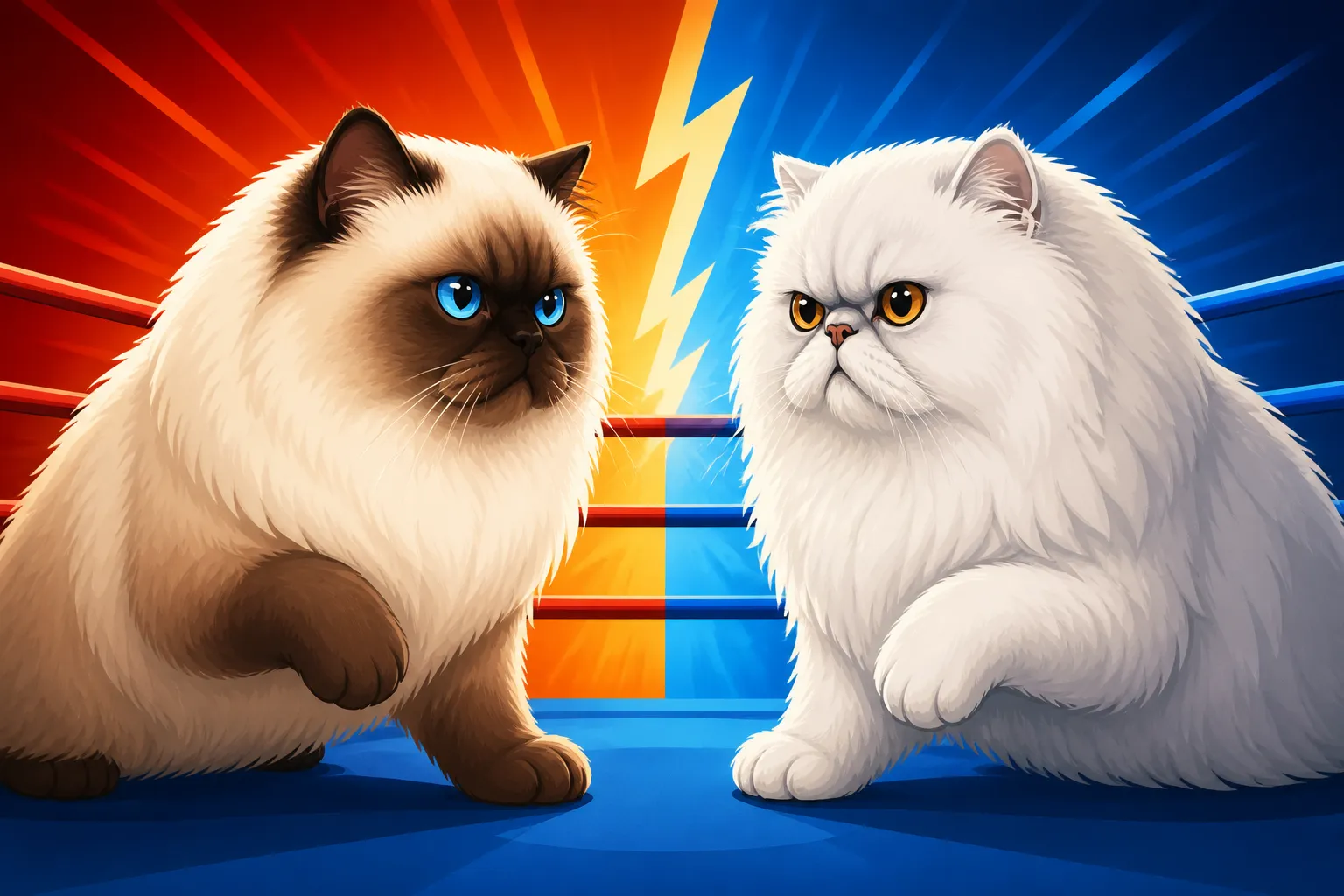
If you're a proud Himalayan parent, you've probably admired your beautiful feline friend and wondered if their stunning looks and calm demeanor could make them a star in the competitive world of cat shows. The question of whether a Himalayan actually competes against its Persian cousins in the ring is a common one, and the answer isn't as straightforward as you might think due to historical changes in breed classification that still cause confusion today. This guide will help demystify the show circuit for Himalayans, explaining how they are judged, what to expect, and the crucial differences between major cat registries.
The Heart of the Confusion: Himalayan vs. Persian Identity
It’s easy to look at a Himalayan and see a distinct breed, with its striking Siamese-like point coloration on a fluffy, cobby Persian body. However, the world of cat registries has had a bit of a complicated relationship with the Himalayan's identity over the years. This historical dance has left many owners scratching their heads, trying to understand where their beloved cat fits in, especially when it comes to the glamour and scrutiny of a cat show. Understanding this history is key to knowing how your cat will be presented and judged.
The Historical Merger in CFA
For many years, the Himalayan was recognized as a distinct breed by various cat associations. It had its own standard, its own classes, and its own path to championship. This recognition reflected the clear visual differences and the unique breeding efforts that went into creating this magnificent feline. Breeders worked tirelessly to blend the robust, long-haired elegance of the Persian with the captivating color points and blue eyes of the Siamese, aiming for a cat that embodied the best of both worlds. The idea was to create something new, not just a variation of an existing breed.
However, things shifted dramatically within the Cat Fanciers' Association (CFA), one of the largest and most influential cat registries globally. In 1984, CFA made a pivotal decision: they reclassified the Himalayan not as a separate breed, but as a "Colorpoint Persian." This meant that from that point forward, in CFA shows, a Himalayan would compete within the Persian breed division, specifically as a colorpoint variant. You can learn more about Why CFA Folded the Himalayan Into the Persian in 1984. This decision was met with mixed feelings in the breeding community. On one hand, it solidified the Himalayan's place within the Persian genetic lineage; on the other, it erased its independent breed status, making it a subdivision rather than a distinct entity. For an owner, this means if your cat is registered with CFA, its paperwork will likely say "Persian," and in the show ring, it will be competing shoulder-to-shoulder with solid-colored, bi-color, and other pattern Persians.
TICA's Separate Path
While CFA went one way, other major registries took a different approach, maintaining the Himalayan's unique identity. The International Cat Association (TICA) is a prime example of a registry that still recognizes the Himalayan as a distinct breed. For TICA, a Himalayan is not merely a Colorpoint Persian; it possesses its own breed standard and competes in its own categories. This distinction is incredibly important for breeders and owners who cherish the Himalayan's separate heritage and wish for it to be judged on its own merits, rather than as a subset of the Persian.
This divergence means that if you plan to show your Himalayan, the choice of registry significantly impacts how your cat will be judged. In a TICA show, your Himalayan will compete against other Himalayans, judged specifically on how well it meets the Himalayan breed standard. This provides a more direct comparison to other cats bred with the same specific goals in mind. You can find out how TICA Still Registers the Himalayan as a Breed of Its Own. This difference in philosophy often reflects varying opinions within the cat fancy community about breed evolution, genetic heritage, and the importance of distinct identities versus overarching breed groups. For a prospective show participant, understanding these nuances is the first step in deciding which circuit, if any, is right for your feline companion.
What the Show Ring Looks For in a Himalayan (or Colorpoint Persian)
Regardless of whether your Himalayan is competing as a "Himalayan" or a "Colorpoint Persian," judges are looking for specific traits that define the breed's beauty and health. The standard is surprisingly detailed, touching on everything from the shape of the head to the placement of the ears. It's not just about a pretty face; it's about balance, proportion, and adherence to the ideal.
The Persian Standard for the Himalayan Head
When a judge examines a Himalayan, especially in a CFA show where it's considered a Persian, the head is a paramount feature. The Persian standard, which the Himalayan must meet, calls for a massive, round head with great breadth. The face should be round, and the skull smooth and rounded. The ears are small, round-tipped, and set low on the head, far apart, fitting within the rounded contour of the skull. This contributes to the overall "sweet expression" that is highly prized. The nose is a critical component, too: it should be short, snub, and broad, with the break — the indentation between the eyes — deep and centered between the eyes. When you hear breeders talk about What a Peke Face Himalayan's Profile Measures, they're often discussing how closely a cat adheres to this extreme standard, which is particularly relevant in the show world.
The eyes, too, are judged meticulously. They should be large, round, full, and set far apart, contributing to that endearing open expression. And, of course, for a Himalayan, they must be blue – a deep, vivid blue is preferred, as anything less can detract from the overall impression. The chin should be full, well-developed, and round, aligning with the nose and upper lip. The jaw should be broad and powerful. All these elements combined create the distinctive "Persian look" that a Himalayan is expected to embody, even with its unique coloration. It’s a very specific aesthetic, and a departure from any of these traits can result in deductions in the judge's score.
Judging Point Color and Contrast
Beyond the structural elements, a Himalayan's defining characteristic is its point coloration. This is where the Siamese influence truly shines. Judges are looking for clear, distinct points — the mask, ears, feet, and tail — that are well-defined and in sharp contrast to a much paler body color. The ideal is a cold, even body color, without any shading or mottling, which makes the points stand out dramatically. A common frustration for owners is How Tear Staining Marks a Himalayan's Pale Body Coat, as this can disrupt the pristine appearance desired in the show ring.
Each specific point color – whether it's seal, blue, chocolate, lilac, flame, or cream – has its own set of expectations for depth and richness. For example, a seal point should have a deep, rich seal brown, almost black, on its points, contrasting sharply with a creamy body. A blue point, on the other hand, should display a slate blue, well-defined against an icy white body. Judges meticulously examine these color nuances, looking for evenness and clarity. Any blurring or muddiness in the points, or an overly dark or shaded body color, can be considered a fault. The goal is a perfect expression of the colorpoint gene, which A Himalayan's Point Color Is a Record of Where It Sleeps and how well it maintains that contrast in various temperatures.
The All-Important Blue Eyes
Perhaps no other feature is as iconic and crucial to the Himalayan's appeal as its striking blue eyes. Unlike many other breeds where eye color can vary, the Himalayan's standard explicitly demands blue eyes. Not just any blue, mind you, but a deep, vivid, brilliant blue. The intensity of the blue is often directly correlated with the cat's overall point coloration; generally, the darker the points, the deeper the blue of the eyes. This is Why a Himalayan's Required Blue Eyes Carry No Penalty – it's an inherent part of their genetic makeup.
Judges will scrutinize the shape, size, and expression of the eyes, but the color is non-negotiable. Pale, watery, or dull blue eyes can be considered a fault, as they detract from the overall impression of intensity and beauty. The eyes should be large, round, and full, giving that characteristic sweet and gentle expression that Himalayans are known for. It's a key element that truly sets them apart and is a direct inheritance from their Siamese ancestry, carefully preserved and emphasized through generations of selective breeding. Owners often strive to keep their Himalayan's eyes clear and bright, a task that can be a daily commitment due to their flattened facial structure.
Preparing Your Himalayan for Competition: Beyond the Genes
Having the right genetics is just the starting point for a show cat. Presenting a Himalayan in peak condition for the show ring requires an immense amount of dedication, time, and attention to detail. It's a holistic approach that covers everything from pristine grooming to robust health, ensuring your cat not only looks magnificent but feels it too. This isn't just a casual weekend activity; it's a commitment that shapes much of an owner's routine.
The Rigors of Coat Maintenance
A Himalayan's magnificent long, flowing coat is both its crowning glory and its most demanding feature. In the show ring, judges expect a coat that is clean, free of mats and tangles, and showcases the breed's luxurious texture and length. This means a comprehensive daily grooming routine is absolutely non-negotiable. Skipping even one day can lead to serious problems, as a Himalayan's fine, dense undercoat is prone to matting at an astonishing rate. This is precisely Why a Missed Day Costs a Himalayan a Mat.
The daily comb typically involves a high-quality steel comb, meticulously working through every inch of the coat, especially in areas prone to tangles like the armpits, britches, and ruff. Many owners find themselves spending a significant chunk of time each day, sometimes 30 minutes or more, just on grooming. Bathing, while not daily, is also essential and typically occurs a few days before a show. It's a multi-step process involving specific shampoos and conditioners designed to clean thoroughly without stripping natural oils, followed by meticulous drying to prevent mats. Think about how much effort goes into What a Himalayan Costs From Kitten to Fifteen – a good portion of that budget and time goes into coat care, and using quality products from places like Chewy can make a difference. The goal is a pristine, fluffy, and flowing coat that moves with grace and enhances the cat's overall presentation.
Health Checks and the Vet's Role
Beyond the external glamour, a show Himalayan must be in excellent health. Judges are looking for an alert, active cat with clear eyes and good muscle tone, indicative of overall well-being. This means a proactive approach to veterinary care, going beyond routine vaccinations. For Himalayans, specific health concerns linked to their Persian heritage are particularly important. Polycystic Kidney Disease (PKD) is a significant one, and responsible breeders will have their cats tested for the PKD1 gene. A clear test result for both parents is crucial to ensuring healthy offspring, and knowing What Testing a Himalayan for PKD and the Eyes Costs is vital.
Regular veterinary check-ups, often multiple times a year, are essential. These check-ups aren't just for vaccinations; they include thorough dental examinations to address the crowded mouths common in flat-faced breeds, eye checks to ensure tear ducts are functioning properly and there are no signs of corneal issues, and general wellness screenings. Why a Himalayan's Vet Year Is Eyes, Teeth and Kidneys highlights the priority these areas take. Many show cat owners opt for pet insurance from providers like Healthy Paws to help manage these ongoing health costs, as proactive care and potential treatments can add up. A cat that isn't feeling its best will simply not present well, no matter how beautiful its coat or how perfect its points.
The Reality of Competing: Expectations and Divisions
Stepping into the show hall with your Himalayan can be an exhilarating experience, but it's important to go in with realistic expectations. The world of cat shows is highly competitive, and understanding the different classes and the subjective nature of judging is key to enjoying the process, win or lose.
Classes a Himalayan Can Enter
The specific classes your Himalayan can enter depend largely on which registry you're showing with. In CFA, where Himalayans are considered Colorpoint Persians, they will typically compete in the Persian Championship class alongside all other Persian divisions. Within this class, they'll be judged against their specific "color class" (e.g., solid, bi-color, shaded), but ultimately, they are vying for "Best Persian" of that show, and then potentially "Best Cat" overall. This means a Himalayan might find itself competing against a striking black Persian or a shaded silver Persian for top honors.
In TICA, where Himalayans are a distinct breed, they will have their own championship classes. Here, your Himalayan will compete directly against other Himalayans, judged solely on how well they meet the Himalayan breed standard. This offers a more direct comparison and often feels more "fair" to those who believe the Himalayan deserves its own spotlight. Beyond Championship classes, there are also Premiership classes for spayed/neutered cats, and Kitten classes for young cats who are still developing. Knowing Which Class a Himalayan Is Judged In is crucial before you even submit your entry form, as it determines your cat's competition pool.
The Unspoken 'Handicap' of the Flat Face
While the flattened face (often referred to as 'peke-face' or 'ultra-type') is a hallmark of the show Persian, and by extension the Himalayan in many registries, it can present some unique challenges, both in terms of health and presentation. Judges are looking for an extreme brachycephalic (flat-faced) structure, with a very short nose and a deep "break." While this is the standard, it's also associated with certain health considerations, such as breathing difficulties and tear staining.
Cats with more extreme flat faces might experience louder breathing, especially when stressed or warm, which can be a minor distraction in the quiet judging ring. Additionally, the deep facial folds and tear ducts that struggle to drain properly often lead to significant tear staining, as discussed in Why Tear Stains Are Worse on a Cream Bodied Himalayan. While diligent daily cleaning can mitigate this, it requires constant effort. Some might argue that the very features that define the show standard also create an "unspoken handicap" in terms of daily care and potential health issues that an owner must diligently manage to ensure a cat can be shown comfortably and successfully. This is not to say these cats cannot win; many do, but it speaks to the extra layer of care and preparation required.
Understanding Judge Preferences
Cat judging, like any competitive art form, involves a degree of subjectivity. While judges adhere to a written breed standard, their individual interpretations and preferences can play a role. One judge might prioritize head type and expression above all else, while another might be particularly drawn to exceptional coat quality or stunning point contrast. This means a cat that does well under one judge might not place as highly with another, even if both are highly respected in the fancy.
It's common for experienced exhibitors to “campaign” their cats, meaning they show them consistently under many different judges over time to accumulate points and titles. This strategy also helps them understand which judges tend to favor their cat's particular strengths. Don't be discouraged if your Himalayan doesn't win Best in Show on its first outing. The journey is often more about learning, connecting with other enthusiasts, and celebrating the beauty of your cat. The camaraderie within the cat show community is a huge part of the experience, and you'll find many seasoned breeders happy to share insights and tips, including food recommendations to help maintain coat quality or address dietary needs. Building relationships and understanding the nuances of the show circuit will serve you well, far more than just chasing ribbons.
Navigating the Paperwork: Registration and Pedigrees
Before your Himalayan can even set a paw in the show ring, its lineage and identity must be impeccable. The paperwork isn't just bureaucratic red tape; it's the foundation of your cat's show career, verifying its breed, heritage, and eligibility to compete.
Reading Your Himalayan's Papers
When you acquire a purebred Himalayan, you should receive registration papers from a recognized cat association, as well as a pedigree. These documents are vital. The registration certificate formally registers your cat with the association, providing its registered name, date of birth, and identifying markings. This is particularly important for a Himalayan, as What Your Himalayan's Certificate Actually Says can vary depending on the registry. If it's a CFA cat, the certificate will likely state "Persian (Himalayan Division)" or "Colorpoint Persian." If it's TICA, it will usually clearly say "Himalayan."
The pedigree is a family tree, tracing your cat's ancestors back several generations. It will list the registered names and colors of its parents, grandparents, and often great-grandparents. For a show cat, it's crucial to ensure that all ancestors are also registered and, ideally, show-quality animals themselves. The pedigree also serves as a critical health document, as it can indicate if specific health tests have been performed on the parents or earlier generations. For example, a reputable breeder will include information about PKD testing, as discussed in Which Two Certificates a Himalayan Breeder Owes You. Always verify that the information on the papers matches the cat you're receiving.
Why the Breed Line on a Himalayan Pedigree Matters
The "breed line" on a Himalayan's pedigree is especially significant because of the historical classification differences. If your Himalayan is from CFA-registered lines, its pedigree will show a lineage of Persians, with the "Himalayan" designation often appearing as a colorpoint variant. This means your cat's heritage is deeply intertwined with the Persian breed. Understanding How to Read the Breed Line on a Himalayan Pedigree will tell you if your cat descends from generations of show-winning Persians and Colorpoint Persians.
For TICA-registered Himalayans, the breed line will consistently show Himalayans, emphasizing its distinct lineage. This distinction can be important for breeders who are aiming to preserve the Himalayan as a separate breed and for owners who want to understand the pure "Himalayan" heritage of their cat, rather than solely its Persian ancestry. For a serious show competitor, knowing this history and the specific registry's approach helps set expectations and informs decisions about which shows to enter and what judges might be looking for. It's not just about a pretty cat; it's about the verifiable history and careful breeding that stands behind that beauty, a history documented in every line of its pedigree.
Disclaimer
This article is for general informational purposes only and does not constitute professional advice. Laws, prices and regulations vary by location and change over time. Consult a qualified professional for guidance on your specific situation.