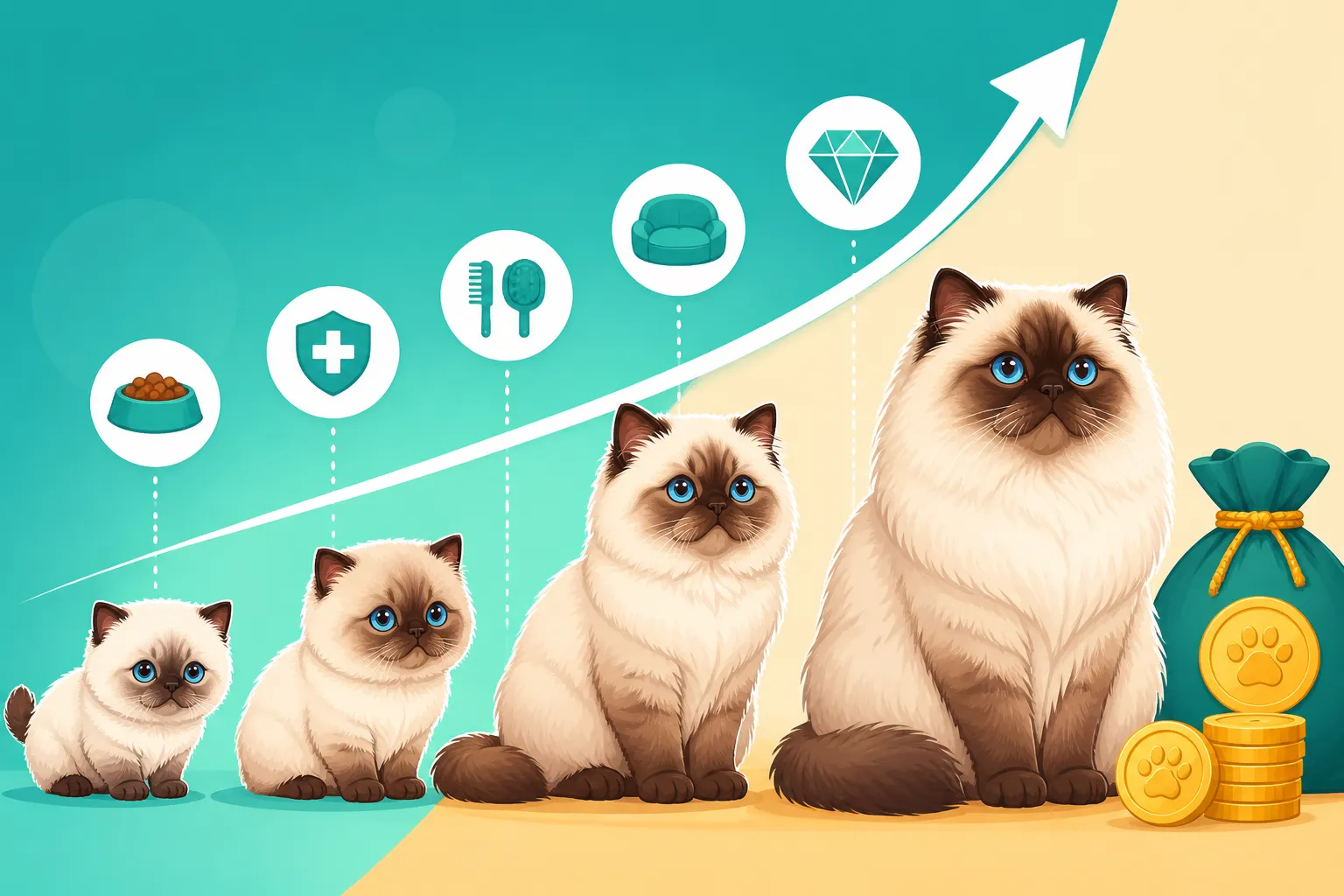
What a Himalayan Costs From Kitten to Fifteen
Bringing a Himalayan cat into your life is an incredibly rewarding experience, filling your home with a fluffy, affectionate companion. However, many prospective owners don't fully realize the financial commitment involved, especially when considering the unique needs of this beautiful breed over its potential lifespan of nine to fifteen years. This comprehensive guide will break down the true costs of owning a Himalayan, from the moment you bring a tiny kitten home to the special care required in its senior years, helping you budget realistically for this cherished family member.
The Initial Investment: Bringing Your Himalayan Kitten Home
The excitement of bringing home a new Himalayan kitten is unparalleled, but it's important to be prepared for the upfront costs that go beyond just the purchase price. These initial expenses lay the foundation for a healthy and happy life for your new companion.
The Kitten's Purchase Price: Quality Over Discount
The price of a Himalayan kitten can vary significantly, often reflecting the breeder's commitment to health testing and responsible breeding practices. You might see kittens advertised for a few hundred dollars, while others from reputable show lines can command a sum many times higher. Why Himalayan Prices Span Five Hundred to Three Thousand is a common question, and it largely comes down to the genetic health guarantees and the quality of care the kitten has received. A lower initial price might seem appealing, but it can often signal a lack of essential health screenings in the parents. Breeders who prioritize health will test their breeding cats for conditions like Polycystic Kidney Disease (PKD) and Progressive Retinal Atrophy (PRA). A breeder providing you with a certificate showing clear genetic tests for both parents is investing in the long-term health of their kittens, and that investment is reflected in the price. What a Himalayan From a Tested Persian Line Costs will be higher than What a Himalayan With No Testing Behind It Sells For, but it can save you thousands in vet bills down the line. It's truly an investment in peace of mind.
This initial cost also covers the kitten's first vaccinations, deworming, and sometimes microchipping. When considering a kitten, always ask about the parents' health records and demand to see the paperwork. Don't be shy about asking about the pedigree and genetic testing results for both parents. The breeder's transparency is a strong indicator of their integrity and the future health of your kitten.
Setting Up Your Himalayan's Sanctuary: Essential Supplies
Once you have your kitten, there's a shopping list of essentials to make them comfortable and safe. These are not optional expenses; they are fundamental to proper care.
First, you'll need a suitable carrier for safe transport, a cozy bed, and food and water bowls designed for their unique face. Himalayans, especially those with flatter faces, often struggle with traditional deep bowls. Look for shallow, wide dishes or elevated bowls that allow them to eat and drink comfortably without bending their whiskers too much or getting food all over their ruff. Which Bowl Shape a Flat Faced Himalayan Can Use can make a huge difference in their dining experience.
Then there's the litter box situation. Himalayans are typically short-legged and cobby, meaning a high-sided litter box can be a real challenge for them to get into. A low-entry box is crucial, especially for kittens and seniors. You'll also need a quality litter; clumping, dust-free options are often best to prevent respiratory irritation from their brachycephalic (flat-faced) structure and to avoid litter clinging to their long fur. Consider a brand like those available on Chewy, which offers a vast selection tailored to specific needs, including low-dust varieties.
The most critical supply, however, is grooming equipment. Your Himalayan's luxurious, dense coat requires daily attention to prevent mats, which can quickly become painful and lead to skin infections. A sturdy steel comb is absolutely essential. What a Steel Comb for a Himalayan's Coat Costs might seem like a small amount, but it’s invaluable. You'll also need a good nail trimmer and soft cloths or wipes for their daily face cleaning routine to manage tear stains and keep their nose fold dry. These are not just cosmetic; they are preventative health measures.
Initial Veterinary Check-Ups and Preventative Care
Even if your kitten comes with its first vaccinations, a visit to your own veterinarian within the first few days is crucial. This initial check-up allows your vet to establish a baseline for your kitten's health, confirm that they are thriving, and discuss a preventative care schedule. This visit will likely include a full physical exam, checking for heart murmurs, ear mites, and assessing their overall conformation, particularly their breathing and dental alignment, given the breed's predispositions.
During this time, your vet might recommend additional parasite prevention, microchipping (if not already done), and discussing a spay or neuter timeline. These procedures are significant one-time expenses but are vital for your cat's health and preventing unwanted litters. It's also an excellent time to talk about pet insurance. Companies like Healthy Paws offer coverage that can be a lifesaver for unexpected medical emergencies or chronic conditions that might arise later in your Himalayan's life. Getting a policy early, before any pre-existing conditions are noted, is often the most financially savvy approach.
The Everyday Costs of Adult Himalayan Life: Years One to Ten
Once your Himalayan settles into adulthood, the initial setup costs give way to a steady stream of ongoing expenses. These are the regular outlays that keep your beloved cat healthy, happy, and looking their best year after year.
Food and Nutrition: Fueling a Cobby Frame
Food is a foundational daily expense, and the choices you make here significantly impact your Himalayan's health and, by extension, your vet bills. Himalayans are not typically high-energy cats; How Many Calories an Adult Himalayan Burns a Day is often lower than more active breeds. This means they can be prone to weight gain if overfed, and Why a Cobby Himalayan Gains on a Portion Another Cat Burns is a common frustration for owners trying to maintain a healthy weight.
Choosing a high-quality cat food, whether it's kibble, wet food, or a combination, is crucial. Wet food can be particularly beneficial for Himalayans, especially those with crowded jaws, as it's easier to eat and provides extra hydration. How Much Wet Food a Flat Faced Himalayan Gets Through can add up, but it helps keep their teeth cleaner and supports kidney health. Fresh, human-grade food tailored to your cat's specific dietary needs might be a consideration for sensitive stomachs or weight management. Always select a food appropriate for their life stage and activity level. Remember that their flat face can make eating certain kibble shapes difficult, so look for smaller, flatter pieces if you opt for dry food.
Regular Grooming and Hygiene: The Daily Ritual
The Himalayan's magnificent coat is its crowning glory, but it comes with a significant daily commitment. This isn't just about aesthetics; it's about health. The Daily Comb a Himalayan Cannot Skip is not an exaggeration. Neglecting their coat, even for a few days, can lead to painful mats that pull at the skin and can hide underlying skin issues. You'll need to continually replenish items like special tear stain wipes for The Morning Face Routine Every Himalayan Needs and possibly a gentle, vet-approved ear cleaner for their small, low-set ears.
Beyond daily combing, you might find yourself needing to trim the fur around their britches to prevent fecal matter from clinging, a common issue for long-haired cats. Some owners even opt for professional grooming every few months for a "lion cut," especially in warmer climates, which is an additional cost. The goal is to prevent mats that would otherwise require a veterinary visit and sedation to remove. This consistent effort prevents minor issues from becoming major, costly problems.
Annual Veterinary Care: Proactive Health Management
Even the healthiest Himalayan needs regular veterinary check-ups. These annual visits are not just about vaccinations; they are comprehensive health screenings designed to catch potential issues early. For Himalayans, specific areas of focus include their eyes, teeth, and kidneys. Why a Himalayan's Vet Year Is Eyes, Teeth and Kidneys highlights the breed's unique predispositions.
Dental Care: Himalayans often have crowded mouths due to their brachycephalic skull structure. This can lead to dental disease, requiring more frequent dental cleanings under anesthesia than other breeds. How Often a Himalayan's Crowded Mouth Needs Cleaning is a conversation you'll have with your vet. Preventative measures, like daily brushing with cat-specific toothpaste (if your cat tolerates it), can help, but professional cleanings are often unavoidable.
Eye Care: Their large, expressive blue eyes can be prone to issues like epiphora (excessive tearing) and entropion (inward-rolling eyelids). Regular cleaning of the tear tracks is essential, and any signs of irritation or discomfort should be addressed promptly by a vet.
Kidney Health: Polycystic Kidney Disease (PKD) is a hereditary condition linked to their Persian ancestry. While responsible breeders test for it, regular kidney monitoring, especially as they age, is prudent. What Scanning a Himalayan's Kidneys Costs is an important part of proactive care for many owners, even if their cat comes from tested lines. Blood tests and urinalysis will become standard parts of their annual check-up to monitor kidney function.
| Cost Category | Description | Frequency |
|---|---|---|
| Food | High-quality kibble, wet food, or fresh food, chosen for life stage and specific needs. | Monthly |
| Litter | Low-dust, clumping litter, ideally in a low-entry box suitable for short legs. | Monthly |
| Grooming | Replenishment of wipes, combs, nail trimmers, occasional professional grooming, ear cleaner. | Ongoing / Quarterly |
| Annual Vet Exam | Comprehensive physical, vaccinations, parasite prevention, bloodwork, urinalysis, dental check-ups, eye exams. | Annually |
| Preventative Meds | Flea, tick, and heartworm prevention (if applicable to indoor lifestyle). | Monthly / Quarterly |
| Pet Insurance | Monthly premiums for accident and illness coverage. | Monthly |
| Toys/Enrichment | Catnip, wand toys, puzzle feeders, scratch posts/pads to keep them stimulated. | Variable |
The Golden Years: Caring for a Senior Himalayan (Ages 10-15)
As your Himalayan enters its senior years, typically around age 10-12, their needs will shift, and with that, the associated costs often increase. This is the period when proactive care truly pays off, but also when age-related conditions may begin to surface. The Nine to Fifteen Years a Himalayan Usually Gets can be a wonderful, extended period if managed carefully.
Escalating Medical Needs and Veterinary Visits
Senior Himalayans often require more frequent veterinary visits, sometimes every six months, to monitor for common age-related conditions. Kidney disease is a particular concern, given their Persian heritage. How Kidney Failure Arrives in a Himalayan Past Twelve means that your vet will be closely tracking blood values like BUN, creatinine, and phosphorus, along with regular urinalysis. Early detection and management can significantly extend their quality of life.
Arthritis can also become a factor, even in a cat that has historically been quite sedentary. They might move a little slower, jump onto furniture less gracefully, or even avoid certain areas. Pain management, sometimes with daily medication, can become a regular expense. Vision and hearing might also decline, and while Whether a Blind Himalayan Notices the Change is often subtle, it requires adjustments around the home and additional vet checks.
Dental issues, which were present in adulthood, can worsen in old age. How Many Teeth a Himalayan Has Lost by Ten is often more than you'd expect, and further extractions or ongoing care for gum disease may be needed, which means more frequent anesthetic procedures. These specialized vet visits, diagnostic tests, and medications can significantly increase your annual veterinary budget.
Specialized Diets and Supportive Care
With age and potential health conditions, your Himalayan's dietary needs will likely change. If kidney disease is diagnosed, a prescription renal diet becomes essential. These specialized foods, whether wet or dry, are formulated to support kidney function and typically cost more than standard adult cat food. Brands found on Chewy or direct from your vet can offer these specific formulations.
Beyond food, senior Himalayans might benefit from supplements, such as omega fatty acids for joint and coat health, or probiotics for digestive support. Ensuring they stay adequately hydrated becomes even more critical, so investing in a wider, shallower water bowl or a pet fountain might be necessary to encourage drinking, especially if they are prone to kidney issues.
You might also find yourself providing more hands-on care. An older Himalayan may not be able to groom itself as effectively, especially their hindquarters or around their face. When an Old Himalayan Can No Longer Reach Its Back means you'll be doing more frequent brushing and cleaning, which, while not a direct financial cost, certainly costs in terms of time and effort. Comfort items like orthopedic beds or heated pads can also improve their quality of life and are an additional expense to consider.
End-of-Life Planning
While difficult to contemplate, it's a responsible part of pet ownership to consider end-of-life care. This might include palliative care to manage pain and discomfort for chronic conditions, or eventually, humane euthanasia when their quality of life significantly diminishes. These services, often including cremation or burial, are important considerations for a complete financial picture of a Himalayan's life.
Hidden Costs and Long-Term Financial Planning for Your Himalayan
Beyond the routine and age-related expenses, there are several "hidden" costs and considerations that can significantly impact the overall financial journey of owning a Himalayan from kittenhood to their senior years. Being aware of these can help you plan more effectively.
The True Cost of "Cheap" Kittens and Genetic Predispositions
As mentioned earlier, the initial price of a kitten can be deceptive. A seemingly "cheap" Himalayan kitten, one that comes without proper health testing or from a backyard breeder, can end up being the most expensive cat you'll ever own. Which Diseases a Himalayan Inherits From Each Parent Breed are numerous, and without proper screening, your cat is at a much higher risk for conditions like PKD, which can lead to chronic kidney failure and lifelong medical management costing thousands. What PKD Did to Himalayan Lines Before the Gene Test was devastating, and you don't want to inadvertently repeat that history in your own home.
Similarly, other inherited conditions like Progressive Retinal Atrophy (PRA) can lead to blindness, incurring diagnostic costs and requiring you to adapt your home for a visually impaired cat. What Retinal Atrophy Does Behind a Himalayan's Blue Eyes is irreversible, but knowing about it helps you prepare. Investing in a kitten from a reputable breeder who conducts health screenings is not just about paying a premium; it's about minimizing the risk of astronomical vet bills and heartbreak down the line.
Pet Insurance: A Financial Safety Net
Pet insurance might seem like an extra monthly bill, but for a breed with specific health predispositions like the Himalayan, it can be an absolute financial lifeline. Policies from providers like Healthy Paws can cover a significant portion of unexpected veterinary costs, from accidents to illnesses, including chronic conditions that develop over time.
It's crucial to understand what a policy covers and, perhaps more importantly, what it doesn't cover. Some policies might have exclusions for breed-specific conditions or flat-faced cat issues. Whether a Himalayan Policy Excludes the Flat Face is a critical question to ask when researching. Getting insurance when your Himalayan is young and healthy is generally the best approach, as pre-existing conditions are almost always excluded from coverage. Over a 15-year lifespan, a serious illness or injury could easily cost many thousands of dollars, far exceeding the cumulative cost of monthly premiums.
Unexpected Expenses and Lifestyle Adjustments
Life with a cat, especially one with a long coat and unique facial structure, can throw unexpected curveballs. You might need to adjust your home environment, invest in air conditioning during warmer months, or use cooling mats because Why a Himalayan Overheats Twice as Fast as a Siamese.
Travel can also be a hidden cost. Due to their brachycephalic airway, many airlines refuse to fly flat-faced breeds in cargo, and those that do often charge a premium for in-cabin travel. This limits your options and increases the cost of travel if you need to bring your Himalayan with you. Boarding facilities may also charge extra for breeds requiring extensive grooming or specialized feeding.
Finally, while difficult to quantify, there's the cost of your time. The daily grooming, face wiping, and attentive care a Himalayan needs are significant. This time commitment, though a labor of love, is a vital part of the overall cost of ownership. What a Himalayan Costs a Year Once the Face Is Counted quickly shows that their unique features demand dedication.
Bringing a Himalayan into your life is a commitment, not just of affection, but of resources. By understanding these financial considerations upfront, you can ensure you're prepared to provide a lifetime of excellent care for your beautiful, fluffy companion.
Disclaimer
This article is for general informational purposes only and does not constitute professional advice. Laws, prices and regulations vary by location and change over time. Consult a qualified professional for guidance on your specific situation.