What a Himalayan With No Testing Behind It Sells For
It's an understandable temptation when you're searching for a new feline companion: you see a listing for a gorgeous Himalayan kitten, seemingly identical to others, but with a price tag that makes your jaw drop in relief. What often isn't immediately obvious, however, is that this "bargain" price frequently comes with a hidden cost – the lack of proper health testing for genetic conditions. This guide will walk you through what a Himalayan without any testing behind its lineage typically sells for, and more importantly, expose the significant risks and potential lifelong expenses you could be signing up for.
The Enticement of a Lower Price Tag
Let's be honest, everyone loves a good deal. When you're dreaming of bringing a beautiful, fluffy Himalayan into your home, the price tag can be a real consideration. It’s natural to gravitate towards options that seem more affordable, especially when the initial visual appeal is just as strong as a more expensive counterpart. This perceived value is exactly what drives the market for Himalayans sold without verifiable health testing.
The Initial Sticker Shock Versus the Perceived Bargain
When you first start looking at Himalayan kittens, you'll notice a wide range of prices. On one end, you have kittens from reputable breeders, often with price tags that can feel substantial. These breeders invest heavily in their cats' health, lineage, and early care, and their prices reflect that commitment. Then, you see listings that are significantly lower, sometimes by hundreds or even a thousand dollars. This difference creates an illusion of a "bargain" – why pay more when you can get a seemingly identical kitten for less? The sticker price for an untested Himalayan can be anywhere from a fraction to perhaps two-thirds of what a properly screened kitten from a responsible breeder might cost. This initial saving often feels like a smart financial move, but it’s crucial to understand what that lower price truly represents.
Consider the excitement of finding "the one" – that fluffy face, those deep blue eyes, that irresistible charm. If the price is half of what you expected, it can be incredibly hard to resist. This is where many well-meaning prospective owners make a decision based purely on the immediate financial outlay, without fully grasping the long-term implications. They see a fluffy bundle of joy, not a potential medical bill waiting to happen. The perceived bargain is powerful because it addresses an immediate desire without revealing the potential future burdens.
Why Untested Himalayans Appear Cheaper
The reason these kittens can be sold for less is straightforward: the seller has bypassed significant expenses associated with responsible breeding. Reputable breeders invest in comprehensive health screenings for their breeding cats. This includes genetic testing for conditions common in the breed, veterinary examinations, and proper pre-natal and post-natal care. All of these steps add up, both in terms of direct costs for tests and vet visits, and in the time and expertise required to manage a healthy breeding program.
When a breeder chooses not to perform these tests, they save money. It’s not just the cost of a single test; it's the ongoing commitment to ensuring the health of their entire breeding line. They might not be feeding premium food, providing regular vet check-ups for the parents, or even maintaining a clean, stimulating environment for the kittens. These cost-cutting measures directly translate to a lower asking price for the kittens. The lack of investment in health and quality care before sale is the primary driver of the reduced price. It’s a shortcut that benefits the seller's wallet in the short term, but often at the expense of the kitten's future health and the new owner's peace of mind.
The Seller's Narrative: Why They Don't Test
You might wonder why a seller wouldn't test. Often, these sellers, sometimes referred to as backyard breeders or less scrupulous operations, will have a ready narrative to justify their lower prices and lack of testing. Common explanations include: "We just love cats, we're not a fancy breeder," "Our cats are healthy, they don't need tests," "Tests are too expensive and just drive up the price for you," or "Our vet said they look fine." These statements, while seemingly reassuring, are red flags.
A responsible breeder understands that many genetic conditions, like Polycystic Kidney Disease (PKD) or Progressive Retinal Atrophy (PRA), can be silent carriers. A cat can look perfectly healthy but still carry and pass on a gene for a devastating disease. Without specific genetic tests or regular veterinary screenings like ultrasounds, there’s simply no way to know for sure. The narrative often tries to shift the focus from proven health to anecdotal health, which is a dangerous game to play with a living creature's well-being. They leverage the buyer's desire for a lower price, making it seem like a benevolent act to save you money, rather than admitting they've cut corners on critical health measures.
Unveiling the Hidden Health Risks
The true cost of an untested Himalayan goes far beyond the initial purchase price. What you save upfront can easily be dwarfed by veterinary bills down the line. Himalayans, being a hybrid of Persian and Siamese ancestry, inherit certain predispositions to genetic conditions from both sides, particularly the Persian. Without proper screening, you're essentially buying a lottery ticket where the prize could be a lifetime of managing chronic illness.
The Specter of Polycystic Kidney Disease PKD1
One of the most concerning genetic conditions prevalent in the Persian lines, and therefore in Himalayans, is Polycystic Kidney Disease (PKD1). This inherited disorder causes numerous cysts to form in the kidneys, progressively enlarging over time and ultimately leading to kidney failure. It’s a devastating disease that can significantly shorten a cat's life and requires intensive, costly management. Many years ago, PKD ran rampant through Persian and Himalayan lines, often causing great suffering.
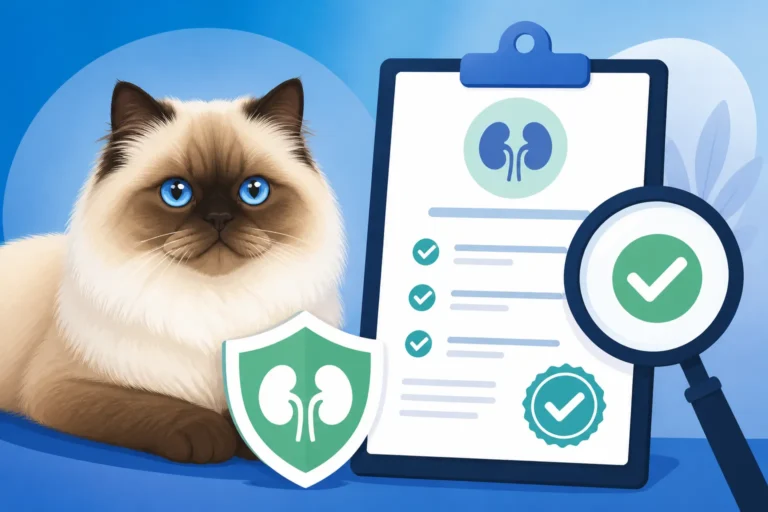
The insidious thing about PKD is that affected cats often show no symptoms in their youth. A kitten can look completely robust and healthy, but be carrying the gene for PKD. Why PKD Needs Only One Copy in a Himalayan is a critical factor here, as only one parent needs to carry the gene for it to be passed on. Imagine bringing home your sweet kitten, only to face a diagnosis of kidney failure years later, knowing it could have been prevented with a simple genetic test on the parents. This is why a reputable breeder will always test their breeding cats for PKD. They can get a definitive answer from a simple cheek swab, making the disease entirely preventable. You can learn How to Read a Himalayan's PKD Certificate to understand what proper documentation looks like. Without such a certificate, you are buying into the unknown, gambling with your cat's future health.
Retinal Atrophy: A Silent Threat to Sight
Another significant genetic concern inherited from the Persian side is Progressive Retinal Atrophy (PRA). This condition leads to the degeneration of the retina, resulting in gradual blindness. Like PKD, a cat can carry the gene and appear perfectly healthy in its early life. However, the condition progresses, often leading to complete blindness by the time the cat is middle-aged, sometimes even younger. How Retinal Atrophy Blinds a Himalayan by Five highlights the severe impact this can have on a young cat's quality of life.
While cats are incredibly adaptable to blindness, it is still a difficult journey for both the cat and its owner. Imagine the heartbreak of watching your beloved companion slowly lose their sight, knowing that a simple genetic test on the parents could have prevented it. Breeders committed to the health of the breed will screen for PRA, ensuring they are not perpetuating this gene within their lines. The consequences of skipping this test are profound, not just for the cat’s vision, but for the emotional and financial strain on the owner. When you look at Which Diseases a Himalayan Inherits From Each Parent Breed, you'll see a pattern of these serious genetic predispositions.
Brachycephalic Airway Syndrome and Other Structural Concerns
Beyond specific genetic diseases, Himalayans, particularly those with the "Peke-face" or extreme flattened facial structure, can suffer from Brachycephalic Airway Syndrome (BAS). This condition encompasses a range of upper airway abnormalities that obstruct breathing, leading to symptoms like noisy breathing, snoring, heat intolerance, and exercise intolerance. In severe cases, it can necessitate costly surgeries to improve airflow. While not directly a "genetic disease" in the same way PKD or PRA are, it is a structural issue often exacerbated by irresponsible breeding practices that prioritize extreme facial features over health.
Untested Himalayans might also come from lines with poor conformation, leading to issues like luxating patellas (slipping kneecaps), dental overcrowding due to shortened jaws, or even hip dysplasia, though less common than in some dog breeds. These aren't always tested for genetically, but reputable breeders pay close attention to the overall health and structure of their breeding animals. The phrase "what you see is what you get" doesn't apply to genetic health, and often, what you don't see in a kitten can be the most expensive problem later on.
The Financial Avalanche of Future Vet Bills
The initial "saving" on an untested Himalayan often proves to be a false economy. What you save in the purchase price can quickly be obliterated by unexpected and ongoing veterinary expenses, turning your dream pet into a source of constant financial worry. This isn't about shaming anyone who's faced these tough situations, but rather empowering new owners to understand the true financial landscape.
Diagnostic Costs for Suspected Genetic Conditions
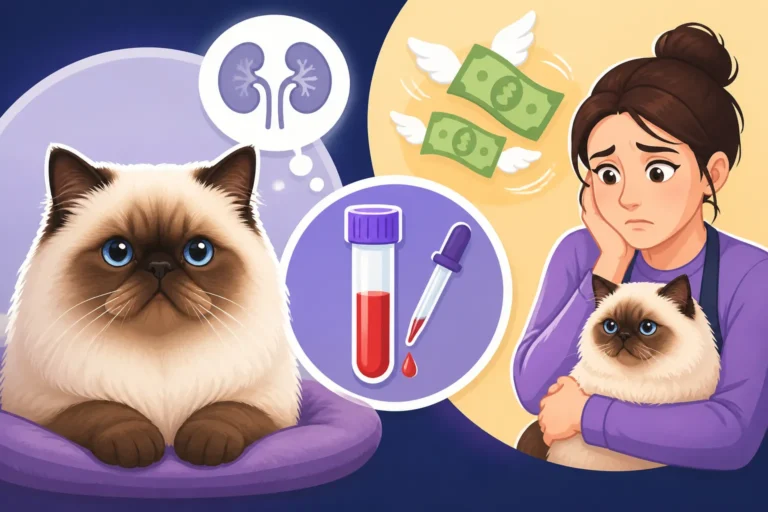
When an untested Himalayan starts showing symptoms of a genetic illness, the diagnostic process alone can be incredibly expensive. If your cat begins to show signs of excessive thirst or changes in urination, your vet will need to perform a series of tests to investigate kidney function. This could include blood work, urinalysis, and perhaps an abdominal ultrasound to look for cysts. How Early Cysts Show on a Himalayan's Kidney Scan means these can be detected even before full-blown symptoms appear, but catching them requires vigilance and professional veterinary attention. These initial diagnostics are not cheap, and they only provide answers; they don't solve the underlying problem.
Similarly, if your cat starts bumping into furniture or showing signs of impaired vision, a veterinary ophthalmologist might be required, leading to specialized eye exams, ERG testing, and other diagnostic procedures. Each step of diagnosis adds to the mounting bill. Unlike a properly bred kitten where parents are verified clear through genetic testing, you're starting from scratch with an untested cat, trying to uncover what might be wrong, rather than knowing what isn't wrong.
Managing Chronic Illnesses in a Himalayan
Once a chronic condition like PKD-related kidney failure or severe Brachycephalic Airway Syndrome is diagnosed, the costs become ongoing. Managing kidney disease involves special prescription diets, which can be pricier than standard kibble, regular blood tests to monitor kidney function, medications to support kidney health and manage symptoms, and potentially subcutaneous fluids administered at home or at the vet. This can easily run into hundreds of dollars a month, for the rest of the cat's life.
For BAS, severe cases may require soft palate resection surgery, nostril widening, or even tracheal stents, procedures that can cost thousands of dollars. These are not one-time expenses but a new reality for the cat's remaining years. The truth is, What Kills a Himalayan Whose Line Was Never Tested is often one of these devastating, preventable genetic conditions. The emotional toll of watching your beloved pet struggle with a chronic illness is immense, compounded by the constant financial strain. This is where pet insurance, like plans offered by Healthy Paws, can become invaluable, helping to cushion the blow of these unforeseen, but often predictable, medical expenses.
The Emotional and Time Investment
Beyond the financial aspect, there's the significant emotional and time investment. Caring for a chronically ill cat is demanding. It means frequent vet visits, administering medications, special feeding routines, and constant vigilance for worsening symptoms. It can be heartbreaking to watch your pet suffer, especially when you know the condition might have been avoided. The joy of pet ownership can quickly be overshadowed by the stress of managing a severe illness.
Think about the quality of life for your cat. A cat struggling to breathe due to BAS may be lethargic and unable to enjoy play. A cat in kidney failure may experience nausea, weight loss, and general malaise. You dedicate your time, your energy, and your heart to their care, and while the love is always there, the situation itself is incredibly tough. It’s a constant reminder that the initial "bargain" was anything but. The adage "time is money" certainly applies here, as the hours spent on veterinary appointments and at-home care pull you away from other aspects of life.
The Ethical Dilemma: Supporting Responsible Breeding
When you choose to purchase a Himalayan without any health testing behind its parents, you're not just making a decision for yourself and your future pet; you're inadvertently supporting a breeding practice that can perpetuate suffering within the breed. It’s a complex issue, and it's easy to feel caught in the middle.
Understanding the Value of a Reputable Breeder
Reputable breeders are passionate advocates for their chosen breed. Their goal is not just to produce beautiful kittens, but to improve the health, temperament, and conformity of the breed over generations. They meticulously research pedigrees, perform extensive health screenings, and invest countless hours in the care and socialization of their cats. What a Himalayan From a Tested Persian Line Costs reflects this significant investment. They understand the genetic risks, like Why a Himalayan's Kidneys Are Checked Before Sedation even for routine procedures, because they've done their homework.
These breeders adhere to ethical guidelines, prioritizing the well-being of their cats above all else. They often have waitlists, ask probing questions about your lifestyle, and offer lifetime support and advice for their kittens. Their commitment goes far beyond the point of sale. They consider themselves stewards of the breed, and their prices reflect the enormous effort, expertise, and financial outlay required to breed responsibly and prevent suffering. When you purchase from such a breeder, you're not just buying a cat; you're investing in a legacy of health and responsible stewardship.
The Impact on the Breed's Future
Every time a cat with an undiagnosed genetic condition is bred, those undesirable genes are passed down to another generation. By purchasing an untested kitten, you are unknowingly contributing to the demand for such kittens, which incentivizes these less-than-ethical breeding practices. It's a cycle that allows preventable diseases to continue plaguing the breed. If there's no demand for untested kittens, there's less incentive for breeders to cut corners.
Responsible breeders work tirelessly to eliminate these genetic diseases from their lines through selective breeding based on test results. This is how the overall health of the Himalayan breed improves over time. Supporting breeders who skip testing undermines these efforts and prolongs the presence of painful, debilitating conditions in future generations of Himalayans. It's a collective responsibility, and as a prospective owner, your purchasing choices have a ripple effect on the breed as a whole.
What to Insist On When Buying a Himalayan
When looking for a Himalayan, don't be afraid to ask direct, pointed questions. Insist on seeing documented proof of parental health testing. For Himalayans, this primarily means genetic testing for PKD and sometimes PRA. A reputable breeder will not only readily provide these certificates but will also be proud to discuss their health protocols with you. They should be able to explain which two certificates a Himalayan breeder owes you and how to verify their authenticity.
Ask about the health history of the parents and grandparents. Inquire about the living conditions of the cats, their diet, and their socialization. A breeder who is hesitant to provide documentation or allow you to see where the kittens are raised is a major red flag. If a breeder states Why a Cheap Himalayan Was Never Kidney Tested, it's a clear indication that you're looking at a high-risk purchase. Your insistence on these standards helps reinforce responsible breeding practices and protects future kittens.
Protecting Your Investment and Your Heart
Bringing a Himalayan into your life should be a source of joy, not constant anxiety about health crises. While even the best-bred cats can have unexpected health issues, there are proactive steps you can take to mitigate risks and ensure you're prepared for whatever life throws your way. This is about being a responsible, loving pet parent and safeguarding your furry family member.
Pet Insurance: A Safety Net for the Unexpected
Even with a thoroughly tested kitten from a reputable breeder, life happens. Accidents occur, and other health issues unrelated to genetics can still arise. This is where pet insurance becomes an invaluable tool. Companies like Healthy Paws offer various plans that can cover a significant portion of veterinary costs for unexpected illnesses or injuries. Imagine the relief of knowing that if your Himalayan suddenly needed emergency surgery or long-term medication, a large part of the financial burden would be eased.
Pet insurance works by reimbursing you for eligible veterinary expenses after you pay your vet bill. Policies can vary widely in terms of deductibles, reimbursement percentages, and what conditions they cover. It's worth researching different providers and plans to find one that fits your budget and offers comprehensive coverage. Starting a policy when your kitten is young and healthy is often the best approach, as pre-existing conditions are typically not covered. This proactive step ensures that you're prepared for the unpredictable nature of pet health, protecting both your finances and your peace of mind.
Choosing Quality Food and Supplements
Nutrition plays a pivotal role in a Himalayan's overall health and longevity. Feeding a high-quality diet appropriate for their age, activity level, and specific needs can prevent many common health issues and support a strong immune system. Given their unique facial structure, finding the right food and bowls is also crucial. Flat-faced breeds sometimes struggle with kibble shape and deep bowls. Retailers like Chewy offer a vast selection of premium cat foods, including specialized diets for sensitive stomachs or other dietary requirements. Many even offer services like auto-ship to ensure you never run out.
Consider also the option of fresh, human-grade cat food. Fresh food can be an excellent choice for a breed like the Himalayan that benefits from optimal nutrition. Discuss dietary choices with your veterinarian, especially if your cat has any specific health concerns. Quality food can often mean a slightly higher upfront cost, but it's an investment in your cat's long-term health, potentially reducing vet visits for diet-related issues. For a Himalayan, Why a Himalayan Needs Dentals Earlier Than a Siamese is a real concern, and proper diet can contribute to dental health.
Proactive Care for a Long and Happy Life
Beyond diet and insurance, consistent, proactive veterinary care is paramount. Regular check-ups allow your veterinarian to catch potential issues early, often before they become major problems. This includes yearly physical exams, vaccinations, and parasite control. For Himalayans, particular attention should be paid to their respiratory system, eyes, and dental health due to their brachycephalic features. Why a Himalayan's Vet Year Is Eyes, Teeth and Kidneys is a good guideline, as these areas often require specialized attention.
Establishing a good relationship with a vet who is knowledgeable about brachycephalic breeds is incredibly beneficial. They can offer guidance on managing tear staining, dental care, and monitoring for any breathing difficulties. Additionally, maintaining a consistent grooming routine is essential for a Himalayan’s long, luxurious coat, preventing mats and skin issues. A clean environment, plenty of fresh water, and appropriate enrichment further contribute to a healthy and happy life. Investing time and effort into proactive care is the best way to ensure your Himalayan thrives for their The Nine to Fifteen Years a Himalayan Usually Gets.
Disclaimer
This article is for general informational purposes only and does not constitute professional advice. Laws, prices and regulations vary by location and change over time. Consult a qualified professional for guidance on your specific situation.