How to Check a Himalayan’s Kidney Certificate Is Real
Bringing a new Himalayan into your home is such an exciting time! You're dreaming of cuddles, playful moments, and that majestic coat. But amidst all that joy, there's often a hidden worry that can creep in for many prospective owners: ensuring your new family member is truly healthy, especially concerning genetic conditions like Polycystic Kidney Disease (PKD). It's incredibly frustrating to invest your heart and resources only to discover later that your beloved cat has an inherited illness that could have been prevented with proper screening. This guide is all about empowering you with the knowledge to scrutinize those all-important kidney certificates, helping you discern genuine health guarantees from mere pieces of paper, and giving you peace of mind that you're welcoming a truly healthy kitten.
Understanding the Importance of a PKD Certificate for Your Himalayan
Let's face it, nobody wants to imagine their beautiful, fluffy kitten facing serious health challenges down the line. For us Himalayan enthusiasts, one of the most significant concerns is Polycystic Kidney Disease, or PKD. This isn't just some abstract veterinary term; it's a real, often devastating condition that has sadly impacted many Persian and Himalayan lines over the years. Understanding why a clear PKD certificate is non-negotiable is the first step in ensuring a long, happy life for your feline companion.
The Silent Threat of Polycystic Kidney Disease in Himalayans
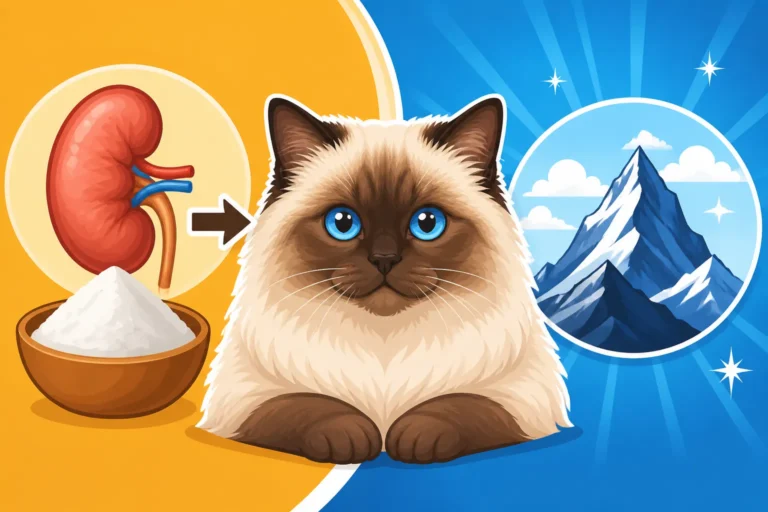
Polycystic Kidney Disease is a genetic disorder where cysts form in the kidneys, slowly growing larger over time and eventually impairing kidney function. Imagine tiny, fluid-filled sacs developing within an organ that's vital for filtering waste from the blood. As these cysts multiply and expand, they displace healthy kidney tissue, leading to a decline in kidney health. The insidious part is that often, there are no outward signs in a kitten or young adult cat. Your Himalayan might seem perfectly fine, bouncing around and enjoying life, while these cysts are silently developing within. Owners often don't realize there's a problem until the disease has progressed significantly, leading to symptoms like increased thirst, weight loss, lethargy, and a poor coat condition – by which point, the damage is already extensive. This is why early testing is so critical; it's a preemptive strike against a truly silent, unwelcome guest. How Young a Himalayan Can Go Into Kidney Failure is a real concern, and a clear certificate helps mitigate that fear.
Why a Clear Certificate is Your Kitten's Health Insurance
Think of a clear PKD certificate as your kitten's ultimate health insurance policy – not the kind you pay monthly for, but the kind that offers peace of mind from day one. When a breeder provides a certificate showing that both parent cats are genetically clear of PKD, it means your kitten has inherited two healthy copies of the gene and cannot develop the disease. This is monumental. It eliminates a major hereditary risk, allowing you to focus on all the other wonderful aspects of cat ownership without the constant worry of a ticking genetic time bomb. It saves you from the heartbreak of watching your beloved pet suffer from kidney failure and the immense financial strain of ongoing veterinary care, specialized diets, and potential treatments that come with managing such a chronic illness. When you choose a kitten from tested lines, you are investing in its future health, and by extension, your own emotional and financial well-being.
What PKD Did to Himalayan Lines Before the Gene Test
It's hard to imagine now, with readily available genetic testing, but there was a time when PKD was a rampant problem in many Persian and Himalayan pedigrees. Breeders loved the look of these cats, but they were often unknowingly passing on this devastating gene. Kittens would grow up, sometimes live a few years, and then slowly, tragically, succumb to kidney failure. It was a heart-wrenching cycle of loss and confusion because no one fully understood the cause. Many beloved cats were lost, and dedicated breeders faced immense frustration trying to improve their lines without the tools we have today. The development of a genetic test was a game-changer, allowing breeders to identify carriers and affected cats, and responsibly remove them from breeding programs. This historical context really underscores why checking that certificate isn't just a formality – it's a testament to progress and ethical breeding practices that have literally saved countless lives. What PKD Did to Himalayan Lines Before the Gene Test is a sobering reminder of why this vigilance is necessary.
Key Elements of a Legitimate PKD Certificate
So, you've got a document in your hand that a breeder tells you is a PKD certificate. Great! But how do you know it's the real deal and not just some hastily printed paper? A genuine PKD certificate isn't just a "yes" or "no" answer; it's a detailed document that contains specific, verifiable information. Knowing what to look for can prevent a lot of heartache down the road.
The Cat's Identity and Breeder Information
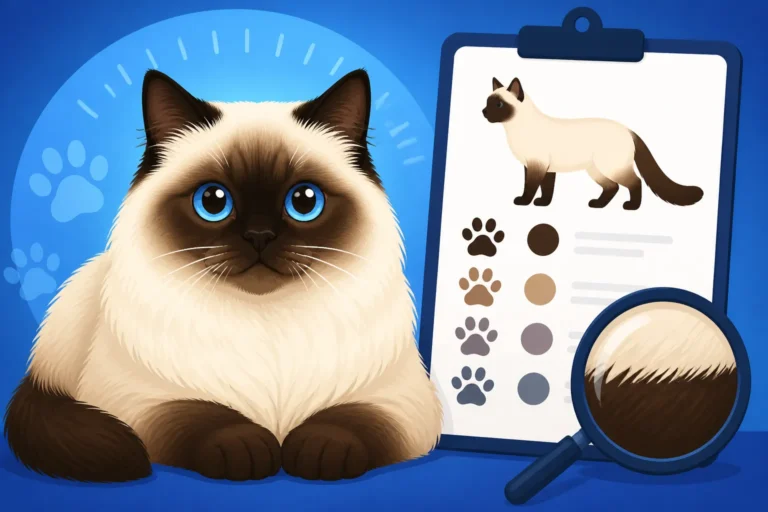
First and foremost, a legitimate PKD certificate must clearly identify the cat that was tested. This usually includes:
- Full Registered Name of the Cat: This should match the name on the cat's pedigree papers, including any cattery prefixes. It's not just "Fluffy" but "CatteryName's Fluffy Dreams."
- Registration Number: Most pedigreed cats will have a unique registration number from a cat association like CFA or TICA.
- Microchip Number or Tattoo: This provides an undeniable link between the physical cat and the test result. If the cat doesn't have one, ask why not.
- Breed and Color: While perhaps less critical for the test itself, it helps confirm the identity of the animal.
- Owner/Breeder Information: The certificate should clearly state who submitted the sample for testing. This name should align with the breeder you are dealing with.
Without this specific identification, the certificate could belong to any cat, anywhere. Imagine being shown a certificate for a cat named "Bella" when your kitten's mother is "Princess Fluffybutt" – it just doesn't add up. Ensure every detail matches what you know about the parent cats.
Laboratory Details and Testing Method
Equally important are the details about where and how the test was performed. Reputable genetic testing for PKD in Himalayans is typically done by specialized veterinary genetics laboratories. Look for:
- Laboratory Name and Contact Information: This should be a professional, established genetic testing lab, not just an individual or a general veterinary clinic (though the vet collects the sample, the lab does the analysis). You should be able to look up this lab online and contact them if needed.
- Date of Sample Submission and Result: This shows the recency of the test.
- Testing Method: For PKD, the most common and reliable test is a DNA test, often performed on a cheek swab. The certificate should specify "DNA test for PKD1" or similar. Why a Cheek Swab Clears a Himalayan for PKD explains the convenience and reliability of this method. Avoid anything that simply says "vet check" or "physical exam" for PKD, as these cannot reliably detect the genetic presence of the disease. Ultrasound can detect cysts, but the DNA test is the definitive way to confirm the genetic mutation.
The Clear Result and What It Means
Finally, the result itself is paramount. For a Himalayan to be considered clear of PKD, the certificate should explicitly state a "clear," "negative," or "N/N" result. This means the cat does not carry the gene for Polycystic Kidney Disease and therefore cannot develop it or pass it on to its offspring.
A common format for genetic test results is:
| Result Term | Meaning for PKD1 | Implication for Breeding |
|---|---|---|
| N/N (Homozygous Normal) | The cat does not have any copies of the PKD1 mutation. | Can be bred with any cat; offspring will not inherit PKD from this parent. |
| N/PKD1 (Heterozygous) | The cat has one copy of the PKD1 mutation and one normal copy. | Will likely develop PKD; should NOT be bred. |
| PKD1/PKD1 (Homozygous Affected) | The cat has two copies of the PKD1 mutation. | Will develop PKD; should NOT be bred. |
You absolutely want to see "N/N" for both parents of your kitten. If a cat is N/PKD1, it means they are a carrier and will almost certainly develop the disease, even if they show symptoms later in life. Any cat with the PKD1 gene should never be bred, as it perpetuates the disease. Whether a PKD Positive Himalayan Should Ever Be Bred is a topic every responsible breeder takes seriously.
Red Flags and Warning Signs of a Fake Certificate
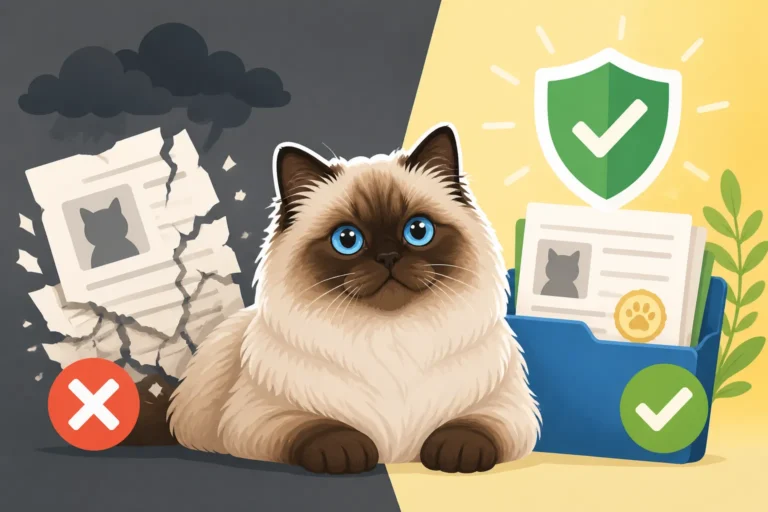
Unfortunately, in the quest for quick sales and perceived legitimacy, some individuals might present fraudulent or misleading documentation. Knowing what doesn't look right is just as important as knowing what should be there. Your gut feeling is a powerful tool here – if something feels off, it probably is.
Vague or Missing Information
This is perhaps the biggest red flag. A legitimate certificate is precise. If you see a document that:
- Lacks a specific cat identification: No microchip, no full registered name, just a generic "parent cat" label.
- Omits the testing lab's full name or contact info: A generic logo or a name you can't verify online.
- Doesn't specify "PKD1 DNA test": It might just say "kidney health screen" which could mean a basic vet check-up, not a genetic test.
- Is handwritten or looks unprofessional: While some smaller labs might have simpler layouts, major genetic testing labs usually have standardized, professional-looking reports.
- Has an old date without follow-up: Genetic tests are usually lifetime valid, but if the certificate is from, say, 15 years ago and the breeder claims it applies to all their current cats, it’s suspicious. Each breeding cat needs its own certificate.
If you find yourself having to ask "What does this mean?" or "Whose cat is this?" more than once, it's a sign that the information provided is insufficient and potentially deceptive.
Inconsistencies and Typos
Attention to detail matters, especially when it comes to health documentation. Poorly forged documents often contain errors that give them away:
- Misspellings: The breeder's name, the cat's name, the breed, or even the disease name itself might be misspelled. Reputable labs have quality control.
- Inconsistent fonts or formatting: Look for areas where the text suddenly changes font, size, or alignment, suggesting parts have been altered or copied and pasted from different sources.
- Dates that don't make sense: A cat born after the test date, or a test date that predates the common availability of the genetic test.
- Photo inconsistencies: Sometimes a picture of the cat is included. Does it clearly match the parent cat you've seen, or does it look generic?
- Generic or stock images: If a certificate includes a picture, make sure it's actually of the cat in question, not a stock photo of a Himalayan found online.
These small errors can indicate a lack of professionalism at best, and outright fraud at worst. Don't be afraid to point them out and ask for clarification.
Certificates from Unknown or Unaccredited Labs
While there are many excellent genetic testing labs, some "labs" pop up that are less reputable or simply unaccredited. If the lab name isn't familiar or easily verifiable with a quick online search, proceed with extreme caution. Look for labs that are recognized within the veterinary community or by major cat registries.
Consider this table for differentiating:
| Feature | Reputable Lab Certificate | Suspicious Certificate |
|---|---|---|
| Lab Name | Well-known (e.g., Optimal Selection, UC Davis, Langford) | Obscure, generic, or unsearchable |
| Cat ID | Full registered name, microchip/tattoo, breed/color | Generic name, no microchip, vague breed |
| Test Type | "DNA test for PKD1" or specific genetic marker | "Kidney health check," "vet exam," or undefined test |
| Result Format | N/N, Clear, Negative (with explicit genetic detail) | Simply "Healthy," "Good," or ambiguous terms |
| Professionalism | Clear, consistent formatting; official logos; no typos | Poorly formatted; typos; inconsistent fonts; blurry images |
| Verification | Lab contact info provided, often with online lookup portal | No clear way to independently verify |
When you're looking for supplements or specialized food for your future cat, you'd probably turn to a trusted source for quality. You should apply the same rigorous standards to your cat's health certificates.
Verifying the Certificate's Authenticity with Third Parties
Even if a certificate looks good on the surface, taking an extra step to verify its authenticity with an independent third party is always a smart move. This isn't about distrusting your breeder; it's about being a responsible pet owner and performing due diligence for the health of your future companion.
Contacting the Issuing Laboratory Directly
The most direct and reliable way to verify a genetic health certificate is to contact the issuing laboratory directly. Most reputable genetic testing labs understand that prospective pet owners will want to confirm results and often have a system in place for this.
Here’s how you can do it:
- Locate the Lab's Contact Information: This should be clearly printed on the certificate itself. If not, search for the lab's official website.
- Provide Necessary Information: When you contact them (usually via email or phone), be prepared to provide the cat's full registered name, microchip or tattoo number, and the test certificate number (if present). Some labs even have online portals where you can enter this information and verify the results yourself.
- Confirm the Result: The lab will confirm whether the provided certificate matches their records for that specific cat and the reported "clear" result.
This step is incredibly powerful because it cuts through any potential misrepresentation. If the lab has no record of the certificate or the cat, you know you have a serious problem.
Consulting with Your Veterinarian
Your trusted veterinarian can be an invaluable ally in this process. While they might not be able to directly verify a genetic lab's report, they can:
- Review the Document: A vet can look at the certificate and tell you if it looks legitimate in terms of format, content, and the type of testing performed. They can spot inconsistencies or questionable elements that you might miss.
- Explain the Implications: They can further explain what "N/N" or "clear" truly means for your Himalayan's health and what potential risks you avoid.
- Advise on Further Steps: If there are any doubts or red flags, your vet can advise you on whether further testing (like an ultrasound for PKD cysts, which is a different test from the genetic one but can confirm the presence of disease if the genetic test is suspect) or additional scrutiny is warranted.
Building a relationship with a good veterinarian early on, even before you bring your kitten home, is always a great idea. They'll be a partner in your cat's health journey for years to come, and can even discuss proactive health planning, including pet insurance options from providers like Healthy Paws for general health coverage, once your kitten is home.
Cross-Referencing with Breed Registries
Some national and international cat registries, like the Cat Fanciers' Association (CFA) or The International Cat Association (TICA), might have programs where breeders can submit health test results to be recorded on a cat's official pedigree or in a public database. This isn't universal for all health tests or all registries, but it's worth exploring.
- Check the Registry's Website: Visit the official website of the registry your kitten's parents are registered with. Look for sections related to health databases or verified pedigrees.
- Inquire Directly: You might be able to contact the registry directly with the cat's registration number and ask if they have verified health clearances on file for that particular cat.
While this isn't always a guaranteed method for every single test, it adds another layer of transparency and verification. A breeder who actively submits their health testing results to a recognized registry demonstrates a higher level of commitment to transparency and ethical breeding practices. Remember, What Your Himalayan's Certificate Actually Says and Which Two Certificates a Himalayan Breeder Owes You are important details to confirm.
Ultimately, ensuring the authenticity of a PKD certificate is a critical step in bringing a healthy Himalayan into your life. It's about empowering yourself with knowledge, asking the right questions, and being thorough. A responsible breeder will welcome your diligence, as it reflects their own commitment to the health and well-being of their cats.
Disclaimer
This article is for general informational purposes only and does not constitute professional advice. Laws, prices and regulations vary by location and change over time. Consult a qualified professional for guidance on your specific situation.