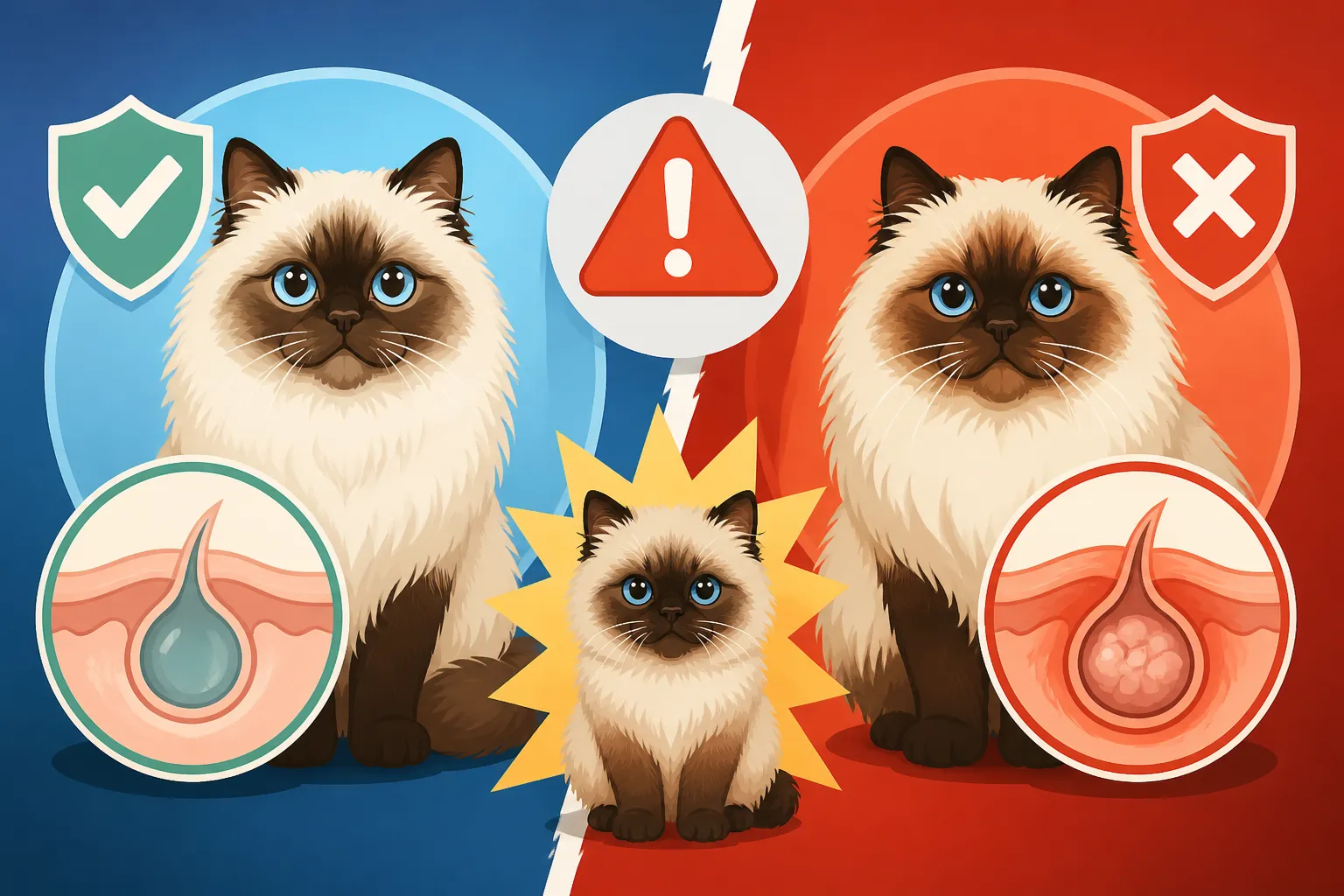
Why One Cyst Free Himalayan Parent Is Not Enough
It's a common, yet utterly heartbreaking, misconception among many who adore Himalayan cats: the idea that if just one parent is confirmed cyst-free, the kittens are automatically out of the woods for Polycystic Kidney Disease (PKD). This belief, while seemingly logical on the surface, unfortunately doesn't stand up to the genetic realities of this devastating inherited condition. Far too many families have experienced the profound sadness of a beloved feline companion succumbing to kidney disease, only to discover too late that a single clear parent simply wasn't enough. This guide will meticulously explain why both Himalayan parents must be tested and clear to genuinely protect future generations, empowering you to make informed decisions for your furry friend.
The Unseen Genetic Risks: Why One Clear Parent Isn't Enough
The journey of bringing a Himalayan cat into your home is filled with joy, anticipation, and dreams of a long, happy life together. However, lurking beneath the surface of seemingly healthy parents can be a genetic time bomb: Polycystic Kidney Disease (PKD). This isn't just a random illness; it's an inherited condition with a clear genetic pathway, and understanding that pathway is absolutely crucial.
Understanding Autosomal Dominant Inheritance in PKD
PKD in Himalayans is inherited in an autosomal dominant fashion. What does that mouthful mean in plain English? It means that a cat only needs to inherit one single copy of the faulty gene to develop the disease. It's not like some other genetic conditions where a cat needs two copies (one from each parent) to be affected. If even one parent carries that dominant gene, there's a very real, very high chance their kittens will inherit it too.
Imagine it like this: if one parent is genetically clear (we'll call them N/N, meaning no copies of the PKD gene), but the other parent carries one copy of the PKD gene (P/N, meaning one normal gene, one PKD gene), then every single kitten in that litter has a 50% chance of inheriting the PKD gene. That's right, half the litter could be affected. This isn't a small risk; it's a roll of the dice where half the numbers are "future kidney disease." This is why relying on just one clear parent is such a dangerous gamble. You might get lucky, but you're just as likely to face the crushing reality of a kitten destined for a life of renal challenges.
The Silent Carrier: When a Cat Looks Healthy But Isn't
One of the most insidious aspects of PKD is that it doesn't always show up immediately. A cat carrying the gene might appear perfectly healthy for years, especially in its younger, prime breeding age. The cysts that characterize PKD start out incredibly small, often microscopic, and slowly, progressively grow over time. This means a breeder might scan a cat at a young age, see no visible cysts, and mistakenly believe the cat is "clear." However, an ultrasound scan, while a valuable tool, is not always definitive, especially if performed too early or interpreted by someone inexperienced. It can easily miss tiny, nascent cysts.
This is where the genetic test, typically done via a simple cheek swab, becomes the absolute gold standard. The Why a Cheek Swab Clears a Himalayan for PKD explains this in detail. This DNA test doesn't look for cysts; it looks for the gene itself. If a cat has the gene, it has PKD, regardless of whether cysts are visible yet. The disappointment of realizing a cat was a silent carrier, often after a kitten has already developed issues, is a profound heartbreak. Many responsible breeders made this mistake years ago before the gene test was widely available, thinking their "cyst-free on ultrasound" cats were truly clear. We now know better.
The Devastating Impact of Inherited PKD
The consequences of breeding from even one PKD-positive parent are far-reaching and deeply unfortunate. It's not just a matter of inconvenience; it's a matter of significant suffering for the cat and immense emotional and financial strain for the owner.
When Cysts Develop and Kidneys Fail
PKD manifests as fluid-filled sacs, or cysts, within the kidney tissue. These cysts are present from birth, though they are microscopic. Over a cat's lifetime, these cysts slowly but steadily enlarge, gradually replacing healthy kidney tissue. As more and more functional kidney tissue is displaced by these non-functional cysts, the kidneys become less and less efficient at filtering waste from the blood.
Symptoms often don't appear until a significant portion of the kidney is already compromised, typically later in life – often between ages five and seven, but sometimes even earlier. When symptoms do emerge, they are those of chronic kidney disease: increased thirst, increased urination, weight loss, lethargy, poor appetite, and vomiting. The progression is irreversible, and while veterinary care can manage the symptoms and slow the decline, there is no cure. The cat will eventually succumb to kidney failure. How Early Cysts Show on a Himalayan's Kidney Scan illustrates how these cysts become detectable. The emotional toll of watching your beloved companion fade from such a preventable illness is truly immense. How Young a Himalayan Can Go Into Kidney Failure is a stark reminder of how unpredictable this disease can be, even with seemingly mild cases.
The Ethical Imperative for Double Clear Breeding
For anyone involved in the world of Himalayan cats, whether as a breeder or a potential owner, there's a strong ethical obligation to ensure the health and well-being of these magnificent animals. Responsible breeding isn't just about producing beautiful cats; it's fundamentally about producing healthy ones. Actively working to eliminate devastating genetic diseases like PKD from breeding lines is the cornerstone of ethical practice.
By ensuring both parents are genetically clear of PKD, breeders prevent generations of suffering. They are making a conscious choice to improve the overall health of the breed, rather than perpetuating a known genetic fault. This commitment to double clear breeding reflects a deep respect for the cats themselves and for the families who will welcome them into their homes. It's an investment in a healthier future for the Himalayan breed as a whole, moving past the days when What PKD Did to Himalayan Lines Before the Gene Test caused widespread heartbreak.
What a Responsible Himalayan Breeder Must Do
If you're looking for a Himalayan, your best defense against PKD is to find a truly responsible breeder. This means knowing what questions to ask and what documentation to demand.
The Importance of Genetic Testing for Both Parents
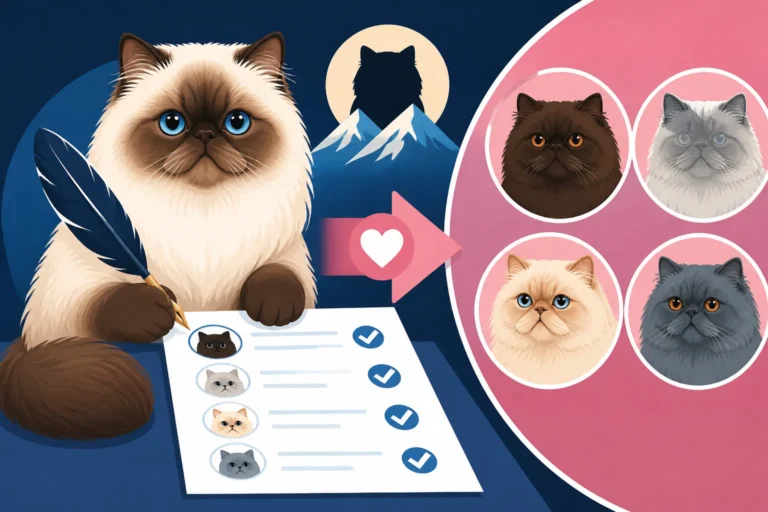
A reputable Himalayan breeder will not only be aware of PKD but will be proactive in testing their entire breeding program. This means genetic DNA testing for both the queen (mother) and the stud (father) of any litter. This isn't optional; it's fundamental. The DNA test identifies the actual gene, meaning there's no ambiguity about whether a cat carries the PKD gene or not.
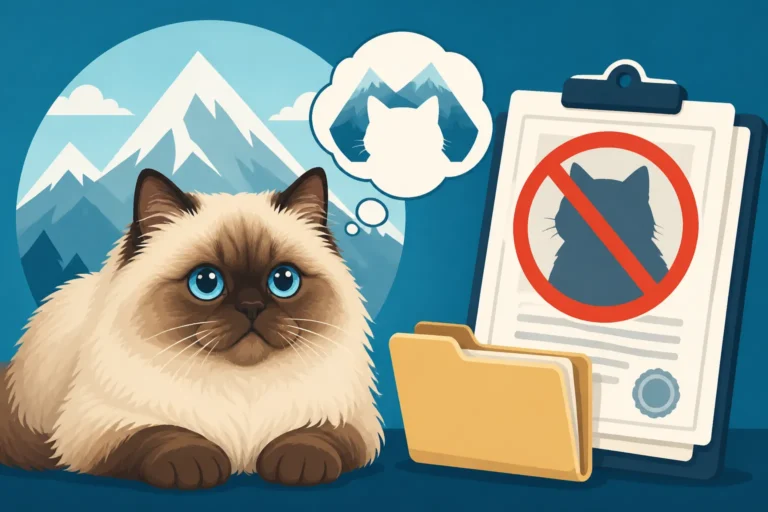
When you inquire about a kitten, a responsible breeder should be eager to show you the genetic test certificates for both parents. These certificates should clearly state that both parents are N/N (negative/clear) for the PKD gene. Anything less than this, such as "parents were scanned clear," or "only the mother was tested," is a significant red flag. You should be able to see the specific results, not just be told about them. Some breeders might even use services that link testing directly to pedigree databases, offering complete transparency.
You can often discuss this with your regular vet, who might have resources for genetic testing or can point you to reputable labs. Companies like Chewy, while primarily a pet supply retailer, often partner with veterinary services or can provide information on where to find reliable genetic testing resources for cats. The upfront cost of these tests is minimal compared to the lifelong costs and heartache of caring for a PKD-affected cat. This is why Which Two Tests Belong on Every Himalayan Pedigree is such a critical question to ask any potential breeder.
Beyond Just PKD: Comprehensive Health Screening
While PKD is a major concern, it's not the only health consideration for Himalayans. A truly responsible breeder goes above and beyond, engaging in comprehensive health screening for all their breeding cats. This includes regular veterinary check-ups, ensuring good dental health (especially important for flat-faced breeds like Himalayans where crowded teeth can be an issue), and screening for other inherited conditions that can affect the Persian lineage, such as Hypertrophic Cardiomyopathy (HCM).
Breeders are stewards of the breed, and their commitment should extend to the overall well-being and genetic diversity of their lines. They should be able to discuss their vaccination protocols, parasite prevention, and the quality of nutrition they provide their cats. Good nutrition is foundational to a cat's health and can help support organ function, even for cats that may unfortunately develop issues down the line. Understanding Every Himalayan Inherits Two Disease Lists, Not One helps put these broader health considerations into perspective. When you can comfortably feel How to Find a Himalayan's Ribs Through a Persian Coat, you know a breeder is paying attention to healthy weight, which is another aspect of responsible care.
Protecting Your Future Himalayan: What Buyers Need to Ask For
As a prospective owner, you are the first line of defense for your future cat's health. Don't be shy about asking direct, pointed questions and insisting on proof.
Demanding Proof of Parentage and Testing
When you're ready to bring a Himalayan kitten home, your homework doesn't stop at finding a cute face. It’s absolutely imperative that you demand concrete proof of parentage and, more specifically, the genetic health testing results for PKD for both parents. Don't accept verbal assurances or vague statements. Ask for copies of the actual certificates from the genetic testing laboratory. These documents should clearly identify the cat by its registered name and microchip number, and unequivocally state "N/N" (normal/clear) for the PKD gene.
If a breeder tells you "the kitten has been vet-checked" or "the parents look healthy," understand that this is not the same as genetic testing. A vet check confirms the kitten is outwardly healthy at that moment, but it can't tell you if it's genetically predisposed to PKD or other hidden conditions. A reputable breeder will be proud to share this documentation with you, as it demonstrates their commitment to producing healthy cats. If a breeder hesitates, makes excuses, or refuses to provide these critical documents, it is an undeniable red flag. Walk away. Your heart and your wallet will thank you in the long run. Knowing Which Two Certificates a Himalayan Breeder Owes You and How to Read a Himalayan's PKD Certificate will empower you to vet breeders properly.
The Value of Health Guarantees and Insurance
Even with all the best intentions and meticulous genetic testing, life can still throw curveballs. A responsible breeder will often provide a health guarantee for their kittens, especially concerning inherited conditions like PKD. This guarantee typically outlines what recourse you have if your kitten develops a covered genetic illness within a specified timeframe. Read any such guarantee carefully to understand its terms and limitations.
Beyond breeder guarantees, investing in pet insurance is a wise decision for any cat owner, but especially for a Himalayan. Even from genetically clear parents, no animal is immune to unforeseen accidents or illnesses. Providers like Healthy Paws offer comprehensive pet insurance plans that can cover a significant portion of veterinary costs for unexpected health issues, from accidents to sudden illnesses. While genetic testing drastically reduces the risk of PKD, having pet insurance provides an essential safety net for everything else life might throw at your feline companion. It's about being prepared for the unexpected, ensuring you can always provide the best possible care without being overwhelmed by financial concerns.
Here's a quick overview of breeding outcomes based on PKD gene status:
| Female Parent PKD Status | Male Parent PKD Status | Risk to Kittens (Each Kitten) | Ethical Breeding Standard |
|---|---|---|---|
| N/N (Clear) | N/N (Clear) | 0% Risk of PKD | Yes, this is the goal! |
| N/N (Clear) | P/N (Carrier) | 50% Risk of PKD | No, unethical |
| P/N (Carrier) | N/N (Clear) | 50% Risk of PKD | No, unethical |
| P/N (Carrier) | P/N (Carrier) | 75% Risk of PKD (25% P/P) | Absolutely not! |
N/N = No PKD gene (Clear), P/N = One PKD gene (Carrier), P/P = Two PKD genes (Affected, usually severe)
Remember, the standard for responsible breeding is 100% clear parents. Anything less introduces an unacceptable risk to the kittens and their future families. The joy and companionship a Himalayan brings are immeasurable, and ensuring their health starts with making informed, assertive choices as a buyer.
Disclaimer
This article is for general informational purposes only and does not constitute professional advice. Laws, prices and regulations vary by location and change over time. Consult a qualified professional for guidance on your specific situation.