Why a Himalayan’s Papers May Never Say Himalayan
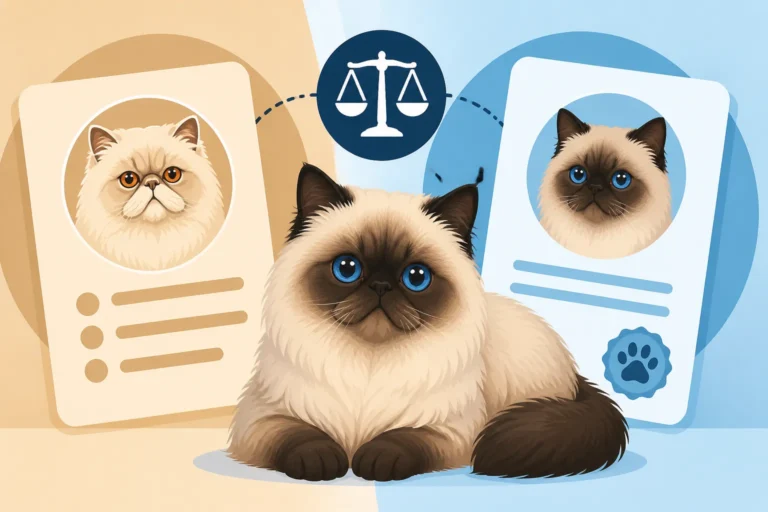
One of the most surprising things many new Himalayan cat owners discover is that the official paperwork for their beloved feline companion might not actually bear the name "Himalayan." This can be incredibly confusing and even frustrating, leaving you wondering if you've been misled or if your cat is truly the breed you thought it was. This guide will walk you through the historical reasons and current realities behind why your Himalayan's papers might read "Persian" or "Colorpoint Persian," explaining exactly what it means for you and your furry friend.
The Historical Roots of the Himalayan's Paperwork Predicament
To understand why your Himalayan's papers might not say "Himalayan," we need to take a little trip back in time to when these magnificent cats were first developed. The Himalayan was intentionally created by crossing Siamese cats with Persians, aiming to combine the striking colorpoint pattern and blue eyes of the Siamese with the long, luxurious coat and docile temperament of the Persian. It was quite an endeavor!
How the Himalayan Came to Be Recognized (and Then Reclassified)
The journey to formal recognition for the Himalayan was a long one, spanning several decades of dedicated breeding efforts. Researchers at Harvard in the 1930s laid some of the foundational genetics, proving that the colorpoint trait could be introduced into the Persian lineage. Over time, breeders refined the look, establishing a distinct breed that captivated cat lovers. The Himalayan Was Made at Harvard in the 1930s is a fascinating read about its origins. By the mid-1950s, the Himalayan had earned its own championship status with major cat registries in North America, a huge achievement that solidified its place as a unique and adored breed.
For years, it was its own category, competing in shows and registered under its own name. Breeders poured their hearts into developing specific lines and upholding the Himalayan standard. Imagine the excitement and pride that came with seeing "Himalayan" printed clearly on a champion's pedigree! This identity was deeply ingrained in the cat community.
The CFA's Pivotal Decision in 1984
Then came 1984, a year that dramatically reshaped the identity of the Himalayan in the eyes of many. The Cat Fanciers' Association (CFA), one of the largest and most influential cat registries, made the monumental decision to fold the Himalayan into the Persian breed. This meant that, for CFA, Himalayans were no longer a separate breed but rather a "Colorpoint Persian" division of the Persian breed. For breeders and owners who had long celebrated the Himalayan's distinct identity, this was a significant shift, and for many, a point of confusion that persists to this day. Why CFA Folded the Himalayan Into the Persian in 1984 delves into the reasons behind this change.
This reclassification wasn't about denying the Himalayan's unique characteristics or heritage; rather, it was a decision based on the genetic realities and the shared physical traits. CFA recognized that the Himalayan was, essentially, a Persian with the specific genetic modification for colorpoints. From a pure genetic standpoint, they are indeed closely related. However, for an owner, it meant that their cat's official CFA registration papers would now state "Persian" with a designation like "Colorpoint Persian," not "Himalayan." This could be jarring, especially if you were expecting a document proudly proclaiming "Himalayan."
Navigating the Modern Registry Landscape for Himalayans
The 1984 decision by CFA created a dual reality for Himalayan owners. While one major registry integrated them, others maintained their separate status. This means that depending on where your cat was bred and registered, the paperwork can look quite different. It's a bit like having different rulebooks for the same game, and it can definitely make understanding your cat's official lineage a bit more complicated than it needs to be.
How Different Registries Handle the Himalayan Name
The situation varies significantly between different cat registries. While CFA opted for integration, other prominent organizations have chosen to maintain the Himalayan as its own distinct breed. For example, The International Cat Association (TICA) still recognizes and registers the Himalayan as a separate breed, with its own specific standards and show categories. TICA Still Registers the Himalayan as a Breed of Its Own is important context here. This means that if your cat is registered with TICA, its papers will likely say "Himalayan," which aligns with many owners' expectations and perceptions of the breed.
The existence of these differing approaches leads to a fascinating and sometimes frustrating scenario where the "identity" of your cat, at least on paper, depends on which organization's rules are being followed. A breeder might register a kitten with one organization for one reason, and another with a different group for another. It truly highlights Why the Himalayan Argument Is About Paperwork, Not Cats.
The Impact on Pedigrees and Show Rings
This registry split has practical implications, particularly for breeders and those interested in showing their Himalayans. In a CFA show, your Himalayan would compete within the Persian category, under the "Colorpoint Persian" division. Judges are looking for the same Persian body type, head shape, and coat quality, but with the added criteria of correct point coloration and striking blue eyes. Meanwhile, in a TICA show, your Himalayan would compete against other Himalayans, judged against its own specific breed standard.
For the average pet owner, the direct impact on daily life might seem minimal, but it can affect things like understanding breeding lines and health guarantees. When looking at a pedigree, it's crucial to know which registry issued it and what their classification means. A document might list "Persian (Himalayan Division)" or simply "Colorpoint Persian" from a CFA-affiliated cattery, while a TICA-registered cat would show "Himalayan." It's not about one being "more correct" than the other, but about understanding the context. How to Read the Breed Line on a Himalayan Pedigree provides more insights.
What Your Himalayan's Papers Will Say and What They Won't
So, what should you actually expect to see when you receive your Himalayan's official documents? It's important to be prepared so you're not caught off guard, especially if you're a first-time owner of this wonderful breed. Knowing what to look for, and what not to expect, will save you a lot of confusion and ensure you have all the necessary information about your cat's lineage.
Deciphering the Official Wording
If your Himalayan is registered with the CFA, its papers will typically list "Persian" as the breed, followed by a designation like "Colorpoint Persian." You won't see the word "Himalayan" as a standalone breed name on these official documents. This is simply how CFA categorizes them. It's their way of acknowledging the unique color pattern while reinforcing the genetic and physical ties to the Persian breed. It's really just a matter of semantics on paper, not a reflection of your cat's actual appearance or personality.
For cats registered with TICA or other organizations that maintain the Himalayan as a separate breed, the papers will indeed say "Himalayan." This can be a point of pride for many owners and breeders who prefer the distinct identity. So, before you receive your kitten's papers, it's always a good idea to ask your breeder which registry they use and what wording you should expect. This clear communication upfront can prevent any misunderstandings later. What Your Himalayan's Certificate Actually Says covers this in more detail.
The Importance of the Pedigree Beyond the Name
Regardless of whether the papers say "Himalayan" or "Colorpoint Persian," the true value of the pedigree lies in the information it contains about your cat's ancestry. A well-documented pedigree will list the cat's parents, grandparents, and often great-grandparents, along with their registration numbers, colors, and sometimes even titles won in shows. This lineage is incredibly important for several reasons, especially concerning health.
A good breeder will use the pedigree to demonstrate a history of responsible breeding, including testing for common genetic conditions that can affect both Persians and Himalayans. For instance, the Persian side of the Himalayan lineage carries a risk for Polycystic Kidney Disease (PKD). A reputable breeder will ensure that the parents have been tested and are clear of the PKD gene. This information, or a reference to it, should be available through the pedigree or accompanying health certificates. For peace of mind, make sure you know Which Two Tests Belong on Every Himalayan Pedigree. This historical record, not just the breed name, provides invaluable assurance about your cat's genetic background and potential health outlook.
Practical Implications for Owners: Beyond the Name on the Paper
While the name on the papers might seem like a minor detail, understanding this nuance can have several practical implications for you as a Himalayan owner, from health considerations to insurance and even everyday care product choices. It's about being an informed advocate for your feline companion.
Health Guarantees and Insurance Considerations
When you acquire a Himalayan kitten, a responsible breeder will often provide a health guarantee. This guarantee is tied to the cat's genetic health, and whether the papers say "Himalayan" or "Colorpoint Persian," the genetic risks are the same because the underlying genetics are Persian with the colorpoint modifier. It's crucial that this guarantee covers conditions known to affect the breed, like PKD or certain eye issues. Which Diseases a Himalayan Inherits From Each Parent Breed is a must-read for this.
Regarding pet insurance, some policies might ask for the breed name. Generally, stating "Himalayan" is perfectly acceptable, even if the official papers say "Persian" for registration purposes. Insurance providers like Healthy Paws focus on the actual breed characteristics and known health predispositions rather than the specific wording of a particular registry's paperwork. However, it's always wise to be transparent with your chosen provider, explaining the dual classification if they ask for clarification.
Choosing Products and Services
For everyday care, the name on the papers makes absolutely no difference. Your cat is a Himalayan, with all the specific needs that entails. You'll still need specialized grooming tools to manage that magnificent Persian coat, regardless of what the registration says. Websites like Chewy offer a wide array of brushes, combs, and detangling sprays specifically designed for long-haired breeds. Your veterinarian will treat your cat as a Himalayan, understanding its unique facial structure, potential breathing considerations, and dental needs that come with a How a Shortened Jaw Crowds a Himalayan's Teeth.
When it comes to food, your Himalayan's unique flat face often means you'll need shallow, wide bowls that make it easier for them to eat without discomfort or mess. The physical characteristics and health predispositions are what truly guide product and service choices, not the semantic distinctions of a cat registry.
Rehoming and Breed Identification
Should you ever need to rehome your Himalayan (heaven forbid!), accurately identifying the breed is important for finding the right new family. While the papers might provide the official "Persian, Colorpoint Division" designation, most people seeking a Himalayan will recognize it by its common name and appearance. Being able to explain the registration nuances simply helps potential adopters understand the lineage without confusion. What Nobody Tells You Before Buying a Himalayan often touches on these kinds of surprises.
Ultimately, the affection and care you provide for your cat are far more important than any paperwork technicalities. Whether their certificate says "Himalayan" or "Colorpoint Persian," your furry friend is still the same sweet, playful, and utterly gorgeous cat you brought home. Understanding the history and the different registry approaches just makes you a more informed and confident Himalayan parent.
Disclaimer
This article is for general informational purposes only and does not constitute professional advice. Laws, prices and regulations vary by location and change over time. Consult a qualified professional for guidance on your specific situation.