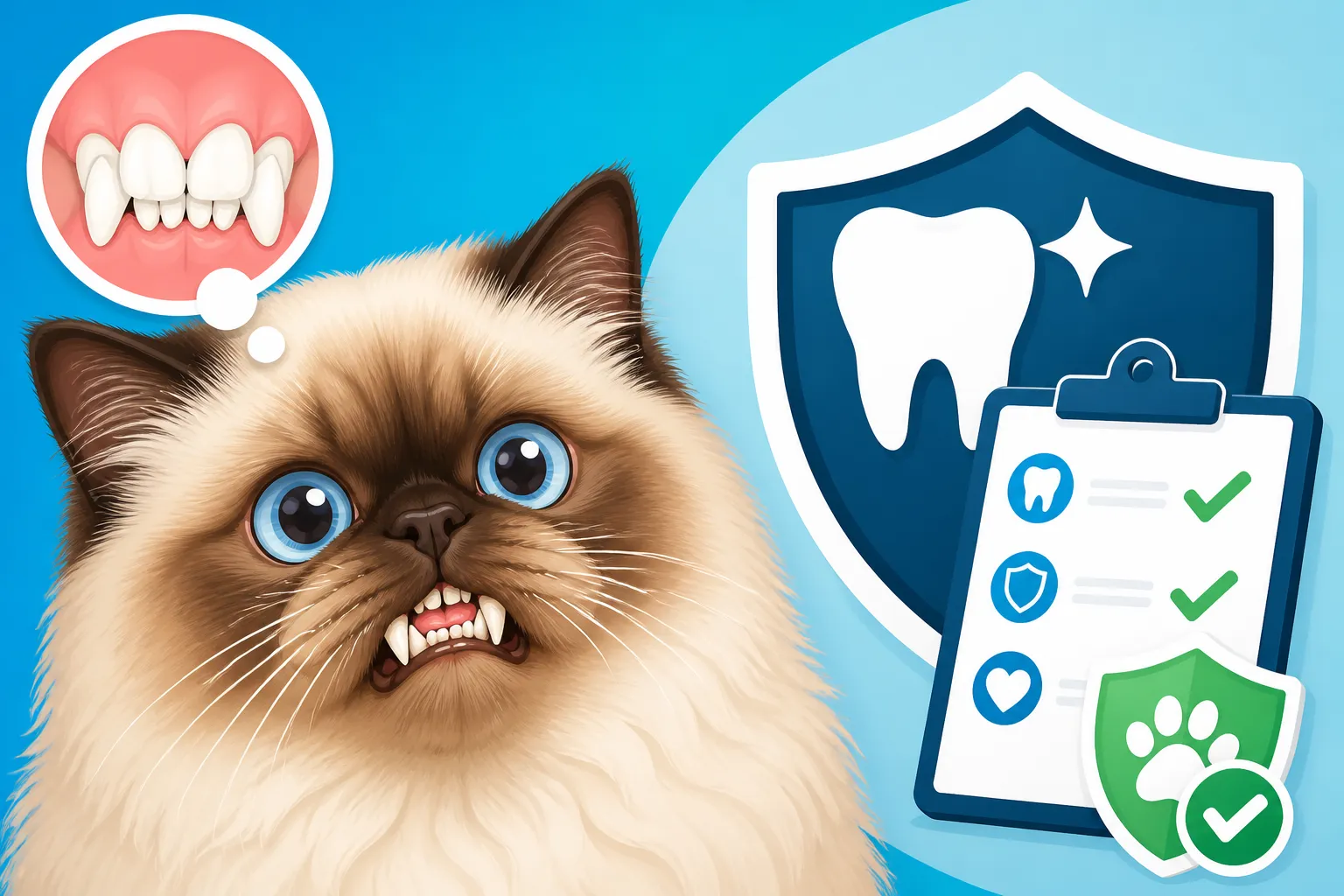
Whether a Dental Plan Pays for a Himalayan’s Crowded Jaw
It’s a heartbreaking reality for many Himalayan cat owners: you fall in love with that sweet, smooshed face and luxurious coat, only to discover later that your beloved companion's unique anatomy often comes with a host of complex dental issues. The frustration of watching your cat struggle with eating, or facing expensive veterinary bills for procedures you never anticipated, is incredibly real. This guide is here to shed light on whether a dental plan can help mitigate these costs and provide peace of mind for managing your Himalayan's crowded jaw.
The Unique Dental Challenges of a Himalayan Cat's Crowded Jaw
Himalayans, with their distinctive brachycephalic (short-nosed) features, are undeniably adorable, but this very characteristic is the root cause of many of their dental woes. The shortened skull structure means that while their jaws are compacted, they still have the same number of teeth as any other cat. This leads to a rather crowded situation in their mouth, creating a perfect storm for dental problems that are often painful and expensive to treat.
Understanding the Brachycephalic Jaw and Its Impact
Imagine trying to fit a full set of adult teeth into a space designed for a kitten. That's essentially what's happening inside a Himalayan's mouth. Their shortened upper and lower jaws mean that teeth frequently overlap, rotate, or grow in at odd angles. This isn't just a minor cosmetic issue; it creates tight spaces where food particles and bacteria can easily get trapped, leading to plaque and tartar buildup at an alarming rate. These crowded conditions are a significant predisposition to severe periodontal disease, which can affect the gums, bone, and supporting structures of the teeth.
The misalignment, known as malocclusion, can also prevent the jaws from closing properly, causing abnormal wear on the teeth and even trauma to the soft tissues of the mouth. Some Himalayans might find certain foods difficult to chew, leading to discomfort or even changes in their eating habits. It's a constant battle to keep their mouths healthy, and many owners feel a profound sense of helplessness when confronted with these anatomical realities. You might find yourself asking, How Crowded a Himalayan's Lower Jaw Gets, or even What a Persian Jaw Does to a Himalayan's Bite, realizing the depth of the challenge.
Common Dental Problems in Himalayans
Beyond general overcrowding, Himalayans are prone to several specific dental issues. Gingivitis, the inflammation of the gums, is almost a given without diligent care, and it can quickly escalate to periodontal disease. This is where the supporting structures of the teeth are damaged, potentially leading to tooth loss, abscesses, and even systemic infections if bacteria enter the bloodstream. It's not uncommon for a Himalayan to need multiple tooth extractions due to severe decay or damage caused by the chronic overcrowding.
Another concern is tooth resorption, a condition where the body starts to break down and absorb parts of the tooth structure. This can be incredibly painful and often requires extraction. Because their anatomy makes routine brushing difficult for many owners, these problems can fester unseen until they become advanced and necessitate costly veterinary intervention, often involving anesthesia for thorough examination and treatment. Understanding these predispositions is key, especially if you're wondering Why a Himalayan Needs Dentals Earlier Than a Siamese.
How Pet Insurance and Standalone Dental Plans Generally Work
When you're looking at managing the costs associated with your Himalayan's specific dental needs, it's important to understand the different types of coverage available. Pet insurance isn't a one-size-fits-all product, and dental care often falls into a category that requires careful attention to policy details.
The Basics of Standard Pet Health Insurance
Most standard pet health insurance policies are designed to cover accidents and illnesses. This means if your Himalayan breaks a tooth in a fall or develops a sudden, acute infection in their mouth, the costs associated with treating those emergencies would likely be covered, subject to your deductible and reimbursement rate. However, where it often gets tricky for Himalayans is with routine dental care. Standard policies typically exclude routine procedures like annual cleanings, preventative scaling, or even extractions stemming from chronic, ongoing conditions like severe overcrowding that is considered "pre-existing."
This exclusion of routine care is a major point of frustration for Himalayan owners, as preventative dental care is precisely what these cats need most. Without it, the risk of serious issues like advanced periodontal disease skyrockets, leading to much more expensive treatments down the line. It's a bit like human health insurance covering a heart attack but not your annual physical. You might also find yourself exploring broader health questions, such as Whether HCM Reaches the Himalayan From Either Side, to get a full picture of your cat's health risks.
Exploring Standalone Dental Coverage and Wellness Riders
To address the gap in routine dental care, many pet insurance providers offer add-on wellness plans or specific dental riders, and some niche providers might even offer standalone dental coverage. These options are specifically designed to help cover the costs of preventative care. A wellness rider might include a single annual dental cleaning, or a partial reimbursement for it, alongside other preventative services like vaccinations and annual check-ups.
Standalone dental plans, while less common, focus exclusively on dental health. They might cover a wider range of services, from annual cleanings and scaling to medically necessary extractions and even advanced procedures like root canals or caps, often with a set annual limit. The key here is to scrutinize what "medically necessary" truly entails for a crowded jaw. For a Himalayan, overcrowding is a chronic condition, so ensuring that extractions due to this lifelong issue are covered, not just those from acute trauma, is paramount. Brands like Healthy Paws are known for their comprehensive accident and illness plans, and while they might not have standalone dental, their higher-tier plans sometimes offer more generous coverage for unexpected dental issues that arise from illness or accident, which could include severe infections related to chronic dental problems. Always check their current offerings and terms directly on their site.
What to Look For When Comparing Dental Plan Coverage for Your Himalayan
Navigating the world of pet insurance can feel like deciphering ancient hieroglyphs, especially when it comes to the nuances of dental coverage for a breed with such specific needs as the Himalayan. It’s not just about getting any plan; it’s about finding the right plan that genuinely addresses the challenges of their crowded jaw.
Key Questions to Ask About Coverage Details
When you're sifting through different policies, arm yourself with a list of pointed questions. First and foremost, ask if routine dental cleanings, including scaling and polishing, are covered annually, and what percentage is reimbursed. This is crucial for preventative care for your Himalayan. Next, inquire specifically about extractions due to overcrowding or periodontal disease. Will the plan cover the costs of removing teeth that are causing pain or contributing to further oral health decline? This is a common need for Himalayans. Don't forget to ask if the anesthesia required for dental procedures is included in the coverage, as this can be a significant portion of the bill. You might be surprised to find that while the procedure itself is covered, the anesthetic isn't, or is reimbursed at a different rate.
Another critical point is waiting periods. Many policies have a waiting period, sometimes up to six months, before dental coverage kicks in. This means if your cat needs a procedure shortly after you enroll, it might not be covered. Most importantly for a Himalayan, you need to understand the policy on pre-existing conditions. If your cat already shows signs of dental disease or has documented overcrowding before you sign up, will these existing issues be excluded from coverage? This can be a deal-breaker. Look into details like What a Himalayan's Yearly Bloods Should Cover After Eight for comprehensive health tracking, which can sometimes provide baseline dental health indicators.
Understanding Exclusions and Limitations
Beyond pre-existing conditions, which are perhaps the biggest hurdle for Himalayan dental coverage, be aware of other potential exclusions. Some policies might not cover cosmetic procedures, which typically isn't an issue for necessary extractions, but it's good to be aware. There will almost always be annual maximums for dental care, so understand what that cap is. If your Himalayan needs extensive work, like multiple extractions, you could hit that limit quickly. Deductibles and co-pays also apply; these are the amounts you pay out-of-pocket before the insurance kicks in or your percentage of the total bill.
For example, a plan might cover 80% of dental costs up to a $1,000 annual limit, with a $250 deductible. This means you pay the first $250, then 20% of the remaining bill, until you reach the $1,000 maximum. It’s also incredibly important to get a comprehensive dental exam for your Himalayan before enrolling in any plan. Any issues identified during that initial exam could be classified as pre-existing, making them ineligible for coverage. Be proactive and thorough in your research. You might find resources on platforms like Chewy, where you can research different pet insurance providers and compare their plan details, or even find vet-recommended dental care products that align with your plan's coverage.
The Value of Preventative Care in Dental Plans
For a Himalayan, a dental plan that prioritizes preventative care isn't just a nice-to-have; it's often a necessity for their long-term health and your wallet. Regular cleanings covered by a plan can prevent the progression of gingivitis to full-blown periodontal disease, saving your cat from pain and you from much higher costs for extensive procedures like multiple extractions or even jaw surgery. The relatively modest monthly cost of a wellness rider or dedicated dental plan can often be recouped by just one or two professional cleanings over a few years, especially when you factor in the high cost of anesthesia.
Think of it this way: investing in routine maintenance, which a good dental plan facilitates, helps you avoid major repairs. Without this preventative approach, the crowded nature of a Himalayan's mouth almost guarantees that serious issues will arise. While it doesn't solve the anatomical challenge, it provides a structured way to manage its consequences. Even the food you choose can make a difference, as good overall nutrition can indirectly support dental well-being, though a specific dental plan is still crucial for structural issues. You'll want to ensure you're doing everything you can to prevent problems, even considering topics like How Often a Himalayan's Crowded Mouth Needs Cleaning.
Making the Financial Decision: Is a Dental Plan Worth It for Your Himalayan?
Deciding whether to invest in a dental plan for your Himalayan is a personal financial choice, but when you consider the breed's inherent predispositions to oral health issues, it often makes a lot of sense. The question isn't just about the immediate cost, but the potential long-term savings and, most importantly, your beloved cat's comfort and health.
Weighing the Costs of Uninsured vs. Insured Dental Care
Let's consider a hypothetical scenario. Without a dental plan, your Himalayan might develop severe periodontal disease by the age of five, requiring multiple extractions, deep cleaning, and possibly even antibiotics. The typical cost for such a procedure, including anesthesia, blood work, and follow-up care, can easily run into thousands of dollars. If this happens every few years, the cumulative cost becomes astronomical. Now, imagine having a dental plan or a wellness rider that covers a significant portion of annual cleanings and medically necessary extractions. Your out-of-pocket costs would be your monthly premiums, a deductible, and a smaller co-pay percentage. Over a cat's lifespan, this can result in substantial savings.
More than just the money, there's the invaluable peace of mind. Knowing that you have financial support for your Himalayan's dental needs allows you to pursue necessary treatments without hesitation, preventing prolonged pain and further health complications for your cat. It's a proactive approach to a breed that inherently needs it, ensuring your fluffy companion stays as healthy and comfortable as possible. This consideration is particularly important given discussions around topics like What a Himalayan Costs From Kitten to Fifteen.
Tips for Managing Your Himalayan's Dental Health Proactively
Even with a dental plan, your active involvement in your Himalayan's oral hygiene is paramount. Daily brushing, or at least a few times a week, is the gold standard, though we know it can be a monumental challenge with their unique facial structure. Special dental wipes or solutions can also help, as can dental treats or prescription dental diets designed to reduce plaque. However, be mindful of their brachycephalic jaw when choosing treats or kibble; some shapes are simply too hard for them to manage effectively.
Regular vet check-ups are non-negotiable. Your veterinarian can spot early signs of trouble and recommend interventions before they become severe. A dental plan is a powerful tool in your arsenal, but it works best in conjunction with consistent home care and professional veterinary oversight. It's about combining all available strategies to ensure your Himalayan lives a long, healthy, and pain-free life, free from the silent suffering that dental disease can cause.
| Feature | Standard Pet Health Insurance (Accident/Illness) | Wellness Rider/Add-on (Dental) | Standalone Dental Plan (Less Common) |
|---|---|---|---|
| Routine Cleaning (Scaling & Polishing) | Rarely included | Often covers a portion or one annual cleaning | Usually covers annual cleanings, possibly multiple |
| Extractions (Accident/Illness) | Usually covered if due to trauma or acute disease | May cover some extractions related to routine care | Generally covers medically necessary extractions |
| Extractions (Overcrowding/Chronic) | Often excluded as pre-existing or routine | Varies; check if "preventative" includes this | Higher likelihood of coverage, scrutinize terms |
| Anesthesia for Dental Work | Often covered with the procedure | Typically included with covered cleanings/extractions | Typically included with covered cleanings/extractions |
| Waiting Period | Typical (e.g., 14 days) | Varies, often shorter or none for routine | Typical (e.g., 30-180 days for major procedures) |
| Pre-existing Conditions | Excluded | Excluded for pre-existing dental disease | Excluded for pre-existing dental disease |
| Annual Limits | General annual limit | Specific annual limit for wellness/dental services | Dedicated annual limit for dental services |
Disclaimer
This article is for general informational purposes only and does not constitute professional advice. Laws, prices and regulations vary by location and change over time. Consult a qualified professional for guidance on your specific situation.