How Far Ahead a Point Color Is Reserved in a Himalayan Litter
Oh, the excitement of waiting for a new Himalayan kitten! It’s such a unique journey, especially when you have your heart set on a particular point color. You scour pictures, dream of those deep blue eyes, and wonder, "When can I really pick my kitten based on those gorgeous markings?" It's a question many prospective owners grapple with, and it can feel a bit like waiting for a secret to reveal itself. This guide is here to demystify the timeline for reserving a Himalayan kitten with a specific point color, explaining why it's not always as straightforward as it seems and what you can expect from a reputable breeder.
The Mystery of Developing Points: Why Patience is a Virtue
One of the most fascinating things about Himalayan cats is how their signature color points develop. Unlike many other breeds whose colors are fully evident at birth, Himalayans are born almost entirely white. It's truly a marvel to witness! This unique characteristic stems from a temperature-sensitive gene, meaning the color only expresses itself in the cooler parts of their bodies. This gradual emergence of color is the primary reason why reserving a kitten by specific point color isn't an "at birth" decision.
Born White, Points Emerge Later
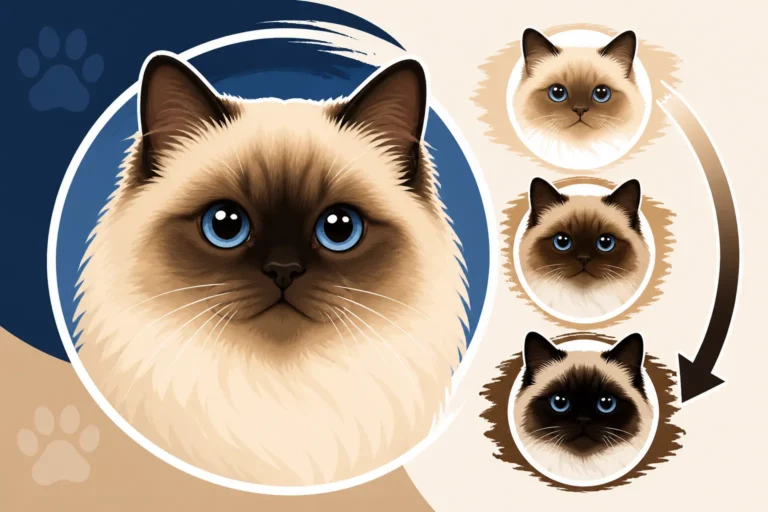
Imagine a tiny, fluffy, pure white snowball – that's often what a Himalayan kitten looks like on its birthday. There’s barely a hint of the deep chocolate, vibrant flame, or soft blue points that will eventually adorn its ears, mask, tail, and paws. This happens because the gene responsible for the Himalayan's colorpoint pattern is temperature-dependent. Inside the warmth of the mother cat's womb, the kitten's body temperature is uniformly warm, preventing the color pigment from developing. It’s only once they are exposed to the cooler ambient air outside that the extremities, which are naturally cooler, start to show their true colors.
This means that for the first few days, or even a couple of weeks, telling a seal point from a blue point, let alone a rarer chocolate or lilac, is virtually impossible. A good breeder will often share photos of these precious white newborns, building anticipation, but they won't typically ask you to pick based on color just yet. It's a waiting game, but a delightful one, as you get to watch the magic unfold. If you're curious about this initial stage, you might find When a Himalayan Kitten's Points First Appear an interesting read.
Predicting Point Color: A Breeder's Best Guess
While all kittens start light, an experienced Himalayan breeder can often make an educated guess about point colors within the first few weeks, perhaps by two to three weeks of age. This isn't an exact science, though, and it's based on factors like the parents' known genetics, the subtle undertones that begin to emerge, and even the shade of the paw pads. For instance, a seal point kitten might show a faint darkening around the nose or paw pads earlier than a blue point. However, these are still preliminary observations.
A truly ethical breeder will be transparent about this. They won't promise a specific color too early because they know nature sometimes has surprises in store. They understand the nuances of the Himalayan color gene and How Many Weeks Before a Himalayan Kitten's Points Show. It’s a delicate balance of observation and genetic knowledge. Don't be surprised if your breeder offers a range of potential colors rather than a definitive answer in these early stages.
The Role of Temperature in Point Development
It's not just the initial exposure to cooler air that dictates point color; the ambient temperature where a kitten grows up continues to play a role. Kittens raised in slightly cooler environments might develop deeper, more intense points faster than those in very warm settings. Conversely, if a kitten is kept too warm, its points might remain lighter for longer, and the contrast between its body and points might not be as sharp. This is why a breeder pays attention to the cattery environment.
This temperature sensitivity also means that the point color isn't truly "final" until well into adulthood. You might notice your Himalayan's points deepening and enriching year after year. Why a Himalayan in a Cold House Darkens All Over really highlights this phenomenon. It's a continuous process that adds another layer of charm to these beautiful cats, but it also explains why early, definitive color identification for reservation can be tricky.
The Critical Window for Reservation and Selection
So, if you can't pick a kitten by color right away, when can you? This is where the "critical window" comes into play – the period when the point colors become distinct enough for reliable identification and breeders typically begin accepting reservations for specific kittens. This phase is often a whirlwind of excitement, where deposits turn into definite commitments for a fluffy companion.
When Breeders Can Confidently Identify Points
For most Himalayan kittens, their point colors become reliably discernible between 6 to 8 weeks of age. By this time, the mask on their face will be much clearer, their ears will have taken on a definite hue, and the color will be apparent on their paws and tail. This is the window when a reputable breeder will typically start allowing prospective owners to make their final choices. Before this, any 'selection' by color would be more of a gamble.
During this period, breeders will often send updated photos and videos, showcasing the kittens' personalities and developing colors. It's a joy to watch them transform! This is also when you'll truly get a sense of whether that little cream point you were hoping for has indeed materialized, or if a gorgeous seal point has stolen your heart instead. A good breeder will want you to be absolutely sure of your choice, knowing that you're welcoming a new family member, not just a color.
The Waitlist and Deposit System
Most reputable Himalayan breeders operate with a waitlist and a deposit system. This system ensures serious inquiries and helps the breeder manage demand. Often, an initial deposit secures your place on the waitlist for a kitten from a particular litter or within a certain timeframe, not necessarily for a specific point color right away. Once the kittens are old enough and their colors are clear (around that 6-8 week mark), then you, as the prospective owner, will be contacted in order of your position on the waitlist to make your final selection.
The deposit is a commitment, a way to show you’re serious, and it gives the breeder confidence that their kittens will go to loving homes. It’s also common for this deposit to be non-refundable, as it holds a kitten that another family might have wanted. Always read your breeder's contract carefully to understand their specific policies regarding deposits and color selection. Sometimes, if the litter doesn't produce the color you were hoping for, the deposit might roll over to a future litter. This arrangement protects both you and the breeder. Whether a Himalayan Deposit Holds a Specific Point Color really delves into the nuances of this process.
Communicating Your Preference to a Breeder
When you first inquire with a breeder, it's perfectly fine to express a preference for a certain point color. Perhaps you've always dreamed of a striking seal point, or maybe the unique charm of a chocolate point has captivated you. Share these preferences openly! A good breeder will note your desires and keep them in mind as the litter develops. However, it's also important to convey flexibility.
Remember that a breeder cannot magically produce a specific color on demand. While they can make educated guesses based on the parents' genetics, the exact outcome of a litter is ultimately up to nature. Being open to other colors, or even other kittens within the litter, can make the process smoother and might mean a shorter wait. The breeder's goal is to match you with a kitten whose personality and health are a good fit, and while color is important, it's often secondary to temperament.
Navigating the Reservation Process for Specific Point Colors
Once the kittens' points are showing, the real fun begins! This is where you get to connect with the little ones and make a more informed choice. But it also involves understanding the realities of breeding and how to communicate effectively with your chosen cattery.
Flexibility is Key: Why Specificity Can Be Tricky
Let's be realistic: while you might have your heart set on a specific point color like a delicate lilac point or a vivid flame point, being too rigid in your color requirement can sometimes lead to a longer wait. A litter might produce several beautiful kittens, but perhaps only one or none match your exact color preference. If you're only willing to consider one rare color, you might find yourself waiting for several litters, or even years, until the perfect kitten comes along.
Breeders, through their experience, learn that personality and temperament are often more crucial for a happy home than a specific shade. They'll want to ensure you're getting a cat that fits your lifestyle. If you can express a primary color preference, but also have a secondary or even tertiary choice, it significantly increases your chances of finding a kitten sooner. This flexibility helps the breeder match you more easily and ensures you don't miss out on a wonderful kitten just because its points are blue instead of seal.
What Happens if the Points Come in Differently?
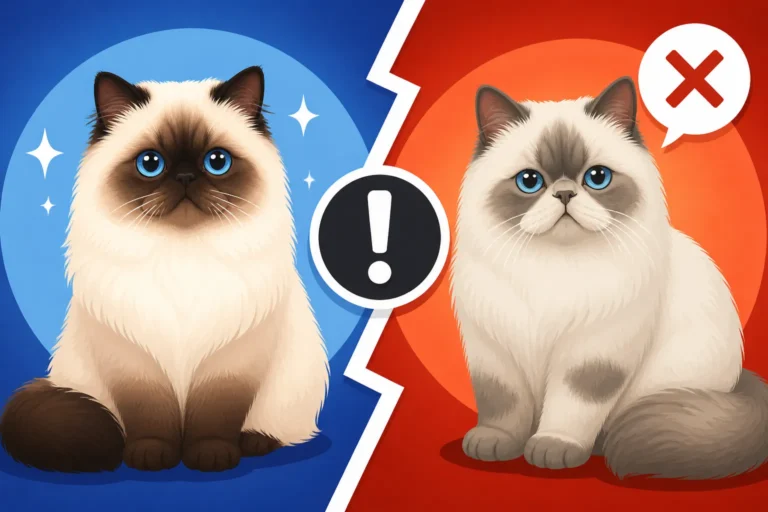
It's a common scenario: you put down a deposit hoping for a blue point, and the litter ends up being predominantly seal and chocolate. What then? A transparent and ethical breeder will have a clear policy for this. They might offer you the option to choose from the available kittens in that litter, even if they're not your first color choice. If none of the kittens in that litter are suitable, they typically offer to roll your deposit over to a future litter. This means you maintain your place on the waitlist for the next available kittens.
In some cases, if multiple litters don't produce your desired color, or if circumstances change, a breeder might offer a refund of your deposit, though this is less common and often depends on the specifics of their contract. The key is communication and clear understanding of the breeder's terms before placing a deposit. A responsible breeder wants you to be happy with your choice and will work with you to find a suitable kitten. What Happens If a Himalayan's Points Come In Wrong gives more insight into these situations.
Reading Between the Lines: Breeder Transparency
When you're dealing with the uncertainty of developing point colors, breeder transparency becomes paramount. A good breeder will be open about the challenges of predicting colors early on. They won't make guarantees they can't keep, and they'll happily share photos and updates as the kittens grow and their colors become more defined. They should be able to discuss the genetic background of their breeding cats and what colors are possible in a litter, rather than what's guaranteed.
Be wary of any breeder who promises a specific, rare point color weeks before it's physically possible to tell, or who pressures you to commit to a color too early. This might indicate a lack of experience or, worse, a less ethical approach. Ask questions, look at past litters, and observe how they handle the color selection process. A breeder who cares about their cats and their reputation will prioritize honesty and communication, especially regarding something as visible as point color.
The Impact of Point Color on Price and Availability
It might seem unfair, but the specific point color can absolutely influence how long you wait for a Himalayan kitten and even the price. It's a matter of supply and demand, coupled with the inherent genetics that make some colors more common or challenging to breed than others.
Popular Point Colors and Longer Waitlists
Some point colors are simply more popular, leading to longer waitlists. Classic seal points, with their dramatic dark brown contrast, and charming blue points, with their soft, greyish-blue markings, are often in high demand. These colors are frequently seen in shows and are widely recognized as quintessentially Himalayan. Because of their popularity, breeders might find that kittens in these colors are reserved very quickly, sometimes even before they're officially ready for viewing.
If you have your heart set on a popular color, prepare for a potentially longer wait. It's not uncommon for waitlists for these colors to extend several months, or even a year, depending on the breeder's breeding schedule and the number of kittens they produce annually. Why a Himalayan Waitlist Depends on Point Color explains this phenomenon in greater detail, highlighting how consumer preference drives availability.
Rarer Point Colors and Their Appeal
Then there are the "rarer" point colors, which can sometimes come with a different set of expectations regarding availability and price. Chocolate points, with their warm, milk-chocolate brown markings, and delicate lilac points, a softer, pinkish-grey version of blue, are less common because they require specific recessive genes from both parents. Flame points (red points) and cream points also have their unique appeal, offering a different palette.
These rarer colors might command a premium price due to their scarcity and the specialized breeding knowledge required to produce them consistently. While they might sometimes have shorter waitlists for specific individuals if they unexpectedly appear in a litter, reliably breeding them can be challenging, leading to fewer available kittens overall. Why a Rare Point Color Raises a Himalayan's Price goes into this economic aspect. Finding one of these unique beauties often involves working with a breeder who specializes in them or being prepared to wait for the stars (and genetics) to align!
The Unpredictability Factor: Why Breeders Don't Guarantee
Ultimately, the core reason point color reservation is a process rather than an instant choice boils down to the inherent unpredictability of genetics. Even with parents known to carry certain color genes, each litter is a unique genetic lottery. A breeder can't guarantee a specific number of kittens, let alone a specific ratio of point colors, in any given litter. It’s not like ordering a product off Chewy; you're dealing with living, breathing creatures where nature makes the final call.
This is why reputable breeders prioritize the health and temperament of their kittens above all else. They aim for strong, well-socialized, healthy cats, and the point color is a beautiful bonus. When discussing your preferences, remember that the breeder is working with nature, not against it. They do their best to produce healthy, lovely kittens, and you get the joy of watching their points emerge and choosing the one that melts your heart, whenever that moment may be. And speaking of health, having a plan for your kitten's future, perhaps through a provider like Healthy Paws, is always a smart move, regardless of their eventual point color.
When you finally do bring your fluffy bundle home, remember that their diet can also influence the richness and clarity of their points over time. Some owners find that high-quality, specialized cat foods can contribute to a lustrous coat and vibrant point colors, as well as overall health.
| Age of Kitten (Approx.) | Point Color Visibility | Breeder Action / Buyer Expectation |
|---|---|---|
| Birth – 2 Weeks | Invisible to Very Faint | Breeder Observes; Buyer Waits |
| 2 – 4 Weeks | Faint but Discernible | Breeder Makes Educated Guesses |
| 6 – 8 Weeks | Clearly Visible | Breeder Offers Selection; Buyer Chooses |
| 8 – 12 Weeks | Well Defined, Deepening | Kitten Ready for New Home |
| Adult (1+ Year) | Fully Developed, Deepest | Ongoing Darkening with Age/Temp |
This chart gives you a general idea, but every kitten is unique, and some colors might pop sooner or later than others!
Disclaimer
This article is for general informational purposes only and does not constitute professional advice. Laws, prices and regulations vary by location and change over time. Consult a qualified professional for guidance on your specific situation.