Which Conditions Insurers Write Out of a Himalayan Policy
Bringing a beautiful Himalayan cat into your life is an absolute joy, but it also comes with a unique set of responsibilities, especially when it comes to their health. Many new owners feel overwhelmed by the complexities of pet insurance, wondering if their beloved, fluffy companion will even be covered for their specific needs. It's a valid concern, as these gorgeous cats, with their distinctive features and long lineage, often have conditions that insurers view differently. This comprehensive guide will meticulously break down the common exclusions and limitations you might encounter in a Himalayan cat insurance policy, helping you navigate the fine print and make informed decisions for your furry family member.
Understanding the Basics of Pet Insurance for Himalayans
Deciphering pet insurance can feel like trying to untangle a particularly stubborn mat in a Himalayan's luxuriant coat – confusing, overwhelming, and you're never quite sure where to start. For Himalayan owners, this task is often compounded by the breed's specific genetic predispositions and physical traits. It’s not just about covering a broken leg; it's about understanding how a policy will handle the unique challenges that come with a flat face, crowded jaw, or inherited kidney conditions.
The General Landscape of Pet Insurance
At its core, pet insurance broadly falls into a few categories. You have your "accident-only" policies, which, as the name suggests, cover injuries like fractures, cuts, or unexpected poisonings. These are generally the most affordable plans, but they leave you exposed to all illness costs. Then there are the more comprehensive "accident and illness" policies. These are the workhorses of pet insurance, covering everything from ear infections and upset stomachs to more serious conditions like cancer or diabetes. Many providers also offer "wellness" add-ons, which are designed to help with routine care costs like vaccinations, annual exams, and flea/tick preventatives. While these can be helpful, it’s the accident and illness coverage that truly matters when a serious health issue arises.
For a Himalayan, who can be prone to specific health issues, accident-only coverage simply isn't enough. You need the illness coverage, but even within those plans, the details matter immensely. Standard policies are built for generic cats, and while they cover common ailments, a Himalayan's needs are anything but generic. You might find yourself questioning if your chosen plan truly understands the nuances of a Why a Himalayan Snores Louder Than Its Siamese Ancestors or the careful monitoring required for their unique coat.
Why Himalayans Present Unique Insurance Challenges
The very characteristics that make Himalayans so endearing — their expressive flat faces, their long, flowing coats, and their serene blue eyes — are often the same features that give insurers pause. Himalayans inherited a blend of traits from their Persian and Siamese ancestors. From the Persian side, they gained their dense, long coat and the brachycephalic (flat) facial structure. From the Siamese, they got their distinctive point coloration and, in some cases, a more vocal personality. This genetic blend means they inherit two distinct lists of potential health issues, not just one. Every Himalayan Inherits Two Disease Lists, Not One
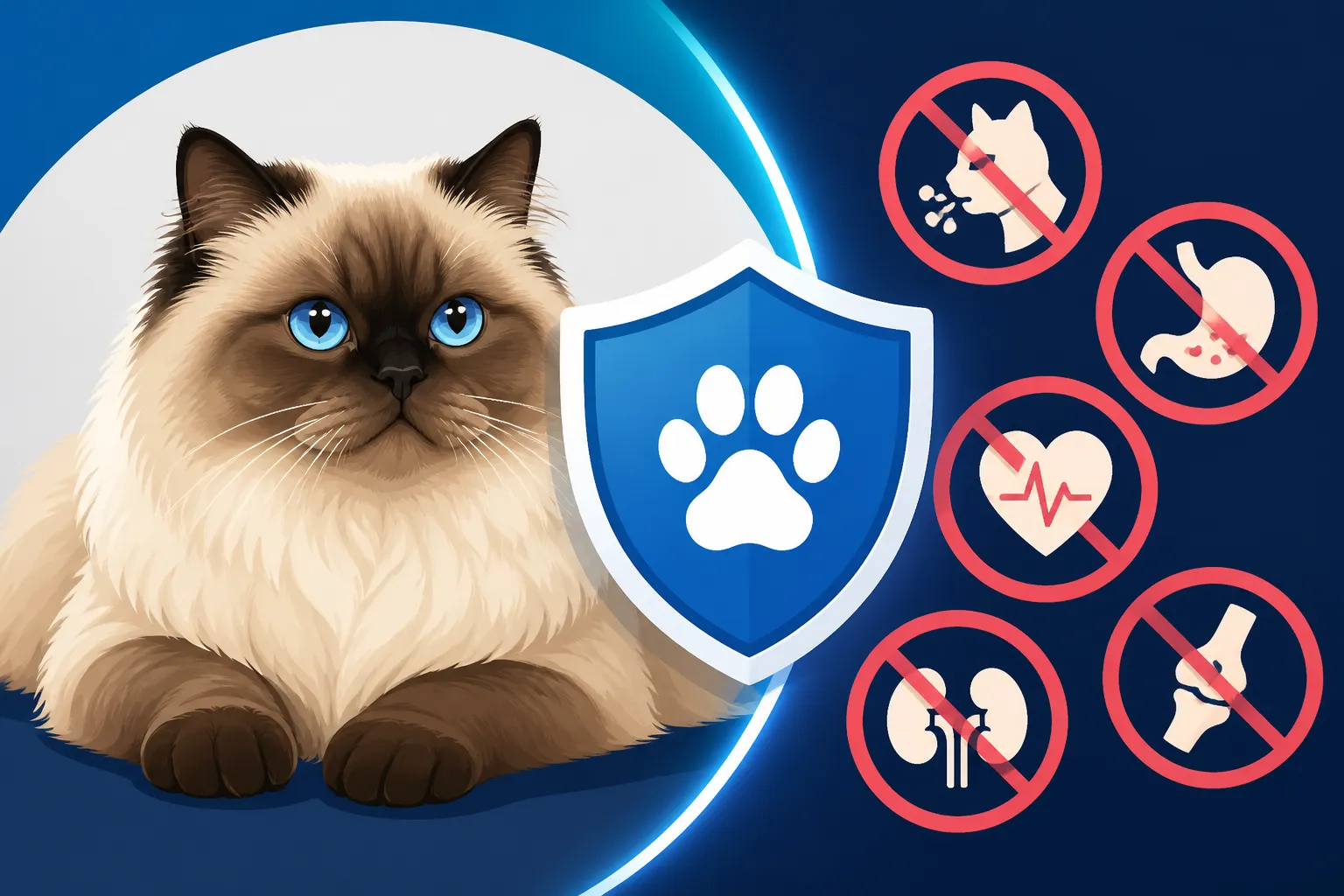
Insurers categorize breeds based on their known health risks. For Himalayans, the brachycephalic face immediately flags them as potentially prone to respiratory issues, dental problems, and eye conditions like entropion or excessive tearing. The Persian lineage also brings a higher risk of Polycystic Kidney Disease (PKD) and Progressive Retinal Atrophy (PRA). While a reputable breeder will test for these, insurers are looking at the general breed predisposition. This means that while a standard policy might cover a general urinary tract infection, it might have specific clauses, waiting periods, or even exclusions related to breed-specific conditions that are expensive to treat, such as corrective surgery for breathing difficulties or ongoing management of kidney disease. It's crucial to acknowledge that insurers operate on risk assessment, and unfortunately, the Himalayan's captivating features can sometimes be associated with higher medical costs from their perspective.
Pre-Existing Conditions: The Universal Exclusion
One of the most common reasons for claim denial across all pet insurance, not just for Himalayans, is the "pre-existing condition" clause. It’s a term that sounds straightforward, but in practice, it can be a minefield for pet owners, especially when dealing with a breed with known genetic vulnerabilities. Understanding this clause is paramount before you ever sign up for a policy.
Defining "Pre-Existing" in Pet Insurance
Simply put, a pre-existing condition is any illness or injury that your cat exhibited symptoms of, or was diagnosed with, before your insurance policy's start date or during its waiting period. Insurers typically have a "look-back period" that can range from a few months to a year or more. During this time, they'll review your cat's veterinary records for any signs or diagnoses that might relate to a future claim.
This definition can be incredibly broad and often catches owners by surprise. For example, if your Himalayan had tear staining around their eyes before you enrolled them, and later develops a severe eye infection or entropion, the insurer might argue that the tear staining was an early symptom of a pre-existing ocular issue. Similarly, if your cat snored noticeably before you got coverage, and then later needs surgery for brachycephalic airway syndrome, that snoring could be deemed a pre-existing respiratory symptom. Even something as seemingly minor as a chronic ear infection or a slight limp could be flagged if it recurs after coverage begins. The key is that the condition doesn't necessarily need to have been formally diagnosed; if symptoms were present and documented by a vet, it often qualifies as pre-existing.
The Impact on Hereditary Himalayan Conditions
This is where the pre-existing clause hits Himalayans particularly hard, especially concerning conditions like Polycystic Kidney Disease (PKD) or Progressive Retinal Atrophy (PRA). These are hereditary diseases, meaning they are passed down through genetics. PKD1 Came Down the Persian Side of a Himalayan While a kitten might not show outward symptoms of PKD until much later in life, the cysts are often present from birth. If your breeder didn't provide clear genetic testing documentation, and you sign up for insurance, any future diagnosis of PKD could be deemed pre-existing if the insurer can find any prior vet notes suggesting kidney issues or even just a routine blood panel with slightly elevated kidney values, even if those weren't considered problematic at the time.
This isn't to say all hereditary conditions are automatically excluded, but the burden of proof often falls on the owner. If a condition is known to be hereditary in the breed, insurers will scrutinize initial vet records very carefully. This is why getting a kitten from a reputable breeder who provides verifiable health certificates for both parents, especially for PKD and PRA, is absolutely vital. If you can prove through genetic testing that your cat is clear of these genes, and no symptoms were ever present before coverage, your chances of a covered claim are significantly higher. Without that pre-emptive testing, you risk inheriting a substantial financial burden. What PKD Did to Himalayan Lines Before the Gene Test
Breed-Specific Conditions Often Flagged
Himalayan cats, with their unique physiology, are prone to certain conditions that are either rare or less severe in other breeds. These breed-specific health issues are often a major focus for pet insurance companies, leading to specific clauses, longer waiting periods, or even outright exclusions within policies. Understanding these conditions and how insurers typically handle them is crucial for any Himalayan owner.
Brachycephalic Syndrome and Respiratory Issues
The defining feature of many Himalayans is their adorable, flattened face. While undeniably cute, this brachycephalic structure comes with a host of potential health challenges collectively known as Brachycephalic Airway Syndrome (BAS). This includes stenotic nares (narrow nostrils), an elongated soft palate that can obstruct the airway, and a hypoplastic trachea (narrow windpipe). For a Himalayan, this can mean chronic snoring, noisy breathing, exercise intolerance, and a higher risk of overheating because they struggle to efficiently cool themselves through panting.
When it comes to insurance, claims related to BAS can be tricky. Many policies will cover unexpected illnesses or accidents, but they might have specific limitations or even exclusions for elective surgeries to correct congenital (present from birth) structural issues like stenotic nares or an elongated soft palate. If your Himalayan required surgery to widen their nostrils or shorten their soft palate, an insurer might view this as a correction of a pre-existing, breed-specific anatomical defect rather than a sudden illness. Some policies might cover the complications of BAS, such as pneumonia resulting from aspiration, but not the underlying structural repair. It’s essential to ask very direct questions about brachycephalic conditions, including corrective surgeries and ongoing management, when comparing policies.
Genetic and Ocular Conditions
Beyond respiratory issues, Himalayans are unfortunately predisposed to several significant genetic and ocular conditions. Polycystic Kidney Disease (PKD) is high on this list, inherited from their Persian lineage. This condition causes fluid-filled cysts to form in the kidneys, progressively impairing kidney function. Another serious hereditary condition is Progressive Retinal Atrophy (PRA), which can lead to blindness by the age of five. How Retinal Atrophy Blinds a Himalayan by Five Then there's entropion, where the eyelid rolls inward, causing eyelashes to rub against the cornea, leading to irritation, pain, and potentially ulcers. What Entropion Does to a Himalayan's Blue Eye
For these genetic and hereditary conditions, insurers often have very specific stipulations. Some might cover them if the cat was tested clear by a vet before the policy began and before any symptoms appeared. Others may require a longer waiting period for hereditary conditions, or impose higher deductibles or lower reimbursement rates for them. Some older policies or more basic plans might even exclude them entirely, considering them an inherent risk of the breed. This is where researching insurers like Healthy Paws becomes critical, as many reputable providers specifically state their approach to genetic and hereditary conditions. You need to verify that a policy doesn't just "cover illness," but specifically covers these known risks without excessive limitations or exclusions.
Dental and Orthopedic Concerns
The charming flat face of a Himalayan often comes with another challenge: a shortened, crowded jaw. This anatomical feature frequently leads to dental issues, including malocclusion (misalignment of teeth), rapid tartar buildup, gum disease, and even tooth resorption where the tooth structure breaks down. How a Shortened Jaw Crowds a Himalayan's Teeth Because their teeth are often crammed together, they are more prone to plaque accumulation and require more frequent professional dental cleanings than many other breeds. Why a Himalayan Needs Dentals Earlier Than a Siamese
Many pet insurance policies treat dental care differently from other medical issues. Routine dental cleanings and preventative care are almost always excluded from standard accident and illness plans and are typically only covered by a separate, often optional, wellness add-on. For more serious dental issues like extractions due to severe periodontal disease or correcting congenital malocclusion, coverage can vary wildly. Some policies may cover extractions if they result from an injury or illness that arose after the policy started, but not if they are deemed a consequence of the breed's natural jaw structure. It's crucial to understand these distinctions.
While less common than in some other large breeds, Himalayans can also experience orthopedic issues, such as patellar luxation (slipping kneecap) or, less frequently, hip dysplasia, especially given their cobby build and Persian heritage. Insurers often have longer waiting periods for orthopedic conditions, sometimes up to six months or a year, to prevent owners from signing up only when a problem is suspected. If your Himalayan develops an orthopedic issue, particularly if it's considered hereditary or congenital, the same scrutiny regarding pre-existing conditions and breed-specific clauses will apply.
Himalayan-Specific Policy Caveats and Limitations
Beyond the broad strokes of exclusions and breed-specific concerns, the devil truly lies in the details of your pet insurance policy. Many subtle clauses and limitations can significantly impact your coverage, especially when dealing with a Himalayan's particular needs. It's not enough to just see "illness coverage"; you need to dig deeper into how that coverage is applied.
Waiting Periods and Their Implications
Every pet insurance policy comes with waiting periods – a set amount of time you must wait after your policy's start date before certain conditions are eligible for coverage. These periods vary by insurer and by the type of condition. Typically, there's a shorter waiting period for accidents (often just a few days) and a longer one for illnesses (usually 14-30 days). Orthopedic conditions, such as cruciate ligament issues or hip dysplasia, often have the longest waiting periods, sometimes stretching to six months or even a year.
For a new Himalayan kitten owner, these waiting periods are critically important. If your kitten develops an unexpected illness, say a severe upper respiratory infection, during the 14-day illness waiting period, the costs won't be covered. More concerning for Himalayans are the longer orthopedic waiting periods. If your growing kitten develops patellar luxation or a limp that requires investigation and diagnosis within this timeframe, it could be deemed a pre-existing condition, even if you just got the kitten and had no prior knowledge. This means you would be solely responsible for those significant veterinary bills. It's vital to enroll your Himalayan as early as possible to get through these waiting periods and to thoroughly check the waiting period lengths for all categories of conditions with any prospective insurer.
Distinguishing Genetic, Hereditary, and Congenital
Insurance policies often use the terms "genetic," "hereditary," and "congenital" with very specific meanings, and how a condition is categorized can directly impact whether it's covered.
- Congenital conditions are those present from birth, whether inherited or caused by an event during gestation. Examples in Himalayans might include a cleft palate (though rare) or a severe form of brachycephalic airway syndrome.
- Hereditary conditions are those passed down genetically from parents to offspring. PKD and PRA in Himalayans are classic examples.
- Genetic conditions is a broader term, encompassing both hereditary and spontaneous genetic mutations.
The distinction matters because some policies might cover congenital conditions if they weren't diagnosed or showing symptoms before the policy started, while specifically limiting or excluding hereditary conditions, particularly if genetic testing wasn't performed or results weren't submitted. Given that many Himalayan health challenges — from PKD to certain dental malformations and even entropion — have a hereditary component, you need an insurer that clearly states coverage for these. Always ask: "Does your policy cover hereditary conditions, and if so, what are the specific requirements or limitations for conditions like PKD or PRA in Himalayans?" Be wary of vague language. Many major providers, including Healthy Paws, often tout their coverage of hereditary and congenital conditions, but always read their specific terms carefully to ensure they align with your Himalayan's known risks.
Examining the Small Print: What's Often Missed
Beyond exclusions, the financial structure of a pet insurance policy can greatly affect your out-of-pocket costs. Many owners focus solely on the monthly premium, but overlook critical details like co-pays, deductibles, and annual limits.
- Deductibles: This is the amount you pay first before your insurance kicks in. It can be per-incident (you pay a deductible for each new condition) or annual (you pay once per policy year). An annual deductible is often preferable for breeds with potential chronic issues like Himalayans.
- Reimbursement Percentage: After your deductible, the insurer pays a percentage of the remaining eligible vet bill. Common options are 70%, 80%, or 90%. A 90% reimbursement means you're still responsible for 10% of the costs after your deductible.
- Annual Limits: Most policies have a maximum amount they will pay out in a single policy year. This can range from a few thousand dollars to unlimited. For potentially expensive conditions, a higher or unlimited annual limit is always better.
- Per-Incident Limits: Some older or more basic policies might have a limit per condition, meaning once they've paid X amount for, say, kidney disease, they won't pay any more for that specific condition, even if your annual limit hasn't been reached. This is particularly dangerous for chronic, lifelong conditions.
Understanding these elements is paramount. A policy with a low premium but a high deductible, low reimbursement, and restrictive annual limits might save you money monthly, but could leave you with enormous bills when your Himalayan truly needs help. For supplies and general pet needs, online retailers like Chewy are fantastic, and they often provide information or links to various pet insurance providers, which can be a good starting point for your research. But remember, the policy details themselves are found directly with the insurer.
Navigating Policy Details and Choosing the Right Coverage
Choosing the right pet insurance for your Himalayan can feel like a daunting task, especially with all the nuances we've discussed. However, with the right approach and a clear understanding of what to look for, you can find a policy that provides genuine peace of mind and protection for your furry friend. It's about being proactive, asking pointed questions, and meticulously comparing your options.
Asking the Right Questions Before You Buy
When speaking with an insurance provider or reviewing policy documents, don't be afraid to be specific. Generic questions will get you generic answers, which might not adequately cover your Himalayan’s unique needs. Here are some critical questions to ask, and insist on getting answers in writing:
- "How does your policy define and handle brachycephalic conditions? Is corrective surgery for stenotic nares or an elongated soft palate covered? What about ongoing management for breathing difficulties?"
- "What is your stance on hereditary and genetic conditions specific to Himalayans, such as Polycystic Kidney Disease (PKD) and Progressive Retinal Atrophy (PRA)? Are they covered? Do you require genetic testing results from the breeder or me? Is there a higher deductible or different reimbursement rate for these conditions?"
- "What are your waiting periods for accidents, illnesses, and especially for orthopedic conditions? If my Himalayan is diagnosed with a hereditary condition after the waiting period, but it's documented that symptoms were present before, how will that be handled?"
- "Does your policy include dental coverage? If so, does it cover routine cleanings, extractions due to periodontal disease, or corrections for malocclusion specific to crowded Himalayan jaws?"
- "What is your look-back period for pre-existing conditions? What kind of veterinary records do you review?"
- "Are conditions like entropion or chronic tear staining covered, or are they considered breed-specific exclusions?"
- "Are there annual limits or per-incident limits on claims for specific conditions, or is the annual limit comprehensive?"
By asking these detailed questions, you force the insurer to address the specific vulnerabilities of your Himalayan, rather than just providing a standard overview. This clarity is invaluable in preventing unwelcome surprises later on.
Comparing Insurers and Coverage Levels
Once you have specific answers and quotes from several providers, it's time to compare them thoroughly. Don't just look at the monthly premium. Create a comparison chart to visualize the differences.
Here's a sample table to help you compare policy features:
| Feature | Policy A Example (e.g., Higher Premium) | Policy B Example (e.g., Mid-Range) | Policy C Example (e.g., Lower Premium) |
|---|---|---|---|
| Monthly Premium | $$$ | $$ | $ |
| Deductible Type | Annual | Per-incident | Annual |
| Deductible Amount | $250 | $100 | $500 |
| Reimbursement % | 90% | 80% | 70% |
| Annual Limit | Unlimited | $10,000 | $5,000 |
| Waiting Period Illness | 14 days | 14 days | 30 days |
| Waiting Period Ortho | 6 months | 12 months | 6 months (higher deductible) |
| Covers Hereditary/Genetic | Yes, with documentation | Yes, with limits | Excludes some |
| Covers Brachycephalic Surgery | Yes, if not pre-existing | Case-by-case | No |
| Dental Coverage | Optional Add-on | No | No |
Note: This table uses hypothetical values for comparison purposes. Always check current figures directly with the providers.
Consider how these different parameters would impact your out-of-pocket costs for common Himalayan issues. An unlimited annual limit with a 90% reimbursement, even with a slightly higher premium, might save you thousands if your cat develops a serious, chronic condition. Conversely, a cheap policy with a low annual limit could leave you underinsured for a major illness or accident. When you're thinking about supporting your cat's health, remember that high-quality food designed to meet specific nutritional needs can contribute to overall wellness and potentially reduce some vet visits, though it's no substitute for insurance. Choosing both good nutrition and solid insurance is a powerful combination for your Himalayan's long-term well-being.
Tips for Mitigating Risks and Managing Himalayan Health Costs
While pet insurance is a crucial safety net, it's just one part of a holistic approach to ensuring your Himalayan lives a long, healthy, and happy life. Proactive care, responsible sourcing, and diligent monitoring can significantly mitigate risks and, in turn, help manage potential health costs, regardless of your insurance policy.
The Power of Proactive Care and Prevention
One of the greatest gifts you can give your Himalayan is consistent, proactive care. Their long, luxurious coat, while stunning, demands daily attention. A The Daily Comb a Himalayan Cannot Skip is not just about aesthetics; it prevents painful mats that can lead to skin infections and necessitate expensive vet visits for sedation and clipping. Regular grooming, including trimming their britches, can prevent fecal matter from clinging to their fur, reducing the risk of skin irritation and infection.
Their brachycephalic face means a diligent eye and face routine is paramount. Wiping their eyes daily helps prevent tear staining and the accumulation of moisture in their facial folds, which can otherwise lead to yeast or bacterial infections. Maintaining a healthy weight is also incredibly important. Himalayans are naturally cobby, but an overweight cat struggles more with breathing, grooming, and can exacerbate joint issues. A balanced diet appropriate for their activity level (which, let's be honest, is often quite low!) can prevent obesity. Furthermore, consistent dental hygiene, even if just daily dental treats or wipes, can reduce the frequency and cost of professional dental cleanings under anesthesia, which are particularly complex for Himalayans due to their crowded mouths. Regular, at-home care isn't just loving; it's a vital preventative measure that saves you heartache and money in the long run.
The Importance of Genetic Testing and Reputable Breeders
This is arguably the single most impactful step you can take to mitigate future health costs and insurance claim denials: acquire your Himalayan from a reputable breeder who conducts comprehensive genetic health testing on their breeding stock. For Himalayans, the absolute non-negotiables are testing for Polycystic Kidney Disease (PKD) and Progressive Retinal Atrophy (PRA).
A responsible breeder will openly provide verifiable documentation that both parent cats are clear of the PKD gene, typically through a simple cheek swab test. They should also provide documentation of ophthalmic exams for PRA. Which Two Certificates a Himalayan Breeder Owes You If a breeder cannot or will not provide these, walk away. While the initial cost of a kitten from tested lines might be higher, it is a tiny fraction of what you could spend on treating a cat with chronic kidney failure or managing blindness.
Choosing a kitten from parents who are clear of these genetic markers dramatically reduces the likelihood your Himalayan will develop these devastating diseases. This not only spares your cat suffering but also ensures that any future, unrelated illnesses your cat might encounter are more likely to be covered by insurance, as you've removed the major pre-existing genetic risks. Early testing and documentation are also beneficial for insurance claims, as it provides clear proof that your cat did not have these conditions at the time of policy inception. What Testing a Himalayan for PKD and the Eyes Costs It's an investment in health and peace of mind that truly pays off over your Himalayan's lifetime.
Disclaimer
This article is for general informational purposes only and does not constitute professional advice. Laws, prices and regulations vary by location and change over time. Consult a qualified professional for guidance on your specific situation.