Why a Matted Himalayan Ends Up in Rescue
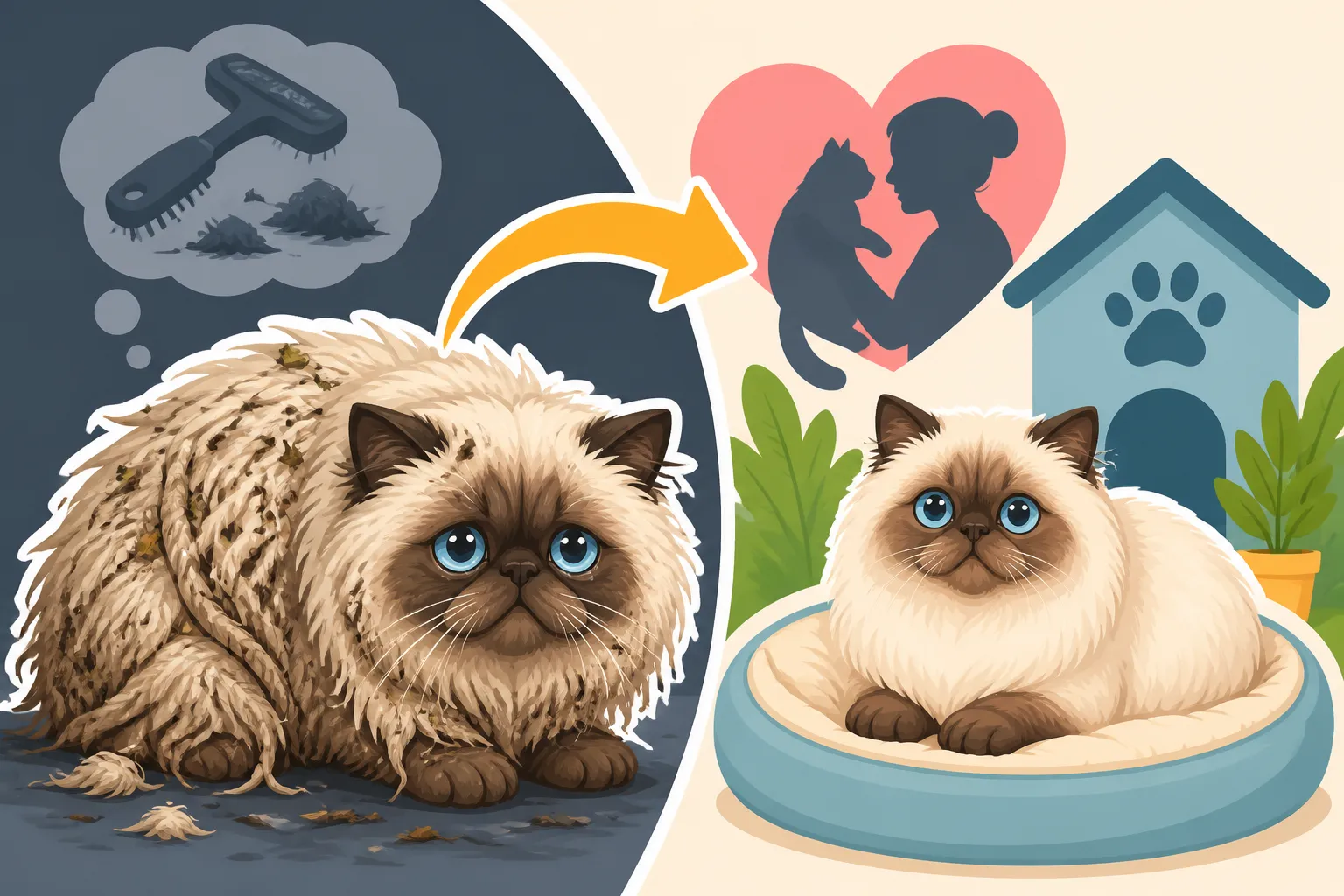
It's a heartbreaking reality that far too many beautiful Himalayan cats end up in animal shelters, often in a severely matted condition. These majestic creatures, beloved for their luxurious coats and gentle demeanor, often arrive neglected, their fur tangled into painful, suffocating pelts. This guide aims to shed light on the myriad reasons why such a preventable situation occurs, helping prospective and current owners understand the immense commitment required to keep a Himalayan healthy and happy, and out of the rescue system.
The Unseen Battle Beneath the Glorious Coat
Many people are initially drawn to the Himalayan cat for its stunning, luxurious coat. The long, flowing fur, combined with those mesmerizing blue eyes and charming color points, creates an image of elegance and grace. However, what often goes unseen by the casual admirer is the sheer density and complexity of this coat, which requires an unwavering commitment to daily grooming. Without this diligent care, the coat quickly transforms from a source of beauty into a painful burden for the cat, often leading to their surrender.
The Double Coat and Its Challenges
Unlike some other long-haired breeds, the Himalayan sports a thick, double coat. This means they have a soft, downy undercoat that provides insulation, topped by longer, coarser guard hairs. While this combination creates that magnificent fluffy appearance, it's also a recipe for tangles and mats. The fine undercoat is especially prone to trapping loose hairs, dirt, and dander, forming dense knots close to the skin. This isn't just a surface issue; these mats start deep within the fur, making them incredibly difficult to detect and remove once they begin to form.
Furthermore, the Himalayan's traditional cobby body type and shorter legs mean they aren't as agile as some other breeds when it comes to self-grooming. They can't easily reach all areas of their back, flanks, or britches, leaving these spots particularly vulnerable to matting. Their broad heads and often flatter faces also mean that tear stains and food debris can become embedded in the ruff around their neck, creating sticky, uncomfortable clumps that quickly escalate into full-blown mats if not addressed daily.
The sheer volume of fur is also a factor. A Himalayan's coat can feel almost limitless, flowing in a majestic cascade. This is part of their charm, but it's also a constant challenge. Every single strand contributes to the potential for tangles, and every shed hair, if not brushed out, becomes a building block for a mat. It's a living, breathing garment that demands respect and consistent maintenance, a fact that can be overwhelming for unprepared owners.
How Quickly Mats Can Form
It’s easy to think a day or two without brushing won’t make a difference, but with a Himalayan, you'd be surprised. Their thick undercoat and long guard hairs are practically designed to intertwine at the slightest provocation. A simple roll on the carpet, a vigorous play session, or even just regular movement can start the process. Loose hairs get caught, friction begins, and before you know it, a tiny tangle has become a knot, then a pancake-flat mat that pulls on the skin. Why a Himalayan Cannot Be Left a Week is something every owner comes to understand all too quickly.
Areas of high friction, like behind the ears, under the armpits, inside the hind legs (the britches), and around the collar or harness area, are particularly susceptible. These spots are constantly rubbing against the cat's own body, furniture, or accessories, accelerating the matting process. Even a short period of neglect can see a few innocent tangles transform into a felt-like pelt that is impossible to comb out without causing significant pain.
Many owners are shocked to discover how quickly a neglected patch can solidify. What might start as a small, seemingly harmless knot one day can become a tight, skin-pulling mat just 24 to 48 hours later. It’s a relentless process, and once a mat sets in, it acts like a magnet for more loose fur, growing larger and tighter, often engulfing healthy fur around it. This rapid progression is a key factor in why some Himalayans quickly reach a state of severe matting beyond their owner's ability to fix.
The Pain and Discomfort of Severe Matting
Beyond aesthetics, severe matting is a serious welfare issue for a Himalayan. These dense, tangled masses pull on the cat's skin with every movement, causing constant irritation and pain. Imagine having your hair tightly pulled and twisted all over your body, day in and day out—that’s essentially what a matted cat experiences. This constant tension can lead to skin infections, hot spots, and even tears in the skin as the mats pull tighter. Why a Matted Himalayan Becomes a Medical Case is not an exaggeration.
Matted fur also prevents proper air circulation to the skin, creating a warm, moist environment perfect for bacteria and parasites to thrive. Fleas, mites, and skin infections can go unnoticed beneath a thick mat, leading to further discomfort and health problems. The cat may try to scratch or lick at the irritated areas, which only makes the mats tighter and can cause further skin trauma. It becomes a vicious cycle of pain and worsening condition.
Furthermore, severe matting restricts a cat's mobility. Mats around the legs, armpits, and joints can make it difficult for the cat to walk, jump, or even lie down comfortably. They can't stretch out fully, and every movement becomes a painful reminder of their predicament. This reduced mobility can lead to other health issues, such as obesity and muscle atrophy, further diminishing their quality of life. In some severe cases, mats can even impede blood flow to extremities, causing swelling and intense pain.
Misconceptions About Himalayan Care
Many people acquire a Himalayan kitten or adult cat with the best intentions, but often with significant misconceptions about the level of care required. The sheer beauty of the breed can overshadow the practical realities of owning a cat with such specific grooming and health needs. These misunderstandings can quickly lead to an overwhelmed owner and, tragically, a neglected cat.
Underestimating Grooming Time and Skill
One of the biggest misconceptions is underestimating the time commitment for grooming. Prospective owners might hear "daily brushing" and imagine a quick five-minute swipe, but a Himalayan's coat demands much more. What Daily Combing Costs a Himalayan Owner in Time is often a rude awakening. A thorough grooming session, reaching down to the skin to prevent mats from forming, can easily take 15 to 30 minutes, sometimes more, especially if a few tangles need gentle detangling. This isn't a once-a-week chore; it's a daily ritual.
Beyond the time, there's the skill involved. It’s not just about running a brush over the top of the fur. Effective Himalayan grooming requires specific tools – a good quality steel comb with both wide and narrow teeth, for instance – and a technique that ensures you're getting through both the guard hairs and the dense undercoat without causing pain. Learning to identify a nascent tangle before it becomes a mat, and gently working it out with cornstarch or a detangling spray, is a skill that takes practice and patience. Many new owners simply aren't equipped with this knowledge or technique.
Some owners assume their cat will simply tolerate being brushed, but not all cats do, especially if they haven't been conditioned from a young age. A struggling, biting, or scratching cat makes grooming significantly harder and more time-consuming. This can lead to frustration for the owner, who might then reduce the frequency or thoroughness of grooming, inadvertently setting the cat up for matting issues. The expectation versus the reality of a squirming furball can be a stark and disheartening contrast.
The "Set and Forget" Fallacy
Another common pitfall is the "set and forget" mentality, where owners believe that once groomed, a Himalayan's coat will simply stay pristine until the next scheduled session. This couldn't be further from the truth. A Himalayan's coat is a dynamic entity, constantly changing, shedding, and collecting debris. The Daily Comb a Himalayan Cannot Skip is a non-negotiable part of their care. Leaving a Himalayan to its own devices for even a few days can result in the rapid formation of painful mats.
This fallacy often stems from experience with other, lower-maintenance cat breeds or dogs. People might think of their Himalayan like a Labrador who needs a brush once a week, rather than the intricate grooming requirements of a poodle or a show Persian. The truth is, their coat type is much closer to the latter. Environmental factors also play a role; dusty homes, active play, or even just lying on different surfaces can cause tangles to form.
Owners might also mistakenly believe that a professional groomer can handle all the maintenance, reducing their daily responsibility. While professional groomers are invaluable, they are meant to supplement, not replace, daily home care. Relying solely on infrequent professional grooming sessions (e.g., every few months) will inevitably lead to severe matting in between, which then requires painful and costly interventions like sedation and a full shave-down. The responsibility for daily care ultimately rests with the owner.
Financial Strain of Professional Grooming
When daily grooming fails, the only humane solution for a severely matted Himalayan is often a professional shave-down under sedation, administered by a veterinarian. This isn't a cheap undertaking. The cost of anesthesia, the vet's time, the groomer's expertise, and any necessary antibiotics for underlying skin infections can add up quickly. For many owners, especially those already struggling financially, this unexpected expense can be a significant burden, contributing to the decision to surrender the cat. What a Groomer Charges for a Himalayan Lion Cut is just one part of the equation when matting becomes severe enough to require a vet visit.
Even for owners who are proactive about professional grooming for maintenance, the costs are substantial. Regular grooming appointments—perhaps every 6-8 weeks for a full bath, blow-dry, and tidy-up, or more frequently for severe cases—represent an ongoing financial commitment. These costs can easily run into hundreds of dollars annually, a figure that many prospective owners simply don't factor into their initial budget for a pet. This can lead to owners stretching out the time between professional visits, which, in turn, allows mats to form, creating a cycle of escalating problems and costs.
It's also worth considering pet insurance, which can be a lifesaver for unexpected medical costs. While routine grooming isn't typically covered, complications arising from severe matting, such as skin infections, hot spots, or the veterinary care needed for a sedated shave, might be. Companies like Healthy Paws offer pet insurance plans that can help mitigate the financial shock of such emergencies, but many owners don't invest in insurance until it's too late, or at all, leaving them to face the full burden of these bills when they arise.
Life Changes and Owner Limitations
Beyond the inherent challenges of Himalayan grooming, external factors and significant life changes in an owner's life can drastically impact their ability to provide the consistent care these cats require. Life rarely stays static, and what might have been a manageable commitment initially can become an insurmountable hurdle due to unforeseen circumstances.
Health Issues and Mobility for Owners
As both cats and their owners age, physical limitations can become a significant barrier to proper grooming. An older owner might develop arthritis, back problems, or reduced dexterity, making the intricate and often physically demanding task of daily combing impossible. Getting down on the floor, holding a squirming cat, or maintaining the fine motor skills needed to detangle knots can become a painful or even dangerous endeavor. Why an Old Himalayan Stops Washing Its Own Face highlights that these limitations aren't unique to humans; elderly cats also struggle with self-grooming.
Similarly, an owner facing a sudden illness, injury, or disability may find their energy and physical capabilities severely diminished. During recovery periods or long-term health battles, the focus naturally shifts to personal well-being, and intensive pet care can fall by the wayside. The owner might be confined to bed, unable to lift their cat, or simply lack the stamina for a thorough daily grooming session.
In such situations, the owner's love for their cat hasn't diminished, but their capacity to care for the demanding coat has. They may feel immense guilt and sadness as their beloved pet's coat deteriorates, but are physically unable to prevent it. Without a strong support network of family or friends willing and able to step in and take over the grooming duties, surrendering the cat to a rescue often becomes a last, heartbreaking resort.
Shifting Priorities and Time Constraints
Life is full of unpredictable shifts that can suddenly consume an owner's time and energy. A new job with longer hours, a demanding family situation, the arrival of a new baby, or even caring for an elderly parent can drastically reduce the time available for pet care. What was once a dedicated half-hour for grooming might shrink to a hurried five minutes, or disappear entirely. Why a Himalayan Is Surrendered Over Its Its Grooming points directly to this common scenario.
These changes aren't always about a lack of love or commitment; sometimes, it's a desperate calculation of priorities in an overwhelming period. When an owner is working two jobs just to make ends meet, or juggling multiple caregiving roles, the intensive daily grooming of a Himalayan can unfortunately become one of the first tasks to be sacrificed. The intention to get back on track is always there, but the reality of daily life often intervenes, and the coat suffers.
Furthermore, some owners might move to a new living situation where pets are less welcome or where space is limited, impacting the cat's routine and access to comfortable grooming spots. The stress of moving can also affect a cat's behavior, making them less cooperative for grooming, which only exacerbates the problem when time is already tight. Relying on convenient online retailers like Chewy for regular supplies, while helpful, doesn't solve the core issue of a lack of available time or personal bandwidth for hands-on care.
Economic Hardship and Vet/Groomer Costs
The cost of living crisis, unexpected job loss, or mounting medical bills can plunge families into financial hardship, forcing difficult decisions about pet ownership. When every penny counts, the regular expenses associated with a Himalayan—high-quality food, specialized litter, routine vet check-ups, and especially professional grooming for matting issues—can become unsustainable. What a Himalayan Costs From Kitten to Fifteen is a figure that can quickly become overwhelming for a family facing economic strain.
The initial purchase price of a Himalayan is just the tip of the iceberg; the ongoing costs throughout their lifespan are significant. If an owner is already struggling to pay for essentials, spending money on professional grooming, or worse, a sedated shave-down at the vet for a matted cat, can feel impossible. They might delay the inevitable, hoping the situation will improve, but the mats only worsen, leading to more pain for the cat and higher costs if they eventually seek help.
Even preventative measures, like feeding high-quality food, can be seen as an expensive luxury rather than a necessity when budgets are tight. While fresh, high-quality food contributes to overall health, including coat quality, such expenses are often the first to be cut when an owner faces financial distress. This economic pressure creates an impossible choice for many, where surrendering their beloved pet feels like the only option to ensure the cat receives the care they can no longer afford.
Behavioral Challenges and Handling Difficulties
It's easy to assume that all cats will tolerate grooming, especially when it's for their own good. However, Himalayans, like all cats, have individual personalities, and some can be notoriously difficult to groom. This can create a significant barrier for owners, especially those new to the breed or those who haven't adequately socialized their kitten to regular handling.
Himalayan Temperament and Grooming Tolerance
Himalayans are generally known for their docile, sweet, and somewhat laid-back temperaments. They are often described as "lap cats" and are less inclined to run and jump than some more active breeds. This calm disposition might lead owners to believe that grooming will always be a peaceful, cooperative affair. However, even the most serene Himalayan has its limits, especially when it comes to uncomfortable or painful grooming. Handling a Himalayan So It Will Let You Comb It requires immense patience and a gentle touch.
While many Himalayans do enjoy the attention of being groomed, particularly if introduced to it as a kitten, others may simply never fully embrace the process. Some cats have sensitive skin, find the comb's pull irritating, or simply dislike being restrained. Their Persian heritage means they often prefer quiet routine and can be sensitive to perceived invasions of their personal space. When grooming becomes a wrestling match, it quickly turns into a source of stress for both cat and owner, leading to avoidance.
Moreover, if a cat has experienced painful mat removal in the past, or if grooming sessions have been infrequent and rough, they can develop a strong aversion. They may associate the comb with discomfort, becoming defensive and resistant. This is why starting early with positive reinforcement and making grooming a pleasant experience is crucial. Without that foundation, an otherwise sweet-natured cat can transform into a hissing, scratching ball of fur the moment the comb appears.
When Grooming Becomes a Battle
When a Himalayan actively resists grooming, the task can quickly become overwhelming and even dangerous for the owner. A cat that bites, scratches, or struggles violently can injure its owner, making regular maintenance impossible without professional help. These encounters are not only unpleasant but also deepen the cat's negative association with grooming, creating a vicious cycle of fear and aggression. Why a Himalayan That Fights Grooming Ends Up Sedated often describes the tragic outcome of this struggle.
Owners might try various techniques – wrapping the cat in a towel, using treats, or grooming while the cat is sleepy – but if the resistance is strong enough, these methods might fail. Desperate owners might resort to force, which only makes the cat more terrified and aggressive. This can lead to the cat hiding whenever the grooming tools come out, making them even harder to catch and manage.
The emotional toll on an owner who is trying their best but constantly met with aggression from their beloved pet is immense. They may feel guilty, frustrated, and helpless. The ideal of a perfectly groomed, affectionate lap cat can quickly dissipate, replaced by the reality of a frightened, matted animal they can no longer safely touch with a comb. This emotional exhaustion, combined with the physical difficulty, often contributes to the decision to seek help from a rescue.
The Cycle of Neglect and Fear
When an owner struggles to groom their resistant Himalayan, a destructive cycle often begins. The cat's fear leads to resistance, which makes grooming more difficult, causing the owner to groom less frequently. This infrequent grooming, in turn, allows mats to form, making subsequent grooming attempts more painful and reinforcing the cat's fear. This downward spiral is devastating for the cat's welfare. Getting a Himalayan Kitten Used to the Comb is so important precisely to avoid this heartbreaking cycle later in life.
As the mats worsen and the cat's discomfort grows, their behavior may change even further. They might become withdrawn, less affectionate, or even aggressive towards touch, especially in matted areas. The owner might then avoid touching the cat entirely, further isolating the animal and allowing its condition to deteriorate. This creates a psychological barrier between the cat and owner, eroding the bond they once shared.
Eventually, the situation can reach a point where the cat is suffering immensely, and the owner is completely overwhelmed and unable to cope. The cat's coat might be a solid, painful pelt, and its behavior might be unmanageable. It’s at this critical juncture that many owners, often with heavy hearts, realize they can no longer provide the necessary care and turn to animal rescues as a last resort, hoping someone else can provide the relief and rehabilitation their cat desperately needs.
The Rescue's Role and the Aftermath
When a matted Himalayan arrives at a rescue, it's often a testament to months, if not years, of neglect. These animals are typically in severe distress, both physically and emotionally. The rescue organization then undertakes the monumental task of addressing their immediate medical needs, rehabilitating them, and preparing them for a second chance at a loving home.
Initial Assessment and Medical Intervention
Upon arrival, a matted Himalayan's immediate priority is a thorough veterinary assessment. This isn't just about the fur; severe matting often hides a multitude of underlying health issues. The vet will check for skin infections, parasites, hot spots, pressure sores, and even wounds or foreign objects embedded beneath the matted coat. The cat's overall health, hydration, and nutritional status are also carefully evaluated, as neglect in grooming often coincides with other forms of inadequate care.
The most critical step for a severely matted cat is usually a complete shave-down. This procedure is almost always performed under sedation or light anesthesia, as attempting to cut through dense, skin-tight mats on an awake, terrified, and painful cat is both cruel and dangerous. Why a Matted Himalayan Ends Up Clipped Under Sedation is a necessary step for their immediate relief. The shaving process must be done with extreme care to avoid cutting the delicate, often inflamed skin underneath. Once the fur is removed, the full extent of skin damage, if any, can be assessed and treated.
Post-shave, the cat will likely receive treatment for any discovered conditions, which might include antibiotics for skin infections, pain medication, and possibly antiparasitic treatments. The relief from the removal of the heavy, painful mats is often immediate and profound, but the healing process for the skin and the emotional trauma can take much longer. This initial medical intervention is crucial for stabilizing the cat and beginning its journey back to health.
Rehabilitating a Matted Himalayan
Physical recovery is only part of the equation; emotional rehabilitation is equally vital. A matted cat has often endured prolonged discomfort, fear, and sometimes even aggression from attempts to groom them. They may be withdrawn, scared of human touch, or even lash out defensively. Rescues focus on creating a calm, safe environment where the cat can decompress and begin to trust again. This often involves quiet rooms, gentle handling, and a consistent, predictable routine. Where Matted Himalayans Are Rehomed are often places that understand the specific needs of these vulnerable cats.
The process of rebuilding trust is slow and deliberate. Rescuers use positive reinforcement, offering tasty treats and gentle praise for even small steps of progress, like allowing a brief touch or eating in front of a person. They understand that the cat's fear is a learned response, and patience is key to overcoming it. This might involve gradually reintroducing a soft brush once the skin has healed, associating it with pleasant experiences rather than pain.
It's also important to address any underlying behavioral issues that may have developed, such as fear of confinement (often associated with being restrained for grooming) or resource guarding. Rescues provide enrichment to help the cats regain their confidence and re-learn how to be a cat, often through gentle play and social interaction with calm, understanding volunteers. The goal is not just a healthy coat, but a healthy, happy mind, ready to accept a new family.
The Cost of Second Chances
Providing this extensive medical and rehabilitative care is incredibly costly for rescue organizations. The veterinary bills for sedation, shaving, wound treatment, medication, and follow-up visits can quickly add up to hundreds, if not thousands, of dollars per individual matted Himalayan. This doesn't even include the daily costs of high-quality food, litter, enrichment toys, and the immense amount of staff and volunteer time dedicated to their recovery.
Many rescues operate on thin margins, relying heavily on donations and volunteer efforts. The intake of a severely matted Himalayan places a significant strain on their resources, potentially diverting funds from other animals in need or limiting the number of cats they can help. This is why organizations often have rescue fees or ask for donations to help cover these substantial costs, though they will never turn away an animal in need due to financial limitations. Whether a Rescue Himalayan's Papers Survive is often secondary to simply ensuring the cat's health and future well-being.
The true cost of a second chance for a matted Himalayan goes beyond dollars and cents; it’s measured in the tireless dedication of rescuers who mend broken bodies and shattered spirits. For those considering adopting a Himalayan, understanding the dedication required for their long-term care—both financially and in terms of time—is paramount. Supporting rescue organizations, whether through adoption, fostering, volunteering, or donating, is vital to ensure these magnificent cats get the opportunity for the healthy, loved lives they deserve.
Here's a quick look at the typical grooming commitment for a Himalayan:
| Aspect | Ideal Routine | Consequences of Neglect | Estimated Cost (Self-Care) | Estimated Cost (Professional) |
|---|---|---|---|---|
| Combing | Daily, 15-30 minutes | Severe matting, skin issues | Minimal (tools only) | $0 (if daily at home) |
| Face Wiping | Daily, 2-5 minutes | Tear stains, skin irritation | Low (wipes/cotton pads) | $0 (if daily at home) |
| Nail Trims | Every 2-4 weeks | Overgrown nails, discomfort | Low (clippers only) | $10-25 (vet/groomer) |
| Full Groom | Every 6-8 weeks (bath, trim) | Matting, greasy coat | Moderate (shampoo, dryer) | $70-150+ |
| Severe Matting | Not applicable (prevention is key) | Vet sedation & shave, skin care | N/A | $300-800+ (emergency vet bill) |
Disclaimer
This article is for general informational purposes only and does not constitute professional advice. Laws, prices and regulations vary by location and change over time. Consult a qualified professional for guidance on your specific situation.