Why Himalayan Prices Span Five Hundred to Three Thousand
If you've ever started looking for a Himalayan kitten, you've probably noticed something pretty quickly: the prices are all over the map! One minute you see an ad for a cat that's a few hundred dollars, and the next, you're looking at a four-figure price tag for what seems like the same fluffy, blue-eyed companion. This huge range can be incredibly confusing and frankly, a bit disheartening when you're just trying to figure out a fair budget for bringing one of these magnificent felines into your home. This guide is here to unravel the mystery behind why Himalayan prices span anywhere from five hundred to three thousand dollars, and what those numbers really mean for you and your future furry friend.
Understanding the Baseline: What Influences the Initial Price Tag?
When you’re first considering a Himalayan, the sticker price is often the first thing that jumps out at you. But that initial cost isn't just a random number; it's a reflection of many underlying factors that a responsible breeder invests in, or, unfortunately, that an irresponsible one skips. These factors are crucial because they set the stage for your cat's health, temperament, and overall well-being for years to come. Think of it as laying the foundation for your new family member – a solid foundation costs more, but it saves you heartache and expense down the road.
The All-Important Pedigree and Registration
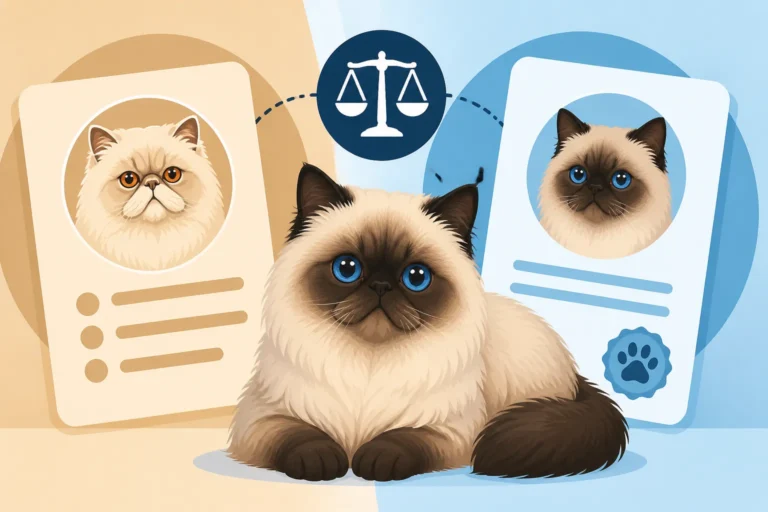
A significant portion of a Himalayan's initial price is directly tied to its pedigree and whether it's registered with a reputable cat association. When you see a cat advertised with "papers," it means the breeder has taken the steps to register their cattery and their litters with organizations like TICA (The International Cat Association) or CFA (The Cat Fanciers' Association). This isn't just about fancy certificates; it's about traceability and adherence to breed standards. A pedigree means you can trace your kitten's lineage back several generations, confirming it truly is a Himalayan and not a mixed breed.
Breeders who participate in these registries are often more serious about maintaining the health and characteristics of the breed. They invest in showing their cats, ensuring they meet the specific traits for a Himalayan, and generally follow ethical breeding practices. This contrasts sharply with individuals who might breed cats without any registration, often leading to a lower initial price but also a complete lack of verifiable background on the kitten. You might wonder, What Your Himalayan's Certificate Actually Says – it’s more than just a piece of paper, it’s a promise of their heritage.
Health Testing and Its Impact on Price
This is arguably one of the most critical factors influencing the price of a Himalayan, and one where cutting corners can lead to immense emotional and financial pain for new owners. Himalayans, largely due to their Persian heritage, are prone to certain genetic health conditions, notably Polycystic Kidney Disease (PKD) and Progressive Retinal Atrophy (PRA). Reputable breeders will rigorously test their breeding cats for these conditions. This involves genetic tests, often through cheek swabs, for PKD and sometimes eye exams by certified veterinary ophthalmologists for PRA.
These tests aren't cheap. Each test adds to the breeder's overhead, which is naturally reflected in the kitten's price. However, this investment offers you invaluable peace of mind. Buying a kitten from parents who have been certified clear of these diseases drastically reduces the risk of your cat developing them, saving you potentially thousands in veterinary bills and heartbreaking suffering for your pet. When you see a higher price tag, it often indicates that the breeder has absorbed these testing costs. This is why Why the Persian Kidney Test Belongs on Himalayan Papers is such an important point to consider. Sadly, What a Himalayan With No Testing Behind It Sells For is often much lower, but that discount comes with a significant gamble on your pet's future health.
Breeder Reputation and Cattery Standards
The reputation of the breeder and the overall standards of their cattery play a huge role in pricing. Established breeders with a long history of producing healthy, well-socialized, and conformationally sound Himalayans will naturally command higher prices. They invest in quality food, meticulous grooming, clean living environments, and early veterinary care for their kittens. This includes deworming, initial vaccinations, and often a vet check-up before the kitten goes to its new home.
A reputable breeder also puts immense effort into socializing their kittens, exposing them to household sounds, gentle handling, and basic litter training, which makes for a much smoother transition into your home. They are passionate about the breed, happy to answer all your questions, and often provide a health guarantee. Conversely, a lower-priced kitten might come from a "backyard breeder" who prioritizes quantity over quality, often keeping cats in less-than-ideal conditions and skimping on veterinary care and socialization. This leads to kittens who might be shy, prone to illness, or carry hidden genetic issues that were never screened for.
The Visual Appeal: How Physical Traits Affect Cost
Beyond health and pedigree, the specific aesthetic qualities and conformation of a Himalayan kitten can also significantly influence its price. Just like in any purebred animal, certain traits are more desirable according to breed standards, and kittens exhibiting these traits more perfectly will often be priced higher. This isn't just about what you find pretty, but what the official breed standard values.
Point Color and Pattern Rarity
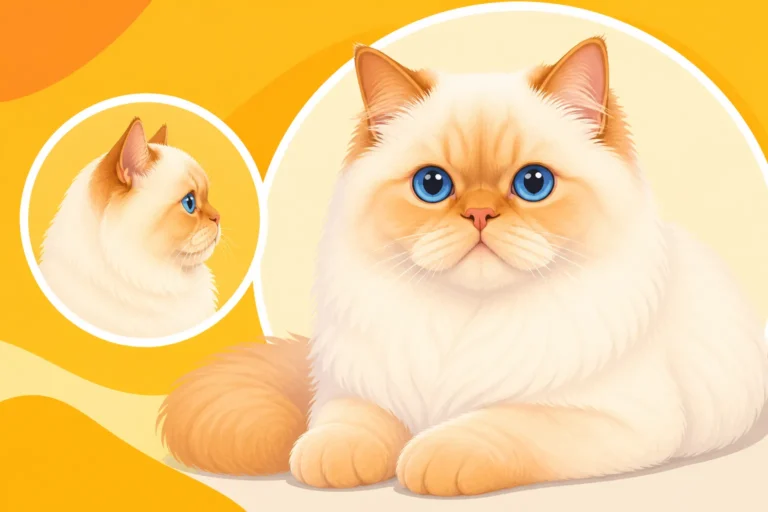
Himalayans are famous for their "pointed" coloration – a lighter body with darker "points" on the ears, face, paws, and tail. The variety and rarity of these point colors can definitely impact the price. Classic seal points (dark brown), blue points (slate gray), and flame points (red/orange) are very popular. However, more uncommon point colors, such as chocolate point or lilac point, which are genetically harder to produce, often fetch a premium. A tortie point Himalayan, which is almost always female and displays patches of red or cream within their points, can also be particularly sought after.
Some buyers have a strong preference for a particular point color, and breeders often manage waitlists based on these preferences. It’s interesting to note that Why a Himalayan Deposit Is Taken Before the Points Show is because even as tiny, almost white kittens, breeders can often predict the point color based on parentage and subtle cues. The contrast and clarity of the points against the body coat are also factors; a well-defined and rich point color is more desirable in the show ring and, consequently, in a pet kitten.
Face Type: Doll Face vs. Peke Face
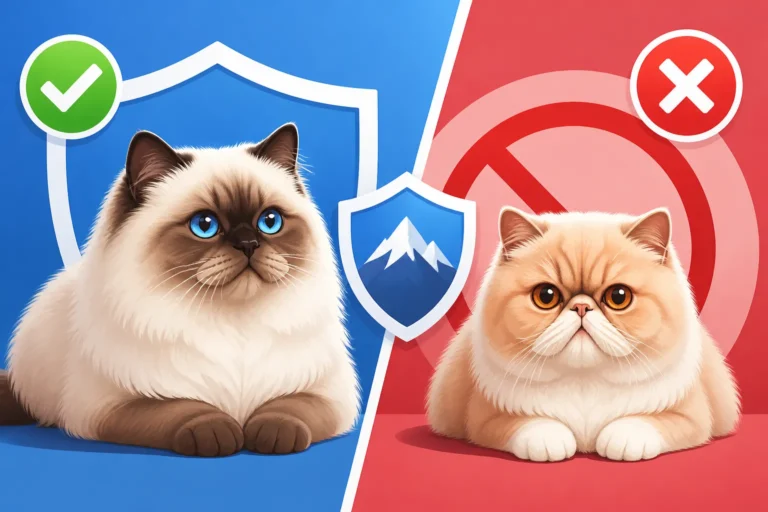
The Himalayan comes in a couple of distinct "face types," largely a carryover from their Persian lineage. Historically, Himalayans had a more traditional, "doll face" appearance with a slightly longer muzzle and a gentle slope to their nose. Over time, selective breeding, particularly for the show ring, led to the development of the "peke face" or "ultra-typed" Himalayan, characterized by an extremely flattened face, often with the nose situated between the eyes.
Today, while the peke face is more common in show lines and generally preferred by many show judges, there's a growing appreciation for the doll face, especially among pet owners who prioritize health and ease of breathing. Doll-faced Himalayans often command a premium because they are less common and are perceived to have fewer potential breathing and tear-staining issues associated with the more extreme flattened face. The demand for healthier, more functional facial structures has made Why a Doll Face Himalayan Commands a Premium a significant trend in pricing.
Conformation to Show Standards
For breeders aiming to produce show-quality cats, the conformation to the breed standard is paramount. This includes factors like the shape and size of the head, the roundness and deep blue color of the eyes, the small, low-set ears, the cobby (compact and sturdy) body, and the texture and length of the coat. A kitten that is deemed "show quality" because it closely matches these ideal characteristics will naturally be more expensive than one classified as "pet quality."
Pet quality doesn't mean there's anything wrong with the cat; it simply means it might have a minor deviation from the show standard, such as an ear that's a touch too large, eyes that aren't perfectly round, or a coat that's slightly off-texture. These small differences have no impact on the cat's health or its ability to be a wonderful companion, but they do affect its potential in the show ring, and thus its price. Breeders spend years carefully selecting pairings to produce kittens that consistently meet these high standards, and that dedication is built into the cost.
Beyond the Purchase: Ongoing Costs to Consider
The initial purchase price is just the beginning of your financial commitment to a Himalayan. These cats come with specific needs that, while incredibly rewarding to meet, do require ongoing investment. Thinking about these long-term costs upfront will help you avoid surprises and ensure you can provide the best possible life for your furry companion for The Nine to Fifteen Years a Himalayan Usually Gets.
Lifelong Grooming Requirements
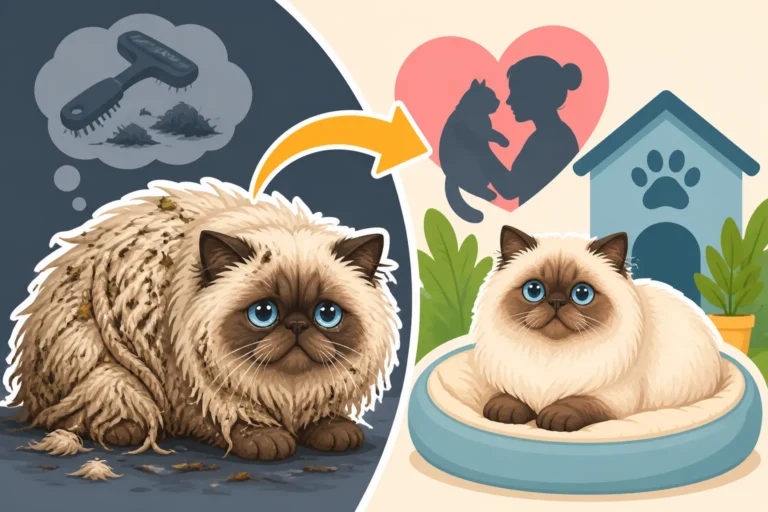
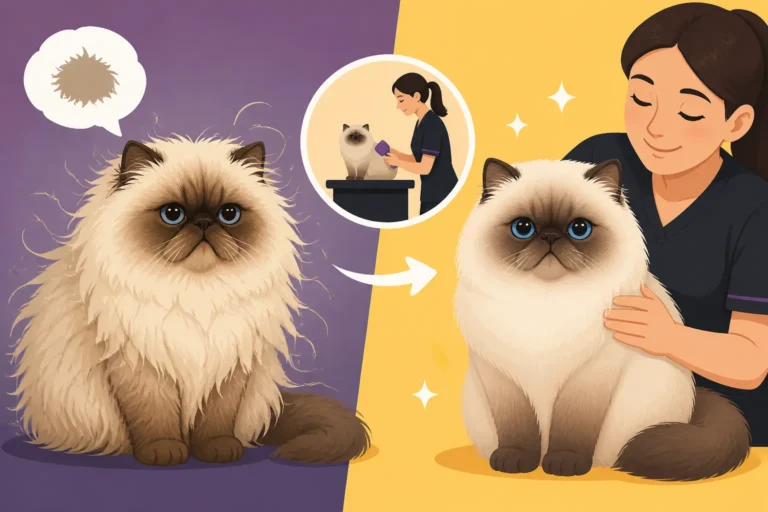
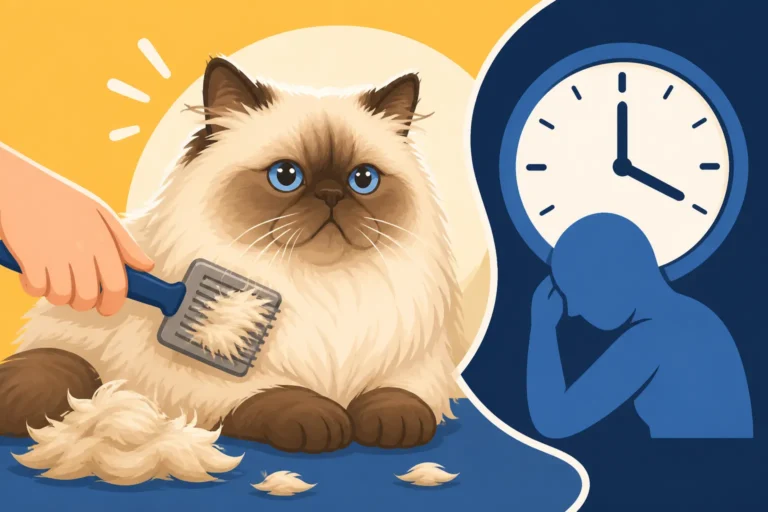
Himalayans are renowned for their luxurious, long coats, which are absolutely stunning but demand a serious commitment to daily grooming. This isn't an optional extra; it's a non-negotiable part of owning a Himalayan. Their dense double coat mats very easily, particularly in areas like the armpits, britches, and behind the ears. Skipping even a day can lead to painful tangles that quickly become felted mats, often requiring professional grooming or even veterinary intervention under sedation to remove.
You'll need a good quality steel comb and potentially a slicker brush, and you'll be spending a significant amount of time each day, usually 15-30 minutes, keeping that coat pristine. This ongoing time commitment translates into a form of cost, and if you can't do it yourself, professional grooming costs can add up quickly. Many owners find themselves needing a groomer regularly for tidying trims or even a full "lion cut" during warmer months. Understanding What Daily Combing Costs a Himalayan Owner in Time is essential for budgeting your time and money.
Specialized Dietary Needs
While Himalayans don't typically have overtly restrictive diets, their unique facial structure and tendency towards a more sedentary lifestyle mean their nutrition needs a bit of thought. Their flattened faces can make it difficult to eat certain kibble shapes, leading to them pushing food out of the bowl or making a mess. Many owners find shallow, wide bowls or even flat plates work best. Some prefer to feed a higher quality wet food or a combination of wet and dry, which can be more expensive.
Furthermore, Himalayans are not typically high-energy cats. They enjoy lounging and don't burn as many calories as more active breeds. This means precise portion control is crucial to prevent obesity, which can exacerbate breathing issues and lead to other health problems. Feeding a high-quality, nutrient-dense diet ensures they get all they need without excess calories, which can be a higher per-bag or per-can cost but is a vital investment in their health. You can find many specialized bowls and foods on platforms like Chewy that cater to the unique needs of brachycephalic breeds.
Veterinary Care and Health Insurance
The long-term health of your Himalayan is a significant financial consideration. Even with the best breeding, their unique conformation can predispose them to certain issues. Their flattened faces can lead to breathing difficulties (brachycephalic airway syndrome) and tear staining. Their long coats require constant attention to prevent mats and skin issues. Their crowded jaws often mean dental problems are more prevalent, and they may need more frequent professional dental cleanings under anesthesia. Why a Himalayan's Vet Year Is Eyes, Teeth and Kidneys outlines some of these common, and often costly, concerns.
It's highly advisable to budget for regular vet check-ups, potential specialist visits, and possibly even pet health insurance. Services like Healthy Paws offer pet insurance plans that can help offset the costs of unexpected illnesses or accidents. While insurance is an additional monthly expense, it can be a lifesaver when faced with a large vet bill, especially considering Which Conditions Insurers Write Out of a Himalayan Policy so you can ensure you get the right coverage. Proactive care, like managing tear staining or regular dental checks, can prevent more serious and expensive problems down the line.
Geographical and Market Dynamics
Just like real estate or car prices, the cost of a Himalayan can fluctuate based on where you live and the current demand for the breed. What might be a standard price in one state could be significantly different in another, and even within the same region, local supply and demand play a crucial role.
Regional Price Variations
The cost of living, veterinary care, and even advertising can vary widely across different regions. In major metropolitan areas or regions with a higher concentration of breeders and affluent buyers, you might find Himalayan kittens fetching higher prices. Breeders in areas with lower overheads, or where there isn't as much competition, might price their kittens more modestly. For example, a kitten from a reputable cattery in a bustling city might have a higher price point than an equally well-bred kitten from a rural cattery in a less populated area.
It's always a good idea to research breeders in your general vicinity and compare prices, but remember to prioritize ethical breeding practices over just the lowest price. Sometimes, traveling a bit further to a breeder who invests more in health testing and socialization can save you money and heartache in the long run.
Supply and Demand within the Himalayan Community
The availability of Himalayan kittens at any given time can also influence their price. If there's high demand for Himalayans, and fewer reputable breeders actively producing kittens, prices can naturally rise. Conversely, if there's an abundance of kittens available, prices might be more competitive. Point color rarity, as mentioned earlier, also plays into this; if a particular point color is very popular and difficult to produce, its demand will drive up the price.
Breeders often have waiting lists for their kittens, especially for specific point colors or facial types. The length of these waitlists can be a good indicator of demand. Ethical breeders focus on quality, not quantity, so they typically have fewer litters, which can contribute to higher prices due to limited supply.
Age and Temperament of the Cat
While most people seek out kittens, sometimes an older Himalayan, perhaps a retired breeding cat or one from a rehoming situation, might be available at a different price point. A retired queen or stud, usually spayed or neutered, might be offered for a lower "adoption fee" by a reputable breeder who wants them to enjoy a quiet life as a cherished pet. These cats often come with all their health clearances and are already accustomed to a home environment, which can be a fantastic option for someone open to an adult cat.
Similarly, a kitten's temperament can subtly affect its price, though this is less common for purebred sales. For instance, a kitten that is particularly outgoing and playful might be slightly more sought after than a very shy one, though responsible breeders strive for well-socialized and confident kittens across the board. Factors like How Much a Himalayan With No Papers Costs would be at the absolute lowest end, reflecting the lack of any verifiable background or health assurances.
The True Cost of Ownership: Why the "Bargain" Can Be Expensive
It’s tempting to gravitate towards the lowest price tag when you’re looking for a Himalayan, especially when budgets are tight. However, in the world of purebred cats, a "bargain" often comes with a hidden and far steeper price tag down the line. What you save upfront in purchase price, you can easily pay back tenfold in vet bills, behavioral training, and emotional distress. It's a classic case of "you get what you pay for," and with living creatures, the stakes are incredibly high.
Hidden Health Issues in Untested Lines
The most significant danger of a cheaply priced Himalayan is the increased likelihood of hidden health issues. As discussed, Himalayans are predisposed to certain genetic conditions like Polycystic Kidney Disease (PKD) and Progressive Retinal Atrophy (PRA). A breeder who is selling kittens for a few hundred dollars almost certainly has not invested in the necessary genetic testing for their breeding stock. These tests are expensive, and skipping them is how they keep their initial costs low.
The problem is, these conditions don't manifest immediately. A kitten might seem perfectly healthy at eight or twelve weeks old, but PKD cysts could start growing on their kidneys, or their vision could begin to deteriorate from PRA, becoming evident around the age of two to five years. The veterinary care for managing these chronic conditions – specialized diets, medications, frequent vet visits, ultrasounds, blood work – can easily run into thousands of dollars over the cat's lifetime. This is the real, heartbreaking cost of Why a Cheap Himalayan Skipped Both Tests. It's a gamble with your pet's life and your wallet that simply isn't worth it.
Here's a quick comparison of potential costs associated with different types of Himalayan purchases:
| Factor | Low-Cost Kitten (Untested/Unregistered) | Mid-Range Kitten (Pet Quality, Tested Parents) | High-End Kitten (Show Quality, Tested Parents) |
|---|---|---|---|
| Initial Purchase | $500 – $1,000 | $1,000 – $2,000 | $2,000 – $3,000+ |
| Vet Bills (First 5 Yrs) | Potentially $3,000 – $10,000+ (for genetic issues) | $500 – $2,000 (routine care) | $500 – $2,000 (routine care) |
| Grooming Issues | Higher likelihood of mats, skin infections due to poor coat quality/owner education | Regular maintenance, fewer severe issues | Regular maintenance, fewer severe issues |
| Behavioral Support | High likelihood (shyness, aggression) | Low likelihood | Low likelihood |
| Emotional Toll | High (due to illness, behavioral problems) | Low | Low |
| Peace of Mind | Low | High | Very High |
Behavioral Challenges from Poor Socialization
Beyond health, a low-cost kitten often comes from an environment where socialization was neglected. Reputable breeders spend significant time handling their kittens, exposing them to various sights and sounds, and ensuring they are confident and comfortable around people before they go to their new homes. Kittens raised in overcrowded, unsanitary, or isolated conditions, or taken from their mothers too early, are far more likely to develop behavioral problems.
These can include extreme shyness, fear-based aggression, litter box issues, or excessive vocalization. While some behavioral issues can be addressed with patience and professional help, they require a significant investment of time, effort, and sometimes money for behaviorists or specialized training. This adds another layer of "hidden cost" to that initially cheap kitten. A well-socialized kitten integrates into your home much more smoothly and becomes a loving, confident member of your family, which is priceless.
The Emotional and Financial Toll of Neglect
Ultimately, the true cost of a cheap Himalayan often manifests as a heavy emotional and financial toll on the owner. Dealing with a chronically ill cat or one with severe behavioral problems is emotionally draining. Watching your beloved pet suffer from a preventable genetic disease is heartbreaking. The financial burden of managing ongoing medical conditions can be overwhelming, leading some owners to make difficult choices they never imagined.
When considering a Himalayan, or any pet, it’s vital to understand that the purchase price is a down payment on a commitment that will last over a decade. Investing in a kitten from a reputable breeder, one who prioritizes health, temperament, and adherence to breed standards, might seem more expensive upfront, but it is almost always the more responsible and ultimately more economical choice. It ensures you bring home a healthy, happy cat who will enrich your life for many years to come.
Disclaimer
This article is for general informational purposes only and does not constitute professional advice. Laws, prices and regulations vary by location and change over time. Consult a qualified professional for guidance on your specific situation.