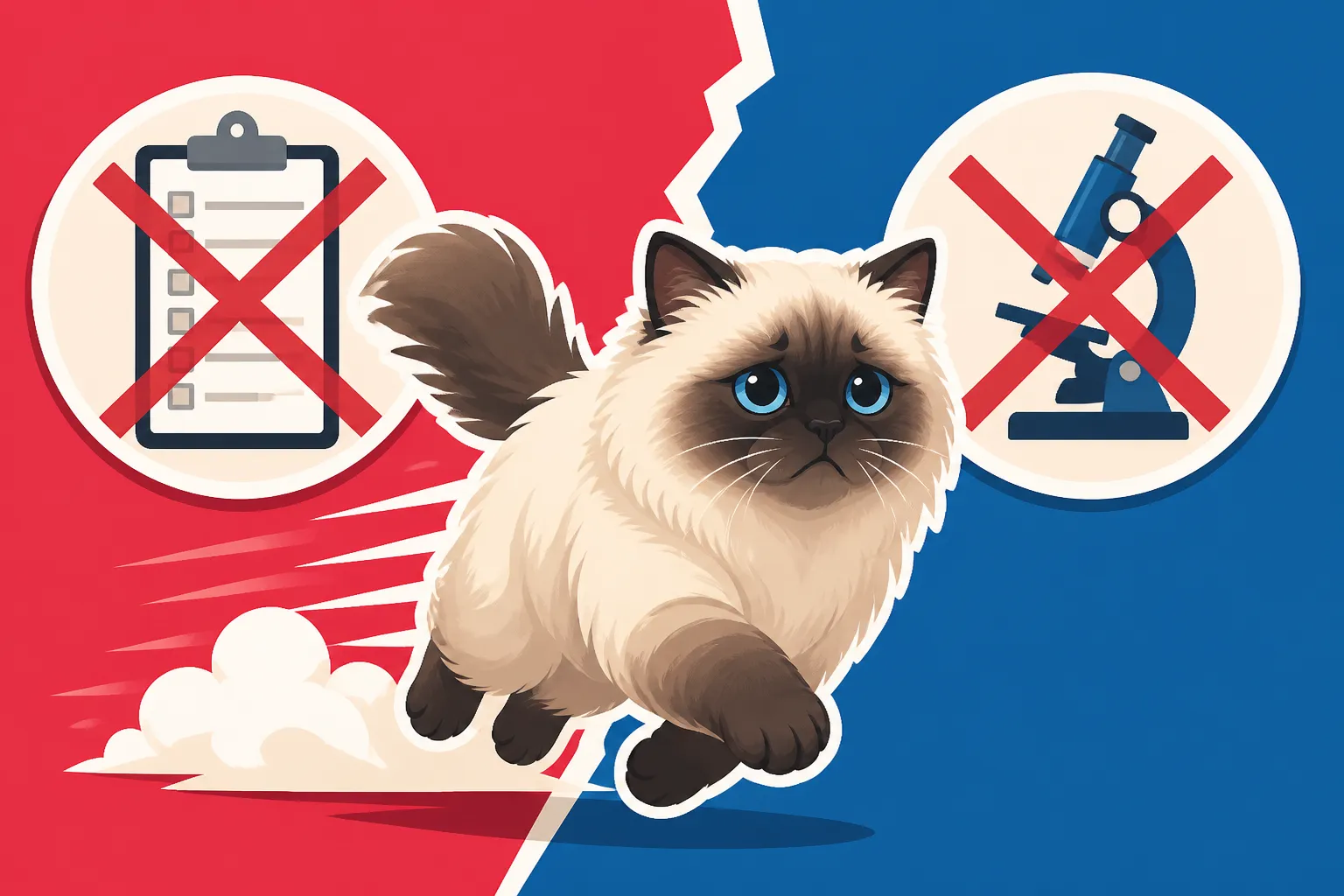
Why a Cheap Himalayan Skipped Both Tests
It’s a common scenario: you’re dreaming of bringing home a beautiful Himalayan cat, you’ve done your research, and then you stumble upon an advertisement for a kitten at a price that seems almost too good to be true. Suddenly, that picture of a fluffy, blue-eyed bundle seems within easier reach. But for those deeply discounted Himalayans, there's often a silent, painful truth behind the low price tag: essential health tests were skipped, leaving you vulnerable to heartbreaking and expensive medical issues down the line. This guide is here to shed light on why a cheap Himalayan might be a red flag and what those missing health clearances truly mean for a future with your beloved companion.
The Hidden Costs of a "Bargain" Himalayan Kitten
When you see a Himalayan kitten offered for significantly less than the going rate, it’s a natural human instinct to feel like you’ve found a great deal. Who doesn't love saving money, especially when bringing a new family member home? However, with a breed like the Himalayan, a low initial price is almost always a direct indicator that critical steps in responsible breeding have been bypassed. These aren't just minor oversights; they are fundamental omissions that can lead to a lifetime of health challenges for the cat and considerable financial and emotional strain for you.
The Two Non-Negotiable Genetic Tests for Himalayans
For any responsible Himalayan breeder, two genetic health tests are absolutely non-negotiable before breeding their cats. These tests target specific inherited diseases that are unfortunately prevalent in the Persian lineage from which Himalayans largely descend. Skipping these tests is akin to buying a car without checking if the engine or brakes work – it might look pretty, but you’re setting yourself up for disaster. These tests provide peace of mind and, more importantly, a baseline of health assurance for the future kitten.
The first, and arguably most critical, is for Polycystic Kidney Disease, or PKD. This is a progressive, inherited kidney disease where cysts form on the kidneys, eventually leading to kidney failure. It’s an autosomal dominant condition, which means a cat only needs to inherit one copy of the faulty gene from either parent to develop the disease. A simple DNA test, usually a cheek swab, can definitively tell if a cat carries the gene. If a breeding cat tests positive, it should never be bred, as it will pass the gene to at least half of its offspring. Reputable breeders invest in this test for every single breeding cat in their cattery to ensure that no kitten they produce will suffer from this devastating condition. You should always insist on seeing proof of clear PKD tests for both parents. If a breeder gives you a song and dance about "no issues in their lines" or "we just haven't tested this one," run the other way. This genetic test is crucial, and you can learn more about its importance by reading Why PKD Needs Only One Copy in a Himalayan.
The second vital test is for Progressive Retinal Atrophy (PRA). This is another inherited condition, but this one affects the eyes, leading to a gradual degeneration of the retina and ultimately, blindness. Unlike PKD, PRA is often recessive, meaning a kitten needs two copies of the faulty gene (one from each parent) to be affected. However, cats can be carriers without showing symptoms themselves, unknowingly passing the gene to their kittens. While there are different forms of PRA, and genetic testing panels vary, a comprehensive eye exam by a veterinary ophthalmologist, often coupled with a DNA test, is vital for breeding cats. Knowing the status of the parent cats helps ensure that their kittens will enjoy a full life with their sight intact. Imagine the heartbreak of watching your beloved companion slowly lose their vision by the age of five because a breeder didn't invest a small amount in testing.
Why Reputable Breeders Invest in Testing and Charge for It
The cost of a healthy Himalayan kitten from a responsible breeder isn't just pulled out of thin air; it reflects a significant investment in the health, welfare, and genetic integrity of their breeding program. This investment includes, but is not limited to, the genetic tests we've just discussed. Each test for PKD or PRA costs money, and when you have multiple breeding cats, these costs add up quickly. But it’s not just about the test fees themselves.
Responsible breeders also invest in high-quality nutrition for their queens and kittens, routine veterinary care, vaccinations, deworming, early socialization, and often, extensive showing to prove their cats meet breed standards. They spend countless hours researching pedigrees, maintaining clean and safe environments, and nurturing each kitten to ensure they are healthy, well-adjusted, and ready for their new homes. This dedication is a full-time commitment, not a hobby they squeeze in on the side. When you consider the genetic testing, the veterinary care, the quality food, the specialized litter (maybe even from Chewy!), and the sheer amount of time and effort involved in raising a litter of healthy, well-socialized kittens, the price tag from a reputable breeder starts to make perfect sense. They are selling you not just a kitten, but a guarantee of a healthy start and the backing of someone who stands by their animals. Asking for a fair price allows them to continue these vital practices, ensuring the future health of the breed.
Understanding the Risks of Untested Lines
Choosing a Himalayan from an untested line is a gamble, and unfortunately, the cat often pays the highest price. The diseases these tests screen for are not minor inconveniences; they are serious, life-altering conditions that can lead to chronic illness, blindness, and premature death. The short-term savings on the kitten's purchase price will almost certainly be dwarfed by future veterinary bills and the emotional toll of caring for a sick pet. It's a classic case of paying now or paying much more later.
Polycystic Kidney Disease PKD The Silent Threat
PKD is truly a silent threat because affected cats often show no symptoms in their early years. The cysts are present from birth, but they gradually grow, displacing healthy kidney tissue. Owners might not notice anything is wrong until their Himalayan is five, seven, or even older, when the disease has progressed to kidney failure. At this point, symptoms like increased thirst and urination, weight loss, poor appetite, and lethargy become apparent. Diagnosing PKD in an adult cat, especially if the genetic history is unknown, can involve ultrasounds to visualize the cysts and blood tests to assess kidney function. You can typically see How Early Cysts Show on a Himalayan's Kidney Scan, but by then, the damage is already underway.
Managing PKD is a lifelong commitment once diagnosed. It involves specialized renal diets, often expensive prescription foods, medications to manage symptoms, and potentially subcutaneous fluids administered at home as the disease progresses. The veterinary visits become more frequent, the costs mount, and you watch your beloved cat's health slowly decline. It’s an incredibly stressful and heartbreaking journey for any pet owner. The irony is that this entire ordeal is completely preventable through responsible breeding practices and genetic testing. An untested cat means you're walking into this potential nightmare blind.
Progressive Retinal Atrophy PRA The Blind Future
Progressive Retinal Atrophy (PRA) is equally devastating, robbing a cat of its sight over time. Early signs might be subtle, like your Himalayan being a little more hesitant in dimly lit rooms, bumping into furniture, or having dilated pupils even in bright light. Because Himalayans are often calm, indoor cats, they tend to adapt remarkably well to vision loss, especially if it's gradual. They rely on their excellent hearing and memory to navigate their familiar environment, which can sometimes mask the progression of the disease. However, the eventual outcome is complete blindness.
Caring for a blind cat requires dedication and adjustments to their environment. Furniture must remain in fixed positions, new obstacles need to be introduced slowly, and special care must be taken to ensure their safety. While blind cats can lead happy lives, it's a profound change for both the cat and the owner. The emotional impact of knowing this could have been avoided with a simple test before breeding is immense. How Retinal Atrophy Blinds a Himalayan by Five can be a harsh reality if you get a cat from an untested line, underscoring the importance of breeder diligence.
Other Health Concerns Often Overlooked by Cheap Breeders
Beyond PKD and PRA, breeders who cut corners on genetic testing are often cutting corners elsewhere. Himalayans, with their distinctive flat faces and luxurious long coats, require specific attention to detail in their breeding to minimize other potential health issues. A "cheap" breeder might not be paying attention to:
- Brachycephalic Airway Syndrome (BAS): The flattened face of a Himalayan, while adorable, can lead to respiratory issues. Reputable breeders strive for a balance, ensuring open nostrils and a well-formed soft palate. Untested lines might produce cats with severely pinched nostrils or elongated soft palates, leading to chronic snoring, difficulty breathing, and increased risk during anesthesia. What a Well Built Himalayan's Breathing Sounds Like is not just about aesthetics, but about health.
- Dental Problems: The shortened jaw of a Himalayan often leads to overcrowded teeth, increasing the risk of dental disease. Regular dental care and early interventions are crucial. A breeder who doesn't prioritize overall health might not acknowledge or screen for these structural issues. You might find your cat needs Why a Himalayan Needs Dentals Earlier Than a Siamese more often and more extensively.
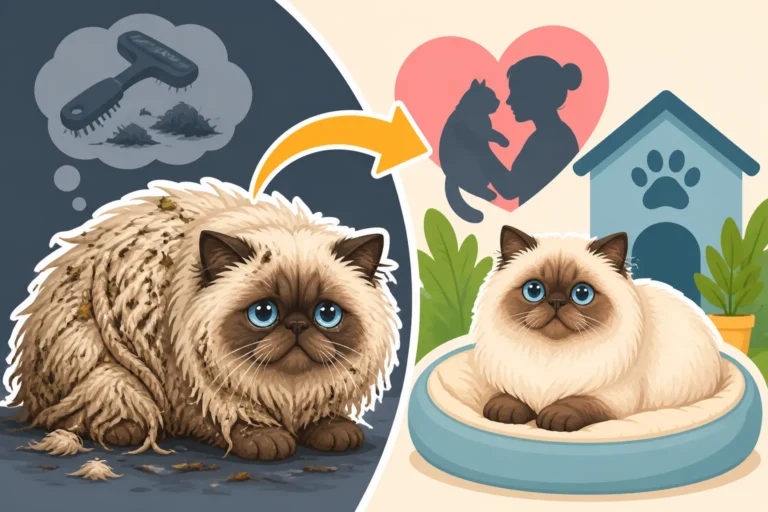
- Coat Maintenance: While not a "disease," a Himalayan's dense, long coat requires diligent daily grooming. Breeders should emphasize this and ensure their breeding cats have manageable coats. Those focused solely on quantity over quality often neglect proper coat care for their breeding stock, which can indicate a lack of commitment to the breed's overall well-being. This might lead to issues like Why a Matted Himalayan Becomes a Medical Case.
These are just a few examples of issues that often go hand-in-hand with a lack of genetic testing. A breeder who truly cares for the health of their cats considers the whole picture, not just the easily overlooked genetic factors.
What to Ask and Look For in a Responsible Breeder
Finding a responsible Himalayan breeder isn’t about interrogation, it’s about having an open, honest conversation where both parties ensure a good fit for the kitten. When you're looking for a Himalayan, remember you're not just buying a pet; you're adopting a family member for potentially fifteen years or more. You want that relationship to start on the strongest, healthiest foundation possible. Being prepared with questions and knowing what to look for will empower you to make an informed decision and avoid future heartbreak.
The Breeder's Transparency and Documentation
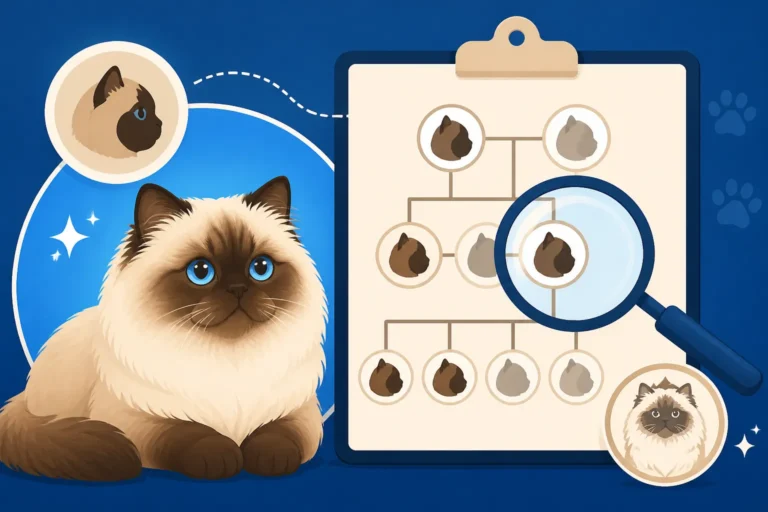
A truly responsible breeder will be an open book when it comes to the health and lineage of their cats. They understand that transparency builds trust and assures you of the quality of their kittens. One of the first things you should ask for is proof of genetic testing for both parent cats. This isn't just a verbal assurance; you need to see the actual certificates. For PKD, this usually comes from a reputable veterinary genetics lab, stating the cat is "PKD negative" or "PKD clear." Don't be shy about asking to see How to Read a Himalayan's PKD Certificate. If they have excellent lines, they will be proud to show you.
Beyond genetic tests, ask about their general veterinary care routine for the breeding cats and kittens.
- When were the kittens first vet-checked?
- What vaccinations have they received?
- Have they been dewormed?
- What kind of food are they currently eating?
- Can you meet the mother cat, and ideally, the father? Observe their temperament and overall health.
- Are they registered with a recognized cat association like CFA or TICA? Ask to see their pedigree papers. While the Himalayan's registration can be complex (sometimes registered as a Persian, sometimes its own breed), a reputable breeder will be able to explain their specific registration practices clearly.
- A good breeder will also provide a written contract and a health guarantee, often covering genetic conditions for a specified period. Be sure to understand Whether a Himalayan Guarantee Covers the Kidneys and other crucial health aspects. They should also be ready to provide a list of references, perhaps from their vet or previous kitten buyers.
Red Flags That Signal Trouble
Learning to identify red flags is just as important as knowing what to look for in a good breeder. These warning signs are often subtle, but they can save you immense heartache and expense in the long run. Trust your gut feeling; if something feels off, it probably is.
- No Health Guarantees or Vague Answers: This is a huge red flag. A breeder who cannot or will not provide clear documentation of genetic testing (PKD and PRA) and a health guarantee is likely cutting corners. Vague answers like "our cats are all healthy" or "we don't believe in those tests" are unacceptable and dangerous.
- Pushing for a Quick Sale and No Waiting List: Responsible breeders often have waiting lists because their kittens are in high demand due to their quality and reputation. If a breeder is pressuring you to take a kitten immediately, or always has many kittens available at very low prices, it suggests they prioritize volume over health and welfare. They might not care about the long-term well-being of their cats, only moving them out the door.
- Extremely Low Prices: As discussed, the initial price of a Himalayan kitten reflects the investment a breeder makes. If the price is significantly lower than the breed average (which can span five hundred to three thousand, depending on factors like pedigree and point color), it’s a strong indicator that corners have been cut. This often means vital health testing, quality food, or proper veterinary care have been skipped. Remember, What a Himalayan With No Testing Behind It Sells For is usually far less than What a Himalayan From a Tested Persian Line Costs for very good reason.
- Unwillingness to Show Their Home or Cattery: While not every breeder runs a large, open facility, a responsible breeder should be willing to show you where their kittens are raised, or at least provide extensive photos and videos that demonstrate a clean, safe, and enriching environment. If they insist on meeting in a public place or won't allow you to see the kitten's living conditions, it could be a sign of unsanitary conditions or puppy/kitten mill practices.
- Lack of Knowledge About the Breed: A passionate and responsible breeder knows their breed inside and out. They should be able to discuss the Himalayan's temperament, grooming needs, potential health issues, and lineage with confidence and detail. If they seem uninformed or unable to answer basic questions, they might not be dedicated to the breed's welfare.
The Long-Term Financial and Emotional Impact
When you opt for that "cheap" Himalayan, the savings are often an illusion. The true cost of an untested cat reveals itself over time, manifesting as significant financial burdens and profound emotional distress. It's a heavy price to pay for what initially seemed like a bargain. Thinking about What a Himalayan Costs From Kitten to Fifteen really puts these initial 'savings' into perspective.
Vet Bills and Specialized Care
Managing a chronic condition like PKD or PRA in a Himalayan can quickly become incredibly expensive. For a cat with PKD, routine veterinary visits may be replaced by frequent trips to a specialist, blood tests every few months, prescription medications to support kidney function, and potentially daily subcutaneous fluid administration. Renal diets, specifically formulated to reduce the workload on failing kidneys, are often more costly than standard cat food. These costs can easily run into hundreds, if not thousands, of dollars annually, far exceeding the initial savings on the kitten.
Even if you have pet insurance, some policies may not cover pre-existing conditions or breed-specific ailments if not properly documented at the time of purchase. Companies like Healthy Paws offer great coverage, but you need to ensure your cat is healthy from the start and that all breeder documentation is in order to avoid claim denials. The financial strain can be overwhelming, especially when combined with the emotional stress of watching your beloved pet suffer. You might find yourself having to choose between costly treatments and your cat's quality of life, a decision no pet owner ever wants to face.
The Heartache of an Unhealthy Companion
Beyond the financial aspect, the emotional toll of having an unhealthy companion is perhaps the heaviest burden. You bring a pet into your home expecting years of joyful companionship, purrs on your lap, and playful antics. Discovering your cat is slowly losing its sight or facing progressive kidney failure due to a preventable genetic condition is truly heartbreaking. The guilt, frustration, and sadness can be immense.
You invest your time, love, and energy into these creatures, and to know their suffering could have been avoided by a responsible breeder's due diligence is a tough pill to swallow. The experience can taint the joy of pet ownership and replace it with anxiety and constant worry. A healthy kitten from tested lines might have a higher upfront cost, but it truly buys you peace of mind and the best possible chance for a long, happy, and relatively healthy life together. Remember, How Many Years a Himalayan From Tested Lines Lives is often a direct reflection of the care and testing that went into its breeding. Investing in a properly screened kitten is an investment in years of companionship and a far less stressful journey for both of you.
Here's a quick comparison to help solidify the distinction:
| Feature | "Cheap" Untested Himalayan Kitten | Reputable Tested Himalayan Kitten |
|---|---|---|
| Initial Cost | Significantly lower | Higher, reflects breeder investment |
| Parent Health Tests | Skipped, unknown genetic status | PKD & PRA (and others) clear; certificates provided |
| Health Guarantee | None, or vague/limited | Detailed, often covers genetic conditions |
| Potential Vet Bills | Very high for chronic, inherited diseases (PKD, PRA, respiratory) | Lower risk for inherited diseases, routine care expected |
| Emotional Impact | High stress, heartache, guilt over preventable illness | Peace of mind, confidence in cat's healthy start |
| Breeder Transparency | Low, evasive answers, unwilling to show parents/cattery | High, open communication, welcomes questions, shows environment |
| Long-Term Outlook | Risk of shortened lifespan, chronic illness, diminished quality of life | Best chance for a long, healthy life; greater quality of life for cat |
Disclaimer
This article is for general informational purposes only and does not constitute professional advice. Laws, prices and regulations vary by location and change over time. Consult a qualified professional for guidance on your specific situation.