Why a Himalayan Kitten Stays Until Its Points Settle
Bringing home a Himalayan kitten is such an exciting time, filled with anticipation for that fluffy, blue-eyed bundle of joy. But if your breeder has told you that you'll need to wait a few extra weeks for their "points to settle," you might feel a mix of eagerness and slight confusion. It's not just a whimsical term; there's a very real and practical reason why those precious few weeks make all the difference, both for the kitten's development and for ensuring you bring home a healthy, well-adjusted companion with the stunning coloration you expect. This guide is going to walk you through exactly what 'point settling' means for a Himalayan kitten and why patience truly is a virtue in this instance.
The Science Behind the Points: Why Color Takes Time to Show
You might be wondering why a Himalayan kitten isn't born with its distinct color points already visible. After all, a solid black kitten is black from day one. The answer lies in the unique genetics of the Himalayan cat, which they inherited from their Siamese ancestors. This gene is temperature-sensitive, meaning the color pigment only develops in the cooler parts of the cat's body. The warmest parts, like the core body, remain a beautiful cream or white.
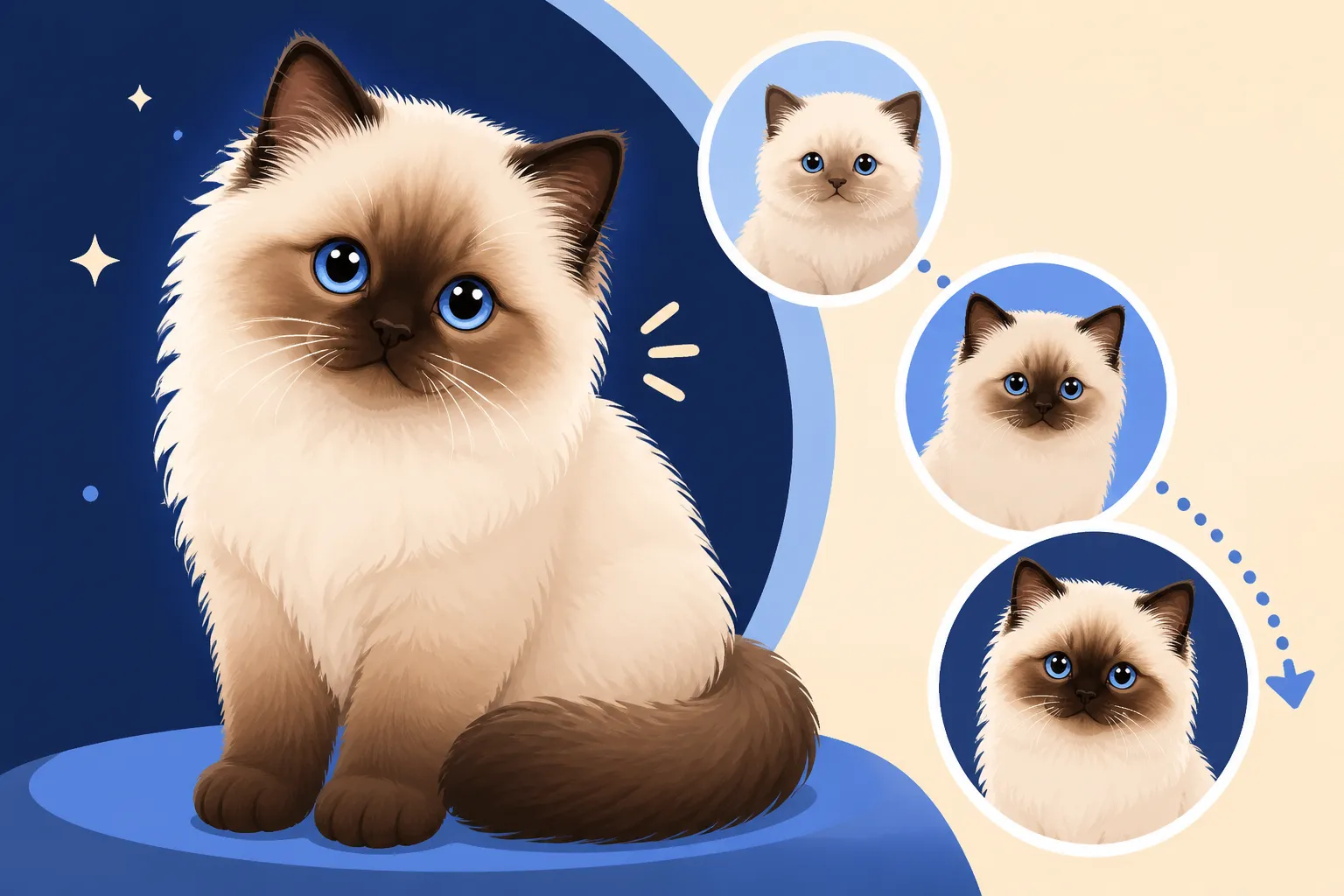
When a Himalayan kitten is born, it has been nestled warmly inside its mother, where its entire body temperature is uniformly warm. This means there's no differential temperature for the point coloration to develop. This is why What Color a Himalayan Kitten Is at Birth is almost always a pure white or very pale cream, lacking any distinct markings on their ears, face, paws, or tail. Over the first few weeks, as the kitten is exposed to the ambient room temperature, the extremities cool down, and the magic of point coloration begins to unfold. It’s a fascinating biological process that dictates the timing of when we see those beautiful markings appear. You can imagine it like a photograph slowly developing in a darkroom.
The intensity and speed at which these points appear and deepen can actually vary. Factors like the ambient temperature of the nursery, the kitten's individual metabolism, and even the specific point color gene (seal point versus chocolate point, for example) can influence how quickly the points become noticeable. A kitten kept in a slightly cooler environment might develop its points a tiny bit faster than one in a very warm room, though breeders always prioritize the kitten's overall health and comfort. This gradual darkening process is crucial because it gives the breeder and future owner a clear picture of the kitten's true, genetic coloring. How Many Weeks Before a Himalayan Kitten's Points Show can give you a better idea of the initial timeline, but "settling" goes beyond just showing.
What 'Settling' Truly Means for Your Himalayan's Appearance
When breeders talk about "points settling," they're not just waiting for the color to appear. They're waiting for the color to reach a stable, predictable shade and depth that accurately reflects the kitten's genetic makeup and future appearance. Think of it like a paint job that needs to cure; it might look good immediately, but it isn't truly set until a certain amount of time has passed. This period allows the full expression of the kitten's point color, ensuring there are no surprises once they go to their new homes.
For instance, a blue point kitten might initially appear very pale, almost like a lilac point. Only as the weeks go by and the pigment continues to develop will the true blue tone emerge and deepen. The contrast between the body color and the points is also a critical aspect that needs to "settle." A well-defined contrast is highly desired in the breed standard and contributes to the overall beauty of the cat. How Judges Score a Himalayan's Point Contrast in a show setting illustrates just how important this visual distinction is, even if you're not planning to show your cat. Waiting for this contrast to become clear helps everyone understand what the adult cat will look like.
Beyond the shade and contrast, the actual spread and definition of the points also takes time. The mask on the face, the "boots" on the paws, and the full coloration of the tail will all continue to develop and become more distinct over the first few months of life. A breeder wants to ensure these patterns are clearly established before a kitten leaves. This isn't just about aesthetics; it’s about the integrity of the breed and the accurate representation of the kitten's heritage. Reputable breeders are committed to matching you with a kitten that will truly embody the Himalayan characteristics you admire.
Let's look at a general timeline for point development:
| Age of Kitten | Observable Point Development | Significance of Waiting |
|---|---|---|
| Birth to 2 Weeks | Almost entirely white or pale cream. | No visible points yet. |
| 2-4 Weeks | Faint dusting of color on ears/nose leather. | Ear tips and nose bridge may show first hints. |
| 4-8 Weeks | Points more defined on ears, face, tail, paws. | Color begins to deepen, pattern emerges. |
| 8-12 Weeks | Points are clearly visible, deepening in shade. | True point color becomes discernible. |
| 12-16 Weeks (approx.) | Points are "settled," showing good contrast. | Stable coloration, ready for new home. |
This table illustrates why a breeder typically aims for that 12-16 week window for kittens to go to their forever homes. It gives the kitten ample time for its unique pattern to truly shine through. How a Himalayan Kitten's Points Darken Month by Month further explains this fascinating transformation.
Beyond Aesthetics: Health and Social Benefits of Waiting
While the allure of settled points is strong, there's much more to those extra weeks than just appearance. These crucial early months are a period of immense growth and development for a Himalayan kitten, both physically and socially. Reputable breeders understand that rushing a kitten out the door before it's truly ready can lead to behavioral issues and health challenges down the line.
Firstly, those additional weeks with their mother and littermates are paramount for proper socialization. Kittens learn essential social cues, bite inhibition, and how to interact appropriately with other cats. A kitten separated too early might miss out on these vital lessons, potentially leading to fear, aggression, or difficulty adjusting to new environments later. They also observe their mother's behavior, learning how to groom themselves, use the litter box reliably, and generally navigate their world. A kitten who is confidently exploring and playing with its siblings is much more likely to adapt well to a new home.
Secondly, a Himalayan kitten needs time for its immune system to fully mature and for its vaccinations to take effect. Kittens receive their first vaccinations around 8 weeks and then typically a booster around 12 weeks. Waiting until after this second round ensures they have a much stronger defense against common feline illnesses before being exposed to a new environment. What a Himalayan Kitten Has Had Done Before Its Points Set usually includes these critical veterinary checks and initial vaccinations. This also allows the breeder to perform a thorough final health check, ensuring the kitten is robust and ready for its new family. This is why a good pet insurance policy, like those offered by Healthy Paws, can be incredibly valuable once you bring your kitten home, as it helps cover unexpected veterinary costs, especially with a breed that has some unique health considerations.
Lastly, the physical development of a Himalayan kitten's unique facial structure, including its adorable flattened nose and large, round eyes, continues during this time. A breeder will observe When a Himalayan Kitten's Face Finishes Developing to ensure there are no glaring issues that might impact breathing or eye health later. They also assess aspects like nasal patency and eye clarity. How a Himalayan Kitten's First Exam Includes Its Palate is a detail a good breeder will share with you as part of their comprehensive care. This holistic approach to their development ensures you're not just getting a beautiful cat, but a healthy and well-adjusted one too.
When Your Himalayan Kitten is Truly Ready for Home
Deciding when a Himalayan kitten is truly ready to leave its breeder isn't just about a calendar date; it's a combination of physical maturity, behavioral readiness, and the stability of its point coloration. While most breeders aim for kittens to be around 12-16 weeks old, the exact timing can be a little flexible based on the individual kitten's development. A good breeder will always prioritize the kitten's well-being over a rigid timeline. They want to ensure that the kitten is robust, confident, fully weaned, litter trained, and has received its initial vaccinations.
As an aspiring Himalayan owner, you can play an active role by communicating openly with your breeder. Ask for regular updates and photos, paying attention to how the points are developing. Inquire about the kitten's personality traits—is it playful, curious, or more reserved? This helps ensure a good match for your household. When the time comes, remember to stock up on all the essentials. High-quality kitten food, designed for growth and sensitive stomachs, will be crucial. Consider bowls designed for flat-faced cats, easily found on sites like Chewy, to make eating more comfortable for their unique facial structure.
Bringing a new kitten home is a huge transition, and even the most well-prepared Himalayan can take a little time to adjust. Expect a period of observation where your new family member will explore and learn its new surroundings. Provide a quiet, secure space with fresh water, food, and a low-sided litter box. How Long a Himalayan Takes to Claim a New Chair or integrate into your daily routine can vary, so patience is key. The extra weeks the breeder spent ensuring the points settled and the kitten reached critical developmental milestones will make this transition smoother for everyone. Ultimately, waiting for that perfectly settled coloration and robust health means you're bringing home a cherished companion who is truly ready to thrive in your home for years to come.
Disclaimer
This article is for general informational purposes only and does not constitute professional advice. Laws, prices and regulations vary by location and change over time. Consult a qualified professional for guidance on your specific situation.