Which Point Colors Carry a Himalayan Premium
It's a common thought when you start looking for a Himalayan kitten: "Why does that one cost more than that one?" While many factors go into a breeder's pricing, one question often at the forefront is how much a specific point color influences the final price. Navigating the world of Himalayan point colors and their impact on cost can feel a bit like deciphering a secret code, but it boils down to rarity, demand, and the sheer effort a dedicated breeder puts in to achieve those stunning hues. This guide will unravel the mysteries behind Himalayan point color premiums, giving you a clearer picture of what you might expect.
Understanding Himalayan Point Colors and Genetics
When you first lay eyes on a Himalayan, it’s those distinctive "points" – the darker coloration on their ears, face mask, paws, and tail – that truly capture your heart. This isn't just a random pattern; it's a fascinating genetic trait that dictates much of their visual appeal and, often, their price tag.
The Basics of Colorpoint Genetics
Himalayans owe their unique coloration to a specific gene known as the "Himalayan gene" or "colorpoint gene." This gene carries a temperature-sensitive enzyme that produces pigment only in cooler areas of the body. Think of it like a natural thermometer for fur color! Kittens are born almost entirely white or cream because they’ve been warm in their mother’s womb. As they grow and are exposed to cooler environmental temperatures, the pigment-producing enzyme kicks in on the extremities, slowly revealing their point color. This means that a kitten's points won't fully develop until several weeks, even months, after birth. Understanding How Many Weeks Before a Himalayan Kitten's Points Show is crucial for appreciating this development.
This genetic quirk also explains some interesting phenomena you might observe with your Himalayan throughout its life. For instance, if a Himalayan ever has a patch of fur shaved for surgery or a medical procedure, that new fur will often grow back darker initially. This happens because the shaved area, being temporarily cooler without its protective layer of fur, triggers the enzyme to produce more pigment. It’s a vivid demonstration of Why a Shaved Patch Grows Back Dark on a Himalayan. The strength of this genetic expression, and how clearly defined the points are against the body, is something breeders carefully consider and impacts the overall quality of the cat.
Beyond the initial development, a Himalayan's point color can actually deepen and spread slightly throughout its life, especially if they live in a cooler environment. This isn't just about initial kitten development; it's an ongoing process. The underlying genetics for these colors are inherited from the Siamese side of their ancestry, blended with the long, luxurious coat and body type of the Persian. It’s a truly unique combination that makes each Himalayan a living work of art, and understanding this genetic blueprint helps us appreciate why certain colors are more challenging, and therefore more prized, than others.
The Spectrum of Recognized Point Colors
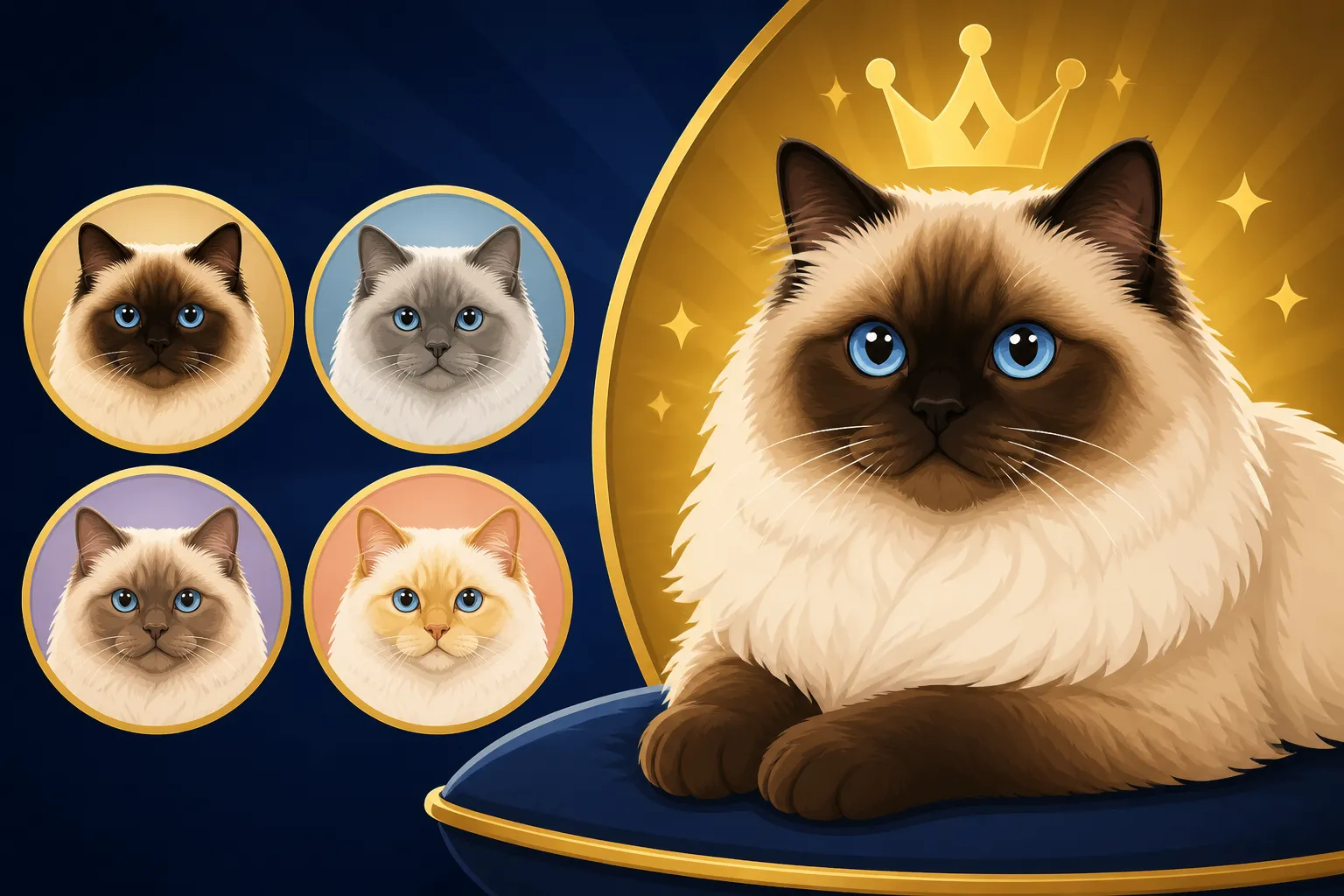
The world of Himalayan point colors is surprisingly diverse, extending far beyond just "dark tips." Each color has its own charm and fan base, but some are undoubtedly rarer or more challenging to produce. The foundational colors are Seal Point, which is a deep, rich brown-black, reminiscent of a seal's fur, and Blue Point, a softer, slate gray. These are often considered the classics and are quite common.
Moving into more nuanced shades, we find Chocolate Point, a warm, milk-chocolate brown, and Lilac Point, a delicate, frosty gray-pink – almost lavender. These two are generally considered rarer and more challenging to produce because they require specific recessive genes from both parent cats. Then there are the red-based points: Flame Point (sometimes called Red Point), which is a vibrant orange-red, and Cream Point, a softer, pastel apricot. These can appear incredibly striking, especially against a pale body.
Lastly, we have the patterned points: Tortie Point (or Tortoiseshell Point), which is a mix of red/cream and seal/blue/chocolate/lilac, giving a mottled, patched appearance, and Lynx Point (or Tabby Point), featuring distinct tabby stripes within the point coloration. A Tortie Point Himalayan is always female, due to the genetics of the red color gene, which adds another layer of uniqueness. Each of these colors requires specific genetic combinations, and their appearance can vary in intensity and depth, leading to a spectrum of visual appeal that directly influences a breeder's valuation.
Why Certain Point Colors Command a Premium
It's not just about aesthetics; the premium associated with certain Himalayan point colors often stems from a blend of genetic rarity, the inherent difficulty in breeding for consistency, and the ebb and flow of public demand.
Rarity and Breeding Difficulty
When a point color is considered "rare," it's usually because the genetic combination required to produce it is less common or more complex. Chocolate and Lilac points are prime examples. To produce a Chocolate Point Himalayan, both parent cats must carry the recessive gene for chocolate. If even one parent doesn't carry it, chocolate kittens simply won't appear in the litter. The same goes for Lilac points, which are an even rarer dilution of chocolate. Breeders spend years, sometimes even decades, carefully selecting breeding cats to establish a strong line for these specific colors. This involves extensive research into pedigrees, genetic testing, and often importing cats from other lines to introduce the necessary genes.
The difficulty isn't just in producing the color, but in producing it consistently and well. A breeder aiming for, say, a true Lilac Point isn't just hoping for a diluted chocolate; they're looking for that perfect, icy lavender shade with excellent contrast against a creamy white body. This level of dedication requires a significant investment of time, resources, and expertise. When you're dealing with such specific genetic goals, litter sizes might be smaller, or fewer kittens might meet the strict criteria for a premium color and quality. This scarcity, born from meticulous and challenging breeding programs, naturally drives up the price for these more elusive hues.
Popularity and Demand
Sometimes, even a common point color can fetch a higher price simply due to overwhelming popularity and demand. Seal Points and Blue Points, while genetically straightforward to produce compared to chocolates or lilacs, are timeless classics. Their deep, rich contrast and stunning visual appeal mean that many prospective owners specifically seek them out. When demand outstrips supply, even for a relatively common color, prices can naturally climb. This isn't necessarily about rarity in the genetic sense, but rarity in terms of available kittens versus the number of families eager to bring one home.
Think about it like this: a classic car might not be "rare" in the sense that only a few were ever made, but if it's a universally loved model in pristine condition, its value skyrockets due to consistent demand. The same principle applies here. Breeders who consistently produce high-quality Seal or Blue Points with excellent type (body structure, head shape, eye color) often find themselves with long waiting lists. This consistent high demand allows them to price their kittens at the upper end of the spectrum, reflecting not just the color, but the overall quality and desirability of their particular line. It's a testament to the enduring appeal of these iconic Himalayan looks.
Consistency and Quality of Points
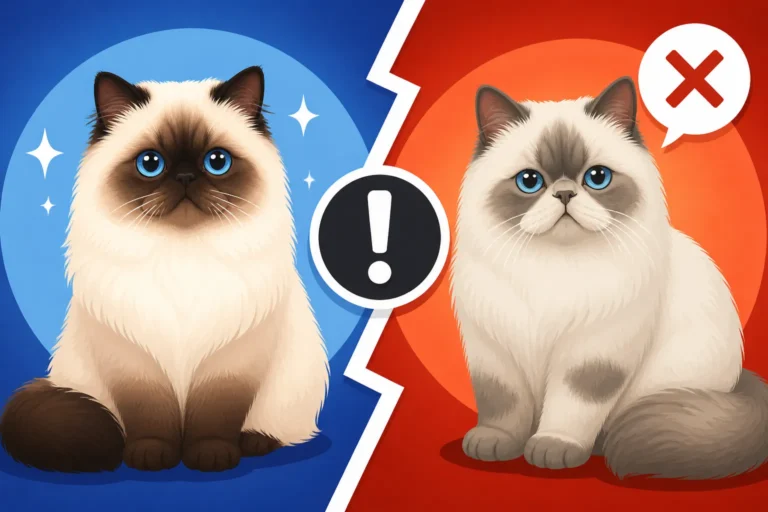
Even within a specific point color category, there's a significant difference in the quality of the points, and this plays a huge role in determining a cat's premium. What does "quality of points" mean? It refers to the depth, clarity, and evenness of the color, as well as the contrast against the body coat. For a show-quality Himalayan, judges look for intensely colored points that are clearly defined, without smudging or fading into the body. The mask should be symmetrical, and the color on the paws and tail should be consistent.
A Himalayan with weak, faded, or uneven points, or poor contrast between the points and the body, would be considered "pet quality" even if it's a rare color. Conversely, a common Seal Point with exceptionally deep, well-defined points and brilliant contrast could command a higher price than a poorly colored Chocolate Point. Breeders invest heavily in ensuring their lines consistently produce cats with excellent point definition and contrast. This isn't just about having the right genes; it's about meticulous breeding decisions, careful environmental management (as temperature affects point development), and nutrition. Achieving show-stopping points is a hallmark of a skilled breeder and is directly reflected in the kitten's perceived value and premium. A poorly contrasted Himalayan might struggle in the show ring, as judges often deduct points for this. For owners, the visual appeal of a Himalayan whose points are well-defined and vibrant is undeniable, and many are willing to pay for that aesthetic perfection.
The Impact of Point Color on a Himalayan's Price Tag
Understanding how point color affects a Himalayan's price isn't just about identifying the "most expensive" shade; it's about appreciating the spectrum of costs, which reflect both the inherent challenges of breeding certain colors and the subjective preferences of the market.
Beyond the Basic Black and Blue
While there are no hard and fast rules for pricing, generally speaking, the foundational Seal and Blue Points tend to be at a more accessible price point compared to their rarer counterparts. This is because the genetics for these colors are more common, making them easier for breeders to produce consistently. However, "accessible" doesn't mean cheap. A well-bred Seal or Blue Point from health-tested parents and excellent lineage will still reflect the significant investment a reputable breeder makes in their cats.
When you start looking at Chocolate, Lilac, Flame, or Cream Points, you'll often see a jump in the asking price. As discussed, the genetic hurdle for Chocolate and Lilac is higher, demanding specialized breeding programs. Flame and Cream Points, while not as genetically complex as Lilacs, are also highly sought after for their warm, soft hues, leading to increased demand. Tortie and Lynx Points can also vary, with exceptionally clear patterning or rare color combinations within the tortie pattern pushing prices upwards. It’s not just the color itself, but the perfection of that color, that counts. Keep in mind that prices are rarely static and depend heavily on geographical location, breeder reputation, and the individual kitten's quality. This is why How Much a Himalayan From a Tested Persian Line Costs might differ significantly from a less rigorously bred kitten. It's not uncommon for a Himalayan to cost more than the Persian it registers as, due to the unique combination of traits.
The Breeder's Investment in Color-Specific Lines
A breeder who specializes in a particular, challenging point color – say, Lilac Points – makes a substantial long-term investment that directly translates into the kitten's price. This isn't just about having a cat that might produce the color; it's about having a dedicated breeding program aimed at perfecting it. This often means purchasing breeding stock that is considerably more expensive, sometimes importing cats from other countries to bring in specific genetic lines. These foundation cats might have a premium attached not just for their color, but for their impeccable health testing, conformation to breed standards, and documented ability to pass on desirable traits.
Furthermore, maintaining these specialized lines can be more labor-intensive. A breeder might have fewer litters if they're waiting for specific genetic matches, or a higher percentage of kittens in a litter might not meet the stringent criteria for the "premium" color and quality. Every kitten they sell must help recuperate the costs of these specialized breeding efforts, including health screenings, genetic testing, and the time and care invested over several generations. This deep commitment to a specific, challenging color is a significant factor in Why a Rare Point Color Raises a Himalayan's Price, reflecting the years of dedication, financial outlay, and genetic understanding involved in bringing those beautiful, precise shades to fruition.
Show Quality vs. Pet Quality
It’s crucial to understand the distinction between "show quality" and "pet quality" Himalayans, as this greatly impacts pricing, especially when a particular point color is involved. A "show quality" kitten is one that closely adheres to the breed standard in every aspect – including its point color, contrast, and overall conformation. For these kittens, the point color must be perfectly clear, deep, and evenly distributed, with excellent contrast against the body coat. These are the cats a breeder would consider entering into competitions, and their potential to win ribbons and titles means they command the highest prices.
However, even a kitten with a "rare" point color might be deemed "pet quality" if it has minor faults that would prevent it from excelling in the show ring. These might include a less-than-perfect mask, slight streaking in the points, or a body coat that is too dark, reducing contrast. While still a beautiful and loving companion, it wouldn't meet the rigorous standards for show. Such a kitten might be priced lower than its show-quality siblings, even if it shares the same rare color. Conversely, an exceptionally well-typed Seal Point with flawless points and conformation could be priced higher than a pet-quality Lilac Point, simply because its overall quality is superior. Therefore, while point color certainly contributes to the premium, the overarching quality of the cat against the breed standard is equally, if not more, important, especially for those considering Why a Poorly Contrasted Himalayan Loses in the Ring.
Other Factors Influencing Himalayan Pricing (Beyond Color)
While point color undeniably plays a significant role in a Himalayan's price, it's just one piece of a much larger puzzle. Many other crucial elements contribute to the overall cost, reflecting a breeder's ethics, expertise, and commitment to the health and well-being of their cats.
Pedigree and Health Testing
This is, arguably, the single most critical factor that should influence a Himalayan's price, regardless of its point color. A reputable breeder invests heavily in health testing their breeding cats for genetic diseases common to the breed. For Himalayans, this primarily includes Polycystic Kidney Disease (PKD1) and Progressive Retinal Atrophy (PRA). PKD is a devastating inherited kidney disease that can lead to kidney failure, while PRA can cause blindness. Genetic testing for these conditions is essential, and clear results provide immense peace of mind. Breeders who diligently test their lines will reflect these costs in their kitten prices, and rightfully so. It's a non-negotiable part of responsible breeding. You should always ask Which Two Tests Belong on Every Himalayan Pedigree and verify them.
Beyond direct health testing, a strong, documented pedigree speaks volumes. It shows a lineage of healthy, well-conformed cats with desirable traits, often including show champions. This isn't just fancy paperwork; it’s a history of careful breeding decisions aimed at producing robust, healthy, and beautiful cats. The cost of What Testing a Himalayan for PKD and the Eyes Costs can be substantial, and these expenses are integrated into the kitten's price. When you choose a kitten from a tested line, you're not just buying a cat; you're buying a much higher probability of a long, healthy life, potentially saving thousands in vet bills down the road. Some pet insurance providers, like Healthy Paws, recognize the value of responsible breeding and may offer plans that cover unexpected illnesses, but preventing them through testing is always preferable.
Face Type (Doll Face vs. Peke Face)
The style of a Himalayan's face is another major differentiator in pricing and can sometimes overshadow point color, especially for buyers with a strong preference. Traditionally, Himalayans had a more moderate, "doll-face" or "traditional" appearance, with a slightly longer muzzle and a gentle slope to their nose. This profile is often associated with fewer breathing and eye-watering issues. However, over time, a preference for the "peke-face" or "ultra-typed" look emerged in the show ring, characterized by an extremely flat face, a "break" between the eyes, and a very short nose.
While the peke-face look can be striking, it often comes with potential health challenges related to breathing (Brachycephalic Airway Syndrome) and tear staining. Many buyers, now more aware of these health considerations, actively seek out the more traditional doll-face Himalayans, often finding them to be gentler on the wallet in terms of long-term care, and aesthetically pleasing. This increased demand for doll-face Himalayans has led some breeders to specialize in this type, and consequently, a well-bred doll-face Himalayan can command a premium. This is why you might see a price difference, as Why a Doll Face Himalayan Commands a Premium is a real market trend reflecting health-conscious buyer preferences.
Breeder Reputation and Support
The reputation of a breeder is a powerful indicator of a kitten's value, often influencing the price more than any other single factor. A highly reputable breeder isn't just selling kittens; they're offering a lifetime of support, guidance, and a guarantee of ethical practices. This includes being transparent about health testing, offering a comprehensive contract, providing proper socialization for kittens, and being available to answer questions long after you've brought your new companion home. They'll also be meticulous about the environment their cats are raised in, ensuring cleanliness, proper nutrition, and ample space for development.
Such breeders invest not only financially but also personally. They dedicate countless hours to their cats, continuously learning, attending shows, and networking with other responsible breeders. This level of dedication translates into healthier, well-adjusted kittens, and buyers are often willing to pay a premium for that assurance. Conversely, a breeder who charges very little, offers no health guarantees, or seems secretive about their cattery should raise a red flag, regardless of the kitten's color. The ongoing support and peace of mind that come from a reputable breeder are invaluable, and it’s a wise investment to choose a breeder based on their reputation and the comprehensive support they offer, ensuring you bring home a cat that has been given the best start in life.
Navigating the Purchase: What to Expect and Ask
Bringing a Himalayan into your home is an exciting journey, and knowing what to expect during the purchase process can help you make an informed decision and avoid potential pitfalls. It’s not just about picking a pretty face; it’s about securing a healthy, well-adjusted companion for years to come.
Understanding Deposits and Waitlists
It's very common for reputable Himalayan breeders to operate on a waitlist system, especially for highly sought-after point colors or face types. When you find a breeder whose cats and practices you admire, expect to place a deposit to secure your place on their waiting list. This deposit demonstrates your serious commitment and allows the breeder to plan future litters and match kittens to families. The amount can vary, but it's typically a non-refundable portion of the final purchase price.
Breeders often have specific waitlists for certain preferences, such as “female Seal Point” or “Doll Face Flame Point.” Be prepared that waiting lists for particularly rare or popular combinations can be long, sometimes extending for many months. It's a sign of a good breeder, as it indicates high demand and that they are not over-breeding their cats. During this waiting period, maintain open communication with your breeder. Ask for updates, understand their typical timelines, and clarify how they allocate kittens to ensure you get the best match for your home and lifestyle. This also allows you to plan ahead for supplies and food.
What Your Kitten's Papers Should Include
When you take your Himalayan kitten home, you should receive a packet of important documents. Reputable breeders are transparent and will provide these without hesitation. At a minimum, you should expect:
- Registration Papers: These confirm your kitten's lineage and breed purity. Depending on the registry (CFA or TICA are common in North America), your kitten might be registered as a Himalayan or as a Colorpoint Persian. Understanding Which Two Certificates a Himalayan Breeder Owes You is essential for verifying your cat's background. These papers are often sent after proof of spay/neuter for pet-quality kittens.
- Health Records: A detailed record of your kitten’s vaccinations, deworming schedule, and any vet visits. This should also include clear documentation of the health testing (PKD, PRA) performed on both parent cats. You should receive copies of the parents' genetic test results, and it's vital to know How to Read a Himalayan's PKD Certificate to understand what the results mean.
- A Contract/Health Guarantee: This legally binding document outlines the terms of the sale, health guarantees, and responsibilities of both the buyer and the breeder. It should detail what happens if a genetic health issue arises within a specified timeframe.
- Pedigree: A multi-generational family tree showing your kitten's ancestors. This provides a clear picture of their heritage and helps confirm the health testing history of the lineage.
- Care Instructions: Guidance on feeding, grooming, and initial care specific to a Himalayan cat.
Always insist on receiving these documents. A breeder who is hesitant or unable to provide them might be cutting corners, which could lead to health or pedigree issues down the line. It's about protecting your investment and, more importantly, the well-being of your new family member.
Budgeting for the Long Haul
While the initial purchase price of a Himalayan kitten can be substantial, it's truly just the tip of the iceberg when it comes to lifetime ownership costs. Many first-time owners are surprised by the ongoing expenses, which are significant for a breed like the Himalayan due to their unique needs.
Firstly, consider grooming. Their long, luxurious Persian coats require daily combing to prevent mats. Neglecting this leads to painful tangles, skin issues, and potentially costly professional grooming or even veterinary sedation for shaving. Understanding What Daily Combing Costs a Himalayan Owner in Time is crucial, but also factor in the cost of high-quality grooming tools. Many owners still opt for professional grooming every few months, especially for lion cuts during warmer weather or to manage difficult areas.
Next, diet is key. Himalayans, especially those with flatter faces, often do better with specific bowl types and high-quality wet food to support hydration and dental health. Premium foods, including fresh, customized meal plans, come at a higher cost. Regular dental care is also paramount due to their crowded mouths, often requiring professional cleanings under anesthesia.
Finally, veterinary care is an ongoing expense. Beyond routine check-ups and vaccinations, Himalayans are prone to specific issues like tear staining that require daily cleaning products. Insuring your Himalayan with a pet insurance provider like Healthy Paws can help manage unexpected health costs, particularly given their predisposition to certain genetic conditions. Factor in annual check-ups, potential specialist visits, and the cost of medications as your cat ages. A realistic budget for all these elements ensures your Himalayan lives a comfortable, healthy, and happy life, proving that the initial kitten price is just the beginning of a loving commitment.
Point Color Premium Comparison Table
This table offers a general overview of common Himalayan point colors and how their rarity and popularity tend to influence their premium. Remember, individual kitten quality, breeder reputation, and local demand will always play a significant role.
| Point Color | Rarity/Difficulty to Produce | General Demand | Typical Price Premium Relative to Other Himalayans | Notes |
|---|---|---|---|---|
| Seal Point | Common | Very High | Moderate to High | The classic and most recognizable point color. High demand for excellent contrast and type can still lead to a premium. |
| Blue Point | Common | High | Moderate to High | Another classic. Soft, elegant gray points. High demand for clear, cool blue tones. |
| Chocolate Point | Rare | Moderate to High | High | Requires specific recessive genes from both parents. Sought after for its warm, rich brown hue. Often commands a higher price due to breeding challenges. |
| Lilac Point | Very Rare | High | Very High | A diluted version of chocolate, appearing as a frosty, pinkish-gray. One of the most challenging and expensive to breed due to extreme genetic requirements. |
| Flame Point | Moderate | High | Moderate to High | Vibrant orange-red points. Popular for its striking color. Can sometimes be associated with a slightly higher premium due to strong visual appeal. |
| Cream Point | Moderate | Moderate | Moderate | A softer, pastel apricot version of Flame Point. Less intensely colored, can be harder to achieve good contrast. |
| Tortie Point | Moderate (Females only) | Moderate | Moderate to High (depending on pattern clarity) | Patches of red/cream mixed with seal/blue/chocolate/lilac points. Always female. Clear, well-distributed patches can increase value. |
| Lynx Point | Moderate | Moderate to High | Moderate to High (depending on pattern clarity) | Tabby stripes within the point areas. Can be Seal Lynx, Blue Lynx, etc. Clearly defined stripes and good contrast contribute to a higher premium. |
Disclaimer
This article is for general informational purposes only and does not constitute professional advice. Laws, prices and regulations vary by location and change over time. Consult a qualified professional for guidance on your specific situation.