Why a Doll Face Himalayan Is Priced Apart
It's incredibly frustrating when you start looking for a Himalayan kitten, only to find prices that seem to swing wildly, often with the enigmatic phrase "Doll Face" attached to the higher end. You wonder what the big deal is, and why some kittens cost so much more than others when they all look adorable. This guide will help you understand the specific factors that contribute to why a Doll Face Himalayan is often priced apart from their Peke Face counterparts, giving you clarity in your search.
Understanding the Himalayan "Look": Doll Face vs. Peke Face
The term "Doll Face" or "Traditional" and "Peke Face" or "Extreme" refer to the two main facial structures you'll encounter in the Himalayan breed. This isn't just a cosmetic difference; it represents a significant divergence in breeding goals and, consequently, impacts everything from health considerations to the final price tag of a kitten. Many prospective owners don't realize how much these subtle differences can influence their cat's daily life and potential vet bills down the road.
Defining the "Doll Face" Aesthetic
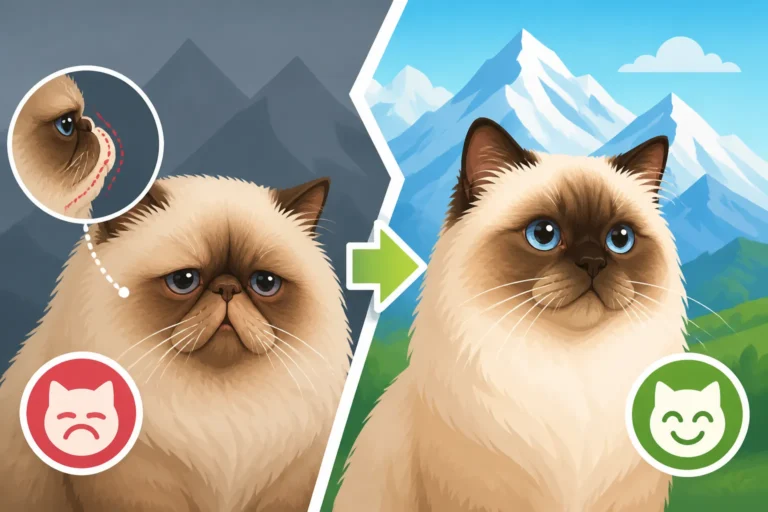
A "Doll Face" Himalayan embodies the classic, older style of the breed, a look that hearkens back to the breed's origins. Think of a sweet, gentle expression with a slightly longer nose that still has a distinct break, but it’s not pushed in as far as an extreme Persian. Their eyes are still large and round, but they don't bulge. This profile allows for more open nostrils and a less crowded jaw, giving the cat a softer, more natural appearance. It's the face many people picture when they first hear "Himalayan," recalling images of cats from decades past.
For many owners, the appeal of the doll face is precisely this balanced, gentle look. They appreciate that the nose is clearly visible and offers better breathing pathways. It’s about a traditional aesthetic that prioritizes both beauty and functionality. If you're wondering What a Doll Face Himalayan's Profile Measures, it’s generally characterized by a well-defined, proportionate muzzle and nose bridge, avoiding the deeply recessed features of the Peke face.
The "Peke Face" and Show Standard
The "Peke Face" or "Extreme" Himalayan, on the other hand, is bred to conform to the modern show standards, particularly those influenced by the Persian breed's evolution in the cat fancy. This look features a much flatter face, with the nose leather typically sitting level with the lower eyelids. Imagine a distinct "stop" in the nose, almost like a pug dog. While striking in the show ring, this extreme conformation often leads to very pinched nostrils and a significantly shortened jaw.
This facial type is undeniably impressive to judges in certain associations, highlighting the very deliberate breeding for specific physical traits. However, it's also the source of many health discussions and frustrations for owners, as these extreme features can bring inherent challenges. If you're curious about What a Peke Face Himalayan's Profile Measures, it often involves precise measurements of the nose placement relative to the eyes and forehead, emphasizing the "flatness" that defines the show standard.
Historical Shift in Himalayan Facial Types
The journey from the original Himalayan appearance to the modern Peke Face isn't accidental; it’s a direct reflection of breeding trends and judging preferences within the cat show world. Early Himalayans, like their Persian ancestors, had more moderate features. Over time, as breeders strived for distinction and followed evolving show standards, the "flat-faced" look became highly prized. This aesthetic, originally seen as an enhancement, inadvertently led to some of the health concerns we discuss today.
It's a historical shift that highlights the complex relationship between breed standards and animal welfare. The move towards flatter faces was seen as a mark of refinement and breed type by many, leading to a focus on these traits in breeding programs. This explains Why Show Himalayans Drifted Toward the Flatter Face – it was a competitive advantage in the ring, even if it wasn't always beneficial for the cats themselves.
The Breeding Realities Behind the Doll Face Profile
When you consider why a Doll Face Himalayan commands a different price, a significant part of the answer lies in the intricate world of breeding. It's not just about preference; it's about the deliberate choices breeders make, the challenges they face, and the time and resources they invest to produce kittens with this specific, more traditional facial structure.
The Genetic Nuances of Facial Structure
Breeding for a Doll Face structure is often more complex than one might imagine. While the Peke Face has become dominant in many show lines due to its prevalence and the ease of producing that look once established, breeding for a balanced, open-faced cat requires careful selection. It means actively seeking out lines that retain these traditional traits, or "outcrossing" to bring them back, which can be a slow and arduous process. Breeders committed to the Doll Face are essentially swimming against a strong current within much of the modern cat fancy. They might be working with smaller gene pools or less prevalent lines to maintain that distinct, classic profile.
This isn't about simply letting nature take its course; it's about understanding complex genetics and making informed decisions to promote specific, healthier physical characteristics. A truly dedicated breeder understands the nuances of facial structure and how it impacts quality of life.
The Dedicated Efforts of Doll Face Breeders
Breeders who focus on the Doll Face look often do so with a strong commitment to health and the original aesthetic of the Himalayan. This dedication translates into significant effort. They meticulously research pedigrees, sometimes going back generations, to find cats that consistently produce offspring with a more open face and better breathing. This might involve traveling further for suitable mates, importing lines, or maintaining smaller breeding programs to ensure precise control over their kittens' development. They're often less concerned with chasing show wins for the extreme look and more focused on preserving a healthier, more traditional type.
These breeders become true custodians of the older lineage, recognizing the value in promoting cats with more functional airways and less extreme features. Their efforts are a direct response to some of the challenges seen in the Peke Face lines, aiming for a happier, healthier companion. It's this level of intentional, health-driven breeding that often contributes to Why a Doll Face Himalayan Commands a Premium.
Lower Litter Sizes and Slower Breeding Progress
The genetic reality of breeding for specific traits, especially those that are less common or require outcrossing, can sometimes result in smaller litter sizes for Doll Face breeders. When you're carefully selecting for particular features and focusing on maintaining genetic diversity within your chosen lines, you might not have the same volume of kittens as a breeder prioritizing sheer numbers or the more prevalent Peke Face look. Fewer kittens mean fewer opportunities to recoup breeding costs and less availability, which naturally drives up individual kitten prices.
Furthermore, the progress in refining Doll Face lines can be slower. It might take several generations to consistently produce kittens with the desired nose length, open nostrils, and overall balanced profile. This slower pace means more time, more care, and more resources invested per kitten over the long run, reflecting in the final purchase price.
Health Considerations and the "Doll Face" Advantage
One of the most compelling reasons why many prospective owners seek out Doll Face Himalayans, and why these cats are often priced higher, revolves around perceived and actual health benefits. The traditional facial structure can mitigate some of the common health challenges associated with the more extreme Peke Face.
Perceived Benefits for Breathing and Tear Ducts
The slightly longer nose and more open nostrils of a Doll Face Himalayan typically lead to better breathing. Owners of Peke Face Himalayans often contend with audible snoring, open-mouth breathing during play, and even heat sensitivity due to constricted airways. A Doll Face cat, with its less extreme conformation, generally experiences fewer of these issues, offering a quieter and more robust breathing experience. You'll notice a significant difference in What a Well Built Himalayan's Breathing Sounds Like compared to those with highly pinched nostrils.
Beyond breathing, the eye structure is often less problematic. Peke Face cats frequently suffer from excessive tearing because their tear ducts can become compressed or kinked due to the flattened facial bones. This leads to tear staining, which, while cosmetic, requires daily cleaning to prevent skin irritation. Doll Face Himalayans tend to have a better tear duct drainage system, reducing the likelihood of chronic tear staining and the associated maintenance. For many, this alone is worth the extra investment in a Doll Face cat, as it translates to less daily care and potentially fewer vet visits for related issues.
Dental Health and Jaw Structure Differences
The flattened skull of a Peke Face Himalayan can lead to significant dental problems. Their jaws are shortened, but they still have the same number of teeth as any other cat. This crowding often results in misaligned teeth, early tooth decay, and the need for frequent and expensive dental cleanings, often under anesthesia. It’s a sad reality that How Crowded a Himalayan's Lower Jaw Gets can lead to painful issues later in life.
A Doll Face Himalayan generally has a more proportionate jaw and facial structure, allowing for better tooth alignment and less crowding. This doesn't mean they're immune to dental issues, but the severity and frequency tend to be reduced. This can save owners considerable money and stress over the cat's lifetime. Think about the long-term cost of multiple dental procedures versus the slightly higher upfront cost of a Doll Face kitten – for many, the investment makes sense for their cat's comfort and their own wallet.
Managing Expectations: Doll Face Isn't a Cure-All
While Doll Face Himalayans generally possess a more robust physical structure, it's crucial to understand that "Doll Face" is not a magic bullet guaranteeing perfect health. These cats still carry the genetic predispositions of the Himalayan breed, which combines traits from both Persians and Siamese. They can still be susceptible to conditions like Polycystic Kidney Disease (PKD) or Progressive Retinal Atrophy (PRA), which are genetic and not related to facial structure. It's vital that a breeder, regardless of the face type, provides you with Which Two Certificates a Himalayan Breeder Owes You for these specific genetic health clearances.
You still need to perform your due diligence, asking breeders about health testing for both parents and reviewing veterinary records. The Doll Face structure simply addresses some of the conformation-related health challenges, not all genetic ones. It’s about choosing a cat that has a better start in life regarding its physical build, but ongoing care and responsible breeding practices remain paramount.
Demand, Scarcity, and Breeder Investment
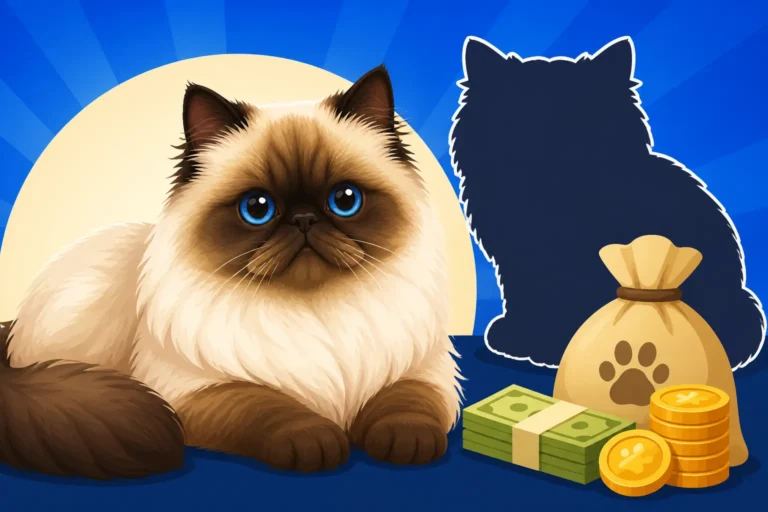
The simple economics of supply and demand play a significant role in why a Doll Face Himalayan is priced higher. When something is highly sought after and less readily available, its price naturally increases. This, combined with the significant investment ethical breeders make, creates a premium market for these desirable kittens.
The High Demand for the Traditional Look
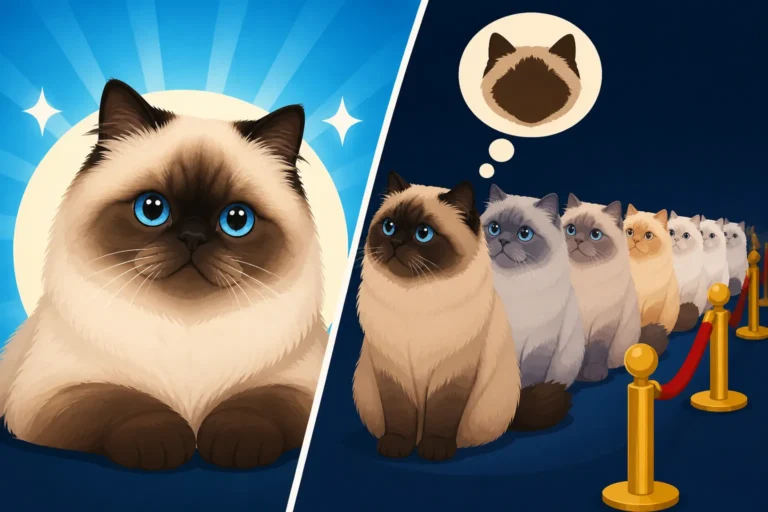
Despite the prevalence of the Peke Face in show rings, a growing number of pet owners are actively seeking out the traditional Doll Face look. They're often driven by a desire for a cat with fewer potential health complications related to breathing and dental issues, or simply by an aesthetic preference for the classic, softer features. This high demand means that Doll Face breeders often have extensive waiting lists, and kittens are reserved long before they're ready to go home. The word gets around in the pet community about breeders who consistently produce healthy, traditional-faced Himalayans, and these breeders become highly sought after.
This isn't just a trend; it's a reflection of owners becoming more educated about breed-specific health issues and prioritizing the long-term well-being of their companions. When you're searching, you'll quickly realize the disparity in availability.
Increased Costs for Ethical Doll Face Breeding
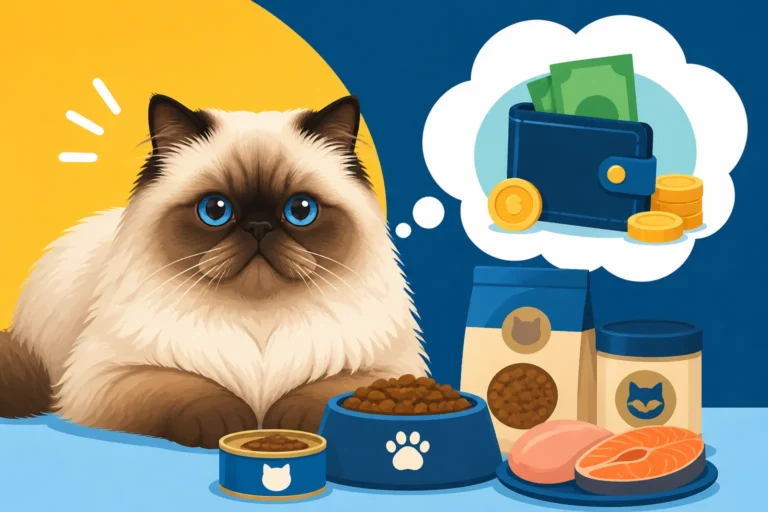
Producing healthy Doll Face Himalayans isn't cheap, and ethical breeders absorb many costs that contribute to the final price of a kitten. This includes health testing for genetic conditions like PKD, regular veterinary check-ups for breeding cats, high-quality nutrition (which can be more expensive), and maintaining a clean, safe, and enriching environment for their cats and kittens. They invest in proper vaccinations, deworming, and early socialization. Furthermore, the selection process for breeding pairs is rigorous. They might need to travel to access suitable breeding lines that still carry the desired Doll Face genetics, or even import cats, adding considerable expense.
These aren't shortcuts breeders can take without compromising the health and quality of their kittens. When you consider What a Himalayan From a Tested Persian Line Costs, you realize that comprehensive health testing and selective breeding are significant investments. The higher price for a Doll Face kitten reflects these substantial investments, ensuring you receive a healthy, well-socialized pet.
The "Waitlist Premium" for Desired Traits
Because demand for Doll Face Himalayans often outstrips supply, many reputable breeders operate with a waitlist. This creates a "waitlist premium" where buyers are willing to pay more for the assurance of getting a kitten with the specific desired traits and health clearances from a trusted source. You might put down a deposit months in advance, knowing that the breeder is committed to preserving the Doll Face line and prioritizing the health of their cats.
This isn't just about exclusivity; it's about peace of mind. Knowing that your kitten comes from parents screened for genetic diseases, with a history of good health and a desirable, traditional facial structure, offers immense value. The convenience of simply finding an immediately available, cheap kitten often comes with hidden risks and potential future veterinary expenses that far outweigh any initial savings. The range of Why Himalayan Prices Span Five Hundred to Three Thousand is often explained by these varying levels of breeder investment and kitten quality.
Here's a quick comparison of Doll Face vs. Peke Face characteristics and their impact:
| Feature | Doll Face Himalayan | Peke Face Himalayan | Price Implication |
|---|---|---|---|
| Nose/Profile | Visible nose, distinct but gentle break, traditional profile | Extremely flat, nose leather level with lower eyelids, severe stop | Doll Face often higher due to rarity & health perception |
| Breathing | Generally open nostrils, less strenuous breathing, quieter | Often pinched nostrils (stenotic nares), audible breathing, snoring | Peke Face may incur vet costs for airway issues |
| Eyes/Tearing | Less prone to excessive tearing and tear staining | Prone to chronic tearing, tear staining, potential eye irritation | Peke Face requires more daily cleaning & care |
| Dental Health | More proportionate jaw, less crowded teeth | Shortened jaw, severely crowded teeth, dental issues common | Peke Face often needs more frequent dental work |
| Breeding Focus | Health, traditional aesthetic, functionality | Conformance to show standard, extreme flatness | Doll Face breeding more challenging/resource-intensive |
| Availability | Less common, often longer waitlists | More prevalent in show lines, often more readily available | Doll Face scarcity contributes to higher price |
What to Expect When Buying a Doll Face Himalayan
So, you've decided a Doll Face Himalayan is the right choice for you and your family. That's wonderful! But navigating the purchasing process requires diligence and a clear understanding of what to look for, especially when you're paying a premium for these special cats. It's about protecting your investment and, most importantly, ensuring you bring home a healthy, happy companion.
Navigating Price Variations and Red Flags
It's natural to see price variations even among Doll Face Himalayans. These can depend on the kitten's pedigree, the breeder's reputation, their show history (if any, as some Doll Face lines are also shown in traditional categories), and even the rarity of its point color. For example, a rare chocolate point Doll Face might cost more than a common seal point. However, be wary of prices that seem too good to be true, or breeders who are evasive about their practices. A very low price for a "Doll Face" kitten can be a major red flag, potentially indicating a lack of health testing, poor living conditions, or even a misrepresentation of the kitten's true facial structure.
Always ask for photos and videos from multiple angles, especially profile shots, to ensure the kitten truly has the Doll Face aesthetic. A responsible breeder will be transparent and happy to provide this. Remember, the goal is not just a "cheap" cat, but a healthy, well-bred cat that will be a joy for years to come.
The Importance of Breeder Transparency and Health Guarantees
When investing in a Doll Face Himalayan, demanding transparency from your breeder is non-negotiable. An ethical breeder will openly discuss their breeding practices, show you the parents' health certificates for genetic diseases like PKD, and be willing to answer all your questions. They should offer a written health guarantee, often covering specific genetic conditions for a certain period after purchase. This guarantee is not just a piece of paper; it's a testament to the breeder's confidence in their lines and their commitment to you and the kitten. You should also ensure that the breeder provides Which Two Certificates a Himalayan Breeder Owes You for genetic health.
Don't hesitate to ask to see the cattery, either in person or via video call. Observe the living conditions, the cleanliness, and how the cats interact with the breeder. A good breeder cares deeply about their animals and will want to ensure you're a good fit for their kitten, asking you questions in return.
Beyond the Purchase Price: Ongoing Care for Any Himalayan
Even with the potential health advantages of a Doll Face Himalayan, owning one is a long-term commitment that extends far beyond the initial purchase price. Himalayans, regardless of face type, have specific care needs due to their long, luxurious coats and their generally placid nature. You'll need to budget for high-quality food, regular grooming supplies, and routine veterinary care. The first year alone, with vaccinations, spay/neuter, and initial check-ups, can be substantial. For instance, Why a Himalayan's Vet Year Is Eyes, Teeth and Kidneys highlights the need for dedicated care focusing on breed-specific concerns.
Considering pet insurance from providers like Healthy Paws can be a wise decision to help manage unexpected veterinary expenses, giving you peace of mind throughout your cat's life. Even with a healthier Doll Face, unforeseen accidents or illnesses can occur. By being prepared for these ongoing costs, you ensure that your beautiful Doll Face Himalayan lives a long, happy, and well-cared-for life.
Disclaimer
This article is for general informational purposes only and does not constitute professional advice. Laws, prices and regulations vary by location and change over time. Consult a qualified professional for guidance on your specific situation.