What a Flame Point Himalayan Sells For
Bringing a beautiful Himalayan cat into your home is a dream for many, but the initial sticker shock can be a real jolt. When you start researching, you quickly discover that prices aren't fixed; they fluctuate wildly, and specific coat patterns like the striking Flame Point can add another layer of complexity to the equation. It's frustrating trying to decipher what's a fair price and what's an inflated one, especially when you’re already envisioning that gorgeous, fiery-tipped companion curled up on your sofa. This guide is here to untangle the factors that influence the price of a Flame Point Himalayan, helping you understand where that dollar figure comes from and what to expect financially, not just at purchase, but throughout your cat's life.
Understanding the Himalayan Cat Market: A Niche Within a Niche
The Himalayan cat, with its stunning color points and luxuriant Persian-like coat, occupies a special place in the feline world. They're a hybrid breed, developed by crossing Persians with Siamese, inheriting the best traits of both: the Persian's quiet demeanor and long hair, and the Siamese's striking blue eyes and color points. This unique heritage already positions them as a specialty breed, meaning their price point often starts higher than many other domestic cats.
The General Price Range for Himalayans
When you begin your search for a Himalayan, you'll notice a significant spread in prices. Generally, you can expect to see Himalayan kittens advertised anywhere from a few hundred dollars to several thousand, even upwards of three or four thousand in some cases. This wide range isn't just arbitrary; it reflects a multitude of factors, from the breeder's investment in their lines and health testing to the kitten's pedigree, "type" (how closely it conforms to the breed standard), and even its specific point color. A low price can sometimes be a red flag, hinting at a breeder who might be cutting corners on critical health screenings or proper care, which ultimately leads to higher costs for you down the line. Conversely, a high price, while sometimes justifiable, should always come with transparent documentation and a reputable breeder. It’s not just about the upfront cost; it’s about the foundational health and temperament that price represents.
Why Point Color Influences Price So Much
The defining characteristic of a Himalayan is its "pointed" coat pattern, meaning the cooler extremities of the body – the face, ears, paws, and tail – are darker than the warmer body core. This colorpoint gene is what gives them those captivating deep blue eyes, too. Within this pointed category, there's a dazzling array of colors: Seal, Blue, Chocolate, Lilac, Red (Flame), Cream, Tortie, Lynx, and more. Each of these point colors has its own level of desirability and, crucially, its own genetic complexities that can make them easier or harder to produce.
Some colors are more common or have been around longer in breeding programs, while others require specific genetic combinations that are harder to achieve consistently. For instance, a basic Seal Point might be more readily available, while a Lilac Point, due to its double-dilute genetics, might be rarer. This rarity directly impacts the price. Breeders invest significant time, effort, and resources into developing lines that consistently produce specific, desirable point colors, and that investment is reflected in the kitten's price. The aesthetic appeal plays a huge role too; some colors are simply more 'in vogue' or stand out more prominently, making them more sought after by buyers. For example, a striking Flame Point or a rare Chocolate Point often garners more attention, and a higher price, than a more common Seal Point.
The Impact of Registration Bodies on Valuation
When you're looking at Himalayan kittens, you'll often hear breeders mention registration with organizations like the Cat Fanciers' Association (CFA) or The International Cat Association (TICA). These registries play a significant role in how a Himalayan is valued and even how it's officially categorized. It might sound like just paperwork, but it speaks volumes about the breeder's standards and the lineage of your potential cat.
For instance, the CFA made a significant decision in 1984 to integrate the Himalayan into the Persian breed as a "Colorpoint Persian." This means that if you get a Himalayan registered with CFA, its papers will actually say "Persian," though it will be within the Himalayan division. TICA, on the other hand, still recognizes the Himalayan as a distinct breed of its own. This difference can sometimes confuse buyers, but generally, a cat from registered parents, regardless of the specific designation, is considered more valuable than one without any papers at all. A CFA Himalayan Is a Persian on Its Own Paperwork delves into the specifics of this historical decision and how it impacts current registration. A kitten with a clear, documented pedigree from a recognized registry offers assurance of its purebred status and often indicates that the breeder adheres to certain ethical standards regarding health and breeding practices. Without such papers, you're essentially buying a cat whose lineage is unknown, and while it might be a beautiful cat, it won't command the same price as one from proven lines.
The Allure and Economics of the Flame Point Himalayan
Among the many beautiful point colors available in Himalayans, the Flame Point stands out with its warm, fiery hues. These cats are particularly striking, often drawing admirers with their vibrant appearance. However, their unique genetics also play a role in their cost.
What Makes a Flame Point Unique (and Pricey)
A Flame Point Himalayan, sometimes called a Red Point, is characterized by a creamy white body and points that range from a soft apricot to a deep, fiery reddish-orange. Their nose leather and paw pads are typically a rose color, and of course, they sport those captivating blue eyes that are standard for the breed. The contrast between the pale body and the vivid points is truly stunning. What a Flame Point Himalayan Looks Like provides a deeper dive into the specific aesthetics. This color is genetically a "red" cat, and the red gene in cats is sex-linked, carried on the X chromosome. This means that a significant majority of Flame Point Himalayans are male. While female Flame Points do exist, they are less common and typically require a specific genetic combination (being heterozygous for red on both X chromosomes), which can make them rarer and, consequently, sometimes more expensive if a breeder is specifically trying to produce them. The visual appeal combined with the genetic factors contributes to their desirability and often a slightly higher price point.
Breeding Challenges and Desirability
The genetics behind the Flame Point are a fascinating aspect of Himalayan breeding. Because the red gene is sex-linked, producing a female Flame Point kitten requires both parents to contribute the red gene in a specific way. This makes breeding for female Flame Points a bit more intricate. Males only need one copy of the red gene to express the color, whereas females need two. This genetic reality means that litters will naturally have more male Flame Points than female, leading to a higher demand and often a higher price for those coveted female Flame Point kittens when they do appear.
Beyond the sex-linked inheritance, breeders work tirelessly to ensure the red points are clear, rich, and well-defined, without splotches or fading into the body coat. This pursuit of perfection in color and pattern, combined with maintaining overall breed type and health, requires extensive knowledge, selective breeding, and often a long-term commitment to specific breeding lines. The more effort and genetic expertise a breeder puts into achieving vibrant, well-typed Flame Points, the more this dedication will be reflected in the kitten's price.
Comparing Flame Point to Other Popular Point Colors
To truly understand the pricing of a Flame Point, it helps to compare it to other Himalayan point colors. While Flame Points are generally in high demand and often command a premium, they aren't always the most expensive, depending on rarity and current trends.
Here’s a general comparison:
| Point Color | Description | Typical Rarity/Demand | Price Range (Relative) |
|---|---|---|---|
| Seal Point | Dark brown/black points, cream body. Classic Himalayan look. | Common, consistent demand. | Mid-range. Often the most readily available and a good benchmark for basic Himalayan pricing. |
| Blue Point | Slate gray points, bluish-white body. Softer version of Seal. | Common, consistent demand. | Mid-range. Similar to Seal Point in availability and price. What a Blue Point Himalayan Sells For provides more detail. |
| Flame Point | Fiery red/orange points, creamy body. Mostly male. | Moderate rarity, high demand due to striking appearance. | Mid-to-High range. Often slightly higher than Seal/Blue, especially for females. What a Flame Point Himalayan Sells For is our focus! |
| Chocolate Point | Warm milk chocolate points, ivory body. Genetically distinct. | Rarer, specific genetic line needed. | High range. Can be more expensive than Flame Points due to specific recessive genes required. |
| Lilac Point | Pinkish-gray points, glacial white body. Dilute of Chocolate. | Very rare, double dilute. | Very High range. Often among the most expensive due to genetic complexity and rarity. |
| Tortie Point | Patches of red/cream mixed with another color on points. Almost always female. | Rare, especially well-defined ones. | High range. Unpredictable patterns make them unique and desirable. |
| Lynx Point | Tabby stripes on points. | Moderate rarity, growing popularity. | Mid-to-High range. Price varies depending on clarity of stripes and base color. |
As you can see, a Flame Point occupies a desirable spot in the market. While not as rare as a Lilac or Chocolate Point, their vibrant appearance and the sex-linked genetics often push their price higher than the more common Seal or Blue Points. What a Seal Point Himalayan Sells For will give you a clearer picture of the baseline. It’s a good balance of striking aesthetics and moderate availability.
Key Factors Driving the Price Tag of a Flame Point Himalayan
Beyond the specific point color, there are several overarching factors that significantly influence what a breeder will charge for a Flame Point Himalayan kitten. Understanding these will help you discern value from inflated cost.
Breeder Reputation, Health Testing, and Guarantees
A reputable breeder is not just selling a cat; they are selling a commitment to the health, welfare, and genetic integrity of their animals. This commitment comes with significant costs, which are naturally reflected in the price of their kittens. One of the most crucial aspects is health testing. Himalayans, because of their Persian lineage, are prone to certain genetic conditions, notably Polycystic Kidney Disease (PKD) and Progressive Retinal Atrophy (PRA). Ethical breeders will test all their breeding cats for these conditions. This involves genetic tests, often through cheek swabs, and sometimes regular ultrasound screenings for PKD. What Testing a Himalayan for PKD and the Eyes Costs details these expenses.
When a breeder provides verifiable health certificates for the parents, it means they've invested in preventing serious, expensive, and heartbreaking health issues for their kittens. Which Two Certificates a Himalayan Breeder Owes You are typically for PKD and PRA. A kitten from tested lines is less likely to develop these diseases, potentially saving you thousands in vet bills and emotional distress down the line. A health guarantee in the contract, often covering genetic issues for a certain period, is another hallmark of a responsible breeder. While no one can guarantee perfect health, this shows confidence in their breeding program. For peace of mind, many new owners look into pet insurance providers like Healthy Paws, which can help manage unexpected veterinary costs should any health issues arise, genetic or otherwise. This forward-thinking approach to managing health costs is essential for any cat owner.
Pedigree and Show Quality
The pedigree of a Flame Point Himalayan, meaning its ancestral line, is a significant determinant of its price. Kittens descended from champion show cats, or those with many titled cats in their lineage, will naturally cost more. These pedigrees indicate a strong adherence to the breed standard, meaning the cat exhibits desirable traits in terms of conformation, coat quality, eye color, and overall appearance. Breeders of show-quality cats invest enormous amounts of time and money in showing their cats, traveling to events, and carefully selecting pairings to maintain or improve their lines.
Within the Himalayan breed, there's also the distinction of "type," primarily referring to the facial structure. You'll hear terms like "Doll Face" and "Peke Face." The "Peke Face" (or ultra-typed) has a very flat, pushed-in face, while the "Doll Face" has a more traditional, slightly longer muzzle. While show standards often favor the Peke Face, many pet owners prefer the Doll Face for perceived health benefits and ease of breathing, leading to a premium price for these cats. Why a Doll Face Himalayan Commands a Premium explains this phenomenon in detail. A kitten bred for show quality will have a higher price tag because of the genetic efforts to reproduce these specific, desirable physical traits. Even if you're not planning to show your cat, a kitten from show lines often has excellent conformation and temperament.
Location and Availability
Where you live can also impact the price of a Flame Point Himalayan. Breeders in areas with higher costs of living or strong demand may charge more for their kittens. Similarly, if there are only a few reputable Himalayan breeders in your region, their prices might be higher due to limited supply. Traveling to pick up a kitten from a breeder further afield can sometimes offset higher local prices, but you'll need to factor in travel costs and the logistics of transporting a pet.
The time of year can also play a minor role. While not as seasonal as some animal breeding, periods of high demand (like holidays) might see a slight increase in price or longer waitlists. For specific point colors like Flame Point, availability can also hinge on the size and composition of litters. If a breeder only produces a few Flame Points a year, and particularly if female Flame Points are rare, this scarcity will naturally drive up the price due to demand exceeding supply. Getting on a reputable breeder's waitlist well in advance is often the best strategy to secure a kitten of a specific color and type.
Beyond the Purchase Price: Lifelong Costs for Your Flame Point
The initial purchase price of your Flame Point Himalayan is just the first financial step. These beautiful cats come with a lifetime of care requirements that can add up significantly. Being prepared for these ongoing expenses is crucial for responsible pet ownership.
Initial Setup Costs and Kitten Care
Bringing a new kitten home involves more than just the adoption fee. You’ll need a whole suite of supplies to ensure their comfort and safety. This includes essentials like food and water bowls (flat-faced Himalayans often do better with specific shallow, wide bowls), a comfortable cat bed, a litter box, appropriate litter, toys, and grooming tools. Quality food is paramount, and many Himalayan owners opt for premium brands. Online retailers offer convenient delivery of a wide range of food, litter, and supplies, and tailored fresh food options can be a great choice for sensitive systems.
Your kitten will also need a series of initial veterinary visits for vaccinations, deworming, and a general health check-up. The first year of a cat's life typically involves more vet visits and therefore higher costs. Expect to pay for things like microchipping, and potentially spaying or neutering, which can be more complex and costly for brachycephalic (flat-faced) breeds due to anesthetic considerations. These initial setup costs can easily add a few hundred dollars to your overall investment before your kitten even truly settles in.
Ongoing Grooming and Maintenance
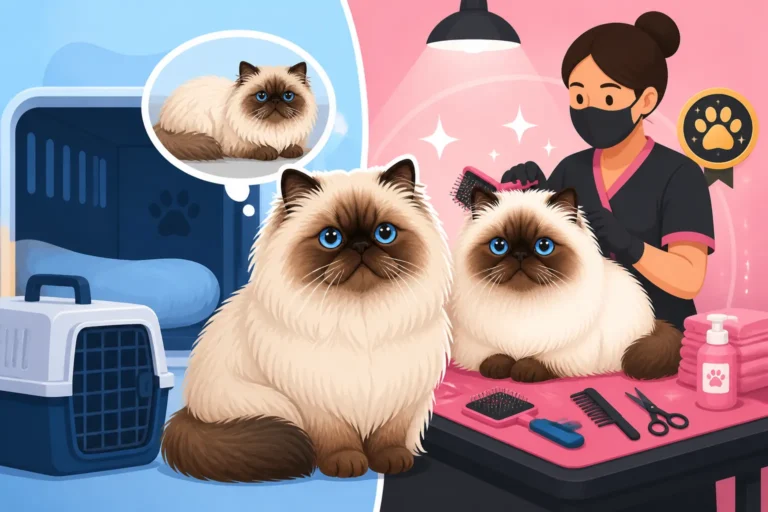
The Himalayan's stunning long coat is a major draw, but it’s also its highest maintenance feature. This isn't a "wash and wear" coat; it requires daily attention. The Daily Comb a Himalayan Cannot Skip is not an exaggeration. Without consistent grooming, Himalayans are highly prone to mats, which can be painful and lead to skin infections. You'll need specific grooming tools: a good quality metal comb (often a greyhound comb), a slicker brush, and possibly a dematting tool.
Beyond the coat, a Himalayan's flat face means daily face wiping is essential. Their tear ducts often don't drain properly, leading to tear staining and dampness in their facial folds, which can become irritated or infected if not kept clean and dry. This daily routine involves special wipes or warm, damp cloths and careful drying. Nail trimming is also a regular necessity, usually every few weeks. Some owners also choose to have their Himalayans professionally groomed, especially for lion cuts during warmer months or if they struggle with daily home grooming. These ongoing grooming supplies and potential professional services represent a significant recurring expense that many first-time owners underestimate.
Healthcare and Wellness Throughout Their Lifespan
Even a healthy Flame Point Himalayan from tested lines will require annual veterinary check-ups, booster vaccinations, and parasite prevention throughout its The Nine to Fifteen Years a Himalayan Usually Gets. However, due to their unique genetic makeup and physical characteristics (specifically their brachycephalic face and Persian ancestry), Himalayans can be predisposed to certain health issues that may require more frequent or specialized veterinary care.
Their flattened faces can lead to respiratory issues, dental problems due to crowded jaws, and eye conditions like entropion (inward-rolling eyelids) or excessive tearing. Why a Himalayan Needs Dentals Earlier Than a Siamese is a common concern. While responsible breeders test for conditions like PKD, it's not a 100% guarantee, and regular kidney health monitoring through blood tests and urine analysis may become part of their routine as they age. What a Himalayan's Yearly Bloods Should Cover After Eight will often include kidney values. These potential health challenges underscore the importance of having a robust plan for veterinary expenses. This is where pet insurance, like a plan from Healthy Paws, can be invaluable, helping to cover unexpected illnesses or injuries, or chronic conditions that may develop later in life. Having a budget line for unexpected vet visits is just as important as budgeting for What Feeding a Himalayan Costs Every Month and regular grooming.
Finding a Reputable Breeder and Making an Informed Decision
Choosing your Flame Point Himalayan is a big decision, and finding the right breeder is paramount. An ethical breeder prioritizes the health and well-being of their cats above all else, and this dedication will ultimately provide you with a healthier, happier companion.
What to Look for in a Himalayan Breeder
When you're searching for your Flame Point, don't just pick the first breeder you find online. Do your homework. A truly reputable breeder will be transparent about their practices and eager to share information. Look for breeders who:
- Prioritize Health Testing: They should openly discuss the genetic health tests performed on their breeding cats, particularly for PKD and PRA. They should be able to provide copies of certificates for both parents. How to Spot a Himalayan Breeder Who Skips the PKD Test involves asking direct questions and verifying paperwork. If they claim their cats are "PKD negative by parentage," ensure they can prove the parents and grandparents were tested.
- Maintain a Clean and Safe Environment: The cattery (where the cats live) should be clean, odor-free, and provide ample space and enrichment for the cats and kittens. Be wary of breeders who won't allow you to visit their premises or see where the kittens are raised.
- Are Knowledgeable and Passionate: A good breeder will be a fount of information about the Himalayan breed, its specific needs, and potential health concerns. They'll ask you lots of questions too, ensuring their kittens go to good homes.
- Provide Socialized Kittens: Kittens should be handled regularly from birth, be curious, friendly, and well-adjusted. They should not be fearful or aggressive.
- Offer Guarantees and Support: A health guarantee in the contract is a good sign. They should also be available for support and advice long after you take your kitten home.
- Don't Rush the Sale: Ethical breeders will allow you ample time to interact with the kittens (when appropriate) and ask questions. They won't pressure you into a quick decision.
Questions to Ask Before Committing
Before you put down a deposit, be prepared with a list of questions for the breeder. This isn't just about vetting them; it's also about learning everything you can about your future kitten.
- Health and Testing: "Can I see the health certificates for both parents, particularly for PKD and PRA?" "What is your health guarantee, and what does it cover?" "What veterinary care has the kitten received so far (first shots, deworming, vet check-ups)?"
- Lineage and Temperament: "Can you tell me about the kitten's parents and their temperaments?" "How long have you been breeding Himalayans?" "What is the typical personality of your cats?"
- Care and Transition: "What food is the kitten currently eating?" "What is your spay/neuter policy?" (Many breeders sell kittens with a spay/neuter contract or perform the procedure before placement.) "What is the kitten's routine, and what steps do you take to socialize them?" "At what age will the kitten be ready to go home?" (Typically 12-16 weeks to ensure proper socialization and weaning.)
- Logistics: "What is the total price for a Flame Point Himalayan kitten?" "What does the price include (registration, microchip, first vet visit, etc.)?" "What is your deposit policy?" "What type of contract do you use?"
A good breeder will welcome these questions and answer them thoroughly. They want you to be as informed and prepared as possible.
Avoiding Scams and Unethical Practices
Unfortunately, the pet market isn't immune to scams and unethical practices. Being vigilant can save you a lot of heartache and money.
- Unrealistically Low Prices: If a Flame Point Himalayan is priced significantly lower than the average, it’s a major red flag. This often indicates a lack of health testing, poor living conditions, or even that the cat isn't truly a purebred Himalayan. Why a Cheap Himalayan Was Never Kidney Tested is a serious concern.
- "Rare" Colors Without Justification: While some colors are rarer, be suspicious of breeders who heavily market a kitten as "rare" to justify an exorbitant price without clear genetic explanation or verifiable lineage. Why a Himalayan Advertised as a Rare Point Is a Warning reminds us to be cautious.
- No Papers or Pedigree: If a breeder cannot provide registration papers or a detailed pedigree for their cats, walk away. You have no way to verify the cat's lineage or ensure it's a purebred Himalayan.
- Communication Issues: Breeders who are evasive, reluctant to answer questions, or push for cash-only payments without a clear contract should be avoided.
- No Visits: If a breeder insists on meeting you in a public place, or won't allow you to visit their home/cattery, it could mean their breeding conditions are substandard.
- Shipping in Cargo: Reputable breeders are increasingly wary of shipping brachycephalic breeds like Himalayans in cargo due to breathing difficulties and heat stress. Be cautious of anyone insisting on this.
By being thorough in your research and patient in your search, you can find a reputable breeder who will provide you with a healthy, well-adjusted Flame Point Himalayan kitten that brings joy to your home for many years to come.
Disclaimer
This article is for general informational purposes only and does not constitute professional advice. Laws, prices and regulations vary by location and change over time. Consult a qualified professional for guidance on your specific situation.