What a Himalayan Costs Against an Exotic Shorthair
When you're dreaming of bringing a beautiful, flat-faced feline into your home, it’s completely natural to weigh your options, especially between a luxurious Himalayan and its equally charming, low-maintenance cousin, the Exotic Shorthair. Many prospective owners grapple with the perceived cost differences, wondering if the stunning coat of a Himalayan comes with a heavier price tag than the Exotic Shorthair's plush but short fur. This guide is here to break down the real financial commitments for both breeds, helping you understand where your money will truly go from the initial purchase to years of loving care.
The Upfront Price Tag: Initial Purchase Costs
The moment you decide to welcome a new feline family member is thrilling, but it's also when the first significant costs hit: the purchase price. For both Himalayans and Exotic Shorthairs, this initial investment can vary wildly depending on a myriad of factors, making it tricky to compare apples to apples without digging a little deeper.
The Himalayan's Pedigree and Point Color
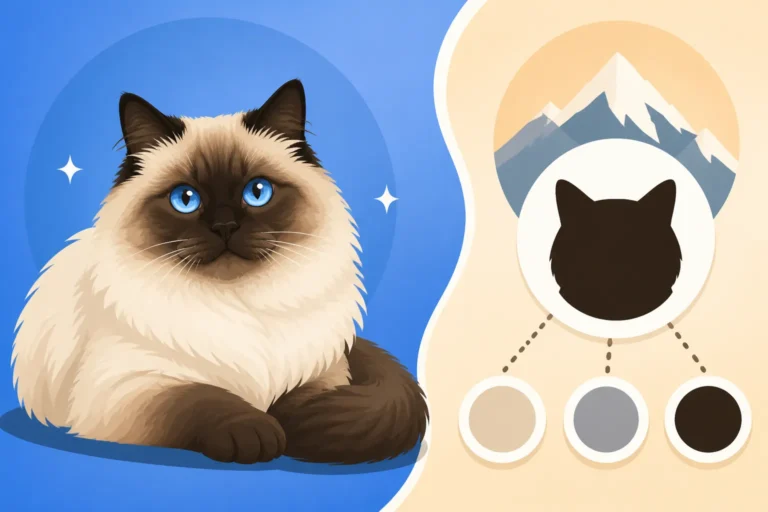
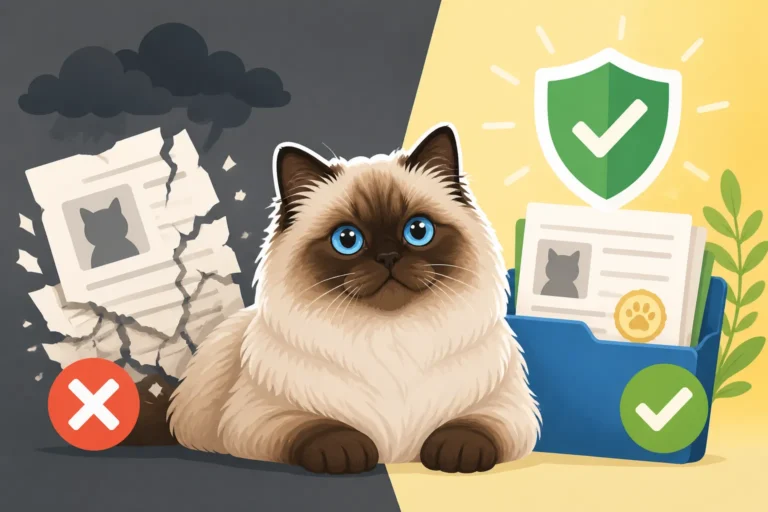
When you look at a Himalayan kitten, you're not just seeing those gorgeous blue eyes and stunning point colors; you're also often looking at generations of careful breeding. Reputable breeders invest heavily in health screening their breeding stock, ensuring that common genetic issues like Polycystic Kidney Disease (PKD) and Progressive Retinal Atrophy (PRA) are screened out of their lines. This rigorous testing, along with champion bloodlines and the overall quality of the cat's conformation to the breed standard, all contribute to a higher initial purchase price. Breeders are also meticulously working to maintain specific point colors and patterns, like a perfectly contrasted seal point or a delicate chocolate point, which can influence desirability and, therefore, cost. A breeder who proudly shows you their cats' health certificates and offers a solid health guarantee is offering you peace of mind that can save you significant vet bills down the line, even if their kittens have a higher price tag upfront. It's a foundational investment in your cat's future health. You might be surprised to learn What a Himalayan From a Tested Persian Line Costs, reflecting this dedication to health and quality.
Exotic Shorthair's Popularity and Coat Variety
The Exotic Shorthair, often affectionately called "the lazy person's Persian," shares the same delightful personality and distinctive flat face as the Himalayan, but with a much shorter, dense coat. This unique combination has made the Exotic Shorthair incredibly popular, sometimes even commanding prices comparable to, or even exceeding, a Himalayan, especially for top show-quality kittens. Like Himalayans, Exotic Shorthairs come from carefully selected breeding programs, with breeders focusing on desirable facial structures, eye color, and a wide array of coat colors and patterns (not just points). The perceived "easier" grooming of an Exotic Shorthair doesn't necessarily translate to a cheaper kitten; rather, it often translates to high demand. Breeders still need to perform the same extensive health screenings for conditions like PKD, and the time and effort involved in raising healthy, well-socialized kittens is identical. So, while you might think a shorter coat means a lower initial price, the truth is that the market demand for a well-bred Exotic Shorthair keeps its purchase price firmly in line with that of its long-haired counterpart.
Daily Care Expenses: Grooming and Maintenance
This is where the rubber truly meets the road in terms of ongoing costs, and it's often the biggest differentiator between owning a Himalayan and an Exotic Shorthair. While both breeds share the same beloved Persian lineage and require attention to their unique facial features, their coats dictate vastly different daily routines and, consequently, different financial outlays.
The Himalayan's Luxurious Long Coat Demands
Ah, the magnificent Persian coat of a Himalayan! It's undeniably stunning, flowing and plush, but it is also a commitment, and that commitment translates directly into time and money. A Himalayan absolutely requires daily combing to prevent mats. Missing even a single day can lead to tangles, especially in delicate areas like the armpits, behind the ears, and in the "britches" around their hind legs. These mats, if not addressed quickly, can become tight, painful, and require professional intervention. You'll need high-quality steel combs, possibly a slicker brush, and specialized detangling sprays. Professional grooming is often a recurring expense for many Himalayan owners, whether it's for routine baths, de-shedding treatments, or even a full "lion cut" in warmer months if the coat becomes too challenging to manage. This isn't just about aesthetics; neglected coats can lead to skin infections and discomfort for your cat. The emotional toll of a struggling cat, combined with the financial hit of sedation and clipping at the vet, quickly makes that daily comb seem like a bargain. You'll quickly understand What Daily Combing Costs a Himalayan Owner in Time, and why it's a non-negotiable part of their care. You'll also learn first-hand Why a Missed Day Costs a Himalayan a Mat. When stocking up on these essentials, retailers like Chewy offer a wide selection of grooming tools and specialty shampoos designed for long-haired breeds, making it convenient to keep your fluffy friend looking and feeling their best.
Exotic Shorthair's Wash-and-Wear Convenience
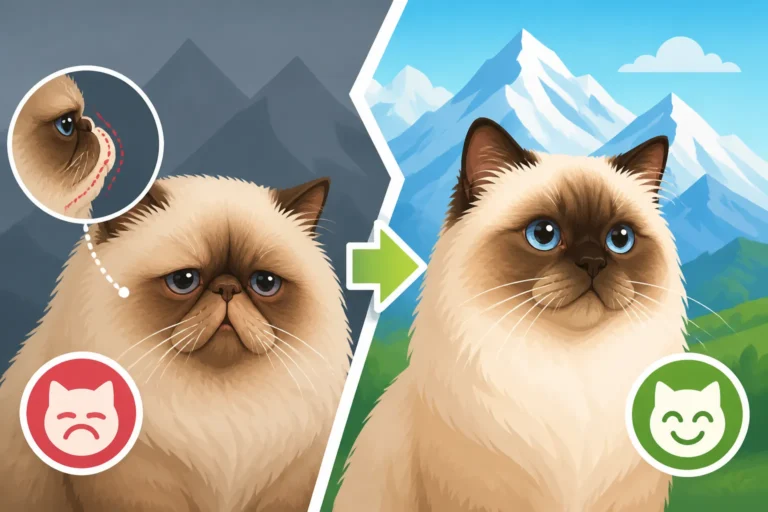
In stark contrast, the Exotic Shorthair is a breath of fresh air for those who love the Persian look but balk at the grooming demands. Their short, dense, plush coat is remarkably easy to care for. While they still benefit from regular brushing to remove loose hair and minimize shedding, this can typically be done a few times a week rather than daily, and it rarely takes more than a few minutes. You won't face the same daunting prospect of severe matting, which means fewer trips to the professional groomer or vet for coat emergencies. This significantly reduces both the time commitment and the recurring financial expense associated with grooming products and services. Many Exotic Shorthair owners find that a simple rubber curry brush or a fine-toothed comb is all they need. This ease of grooming is often one of the primary reasons people choose an Exotic Shorthair, making the overall ownership experience less labor-intensive and, financially, often more predictable in the long run. It's truly a compelling reason Why Some Owners Move From a Himalayan to an Exotic Shorthair.
Health Considerations and Veterinary Bills
While their coats are different, Himalayans and Exotic Shorthairs share a common ancestor: the Persian. This shared heritage means they often face similar health challenges, particularly those associated with their distinctive flat faces. Understanding these potential health issues is crucial for budgeting your ongoing veterinary costs.
Brachycephalic Features and Eye Care for Both Breeds
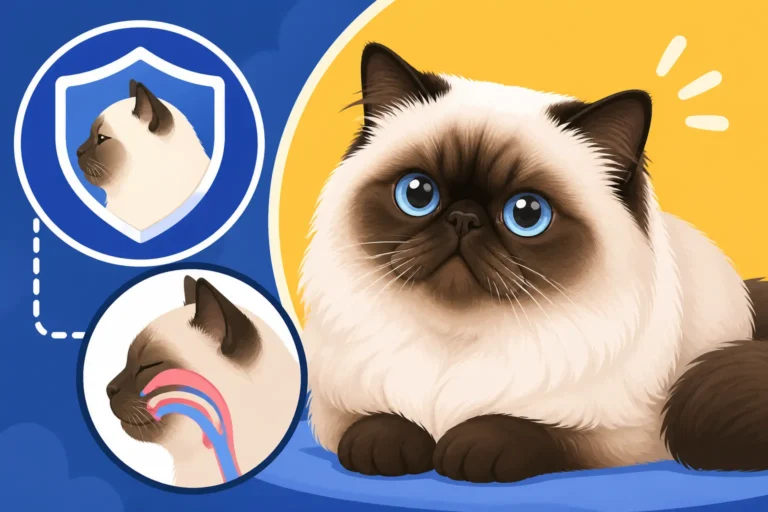
Both Himalayans and Exotic Shorthairs are brachycephalic, meaning they have shortened heads, noses, and airways. This anatomical feature, while adorable, can lead to a host of health considerations that require regular veterinary attention and ongoing care. Breathing difficulties, such as noisy breathing or snoring, are common, and in severe cases, corrective surgery might be recommended, which is a significant expense. Their shortened jaws often result in crowded teeth, making them prone to dental disease. Regular dental cleanings under anesthesia become a necessary part of their life, and these are not cheap procedures. It's often said Why a Himalayan Needs Dentals Earlier Than a Siamese due to these genetic predispositions. Furthermore, their large, round eyes can be more exposed and prone to irritation, tear staining, and even corneal ulcers. Daily wiping of the tear tracks is essential to prevent skin irritation and infection. This might involve specific eye wipes, cleansers, or even medicated drops if an infection develops. These aren't just cosmetic issues; they are health concerns that need consistent management. Investing in pet insurance from a provider like Healthy Paws early on can be a smart financial decision to help mitigate the costs of these potential, and often chronic, issues. This comprehensive care is why Why a Himalayan's Vet Year Is Eyes, Teeth and Kidneys is often more involved and costly than for other breeds.
Breed-Specific Genetic Health Screening
Beyond the brachycephalic traits, both Himalayans and Exotic Shorthairs are susceptible to Polycystic Kidney Disease (PKD), a hereditary condition passed down from their Persian ancestors. PKD causes cysts to form in the kidneys, which can grow over time and eventually lead to kidney failure. Responsible breeders for both breeds rigorously screen their breeding cats for PKD through genetic testing or ultrasound. While the initial cost of purchasing a kitten from tested parents might be higher, it is a crucial investment in preventing a heartbreaking and extremely expensive condition. Living with a cat in kidney failure involves specialized diets, medications, and frequent veterinary visits, including blood tests and possibly subcutaneous fluids, which can quickly add up to thousands of dollars. Understanding What Testing a Himalayan for PKD and the Eyes Costs helps you appreciate the value of a breeder's diligence. The knowledge that PKD1 Came Down the Persian Side of a Himalayan underscores the importance of this specific test for both breeds. Other potential conditions might include Hypertrophic Cardiomyopathy (HCM), a form of heart disease, though it's less prevalent or consistently screened for than PKD in these breeds. Discussing these inherited conditions with a potential breeder and seeing proof of health clearances is paramount, regardless of whether you choose a Himalayan or an Exotic Shorthair, as it directly impacts your long-term financial burden.
Food, Litter, and Other Recurring Expenses
Beyond the vet and grooming salon, there are daily necessities that factor into the cost of owning either a Himalayan or an Exotic Shorthair. While these might seem minor individually, they accumulate over a cat's lifetime and need to be factored into your budget, especially when considering the specific needs of flat-faced breeds.
Specialized Diets and Bowls for Flat-Faced Cats
Both Himalayans and Exotic Shorthairs, due to their unique facial structure, often require special consideration when it comes to their meals. Their flat faces can make it challenging to pick up standard kibble from deep bowls. Many owners find that wider, shallower bowls, or even tilted or elevated bowls, work best. These help prevent whisker fatigue and allow them to eat more comfortably without pushing food out or getting their chins messy. The shape of the kibble itself can also be a factor; some flat-faced cats do better with specific shapes that are easier to scoop up. High-quality wet food is often recommended not just for hydration, but also because it's generally easier for them to consume. Investing in premium cat food that caters to their dietary needs and supports their overall health, particularly for breeds prone to kidney issues like PKD, is a wise long-term choice. Fresh, human-grade cat food can be an excellent option for owners looking to provide optimal nutrition, although these premium foods often come at a higher price point than standard kibble. Finding Which Bowl Shape a Flat Faced Himalayan Can Use can save a lot of mess and frustration at meal times.
Environmental Needs and Comfort
Both the long-coated Himalayan and the dense-coated Exotic Shorthair are sensitive to heat. Their brachycephalic structure makes it harder for them to cool themselves efficiently, and their thick coats act as insulation. This means that in warmer climates or during summer months, air conditioning isn't just a luxury; it's often a necessity for their comfort and health. Higher electricity bills during these periods are a hidden cost of ownership. Beyond climate control, their general living environment needs to be set up for their comfort. Their cobby, compact bodies and shorter legs mean they aren't typically avid climbers or jumpers. Instead, they prefer low-level enrichment, comfortable resting spots, and easily accessible essentials. For litter, a wide, low-sided litter box is preferable, as it allows them to step in and out comfortably without having to jump. Given the Himalayan's long coat, choosing a low-dust, non-clumping litter that minimizes tracking and doesn't cling to their fur is also important to prevent mess and maintain hygiene. Considering How to Cool a Long Coated Himalayan in Summer is essential for their well-being, directly impacting your utility costs. These subtle environmental adjustments contribute to a healthy and happy life for both breeds, and they all come with their own expenses.
Here's a quick comparison of some key cost factors:
| Cost Factor | Himalayan (Long-Hair) | Exotic Shorthair (Short-Hair) |
|---|---|---|
| Initial Purchase Price | High (depends on pedigree, color, breeder reputation, health testing) | High (depends on pedigree, color, breeder reputation, health testing, popularity) |
| Grooming Time | Daily (30-60 minutes) | Weekly (10-15 minutes) |
| Grooming Products | High (multiple combs, brushes, detanglers, specialty shampoos) | Moderate (basic comb/brush, general shampoo) |
| Professional Grooming | Frequent (often required for baths, mat removal, lion cuts) | Infrequent (occasional de-shedding or nail trims) |
| Brachycephalic Health Care | High (dental care, tear stain management, potential breathing issues) | High (dental care, tear stain management, potential breathing issues) |
| PKD/PRA Screening | Essential (reputable breeders cover costs for breeding stock) | Essential (reputable breeders cover costs for breeding stock) |
| Specialized Food/Bowls | Moderate to High (flat-faced friendly kibble/wet food, wide/shallow bowls) | Moderate to High (flat-faced friendly kibble/wet food, wide/shallow bowls) |
| Climate Control (AC) | High (crucial for comfort and health) | High (crucial for comfort and health) |
| Litter Type/Box | Specific (low-dust, non-clumping litter, low-sided box) | Standard (can adapt to more litter types, low-sided box preferred) |
While the upfront cost of a well-bred Himalayan or Exotic Shorthair might be quite similar, the long-term financial commitment often diverges significantly when you factor in daily grooming. The luxurious coat of a Himalayan demands a substantial investment of time and money in regular maintenance, making it the more expensive choice in terms of ongoing care for most owners. However, both breeds share similar health predispositions related to their flat faces, meaning vet bills for dental care, eye issues, and potential breathing problems can be high for either. Ultimately, your choice should align with your lifestyle, your budget for ongoing care, and your willingness to commit to the specific grooming needs of each magnificent feline.
Disclaimer
This article is for general informational purposes only and does not constitute professional advice. Laws, prices and regulations vary by location and change over time. Consult a qualified professional for guidance on your specific situation.