When a Himalayan Kitten Is Chipped and Under Which Name
Bringing home a tiny, fluffy Himalayan kitten is an incredibly exciting time, full of anticipation and joy. However, amidst all the excitement, the reality of ensuring your new family member's safety and well-being often brings up practical questions that can feel a little overwhelming, especially when it comes to official procedures like microchipping. You want to make sure your precious little furball is protected from day one, and understanding the ins and outs of microchip timing and registration is a huge part of that. This guide will walk you through exactly when a Himalayan kitten typically gets microchipped and, crucially, under what name that vital registration is made, ensuring you feel confident and prepared for this important step.
The Essential Timing of Microchipping Your Himalayan Kitten
When you first welcome a Himalayan kitten into your home, you're likely juggling a million things: kitten-proofing, choosing the perfect food bowl, and of course, endless cuddle sessions. But one of the most critical safety measures is often handled before your kitten even arrives at your doorstep: microchipping. This tiny device, no bigger than a grain of rice, is the best chance your Himalayan has of being returned to you if they ever get lost. Understanding when this procedure happens is key to knowing what to expect from your breeder and your vet.
Why Kittens Are Chipped Before Leaving the Cattery
Reputable Himalayan breeders understand that the safety of their kittens is paramount. For many, microchipping isn't just a suggestion; it's a standard practice and often a requirement for kitten sales. By chipping kittens before they leave the cattery, breeders ensure that every single one of their little charges has a permanent, unalterable form of identification. This offers peace of mind for both the breeder and the new owner. It means that should a kitten somehow get lost during the transition to its new home, or even later in life, there's a strong, traceable link back to its origins.
Beyond just safety, microchipping early also reflects a breeder's commitment to ethical practices. It shows they are invested in the lifelong welfare of the cats they bring into the world. It provides a layer of accountability, and for many breed registries and health guarantees, it's an expected part of the kitten package. You might even find that some registries or local ordinances require microchipping by a certain age or before transfer of ownership. This early chipping integrates seamlessly with other important early-life care, like initial vaccinations and health checks, ensuring a comprehensive start for your Himalayan.
The Ideal Age for a Himalayan Kitten's Microchip
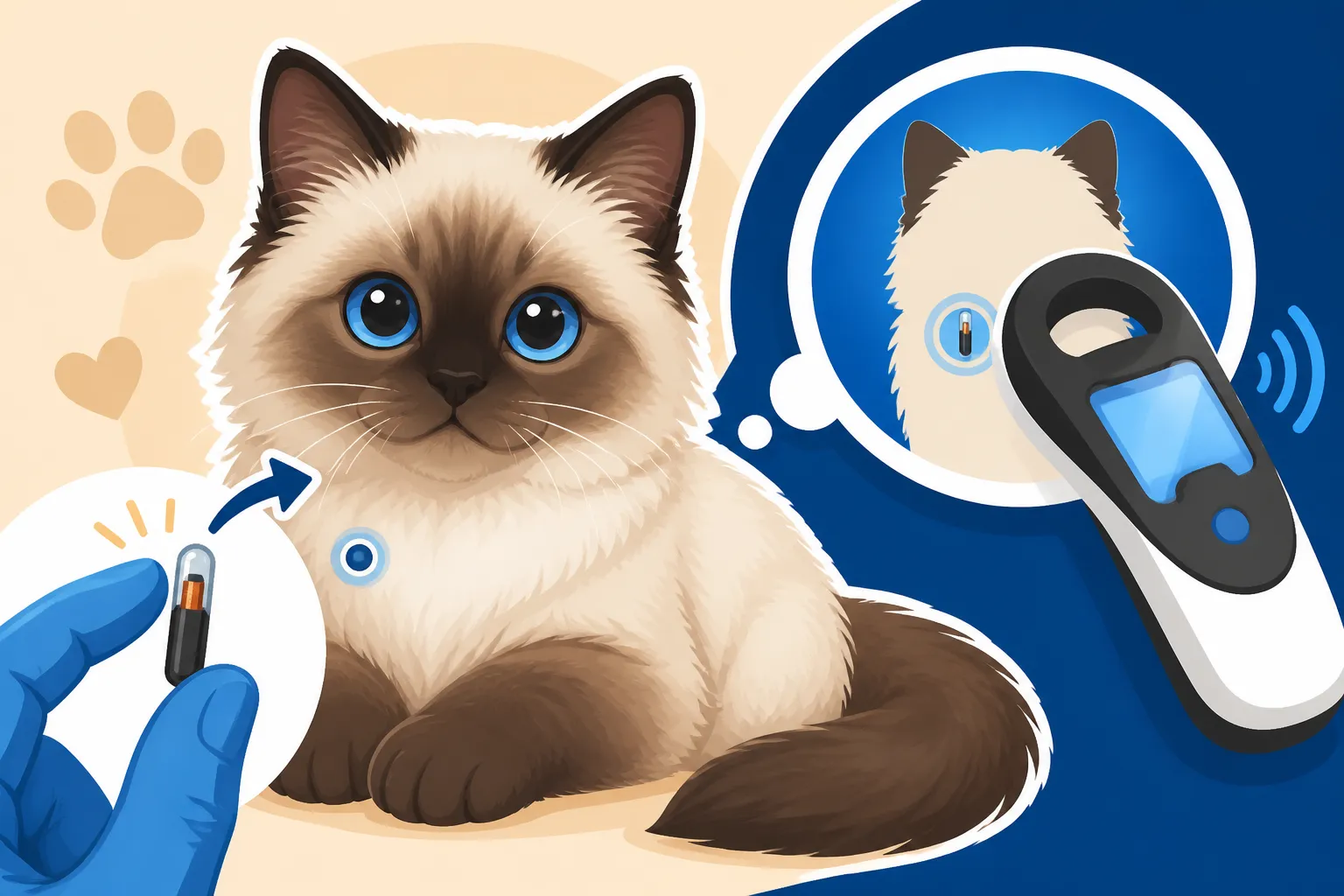
Generally, Himalayan kittens are microchipped between eight and twelve weeks of age, often coinciding with their first or second set of vaccinations. At this stage, they are robust enough to handle the procedure, which is quick and relatively painless, feeling much like a vaccination injection. The microchip is typically inserted under the skin between the shoulder blades using a sterile needle and applicator. While the idea might sound a bit daunting, it's a routine procedure that nearly all kittens undergo.
Think of it this way: by eight to twelve weeks, your little Himalayan is gaining weight, becoming more active, and is just on the cusp of truly exploring their world. This is also often around the time they are preparing to go to their forever homes. Chipping them before they leave ensures they are identified before they even step paw into a new, unfamiliar environment where the risk of getting lost, however small, might increase during the adjustment period. If for some reason your breeder hasn't chipped your kitten by the time you pick them up, your very first vet visit should include a discussion about getting it done immediately. It's a quick stop at the vet, but it provides a lifetime of protection.
Understanding the Microchip Registration Process for Your Himalayan
The microchip itself is just a passive transponder; it doesn't have GPS or power. It simply stores a unique identification number. For that number to be useful, it needs to be linked to your contact information in a national database. This registration process is just as important as the chip insertion itself, and understanding who registers it and under what name can sometimes be confusing for new Himalayan owners.
Initial Registration: The Breeder's Role and Temporary Ownership
In most cases, the breeder will be the one to initiate the microchip registration. They might register the chip number with a national database in their own name, or in the cattery name, as the initial contact. This makes perfect sense; until the kitten is officially transferred to you, they are still under the breeder's care and responsibility. They may list themselves as the primary contact and sometimes even list you, the new owner, as a secondary contact, pending formal transfer.
When you receive your kitten, the breeder should provide you with the microchip number and the details of the registration company they used. They might also give you a form or instructions on how to complete the transfer of ownership. It's crucial that you receive this information. This initial registration by the breeder acts as a safety net, ensuring that even if there's a delay in you registering the chip in your name, there's still a point of contact in the system. Always double-check that the microchip number on any paperwork matches the number confirmed by a vet scanner, typically done at your first kitten check-up.
Transferring Ownership: Ensuring the Microchip Is Under Your Name
This is arguably the most critical step for you as the new Himalayan owner. Once your kitten is home, you must formally transfer the microchip registration into your name and address. This isn't just a suggestion; it's the only way the microchip can truly serve its purpose of reuniting you with your lost cat. The process usually involves going to the microchip registry's website, inputting the microchip number, and paying a small transfer fee. Some registries, like those that partner with major pet supply retailers, make this quite user-friendly.
Make sure all your personal details are accurate and up-to-date, including your current address, phone numbers (both cell and landline), and even an emergency contact if the system allows. Imagine the heartbreak of your beloved Himalayan being found, only for the shelter to call an old phone number or address. It's a simple administrative task that can feel like just another piece of paperwork, but it’s invaluable. Keep the confirmation of your registration and the microchip company's contact details in a safe place, perhaps alongside your kitten's Which Two Certificates a Himalayan Breeder Owes You and vaccination records. Companies like Chewy often offer resources or have connections to information about various pet services, including microchip registries, which can be helpful if you're navigating this for the first time.
Here's a quick look at the typical microchip registration journey:
| Step | Responsible Party | Key Action | Importance |
|---|---|---|---|
| Chip Insertion | Breeder or Vet | Physically implants microchip | Provides permanent ID number |
| Initial Registration | Breeder | Registers chip number with database | Creates first point of contact/safety net |
| Information Transfer | Breeder to New Owner | Provides microchip number & registry details | Enables new owner to update info |
| Final Registration Update | New Owner | Updates details to own name, address, phone | Critical for reuniting lost pet with true owner |
| Ongoing Updates | New Owner | Keeps contact info current in database | Ensures accuracy if you move or change phone numbers |
Why Proper Microchip Details Are Crucial for Your Himalayan's Safety
A microchip is a brilliant piece of technology, but it's only as good as the information it's linked to. For a Himalayan, whose calm demeanor might make them seem less prone to dashing out the door, proper microchip registration is still an absolute necessity. Even the most laid-back cat can get startled, slip out, or simply be curious enough to explore beyond their familiar territory.
The Lifesaving Power of an Up-to-Date Microchip
Imagine the scenario: your beautiful Himalayan, perhaps enjoying a quiet afternoon nap, somehow slips out when a delivery person leaves the door ajar. Panic sets in. Posters go up, neighbors are alerted, and you're heartbroken. Now, imagine someone finds your distinctive cat, takes them to a local shelter or vet, and they're scanned. That scan reveals the microchip number. With an up-to-date registration, the shelter instantly has your current phone number and address, leading to a joyful reunion. Without it, that microchip is a dead end, and your cat becomes just another stray.
This is why we call it lifesaving. It bypasses collars (which can fall off or be removed), tattoos (which can fade or be difficult to read), and visual identification (which relies on someone recognizing your specific cat from a flyer). A microchip is a permanent, internal ID that speaks directly to a database of your contact information. For a cat like a Himalayan, who might Why a Himalayan Hides Illness Behind an Expressionless Face or retreat when scared, a silent, unremovable ID is particularly valuable.
Common Mistakes to Avoid with Himalayan Microchip Information
It's easy to assume that once the chip is in and registered, you're all set. But life happens! People move, phone numbers change, and sometimes, those vital updates slip through the cracks. The most common mistake owners make is failing to update their contact information after a move or a change in phone number. If your registered phone number is disconnected or you've moved across town (or even across the country!), the microchip will be useless for reuniting you.
Another mistake is assuming the breeder's initial registration is sufficient forever. While it's a good start, it often isn't meant to be the permanent solution. Always confirm that you are listed as the primary contact with your current details. Additionally, some owners might forget which microchip registry their cat is associated with. Keep that information on hand. A quick annual check of your cat's microchip details, perhaps when you're scheduling their yearly vet check-up, can save you immense stress down the line. Many pet insurance providers, such as Healthy Paws, also emphasize the importance of microchipping as a fundamental layer of pet safety, often discussing it during policy setup.
Integrating Microchipping with Your Himalayan's Overall Health Plan
Microchipping isn't just about finding a lost cat; it's an integral part of your Himalayan's overall health and wellness strategy. It ties into their veterinary care, record-keeping, and even how you think about long-term protection.
The Microchip and Your Himalayan's Vet Records
Every time your Himalayan visits the vet, the microchip number becomes part of their permanent medical record. This provides an additional layer of identification, ensuring that your specific cat is linked to their medical history, vaccination schedule, and any ongoing treatments. This is especially helpful if your cat ever needs emergency care when you're not present or if there's any confusion about their identity, for instance, if you own multiple Himalayans. Your vet can quickly scan the chip, confirm the number, and cross-reference it with their files.
This seamless integration helps avoid mix-ups in treatment or vaccination schedules. It's one more piece of the puzzle that ensures your vet has all the information they need to provide the best possible care for your unique furry friend, from their When a Himalayan Kitten's Face Finishes Developing to managing their beautiful Caring for a Himalayan Whose Points Have Gone Dark as they age.
Considering Pet Insurance and Microchip Registration
When you're bringing a new Himalayan into your life, you're investing in their future, and that often means considering pet insurance. Many pet insurance companies, including those like Healthy Paws, see microchipping as a foundational aspect of responsible pet ownership. While a microchip doesn't directly prevent illness, it underscores a commitment to your pet's safety and well-being. Some policies might even offer small incentives or simply consider it a standard expectation for coverage.
Beyond insurance, think about the future. If you ever need to travel with your Himalayan, especially internationally, a microchip is often a mandatory requirement for identification. It also provides irrefutable proof of ownership in case of a dispute. When you're feeding your Himalayan high-quality foods and providing excellent care, ensuring their microchip is properly registered is just another aspect of giving them the very best start and a secure future. It's a small step that offers immense peace of mind throughout their entire The Nine to Fifteen Years a Himalayan Usually Gets.
Disclaimer
This article is for general informational purposes only and does not constitute professional advice. Laws, prices and regulations vary by location and change over time. Consult a qualified professional for guidance on your specific situation.