Why Water Matters More in a Himalayan Carrying Cysts
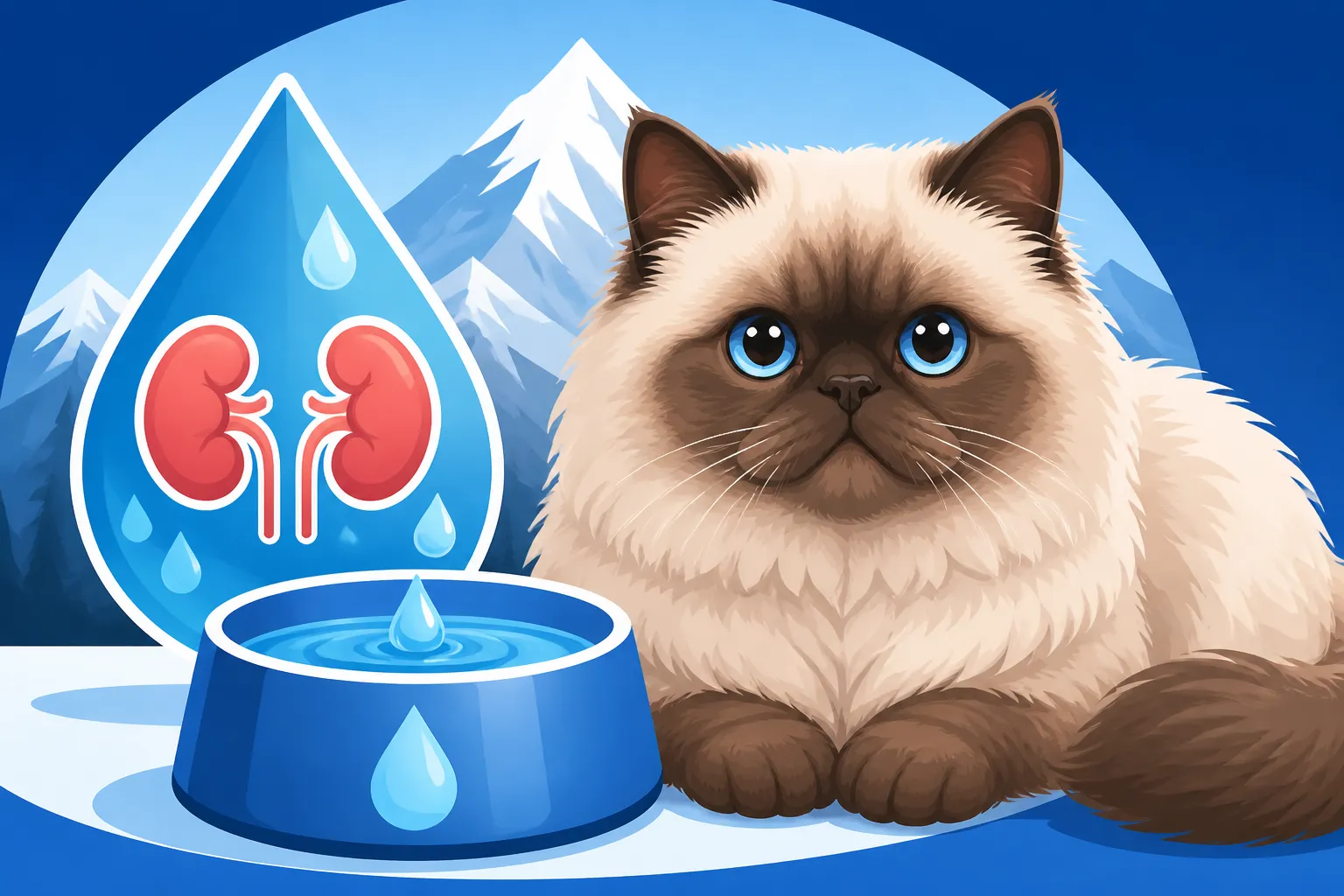
One of the most heartbreaking realities of loving a Himalayan cat is the ever-present concern about their health, particularly when it comes to conditions like Polycystic Kidney Disease (PKD). If you've received the news that your beautiful, fluffy companion carries kidney cysts, it can feel overwhelming, but understanding their needs, especially the critical role of water, is your most powerful tool in managing their well-being. This guide will walk you through why proper hydration isn't just important, but absolutely vital for a Himalayan cat with kidney cysts, and how you can ensure they get every drop they need.
Understanding Polycystic Kidney Disease (PKD) in Himalayans
The journey of caring for a Himalayan often involves confronting the genetic predispositions they carry, and Polycystic Kidney Disease (PKD) is unfortunately one of the most prominent. It’s a condition that silently progresses, causing immense stress for owners who simply want their beloved felines to live long, comfortable lives.
The Genetic Link and Progression of Cysts
PKD is not just any kidney issue; it's an inherited condition that Himalayans unfortunately picked up from their Persian ancestors. Specifically, it's known as PKD1, and it's caused by a dominant gene. This means a cat only needs to inherit one copy of the faulty gene from either parent to develop the disease. Imagine the anxiety when you realize your precious kitten, seemingly perfect, could be carrying a ticking time bomb within their tiny kidneys.
The disease manifests as numerous fluid-filled sacs, or cysts, developing within the kidneys. These aren't just harmless bubbles; they grow in size and number over time, gradually replacing the healthy, functional kidney tissue. It's a slow, insidious process that often shows no outward signs until a significant amount of kidney function has already been lost. You might not even notice anything amiss until your Himalayan is several years old, by which point the damage is already substantial. This slow progression is what makes early screening so crucial, allowing you to be prepared. For more on the specifics, check out PKD1 Came Down the Persian Side of a Himalayan and How Early Cysts Show on a Himalayan's Kidney Scan.
Why Himalayan Kidneys Are Particularly Vulnerable
Himalayans, being essentially colorpoint Persians, share the same genetic vulnerabilities as their Persian counterparts. Before widespread genetic testing became available, PKD was rampant in Persian and Himalayan lines, making it a constant worry for breeders and owners alike. The breed's popularity, combined with the often-hidden nature of the disease in its early stages, meant that it could easily spread through breeding lines without anyone knowing until it was too late for many cats.
Even with diligent breeding practices aiming to eliminate the PKD gene, the inherent structure and metabolism of a Himalayan mean their kidneys are already working hard. Their cobby, compact bodies and generally less active lifestyles compared to some other breeds can put a different kind of strain on their systems. When cysts begin to compromise this vital organ, the cat's ability to process waste and maintain fluid balance is severely impacted. This makes proactive care, especially regarding hydration, not just beneficial but absolutely essential for managing their condition and striving for a good quality of life. The history of this disease within the breed is a stark reminder of its impact, as detailed in What PKD Did to Himalayan Lines Before the Gene Test.
The Vital Role of Hydration for Cats with Kidney Issues
When a cat has Polycystic Kidney Disease, its kidneys are already compromised. They're working overtime, often less efficiently, to filter waste and maintain the body's delicate balance. This is where hydration steps in, not as a cure, but as a critical support system that can significantly impact the cat's comfort and longevity.
Flushing Toxins and Supporting Remaining Kidney Function
Healthy kidneys are incredible filters, tirelessly removing waste products and excess water from the blood, then concentrating these into urine for excretion. Think of it like a meticulous purification plant. When a Himalayan has PKD, those cysts start to crowd out and destroy the nephrons, the tiny filtering units within the kidney. This means the remaining healthy nephrons have to work much harder to keep up.
Adequate water intake helps these remaining, valiant nephrons do their job more effectively. It literally helps to "flush" the system, diluting the waste products in the blood, which makes it easier for the impaired kidneys to process and excrete them. Without enough water, these waste products become more concentrated, placing an even greater strain on the already struggling kidneys. This accelerated workload can lead to a faster decline in kidney function, making your cat feel sicker sooner. By ensuring a steady flow of water, you're essentially providing lubrication and ease to an engine that's already running on fewer cylinders, helping it to perform its diminished tasks with less effort.
Preventing Dehydration and Its Consequences
Cats with compromised kidneys, like those suffering from PKD, are far more susceptible to dehydration than healthy cats. Normally, healthy kidneys are excellent at conserving water when needed, producing concentrated urine. However, diseased kidneys lose this ability; they often produce dilute urine even when the body needs to hold onto water, meaning the cat loses more fluids than it should.
This puts them on a dangerous treadmill: they need more water, but their bodies are less efficient at holding onto it. Dehydration then compounds the problem. When a cat is dehydrated, blood flow to the kidneys decreases, further impairing their function and causing an even greater build-up of toxins. This can lead to a vicious cycle, where the cat feels unwell, eats less, drinks less, and becomes even more dehydrated, accelerating kidney decline. Symptoms of dehydration can range from lethargy and constipation to more severe metabolic disturbances. It can also make them feel incredibly nauseous, which then discourages them from eating and drinking even more. You might notice your Himalayan is extra thirsty, a classic sign their kidneys are struggling to process waste and they're trying to compensate – a worrying sign that points at their Persian heritage's genetic issues, as explored in Why Extra Thirst in a Himalayan Points at Its Persian Half. Preventing dehydration is not just about comfort; it’s a critical component in slowing the progression of their kidney disease and maintaining their overall health.
Strategies to Increase Water Intake in Your Himalayan
Getting a cat, especially a creature of habit like a Himalayan, to drink more water can sometimes feel like trying to heard a flock of fluffy, independent sheep. But with kidney issues, it's not just a recommendation; it's a mission. The good news is, there are many effective strategies you can employ to turn your Himalayan into a water-drinking champion.
Encouraging Drinking from Bowls and Fountains
Cats are notoriously picky about their water. It's not enough to just have a bowl down; it needs to be the right bowl, in the right place, with the right water.
- Multiple Stations: Place several water bowls throughout your home, in different rooms, and away from their food and litter boxes. Cats often don't like to drink near where they eat or eliminate. Experiment with locations your Himalayan naturally frequents, like by a favorite napping spot or a sunny window.
- Bowl Material and Size: Some cats prefer ceramic or glass bowls over plastic or metal. Plastic can retain odors and potentially leach chemicals, while some metallic bowls might impart a subtle taste. Opt for wide, shallow bowls that don't bend their sensitive whiskers. A wider surface area also means less whisker fatigue, which can be a real turn-off for a cat trying to drink.
- Freshness is Key: Change the water at least twice a day, if not more often. Cats have a keen sense of smell, and stale water can be a deterrent. Run it through a filter if your tap water has a strong odor or taste.
- The Allure of Moving Water: Many cats are fascinated by running water, harking back to an instinctual preference for fresh, moving sources over stagnant puddles. A pet drinking fountain can be an absolute game-changer. You can find a fantastic array of water fountains on sites like Chewy or Amazon, often with different flow settings and materials (stainless steel, ceramic) to entice even the pickiest drinker. Observe whether your Himalayan prefers a bubbling stream or a gentle cascade. Remember to clean the fountain regularly and change the filters as recommended to keep the water fresh and appealing. Interestingly, a flat-faced Himalayan might struggle with some fountain designs, so observing their interaction is key. You might wonder Whether a Himalayan's Flat Face Reaches a Fountain – this is definitely something to consider when selecting a model.
The Power of Wet Food and Added Moisture
Dry kibble, while convenient, is notoriously low in moisture, often only containing about 10% water. For a Himalayan with PKD, this simply isn't enough. Shifting to a primarily wet food diet is one of the most impactful changes you can make.
- Embrace Wet Food: High-quality canned or pouched wet food typically contains 70-80% moisture, providing a significant portion of their daily water needs directly through their diet. This is often much easier for a Himalayan to consume, especially if their crowded mouth is causing discomfort, as detailed in Why Wet Food Is Easier for a Himalayan to Take.
- Add Extra Water or Broth: Don't be shy about mixing in extra water or unseasoned, low-sodium chicken or beef broth (ensure it's onion and garlic-free) to their wet food. Start with a tablespoon or two and gradually increase the amount. You can turn their meal into a soupy consistency, which many cats find surprisingly appealing. Some owners even use bone broth specifically formulated for pets, which can add extra nutrients and palatability.
- Consider Fresh Food Diets: Gently cooked, fresh cat food naturally has a high moisture content and can be very palatable. This can be an excellent option for increasing hydration while providing a nutritious meal. Alternatively, a wide variety of high-moisture commercial wet foods are available on Amazon, ranging from pâté to shredded textures, giving you plenty of options to find what your cat loves.
- Smaller, Frequent Meals: Offer smaller meals more frequently throughout the day. This keeps them engaged with food and hydration sources more often, preventing long periods without moisture intake.
Creative Approaches to Hydration
Sometimes, you need to get a little inventive to outsmart a finicky feline.
- "Water" Treats: Freeze low-sodium chicken or fish broth into ice cubes (again, check for onion/garlic). Many cats enjoy batting these around and licking the melting liquid. You can also mix a bit of wet food with water and freeze it into small, lickable portions.
- Flavored Water: For particularly stubborn drinkers, try offering a separate bowl of water that has a tiny splash of tuna juice (in water, not oil!), clam juice, or the aforementioned cat-safe broth mixed in. The strong aroma can be very enticing. Just make sure this isn't their only water source, as it can sometimes deter them from plain water.
- Interactive Play: Some cats enjoy playing with water, especially if it's in a shallow tray or a wide ceramic dish. A few drops of water on the floor can sometimes prompt a few curious laps. You might even incorporate a small, quiet toy that floats in a water dish, piquing their interest.
- Specialty Hydration Supplements: There are veterinary-approved hydration supplements or liquid diets available that can be added to food or given directly. Always consult your vet before introducing new supplements to ensure they are appropriate for a cat with PKD.
By combining these strategies, you create a multi-pronged attack on dehydration, ensuring your precious Himalayan gets the vital moisture they need to support their struggling kidneys and live their best, fluffiest life.
Monitoring Hydration and Recognizing Dehydration
Even with the best strategies in place, it’s crucial for every Himalayan owner, especially those with cats managing kidney cysts, to become an expert in spotting the subtle signs of hydration – both good and bad. Early detection of dehydration can make all the difference in managing their long-term health.
Signs of Good Hydration and Normal Urination
A well-hydrated cat is generally a happy and healthy cat. Here’s what you should be looking for:
- Skin Elasticity: Gently lift a small fold of skin between your cat's shoulder blades. On a well-hydrated cat, it should spring back immediately. If it takes a moment to return to normal, or "tents," your cat may be dehydrated.
- Moist Gums: Their gums should be pink and moist to the touch. If they feel sticky or dry, it's a sign of dehydration.
- Bright, Clear Eyes: A well-hydrated cat's eyes will appear bright and alert. Sunken or dull eyes can indicate dehydration.
- Energy Levels: While Himalayans are not known for being overly energetic, a consistently well-hydrated cat will maintain its normal activity levels, whether that's napping in a sunbeam or a brief play session.
- Litter Box Habits: Pay close attention to the litter box. A well-hydrated cat will produce urine regularly, and the clumps will be a decent size – not tiny, hard pellets. While you might expect dilute urine due to kidney issues, the volume should remain consistent. Frequent, large clumps usually mean good water intake.
Keeping an eye on these daily indicators can give you peace of mind and help you catch any changes quickly.
Recognizing the Red Flags of Dehydration and Worsening Kidney Function
Knowing when to worry is just as important as knowing what's normal. As PKD progresses or if dehydration sets in, your Himalayan might display several concerning signs. Do not hesitate to contact your veterinarian if you notice any of these:
- Increased Thirst and Urination (Polyuria/Polydipsia): This is a classic, albeit counterintuitive, sign of kidney disease. Your cat might seem to be drinking and peeing more than ever. This isn't because they're over-hydrated; it's because their damaged kidneys can no longer concentrate urine efficiently, so they lose excessive water and then try to compensate by drinking more. It’s a vicious cycle and a major red flag that kidney function is declining.
- Lethargy and Weakness: A dehydrated cat, especially one with kidney issues, will often be unusually tired, weak, and less interested in their usual activities. They might sleep more or move slowly.
- Loss of Appetite and Nausea: Accumulation of toxins in the blood due to poor kidney function can cause nausea, leading to a decreased appetite or even vomiting. If your Himalayan turns up their nose at their favorite meal, take note.
- Sunken Eyes and Skin Tenting: More pronounced versions of the signs for good hydration. Severely sunken eyes and skin that stays "tented" for several seconds after being pinched are clear indicators of significant dehydration.
- Constipation: Lack of sufficient fluid can lead to dry, hard stools and difficulty defecating, often resulting in constipation.
- Weight Loss: Unexplained weight loss, especially combined with other symptoms, can point to chronic kidney disease progression. Remember, a cobby Himalayan should maintain a healthy weight, and sudden changes are concerning. Why a Cobby Himalayan Is Weighed at Every Visit emphasizes the importance of tracking weight.
- Changes in Breath Odor: A cat with advanced kidney disease might have breath that smells like ammonia or urine, due to the buildup of toxins.
If you suspect your Himalayan is dehydrated or that their kidney disease is progressing, prompt veterinary attention is vital. Your vet can perform blood tests to check kidney values (like BUN, creatinine, and phosphorus), as well as a urinalysis, to get a clear picture of their internal health. These blood values are crucial for tracking their condition over time. You should know Which Blood Values a Himalayan's Kidney History Demands and How a Himalayan's Kidney Numbers Are Tracked From Five so you're informed during vet visits. They might recommend subcutaneous fluids to quickly rehydrate your cat and develop a tailored management plan. Being proactive and observant is the greatest gift you can give your Himalayan when facing the challenges of PKD.
| Hydration Strategy | Pros | Cons | Best For |
|---|---|---|---|
| Multiple Water Bowls | Easy to implement, increases accessibility. | Requires frequent cleaning, static water may not entice. | All cats, especially those who prefer quiet, still water. |
| Pet Drinking Fountain | Appeals to natural instinct for moving water, often filtered. | Requires electricity, regular cleaning & filter changes, some cats dislike noise/flow. | Cats attracted to running water, owners committed to maintenance. |
| Wet Food Diet | Significant moisture intake, palatable for most cats. | Can be more expensive than dry kibble, some cats prefer crunch. | All cats with PKD, especially those resistant to drinking water. |
| Adding Water/Broth to Food | Boosts moisture in diet, enhances palatability. | Some cats dislike soupy texture, requires careful ingredient selection. | Picky eaters, cats transitioning to higher moisture diets. |
| Flavored Water/Ice Cubes | Novelty can entice reluctant drinkers. | Not a primary source, needs to be cat-safe (no onion/garlic). | Cats needing an extra push, or for enrichment. |
Disclaimer
This article is for general informational purposes only and does not constitute professional advice. Laws, prices and regulations vary by location and change over time. Consult a qualified professional for guidance on your specific situation.