Why Every Himalayan Kitten Is Born Almost White
It’s a common moment of confusion and absolute delight for new Himalayan kitten owners: you bring home this tiny, fluffy bundle, and it's almost entirely white, perhaps with just the faintest whisper of color on its ears or tail. Many people wonder if they've somehow been given the wrong kitten or if their beautiful cream or seal point will ever develop its signature coloration. This guide will unravel the fascinating science behind why every Himalayan kitten starts its life as a pale canvas, exploring the genetics, environmental factors, and developmental timeline that transform these snowy newborns into the majestically pointed adults we adore.
The Genetic Blueprint Behind Himalayan Points
The striking color pattern of a Himalayan cat isn't just a pretty coincidence; it's a direct result of a very specific genetic mutation. This isn't unique to Himalayans, of course, but it's certainly their most defining feature, inherited from their Siamese ancestors. Understanding this genetic foundation is key to appreciating why these kittens enter the world looking so different from their parents.
The Temperature-Sensitive Albino Gene
At the heart of the Himalayan's distinctive point coloration lies a fascinating gene, often referred to as the "Himalayan gene" or, more technically, the cs allele. This gene is a form of temperature-sensitive albinism. What does that mean exactly? It means the gene responsible for producing pigment (color) in the cat's fur only functions effectively within a certain temperature range. When the body temperature is warm, the gene is essentially "switched off" or severely inhibited, preventing the production of melanin, the pigment that gives hair its color. When the temperature is cooler, however, the gene activates, allowing pigment to be produced. This is a crucial concept to grasp when considering Which Gene Makes a Himalayan Pointed.
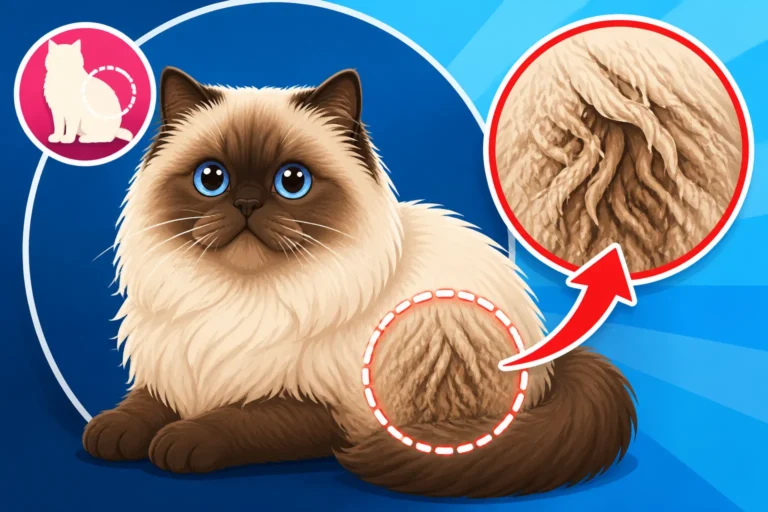
Imagine a tiny, internal thermostat within each hair follicle. For a Himalayan, this thermostat is set to produce color only when it's a bit chilly. This is why the warmest parts of their body—the torso, belly, and upper legs—remain light, often cream or white, while the cooler extremities—the ears, paws, tail, and face (which loses heat as air passes over it)—develop those beautiful, darker "points." It's a natural marvel of adaptation, even if it wasn't a deliberate evolutionary choice in the same way a snow leopard's coat adapts to its environment.
How Pigment Production Is Controlled by Heat
The mechanism is quite elegant in its simplicity, yet profound in its effect. The enzyme responsible for melanin production, called tyrosinase, is what's affected by this temperature sensitivity. In a Himalayan, the tyrosinase enzyme works efficiently only in cooler temperatures. In warmer body areas, its activity slows down dramatically or ceases altogether.
Think about it like a delicate chemical reaction. If you need a certain temperature for a reaction to occur, and that temperature isn't met, the reaction just won't happen. For our Himalayan friends, melanin production is that reaction, and the warmer core body temperature acts as the inhibitor. This is precisely Why the Cold Parts of a Himalayan Grow Dark Fur. It's not that the warmer areas can't produce pigment at all, but that they produce so little that the fur appears white or a very pale cream. This inherent genetic programming means that every Himalayan, regardless of its eventual point color, starts with this fundamental pigment-producing limitation based on body temperature.
From Snow White to Subtle Shades: The Kitten's First Weeks
The moment a Himalayan kitten is born is a testament to this temperature-sensitive genetic trait. They emerge from the warmth of their mother's womb looking entirely different from what you might expect, considering the rich colors their parents may display. This initial paleness isn't just cute; it's a vital clue to their genetic makeup.
Why Newborns Lack Visible Color
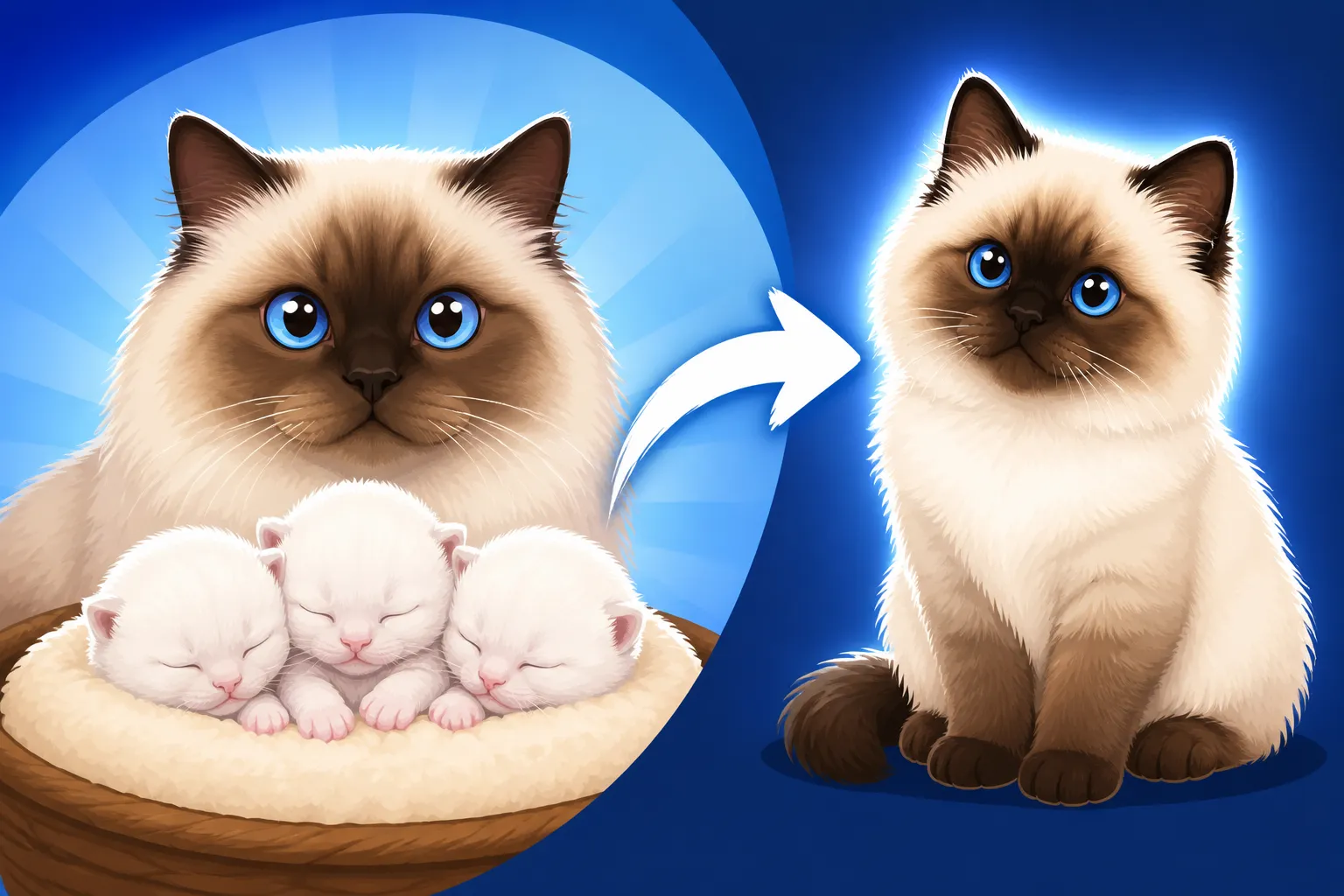
When a Himalayan kitten is born, it has spent approximately 63-65 days developing inside its mother's uterus. The womb is an incredibly warm, consistent environment, essentially an incubator set at a cozy internal body temperature. Because the temperature-sensitive gene is inactive at these sustained warm temperatures, the tyrosinase enzyme hasn't been able to produce any significant amount of melanin. Consequently, Himalayan kittens are born almost completely white or a very, very pale cream. You might see the barest hint of pigment on their ears or nose, but it's usually so faint that it's barely discernible to the naked eye.
This initial lack of color can sometimes catch first-time breeders or owners off guard, especially if they're used to breeds where kittens are born with their adult colors already visible. It's a perfectly normal and expected part of Himalayan development, a direct consequence of their prenatal environment. The pigment-producing machinery simply hasn't had the cool conditions it needs to get to work.
The Gradual Emergence of Points
Once the kittens are born and exposed to the cooler ambient air of the outside world, their extremities—those parts of the body that lose heat more readily—begin to cool down. As these areas drop below the critical temperature threshold, the tyrosinase enzyme starts to become active. This is when the magic begins to happen! Typically, around a week or two of age, you'll start to notice a faint blush of color on their tiny ears. This is usually the first place the points appear, followed by the tip of the nose, and then eventually the paws and tail. When a Himalayan Kitten's Points First Appear is always a moment of excitement for breeders, as it confirms the kitten's colorpoint status and hints at their future vibrancy.
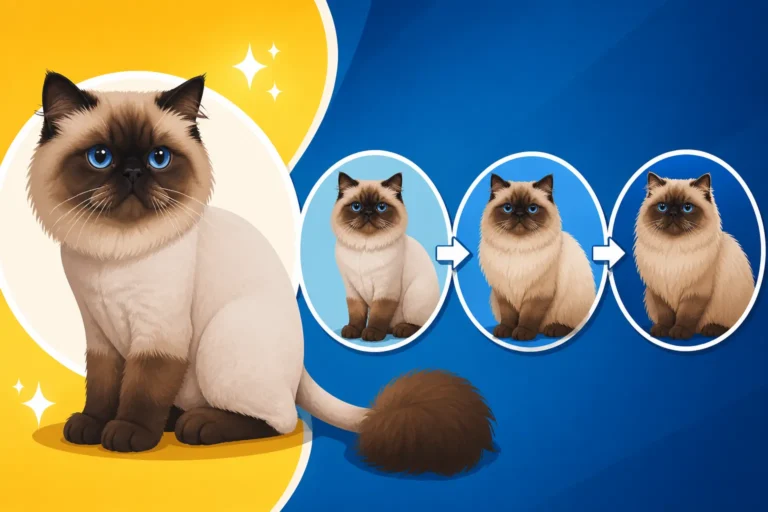
The color isn't intense at first; it's more like a subtle dusting or a watercolor wash. Over the next several weeks, as the kitten continues to grow and spend more time outside the immediate warmth of its mother, the pigment will gradually darken and intensify. This slow, steady process means you'll see your kitten transform from a little white puffball into a recognizable Himalayan, day by day, week by week.
The Role of the Mother's Warmth in Early Development
Beyond the general ambient temperature, the mother cat's presence plays a significant, albeit temporary, role in delaying point development. Newborn kittens, like all mammalian infants, cannot regulate their own body temperature effectively. They rely heavily on the warmth of their mother and their littermates, huddling together for warmth. This continuous close contact keeps their little bodies, including their extremities, warmer than they would be if they were isolated.
While this warmth is absolutely vital for their survival and healthy development, it also means that the cooler temperatures required for significant pigment production are delayed. As the kittens grow stronger and become more mobile, they begin to spend more time away from the warmth of the direct huddle, exploring their surroundings. This increased independence, coupled with a more developed thermoregulatory system, allows their "points" to experience cooler temperatures more consistently, leading to the gradual darkening of their fur. So, while you might be eager to see those beautiful points emerge, remember that the mother's warmth is doing exactly what it should for healthy kitten growth.
Environmental Factors That Influence Point Development
While genetics lay the groundwork, the environment plays a starring role in how those points actually develop and even how dark they become. It's a delicate dance between nature and nurture that shapes the final appearance of your Himalayan.
Ambient Temperature and Its Impact
The single most significant environmental factor influencing a Himalayan's point coloration is the ambient temperature of their surroundings. Simply put: the colder the environment, the darker the points will tend to be, and potentially, the more the "body" color will darken as well. Conversely, a consistently warm environment can result in lighter, less defined points. This is why a Himalayan living in a cool climate might have richer, deeper seal points compared to one living in a perpetually warm home, even if they are genetically identical.
This effect isn't just about how dark the points get; it can also impact the contrast between the points and the body. If a cat is consistently kept in a very cool environment, its body temperature might drop slightly overall, allowing more pigment to be produced across its torso, reducing the crisp contrast that is often desired in the breed standard. Breeders will often tell you that How Temperature Decides a Himalayan's Point Color is a daily consideration, especially for show cats where point contrast is a significant factor in judging.
Nutrition's Role in Coat Quality and Color Depth
While ambient temperature directly affects the activation of the color gene, nutrition plays an indirect but important role in overall coat quality and the vibrancy of the developed points. A cat that is well-nourished with a diet rich in essential fatty acids, vitamins, and high-quality protein will typically have a healthier, shinier coat, which can make the colors appear more vivid and rich. Conversely, a cat on a poor diet might have a duller, coarser coat, which could make its points appear less distinct, even if the underlying pigment production is genetically sound.
Consider a kitten in its crucial growth phases. Providing a premium kitten food, whether from a reputable brand or a high-quality fresh food, ensures they receive all the necessary building blocks for healthy hair growth. While no food will change the genetic color, optimal nutrition supports the best expression of that genetic potential. It's about giving their bodies every advantage to produce the most robust and beautiful coat possible.
Hormones and Genetic Predisposition
Beyond external temperatures and diet, internal factors like hormones and the cat's specific genetic predisposition also influence point development. Hormonal fluctuations, such as those during puberty or even later in life due to spaying/neutering, can sometimes affect coat density and, to a lesser extent, color depth. For instance, some owners report that their Himalayan's coat, including its points, can become denser and perhaps even a shade darker after being spayed or neutered, likely due to hormonal shifts.
Furthermore, within the spectrum of Himalayan genetics, there's variation in how intensely the color gene expresses itself. Some lines inherently carry genes that lead to darker, more intensely pigmented points, while others naturally produce lighter, more delicate point colors. This means that even with identical environmental conditions, two different Himalayan kittens might develop slightly different shades of "seal point" or "blue point" simply due to their specific genetic heritage. A reputable breeder will be able to tell you about the typical point development in their lines, giving you an idea of what to expect for your kitten's future colors. How a Himalayan Kitten's Points Darken Month by Month is a fascinating process that breeders observe closely.
Understanding the Maturation Process of a Himalayan's Coat
The journey from a nearly white kitten to a fully colored adult Himalayan is a marathon, not a sprint. Their coat and points undergo continuous changes, reaching their peak coloration much later than many other breeds. This ongoing evolution is one of the unique charms of owning a Himalayan.
The Timeline for Full Point Expression
It's tempting to think that once a kitten's points start to show, that's it—the color is set. But for Himalayans, the development is a slow and steady process that takes a considerable amount of time. While the first hints of color appear within a couple of weeks, and clear points are usually visible by 8-12 weeks, the full depth and richness of their point color, as well as the complete development of their body coat, won't be achieved until much later. Many Himalayans don't reach their full color intensity until they are 18 months to two years old, and some continue to deepen slightly even beyond that.
This extended timeline means that the kitten you bring home at 12 weeks, with its lovely light points, will likely evolve into a much more strikingly contrasted adult. This slow maturation also makes judging kittens tricky for breeders and in the show ring, as judges must anticipate the future potential of a young cat's color and coat. How Many Years a Himalayan's Points Take to Finish really highlights the patience required to see their full beauty.
Seasonal Changes and Color Fluctuations
The temperature sensitivity of the Himalayan gene means that the color of their points, and even their body coat, can actually fluctuate with the seasons. Just like we might wear lighter clothes in summer and darker ones in winter, a Himalayan's fur can respond to the ambient temperature shifts throughout the year. In colder months, you might notice your cat's points deepen in color, and their body coat might become a touch creamier or even slightly darker than its usual pristine white or pale cream. Conversely, during warmer summer months, their points might lighten slightly, and their body fur may appear whiter.
These changes are usually subtle, but observant owners often notice them. They are a natural consequence of the same genetic mechanism that made them born white. It's not a sign of illness or a problem with their coat; it's just their unique genetics at play. Maintaining a consistent indoor temperature can help mitigate these seasonal shifts if a stable appearance is desired, but for most owners, it's just another interesting aspect of their beloved pet.
Permanent Color Changes with Age and Environment
Beyond seasonal shifts, Himalayans also experience more permanent changes to their coat and point color as they age. As cats get older, their metabolism slows down, and their body temperature can sometimes drop slightly. This, combined with a lifetime of exposure to varying ambient temperatures, often leads to a gradual darkening of their points. It's not uncommon for an elderly Himalayan to have significantly darker points, and even a creamier, less contrasted body coat, than they did in their youth. In some very old Himalayans, the contrast between body and points can diminish to the point where they appear almost solid colored.
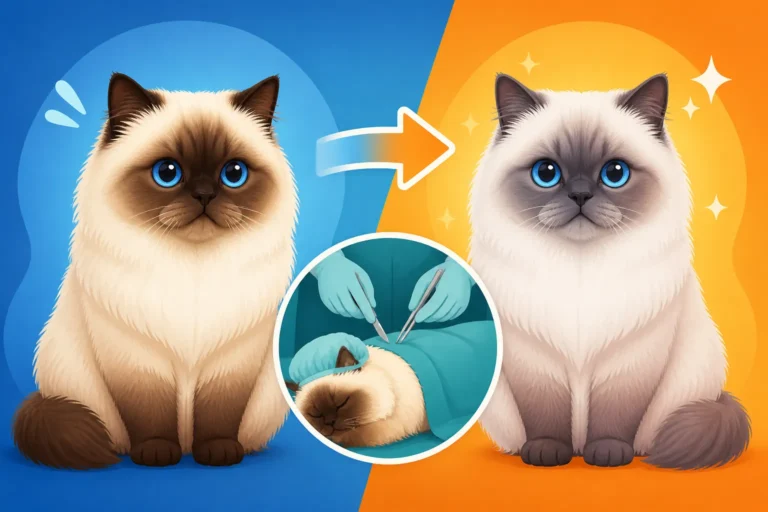
Environmental factors can also induce permanent changes. For instance, if a Himalayan needs a patch of fur shaved for a medical procedure (like an IV site or surgery), the new fur that grows back in that shaved area will often be darker than the surrounding body coat. This is because the act of shaving exposes the skin to cooler air, triggering increased pigment production in the regrowing hair follicles. Why a Shaved Patch Regrows Darker on a Himalayan is a fascinating demonstration of this principle, and it's something vets and owners should be aware of.
Practical Implications for Himalayan Owners
Understanding why your Himalayan kitten starts out white has several practical implications for new and experienced owners alike. It influences how you choose a kitten, how you care for its unique coat, and how you interpret common questions about its appearance.
What to Expect When Choosing a Kitten
When you're choosing a Himalayan kitten, especially a very young one, it's important to temper your expectations regarding its future color. At eight to twelve weeks, their points will be visible, but they won't be fully developed or as deep as they will be in adulthood. If you're looking for a specific depth of color, say a very dark seal point, you might need to rely on the breeder's knowledge of the kitten's pedigree and the typical color development of its parents and previous litters. A good breeder will be transparent about this and often provide photos of parents or older siblings to give you an idea of the mature coloration.
Don't be surprised if a "blue point" kitten looks quite pale blue initially, or a "chocolate point" seems more like a light brown. Their colors will deepen significantly over time. Focus more on the kitten's health, temperament, and overall conformation at this early stage. What a Himalayan Kitten's First Exam Includes Its Palate is a good example of the critical health checks that should take precedence over color concerns when picking a kitten.
Maintaining Point Contrast and Coat Health
For owners, especially those interested in showing their Himalayans, maintaining that stunning contrast between the pale body and the dark points can become a bit of an art form. Keeping your Himalayan in a consistently warm but not overheated indoor environment can help prevent the body coat from darkening excessively. Avoiding extreme cold exposure is key if you want to preserve the crispness of the contrast.
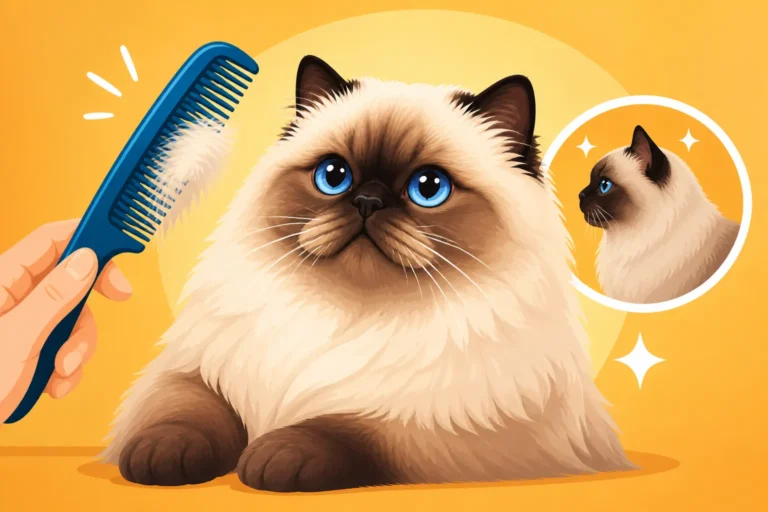
Beyond temperature, consistent grooming is paramount for all Himalayans due to their luxurious, long coats. Regular combing helps remove loose hair, prevents matting, and ensures healthy skin, which in turn supports healthy coat growth. You'll need specific tools, and thankfully, readily available options on platforms like Amazon make it easy to find high-quality steel combs and de-shedding tools perfectly suited for a Persian-type coat. Furthermore, a balanced diet (like premium dry kibble or wet food from Chewy) contributes to overall coat health, shine, and helps prevent dryness which can sometimes dull colors. How to Keep a Cream Point Himalayan Looking Clean involves diligence in both grooming and environmental control.
Debunking Common Myths About Himalayan Color
There are a few common misconceptions that pop up regarding Himalayan coat color. One is that if a kitten is born with very faint points, it will always be a "poorly colored" adult. As we've discussed, this isn't necessarily true; intense deepening occurs over time. Another myth is that feeding certain foods can drastically change the point color. While excellent nutrition supports healthy coat development, it won't fundamentally alter the genetic color expression. A seal point will always be a seal point, regardless of diet, though its richness can be influenced.
Similarly, some owners worry if their cat's points seem to lighten in summer or darken in winter. This is completely normal and, as explained, a natural function of their temperature-sensitive gene. It's not a sign of illness or genetic flaw. Understanding these natural processes helps owners appreciate the unique beauty of their Himalayan and prevents unnecessary anxiety about their cat's evolving appearance. Remember, Why a Poorly Contrasted Himalayan Loses in the Ring often has more to do with genetic line and breeding choices than with individual owner care, though good care certainly optimizes the cat's presentation.
| Feature | Newborn Himalayan Kitten | Adult Himalayan Cat |
|---|---|---|
| Body Color | Almost entirely white or pale cream | Pale cream, white, or light fawn |
| Point Color (Ears, Face) | Barely visible, faint blush if any | Deep, rich coloration (seal, blue, chocolate, lilac, flame, tortie, lynx) |
| Paws | White or very pale | Matching point color |
| Tail | White or very pale | Matching point color |
| Eye Color | Always blue, though can be lighter initially | Deep, vivid blue, desired for contrast |
| Coat Texture | Soft, fine kitten fur | Long, dense, silky double coat |
| Temperature Influence | All body parts warm from womb/mother, inhibiting pigment | Cooler extremities allow pigment production |
The Broader Context: Himalayan Genetics and Health
The unique genetics that give Himalayans their stunning color also tie into other aspects of their being, from their eye color to considerations in their breeding programs. It's all part of the intricate tapestry of this magnificent breed.
Connecting Point Genetics to Other Traits
The gene responsible for the Himalayan point pattern (the cs allele) is part of the albino series of genes. In its fullest expression, complete albinism results in an animal with no pigment whatsoever and red eyes. The temperature-sensitive form, however, is a partial form of albinism. Intriguingly, this same genetic pathway that affects fur pigmentation also has an impact on eye color. This is why all Himalayans have those captivating blue eyes. The gene causes a reduction in pigment in the iris, allowing the blue light to be reflected, much like the sky appears blue. Therefore, the very same gene that makes a Himalayan kitten born white, and then gives it its points, also dictates Why the Point Gene Makes Every Himalayan Blue Eyed. It's a package deal!
Understanding these genetic connections is vital for breeders. Knowing the genetic lineage for point color also helps track other linked traits or health predispositions, even if those links aren't always direct. It ensures responsible breeding practices that aim to produce healthy, vibrant kittens with predictable characteristics.
The Link Between Pigmentation and Blue Eyes
The blue eyes of a Himalayan are not just a beautiful aesthetic; they are a direct consequence of the same genetic mutation that causes their pointed coat. The tyrosinase enzyme, which, as we discussed, is temperature-sensitive, is also involved in the development of pigment in the iris of the eye. In cats carrying the Himalayan gene, the enzyme's reduced activity leads to a lack of melanin in the iris, resulting in the characteristic blue color.
This is a stable trait that is always present in genetically pointed cats. It's a fascinating example of pleiotropy, where a single gene affects multiple, seemingly unrelated traits. So, while you're watching your Himalayan kitten's points slowly emerge and deepen, you can also appreciate that the striking blue of their eyes is telling the same genetic story – a story of warmth, coolness, and the beautiful science of pigment.
Disclaimer
This article is for general informational purposes only and does not constitute professional advice. Laws, prices and regulations vary by location and change over time. Consult a qualified professional for guidance on your specific situation.