How to Keep a Cream Point Himalayan Looking Clean
Anyone who shares their home with a beautiful Cream Point Himalayan knows the struggle is real. That pristine, creamy coat, while absolutely stunning, can feel like a magnet for every speck of dust, every stray crumb, and every tear that dares to run a little too far. Keeping that gorgeous pale fur looking immaculate can sometimes feel like a full-time job, turning a beloved companion into a delicate porcelain doll you're constantly trying to keep spotless. This comprehensive guide is here to walk you through the nuances of maintaining your Cream Point's exquisite cleanliness, offering practical tips and routines to keep them looking their best.
Understanding the Unique Challenges of a Cream Point Himalayan's Coat
Let's be honest, a Cream Point Himalayan's coat is a work of art, but that light color comes with its own set of challenges. It's not just about aesthetics; it's about understanding how their specific coat type and coloring make them more susceptible to showing every tiny imperfection.
Why Cream Points Are Prone to Showing Dirt
Imagine trying to keep a white linen shirt pristine while living your daily life – that's often what it feels like to own a Cream Point Himalayan. Their genetic makeup dictates a very light, warm cream body color, with points (ears, face mask, paws, and tail) that are a slightly darker, warm cream. This lack of strong, dark contrast, unlike say, a Seal Point Himalayan, means that even the slightest discoloration or a tiny bit of grime stands out starkly.
Every little thing, from the dust bunnies under the sofa to the minuscule food particles that might get flicked from their bowl, becomes glaringly obvious. Your Cream Point rolls around on the floor, takes a nap in a sunbeam, or simply rubs against a doorway, and suddenly, their once-immaculate fur looks a little less bright. It's not that they're necessarily dirtier than other cats; it's just that their pale canvas broadcasts every mark more loudly. This can be incredibly frustrating for owners who adore their cat's pristine appearance but feel like they're fighting a losing battle against the universe's natural tendency towards chaos.
The Delicate Balance of Point Color and Body Shade
For a Cream Point Himalayan, maintaining the pale body coat isn't just about looking clean; it's a defining characteristic of their beauty and breed standard. The whole idea of a "point" cat is that the extremities are colored differently from the main body, creating a striking contrast. With Cream Points, that contrast is subtle and soft, relying on a very clean, unstained, and light body color to make the cream points truly pop.
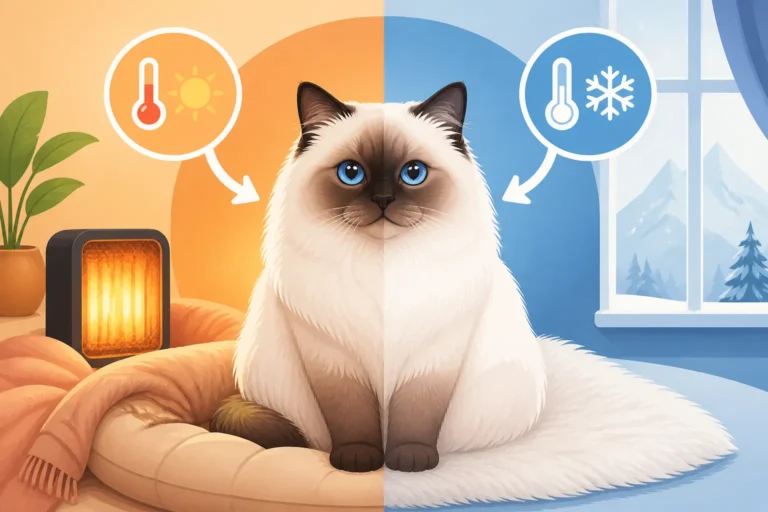
Environmental factors can also play a sneaky role here. Temperature, for instance, can influence a Himalayan's coat color; colder environments tend to deepen the point color and can even darken the body if the cat is consistently chilly. Sunlight, while lovely, can sometimes cause subtle discoloration or "sun-bleaching" on the paler parts of the coat, further compromising that desired uniform creaminess. How Judges Score a Himalayan's Point Contrast is a fascinating read that delves into how this balance is evaluated in the show ring, but for pet owners, it highlights the importance of keeping that body coat as light and unblemished as possible. Even small areas of yellowing or dullness can make the entire cat appear less vibrant and diminish the delicate visual appeal. After all, Why a Poorly Contrasted Himalayan Loses in the Ring isn't just about show cats; it informs why we love the look of our well-cared-for companions.
Daily Grooming Rituals for a Pristine Cream Point
Keeping a Cream Point Himalayan looking its best isn't about grand gestures; it's about consistent, gentle daily care. Think of it as a small, loving investment of time that pays off in a beautifully maintained, happy cat.
The Indispensable Daily Comb and Its Impact
If there's one non-negotiable aspect of owning a Himalayan, especially a Cream Point, it's the daily comb. Seriously, this isn't a suggestion; it's a fundamental requirement. Their long, dense Persian-derived coat, with its copious undercoat, is a matting disaster waiting to happen if neglected for even a day or two. Mats, beyond being uncomfortable for your cat, trap dirt, debris, and moisture, leading to skin irritation and an overall grubby appearance. For a Cream Point, a mat isn't just a knot; it's a visible dark clump against their pale fur.
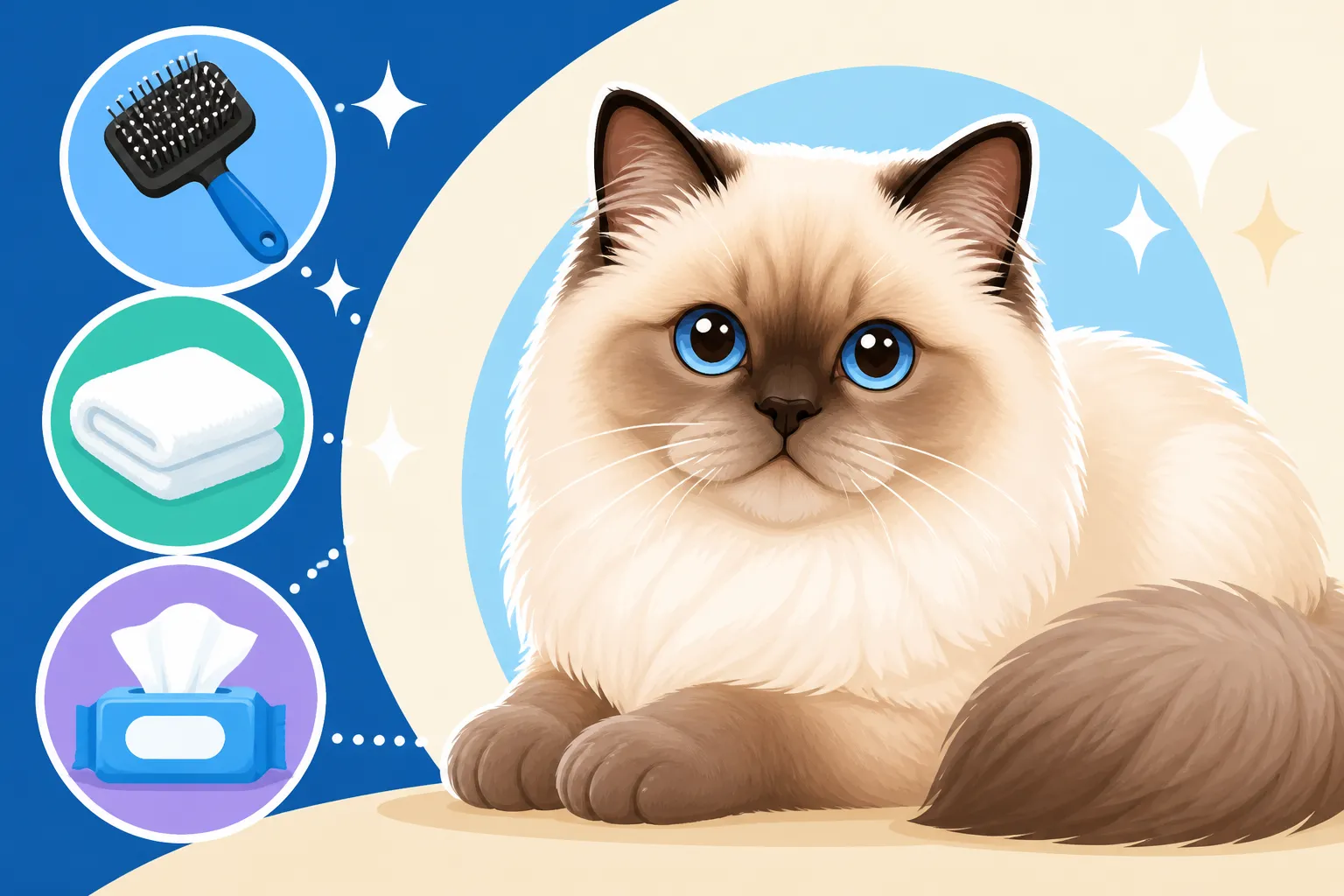
You'll need a good quality steel comb – ideally one with both wide and narrow tooth spacings to handle different areas of the coat. Start with the wide-toothed side for general detangling and then move to the narrower side for a more thorough job, particularly in areas prone to matting like the armpits, britches, and behind the ears. The technique is crucial: comb all the way down to the skin. Don't just skim the top of the coat. Gentle, consistent strokes will not only remove loose hair and prevent mats but also lift surface dust and minor debris before it has a chance to embed itself into the fur. This daily ritual also helps to distribute your cat's natural skin oils, which act as a protective barrier, giving the coat a healthy sheen and making it less prone to static and attracting dust. For finding the right tools, you'll find a fantastic selection of steel combs and grooming brushes on Amazon. For a deeper dive, check out How Often a Himalayan Must Be Combed to understand the rhythm of this essential routine.
Tackling Tear Stains and Facial Grime
Tear stains are the bane of many a light-colored cat owner's existence, and Cream Point Himalayans are no exception. Their flatter faces and often prominent eyes mean that tears can spill over, and when those tears dry, they leave behind dark, often reddish-brown tracks that are incredibly obvious against their pale facial fur. It's not just tears, either; tiny bits of food, dust, or even just general dampness from drinking can collect around their nose and mouth.
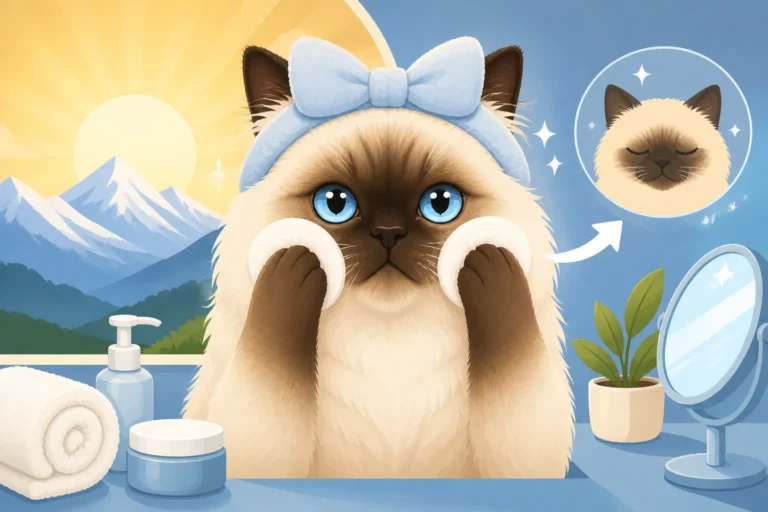
A daily facial routine is paramount here. Gently wipe your Himalayan's face every morning, paying special attention to the areas around their eyes, in the nose folds (if present), and around their mouth. Use soft, lint-free cloths or cotton pads dampened with plain warm water. Some owners use saline solution or specific cat-safe tear stain remover wipes. Many owners swear by gentle, cat-safe wipes available on Chewy that are formulated to be non-irritating around the eyes. The key is consistency. Drying the area thoroughly after cleaning, especially the nose fold, is critical to prevent moisture from sitting and creating an environment for yeast or bacteria, which can lead to further staining and skin irritation. Why a Himalayan's Face Must Be Wiped Every Day delves into the full importance of this ritual, and for those tricky nose folds, don't miss Drying a Himalayan's Nose Fold So It Does Not Sour.
Preventing Britches and Paw Pad Woes
The areas that are closest to the ground, or regularly interact with surfaces, are inevitably going to get dirtier, faster. For a Cream Point Himalayan, their long, flowing britches (the fur around their hindquarters) and the fur between their paw pads are prime suspects for collecting grime. Think of stepping in a puddle with bell bottoms on – that's your Himalayan's britches after a litter box visit!
Regular trimming around these areas can make a world of difference. Carefully (and if unsure, ask your vet or a professional groomer to show you how) trim the fur around the anus and between the paw pads. This "sanitary trim" drastically reduces the amount of litter that can cling to their coat after using the box. It also prevents feces from getting caught in the fur, which is not only unsightly on a cream cat but also unhygienic and uncomfortable for them. For the paw pads, shorter fur means less traction for litter particles to hold onto. When it comes to paw cleaning, a quick wipe with a damp cloth after they've used the litter box or if you notice any dirt on their pads can save their pristine coat from being marked by dirty footprints. Remember that even though Himalayans don't typically use scratching posts as vigorously as some breeds, their claws still need attention, as discussed in Trimming a Himalayan's Claws When It Rarely Uses a Post, and clean paws are part of the overall clean look.
Strategic Cleaning and Environmental Management
Beyond daily brushing and wiping, maintaining a Cream Point Himalayan's pristine appearance involves thinking strategically about their environment and the occasional deeper clean. It's about proactive prevention as much as reactive cleaning.
The Art of the Occasional Bath
Let's be clear: Himalayans generally don't need frequent baths. Their coats are designed to be relatively self-cleaning with regular brushing. However, for a Cream Point whose coat has become noticeably dull, yellowed, or if they've had an unfortunate accident (like rolling in something questionable or experiencing a litter box mishap), an occasional bath can be a lifesaver. It’s definitely not a weekly affair, more like a once-or-twice-a-year event, or strictly as needed. The Only Times a Himalayan's Coat Has to Be Washed really lays out the circumstances when it's truly necessary.
When you do bathe your Cream Point, it's crucial to use a cat-specific shampoo. Look for gentle, hypoallergenic formulas, or even those specifically designed for white or light-colored coats, which can help brighten and remove yellowing without harsh chemicals. Prepare everything beforehand: towels, a non-slip mat for the tub, and a helper if you can get one. Use lukewarm water and work the shampoo gently into the coat, ensuring you rinse thoroughly. Residue left behind will attract dirt faster and can irritate the skin. The most critical step post-bath is drying. A Himalayan's dense undercoat can take hours to dry completely. Use absorbent towels, a pet-specific hairdryer on a cool or low setting (making sure it doesn't get too hot), and comb the coat as you dry to prevent mats from forming. Incomplete drying is a fast track to matting and skin issues, undoing all your hard work.
Optimizing the Living Environment
The cleanliness of your home directly impacts the cleanliness of your Cream Point. Since their coat acts like a fluffy dust magnet, a clean living space is your first line of defense against premature dulling or staining. Regular vacuuming and dusting are key, especially in areas where your cat spends a lot of time lounging, which is often a significant portion of the house!
Litter box hygiene is another major factor. A clean litter box with the right type of litter can prevent tracking. Choose low-dust, finely textured litters that are less likely to cling to long fur. Scooping the box at least twice a day and doing a full litter change regularly is essential. For your Himalayan, the type of litter and the design of the box can prevent much of the mess that ends up in their britches, as Which Litter Does Not Cling to a Himalayan's Britches thoroughly explains. Food and water bowls also need consideration. Wide, shallow bowls are best for flat-faced Himalayans, preventing their faces from getting unnecessarily wet or covered in food. Raised bowls can also help, keeping their beautiful ruff out of their meal. Why a Himalayan Soaks Its Ruff Drinking and Why Food Ends Up on a Himalayan's Chin and Ruff are both great resources for managing these challenges. High-sided, flat-faced friendly bowls can be found on Chewy or Amazon and are a worthwhile investment.
Managing Outdoor Access and Play
For the sake of their pristine coats and their overall well-being, Himalayans are fundamentally indoor cats. Their long, flowing coats are simply not designed for the rigors of the outdoors. Mud, leaves, pollen, parasites, and general grime will quickly ruin that beautiful cream color. Even a short supervised stint in a catio or on a leash in the garden can result in a coat that needs extensive cleaning.
Why a Himalayan Must Never Be an Outdoor Cat provides a compelling argument for keeping them safely and cleanly indoors. When it comes to playtime, consider the types of toys you offer. Avoid toys that are excessively dusty, shed fibers easily, or are designed to be dragged through grime. Simple wand toys, soft plush toys, or puzzle feeders (chosen carefully so your flat-faced friend can actually use them) are great choices that minimize direct contact with potentially dirty surfaces. Keeping playtime confined to clean areas, perhaps on a washable rug or mat, can also help preserve their coat.
Addressing Persistent Stains and Discoloration
Even with the most diligent daily care and a pristine environment, some Cream Point Himalayans can still develop persistent stains or general discoloration. It's a frustrating battle, but understanding the root causes and knowing how to gently address them can make a big difference.
When Yellowing or Rust Stains Become a Problem
When your beautiful cream coat starts taking on an undesirable yellow hue, or those tear tracks turn a stubborn rusty brown, it's more than just surface dirt. Yellowing often comes from prolonged exposure to moisture, certain environmental factors, or even diet. For instance, if your Himalayan consistently soaks their chin or chest fur while drinking, that perpetual dampness can lead to yellowing. Over time, contact with certain fabrics, lingering moisture, or even a less-than-ideal diet can contribute to an overall dull, yellowish cast on what should be a bright cream body.
Rust-colored stains, particularly around the eyes and mouth, are a bit different. These are typically caused by porphyrins, iron-containing molecules that are excreted in tears and saliva. When exposed to light, these porphyrins oxidize and turn that reddish-brown color. So, it's not actually dirt, but a natural bodily excretion that, unfortunately, stands out starkly on a pale coat. Why a Himalayan's Pale Body Coat Yellows explains the science behind the general dulling, while What Turns a Himalayan's Tear Stains Rust Colored dives into the specifics of those stubborn rust marks.
Gentle Solutions for Stain Removal
Aggressive scrubbing or harsh chemicals are an absolute no-go for your Himalayan's delicate coat and sensitive skin. These can cause irritation, damage the fur, and even make staining worse in the long run. The key is gentle, consistent action. For general yellowing or mild discoloration on the body, a thorough, professional-quality bath with a brightening shampoo designed for white coats (ensuring it's cat-safe!) can often work wonders. Sometimes, a very diluted solution of apple cider vinegar (with extreme caution to avoid eyes) has been used by some owners as a final rinse, but this requires great care.
For persistent rust-colored tear stains, consistency in daily wiping is paramount. Beyond plain water, many commercial cat-safe tear stain removers exist, often containing mild bleaching agents or enzymes to break down the porphyrins. Always test a small area first and follow product instructions rigorously. Some old-school remedies suggest a tiny amount of milk of magnesia applied with a cotton swab and then thoroughly brushed out once dry, but always proceed with caution and consult with your vet if you're unsure about any home remedy. Patience is key; these stains often took time to develop and will take time to fade, even with dedicated cleaning.
The Role of Diet in Coat Health and Staining
Believe it or not, your Himalayan's diet plays a significant role in the health and appearance of their coat, and can even influence staining. A high-quality, balanced diet provides the necessary nutrients, vitamins, and fatty acids that contribute to a healthy, vibrant coat that is more resistant to issues. Poor nutrition, on the other hand, can lead to a dull, brittle coat that's more prone to matting and may even exacerbate certain types of staining.
Ensuring your Himalayan is well-hydrated is also crucial. Proper hydration supports overall bodily functions, including healthy skin and coat. Some anecdotal evidence suggests that certain ingredients in cat food, particularly those with artificial colors or low-quality fillers, might contribute to tear staining in sensitive individuals. Switching to a high-quality, natural diet, free from artificial additives, might reduce the severity of porphyrin staining in some cats. Many owners find success with premium cat foods that focus on quality ingredients and fresh formulations. What Protein Level a Himalayan's Coat Needs and Whether Grain Free Does Anything for a Himalayan's Coat offer further insights into dietary considerations that support a glorious coat. Always consult your veterinarian before making significant dietary changes, especially if your cat has pre-existing health conditions.
Here's a quick overview of key grooming tasks for your Cream Point Himalayan:
| Task | Frequency | Purpose | Key Considerations |
|---|---|---|---|
| Daily Combing | Daily | Prevent mats, remove loose fur, lift surface dirt | Use steel comb, comb to the skin, focus on high-friction areas |
| Face Wiping | Daily | Remove tear stains, food debris, keep nose fold dry | Soft cloth/cotton pads, warm water or cat-safe wipes, dry thoroughly |
| Litter Box Scooping | 2x Daily | Prevent tracked litter, maintain hygiene | Low-dust litter, wide/low-sided box, full change regularly |
| Paw Pad/Britches Trim | Monthly/As Needed | Reduce clinging litter/feces, prevent matting | Use blunt-nosed scissors, proceed with caution or consult a groomer |
| Nail Trimming | Every 2-4 Weeks | Prevent ingrown nails, reduce furniture damage | Cat-specific clippers, ensure you don't cut the quick |
| Full Bath | Rarely (1-2x/year) | Deep clean, remove stubborn stains/yellowing, address accidents | Cat-safe brightening shampoo, thorough rinsing & drying, avoid over-bathing |
| Home Cleaning | Weekly | Minimize dust and dirt in the environment | Regular vacuuming/dusting, keep cat bedding clean |
Disclaimer
This article is for general informational purposes only and does not constitute professional advice. Laws, prices and regulations vary by location and change over time. Consult a qualified professional for guidance on your specific situation.