Whether a Himalayan Is Cheaper Than a Persian to Buy
When you're dreaming of bringing a beautiful Himalayan cat into your home, one of the first questions that often pops up is about the price tag. Many folks assume a Himalayan, with its distinctive color points and luxurious coat, might cost significantly more or less than its close cousin, the Persian. It's a valid concern, and the truth is, the initial purchase price can be surprisingly similar, but the nuances of how these breeds are classified and what you're actually paying for can be a bit confusing. This guide will walk you through the factors that influence the cost of a Himalayan, comparing it to the Persian, and shed light on why the sticker price is just the beginning of the financial journey.
Understanding the Himalayan's Unique Position in the Cat World
It's natural to see a Himalayan and a Persian as two distinct breeds. After all, one has those striking color points and captivating blue eyes, while the other comes in a vast array of solid colors and patterns. However, the story of the Himalayan's recognition by various cat associations is quite layered, and this history directly impacts how they are priced and often perceived. It's not as straightforward as simply comparing apples to oranges; sometimes, you're comparing a specific type of apple to a broader category of apples.
The Historical Merger: CFA's Decision and its Price Implications
The Himalayan cat, often lovingly called the "Himmie," was intentionally bred by crossing Persians with Siamese cats to achieve the Persian's opulent coat and body type combined with the Siamese's colorpoint pattern and blue eyes. This pioneering work really solidified the Himalayan as a distinct type of cat. For a time, it was recognized as its own breed by many associations.
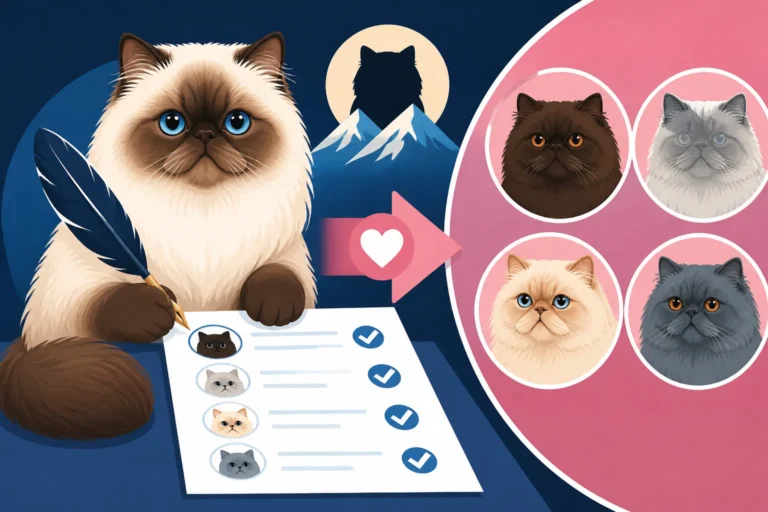
However, the Cat Fanciers' Association (CFA), one of the largest cat registries in North America, made a significant decision in 1984 to integrate the Himalayan into the Persian breed group, classifying them as the "Himalayan Division" of Persians. This meant that while they still maintained their unique look and breeding goals, they were judged and registered under the Persian umbrella. This historical merger, while streamlining registration for some, has created a lingering question for prospective owners: if it's "just" a Persian, does that mean it's cheaper? Or does its unique coloring make it more expensive? Often, a breeder's affiliation with CFA will mean your Himalayan kitten's registration papers will officially list it as a "Persian" with "Himalayan" specified as the division or color class. This might seem like a small detail, but it can subtly influence perceived value. For a deeper dive into this historical change, you might want to read Why CFA Merged the Himalayan With the Persian and What Changed for Himalayan Breeders After 1984. These articles help explain the administrative reasoning behind a decision that continues to shape how these cats are classified and valued in the show world and, by extension, in the pet market.
The TICA Perspective: A Separate Breed, A Different Valuation
While the CFA integrated the Himalayan, other prominent cat registries, such as The International Cat Association (TICA), maintained the Himalayan as a standalone breed. This creates a fascinating dual identity for the Himalayan cat. A TICA-registered Himalayan will have paperwork clearly stating "Himalayan" as its breed, emphasizing its distinct genetic heritage and characteristics.
This difference in classification can, at times, affect how breeders position their kittens and how potential owners perceive their value. A breeder working with TICA might emphasize the breed's unique identity, which could, theoretically, influence pricing by distinguishing it more sharply from a general Persian. For some buyers, the pride of owning a "Himalayan" as a recognized separate breed carries its own appeal and, sometimes, a different price point. It also means that the breeding goals and standards, while similar in many ways to the Persian, maintain a focus on the specific traits that define a Himalayan. Exploring how different registries operate can offer more clarity; for example, How TICA Registers a Himalayan Today provides insight into the separate breed status, and Which Registries Still Call It a Himalayan helps identify other organizations that maintain this distinction. This split in recognition underscores that the Himalayan's value isn't just about its appearance, but also about its lineage and how that lineage is recorded.
Factors Influencing a Himalayan's Purchase Price
When you're looking to bring a fluffy companion home, the sticker price is rarely arbitrary. It's a complex equation that includes genetics, care, demand, and reputation. For Himalayans and Persians alike, these factors weigh heavily, often leading to similar price ranges for well-bred, healthy kittens. However, some specific traits can swing the price more dramatically for Himalayans.
Pedigree and Breeder Reputation: The Foundation of Cost
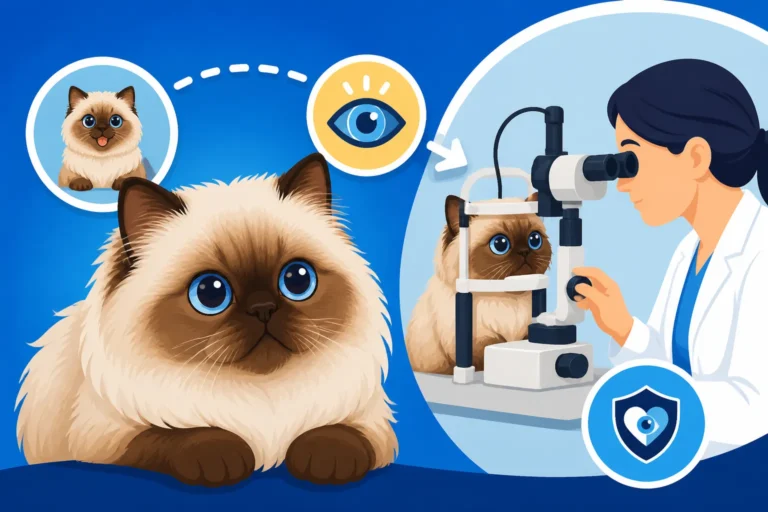
The most significant driver of a kitten's purchase price, whether it's a Himalayan or a Persian, is the quality and reputation of the breeder. Ethical, responsible breeders invest a tremendous amount of time, effort, and money into ensuring their cats are healthy, well-socialized, and meet breed standards. This includes comprehensive health testing for genetic conditions prevalent in Persian lines, such as Polycystic Kidney Disease (PKD) and Progressive Retinal Atrophy (PRA). These tests alone can represent a substantial cost, but they are absolutely critical for producing healthy kittens and preventing heartache down the line. You'll want to ask for proof of these tests, so understanding Which Two Certificates a Himalayan Breeder Owes You is vital.
A breeder who is committed to these standards will factor these costs into their kitten prices. They will also provide excellent veterinary care for the queen and her kittens, high-quality nutrition (which can be pricey), and a clean, enriching environment. Kittens from championship lines, where parents have achieved titles in cat shows, might command a higher price due to the proven quality of their genetics and adherence to the breed standard. This rigorous approach applies equally to Persian and Himalayan breeders aiming for the highest quality. Don't be surprised if a well-vetted, health-tested kitten, regardless of if it's a Persian or a Himalayan, falls within a similar price bracket. It's the assurance of health and proper care that you're truly paying for, and it's an investment that pays dividends in a long, happy life with your cat. To understand the financial commitment involved in these crucial health checks, consider looking into What Testing a Himalayan for PKD and the Eyes Costs.
Point Color and Face Type: Himalayan Specific Price Drivers
While Persians come in an astonishing array of colors and patterns, Himalayans have their own unique set of aesthetic value drivers, particularly their point colors and face structure. The classic Seal Point or Blue Point Himalayans are quite popular, but certain, rarer point colors can significantly increase the purchase price. For example, Chocolate Point and Lilac Point Himalayans are genetically more challenging to produce and, therefore, often command a premium due to their scarcity and the specific breeding required to achieve them. This is a fascinating aspect of Himalayan genetics; you can learn more about how rarity influences price in Why a Rare Point Color Raises a Himalayan's Price.
Beyond color, the face type is another critical differentiator that impacts cost. Himalayans, like Persians, can exhibit a range of facial structures, from the more traditional "Doll Face" (with a visible nose break but not an extremely flattened face) to the "Peke Face" (named after the Pekingese dog, characterized by a very flat, almost pushed-in face). There's a strong preference among many buyers for the Doll Face Himalayan, which is often seen as having fewer potential breathing or tear-staining issues, and a more "sweet" expression. This demand often leads Doll Face Himalayans to be priced higher than their Peke Face counterparts. Breeders who consistently produce Doll Face kittens, especially those with excellent health and conformation, will price them accordingly. If you're wondering about the specifics, Why a Doll Face Himalayan Commands a Premium and Why Doll Face Himalayan Breeders Charge More delve into why this particular facial structure is so sought after and how it affects the market value. It's a clear example of how specific aesthetic preferences within a breed can significantly impact the initial cost.
Beyond the Initial Purchase Price: Long-Term Ownership Costs
The decision to bring any cat into your life comes with financial responsibilities that extend far beyond the initial purchase price. For Himalayans and Persians, who share similar long coats and some common health predispositions, these ongoing costs can be substantial. Understanding them upfront helps you prepare for a lifetime of happy companionship, regardless of whether you pay slightly more or less for the kitten itself.
Grooming and Maintenance: The Long-Hair Reality
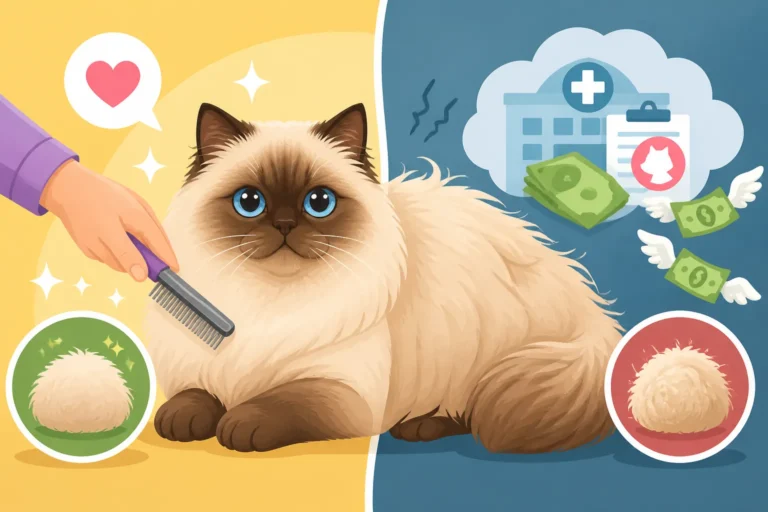
Both Himalayans and Persians are renowned for their magnificent, long, flowing coats. While undeniably beautiful, this beauty comes with a non-negotiable daily commitment to grooming. Skipping even a day can lead to mats and tangles that are not only uncomfortable for your cat but can quickly become painful and require professional intervention. Your daily routine will involve a steel comb to work through the dense undercoat and outer guard hairs, preventing knots from forming. This isn't just a quick brush; it's a thorough session. What Daily Combing Costs a Himalayan Owner in Time helps illustrate the time commitment involved, and you'll find that these estimates apply equally to a Persian with a similar coat.
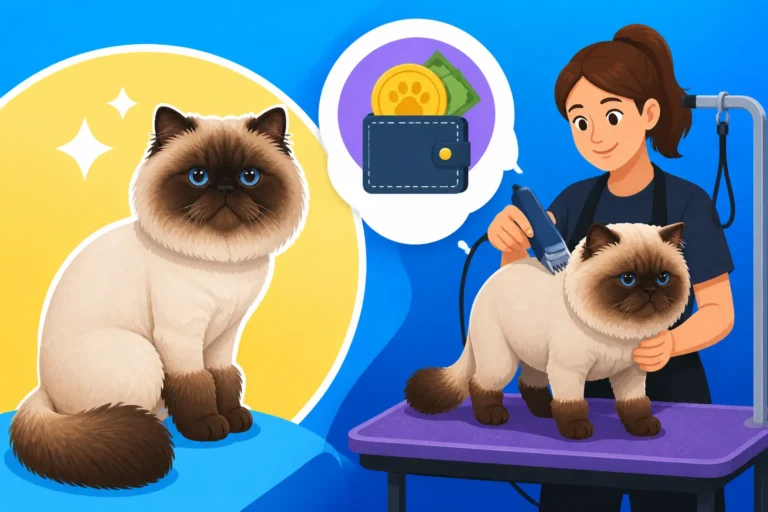
Beyond your daily efforts, you'll need an arsenal of specific grooming tools – a wide-toothed comb, a fine-toothed comb, a slicker brush, and potentially dematting tools and blunt-nosed scissors for careful trimming around sensitive areas. Investing in good quality tools from retailers like Chewy is essential. Even with diligent home grooming, many owners find themselves needing occasional professional grooming, especially for a "lion cut" in warmer months or if a mat gets out of hand. Neglecting grooming can lead to serious health issues, as mats can pull at the skin, hide infections, and make it impossible for your cat to move comfortably. In severe cases, a matted cat may even require sedation at the vet for a full shave down, turning a preventable grooming issue into a medical expense. This is why Why a Matted Himalayan Becomes a Medical Case is such a critical read; it highlights the serious consequences of not maintaining that glorious coat.
Health Care Considerations: Shared Vulnerabilities
Both Himalayans and Persians, due to their shared genetics, are susceptible to certain health conditions that can translate into significant long-term veterinary costs. One of the most well-known is Polycystic Kidney Disease (PKD), a hereditary condition that leads to the development of cysts in the kidneys. While responsible breeders screen for PKD, it's a condition that any cat with Persian lineage can potentially carry. Regular veterinary check-ups, especially as your cat ages, become crucial for monitoring kidney health. Which Diseases a Himalayan Inherits From Each Parent Breed offers a great overview of the various genetic conditions to be aware of, while How Early Cysts Show on a Himalayan's Kidney Scan explains the diagnostic process.
Additionally, many Himalayans, particularly those with a very flat facial structure (the "Peke Face" type), can experience brachycephalic airway syndrome. This can manifest as noisy breathing, snoring, and a reduced tolerance for exercise or heat. These issues can require veterinary management, and in some cases, surgical intervention to improve airflow. You might notice Why a Himalayan Snores Louder Than Its Siamese Ancestors or even When a Himalayan's Open Mouth Breathing Needs a Vet as indicators of potential respiratory challenges. Regular dental care is also paramount, as their shortened jaws can lead to overcrowded teeth, increasing the risk of dental disease. Given these potential health considerations, pet insurance can be an invaluable investment. Providers like Healthy Paws offer various plans that can help mitigate the financial impact of unexpected illnesses or chronic conditions. It's always wise to research different policies and consider enrolling your cat while they are young and healthy to ensure coverage for future needs.
Daily Living Expenses: Food, Litter, and Enrichment
Beyond grooming and vet visits, the day-to-day costs of owning a Himalayan are similar to any other indoor cat, but with some specific considerations. High-quality cat food is essential for their overall health, coat condition, and managing their weight (Himalayans tend to be less active than many breeds and can easily become overweight). Premium fresh, human-grade foods can contribute to better health, but there are many excellent options available. For flat-faced Himalayans, the shape of their food and water bowls also matters; they often do best with wide, shallow bowls to avoid whisker fatigue and make it easier for them to eat and drink comfortably. Which Bowl Shape a Flat Faced Himalayan Can Use offers practical advice on this.
Litter is another ongoing expense. Given their long coats, opting for low-dust, finely textured litter can help prevent it from clinging to their britches and being tracked through the house. Providing enrichment, even for a generally laid-back breed like the Himalayan, is important. While they might not be scaling cat trees to dizzying heights, they appreciate comfortable sleeping spots, gentle toys that engage their minds, and plenty of human interaction. These daily consumables and comforts add up over the 9 to 15 years a Himalayan typically lives, reinforcing the idea that the purchase price is only the beginning of a lifelong financial commitment to their well-being.
Conclusion
So, is a Himalayan cheaper than a Persian to buy? The answer, as with many things in the wonderful world of cats, is nuanced. The initial purchase price for a well-bred, health-tested Himalayan from a reputable breeder is often very comparable to that of a similarly high-quality Persian. Factors like breeder reputation, health testing, pedigree, and even the kitten's specific aesthetics (like a rare point color or highly sought-after Doll Face profile) play a much larger role in determining the price than the simple "Himalayan" versus "Persian" label.
What truly matters is understanding that the upfront cost is just one piece of the puzzle. The long-term commitment to a Himalayan's intensive grooming needs, potential breed-specific health care considerations, and daily living expenses will be a consistent financial aspect of ownership. Whether your cat is registered as a Persian (Himalayan Division) or a distinct Himalayan breed, their needs are very much the same. Investing in a healthy kitten from a responsible breeder, understanding the ongoing costs, and preparing for them will ensure you and your beautiful, chatty companion share many happy, healthy years together.
Disclaimer
This article is for general informational purposes only and does not constitute professional advice. Laws, prices and regulations vary by location and change over time. Consult a qualified professional for guidance on your specific situation.