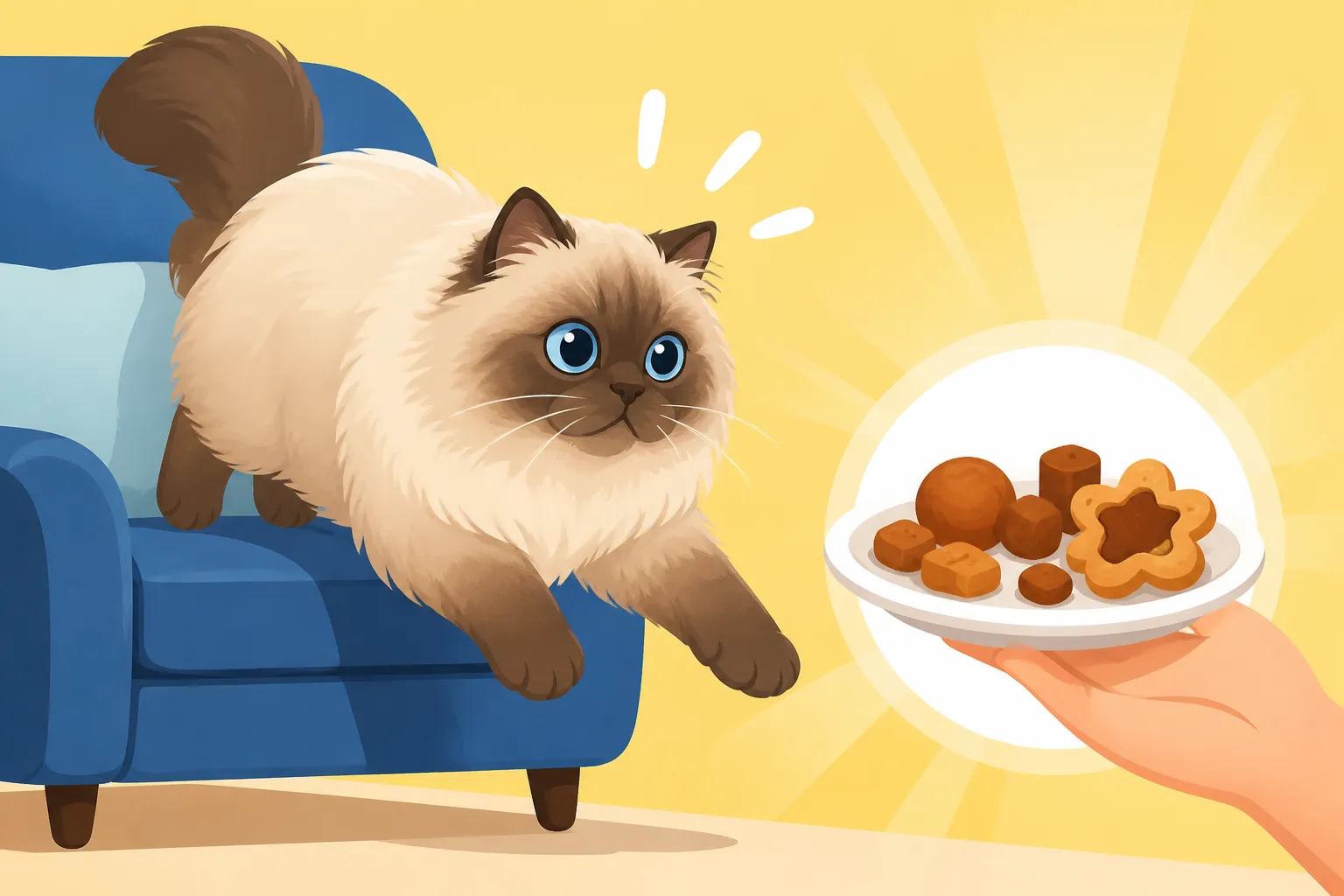
Which Treats a Himalayan Will Come Off the Sofa For
Getting your magnificent, fluffy Himalayan to budge from their favorite sunbeam or plush sofa can sometimes feel like trying to move a very opinionated, purring cloud. They are, after all, paragons of serene relaxation. But even the most dedicated couch potato needs a little motivation sometimes, whether it's for a bit of playtime, a grooming session, or just to greet you at the door. This guide is dedicated to uncovering those truly irresistible treats that can successfully lure your laid-back Himalayan off the furniture and into more engaging moments with you, making your shared life even more delightful.
Understanding the Himalayan's Sedentary Nature
Let's be honest, Himalayans aren't exactly known for their boundless energy or acrobatic feats. They're bred for beauty and companionship, often preferring a cozy nap to a mad dash around the house. This inherent calmness is part of their charm, but it can make motivating them for activity a unique challenge.
Why Your Himalayan is a Sofa Enthusiast
Your Himalayan's preference for the sofa isn't laziness; it's deeply ingrained in their breed characteristics. Descended from the dignified Persian, they inherited a cobby, compact body structure with short, sturdy legs. This build simply isn't designed for excessive running, jumping, or sustained high-energy play. Their long, dense coats also mean they can overheat more easily than many other breeds, making extended periods of activity less appealing. Instead, they thrive in comfortable, temperate environments where they can observe their surroundings from a plush vantage point. It’s their natural state, really, a majestic and unhurried existence. Many owners find themselves asking How Many Hours a Day a Himalayan Is Actually Awake because their furry friend seems to spend so much time in blissful slumber.
The Challenge of Motivation
If you've ever tried to coax your Himalayan into a game of chase or convinced them that the new feather wand is the most exciting thing ever, only to be met with a slow blink and a gentle tail twitch, you know the frustration. It’s not that they don't love you or enjoy interaction; it's just that their default setting is "calm contemplation." Traditional toys might get a momentary paw swat, but rarely a full-fledged romp. This can be especially challenging when you need them to move for something important, like a trip to the vet, a grooming session, or even just to let you clean under their favorite napping spot. It often feels like you’re trying to move a very regal, fluffy rock. You might wonder Whether a Himalayan Is as Inactive as It Looks, and often, the answer is a resounding "yes, they really are that chill."
The Role of Treats in Engagement
This is where treats become your secret weapon. While your Himalayan might scoff at a dangling toy after two minutes, a truly high-value treat can ignite a spark of enthusiasm you rarely see. Treats aren't just about nutrition; they're about positive reinforcement, creating a happy association with certain activities, and building that special bond. A tiny, delectable morsel can be the difference between a reluctant participant and an eager, if still somewhat sedate, collaborator. It teaches them that moving from their spot, engaging with you, or tolerating a brush isn't just a chore, but an opportunity for a delicious reward. They might not be driven by the hunt, but they are certainly driven by the promise of a tasty payoff.
Types of Treats That Entice a Himalayan
When it comes to choosing treats for your Himalayan, it's not a one-size-fits-all situation. Their unique facial structure and discerning palates mean some treats are far more successful than others at piquing their interest.
Soft, Easy-to-Eat Treats for Flat Faces
One of the biggest considerations for a Himalayan is their brachycephalic (flat) face and often crowded jaw. This anatomical feature, while adorable, can make chewing hard, crunchy treats a real challenge, and sometimes even painful. Imagine trying to crunch a hard cracker with a perpetually squished nose – not very comfortable! Hard kibble or dental chews can be difficult to pick up and process, leading to frustration, messy eating, and potentially even dental issues down the line. That's why soft, pliable treats are often the undisputed champions for these lovely felines.
Look for treats that are easily broken into smaller pieces or have a naturally soft, chewy texture. Pâté-style cat food, squeezable Churu-style tubes, or soft, moist morsels are ideal. These can be licked, gummed, or swallowed with minimal effort, reducing the risk of them dropping food or getting bits stuck in their crowded teeth. When selecting treats, always consider Which Kibble a Himalayan's Shortened Jaw Can Lift as a guide for texture and size. The easier it is for them to consume, the more they will appreciate it and the more effective it will be as a motivator.
High-Value, Palatable Options
Himalayans, like many cats, are obligate carnivores, meaning meat is paramount. This translates directly into their treat preferences. While some cats might be swayed by a carbohydrate-heavy biscuit, your Himalayan is far more likely to respond to something that screams "MEAT!" The stronger the scent and the richer the flavor, the better.
Freeze-dried meat treats are often absolute gold for Himalayans. These treats are pure protein, minimally processed, and retain a potent aroma that can travel across a room, even rousing the deepest sleeper. Brands offering single-ingredient freeze-dried chicken, salmon, or liver tend to be universally loved. You might find a great selection of these on sites like Chewy, offering a range of different proteins to discover your cat's favorite. Wet food in small, delectable portions can also serve as a high-value treat – think tiny spoonfuls of tuna in spring water or a special gravy. The key is to find something so utterly delicious that the effort of moving becomes a minor detail.
Novelty and Variety
Even with the most beloved treat, familiarity can breed indifference. Cats, Himalayans included, can get bored with the same old thing day in and day out. What was once a high-value incentive can become just another snack after a while. Introducing novelty and variety can rekindle their interest and keep them on their toes (or at least, their paws!).
Rotate through different flavors and textures of treats. If they're obsessed with freeze-dried chicken, introduce a freeze-dried salmon or a new soft chew brand. Sometimes, simply changing the presentation can work wonders. Offering a treat from a new location, or even using a very simple, flat-faced friendly puzzle feeder (which you can often find a wide array of on Amazon) can add an element of intrigue. The goal is to keep them guessing and make the treat offering feel like a special event, not just routine. This psychological boost can be surprisingly effective in getting them to engage.
Smart Treat Strategies for Your Himalayan
Getting your Himalayan to respond to treats isn't just about what you offer, but how and when you offer it. Strategic treat-giving can maximize their effectiveness and make interactions more productive.
Timing is Everything
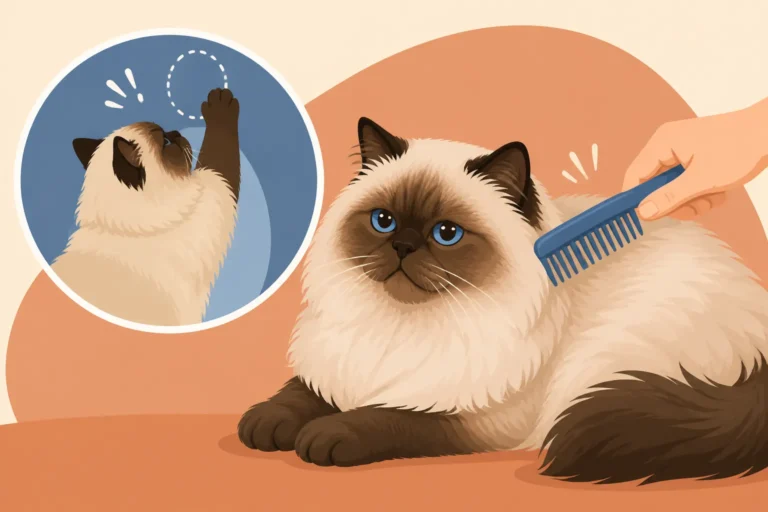
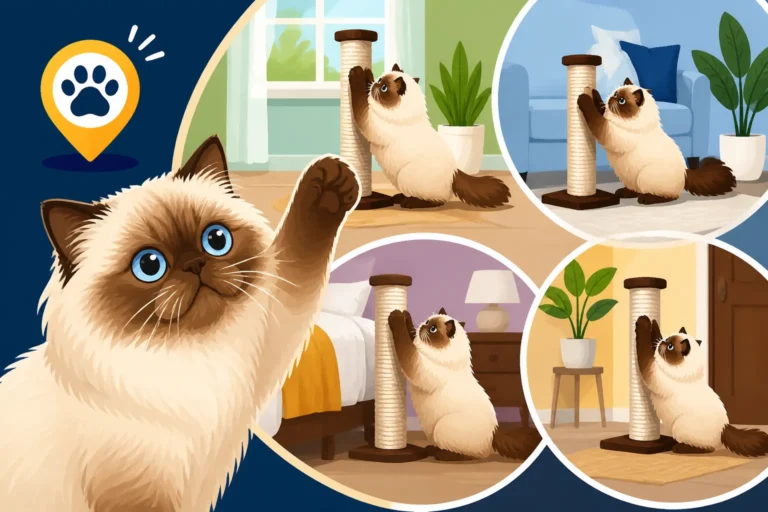
For a Himalayan, timing can make all the difference between a treat being accepted and a treat being ignored. Don't just toss a treat at them randomly. Instead, use treats as a targeted motivator. Is it almost time for their daily comb? Offer a small, irresistible treat just before you start, then another during a particularly tricky spot (like their armpits, where mats often begin). Are you trying to encourage them to use a new scratching post? Place a treat directly on it right after they've given it a tentative scratch.
The best time to offer a treat is often immediately after they perform a desired (even if small) action. This creates a clear, positive association. For instance, if they finally stretch and get up from the sofa for a few steps, a treat then reinforces that movement. If they give a gentle head-butt when you're grooming, that's your cue. These immediate rewards help them connect their action with your approval and the delicious outcome, even for a breed that seems perpetually aloof.
Making Them Work for It (Gently!)
While we're not talking about obstacle courses here, getting your Himalayan to expend a little effort for their treat can be beneficial. This doesn't mean making them jump through hoops; it simply means guiding them to move slightly or interact more.
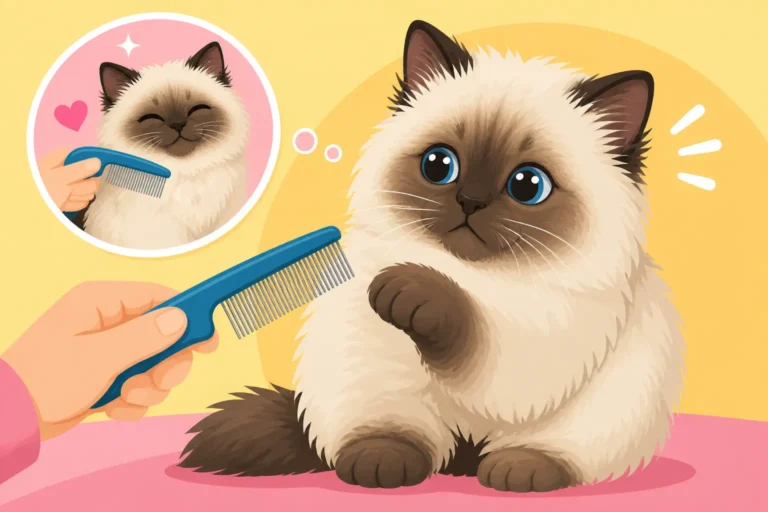
Instead of bringing the treat directly to their nose, hold it a foot or two away from their usual lounging spot, encouraging them to take a few steps. You can slowly increase the distance over time, from the edge of the sofa to the floor, or from one room to another. This can be particularly useful for encouraging gentle exercise without overwhelming their low-energy nature. Treats are also invaluable for getting them to tolerate grooming. Many Himalayans, especially if not introduced to it early, can resist daily combing. Using a high-value treat while you comb a specific area can create a positive link. For detailed guidance, consider practices described in Teaching a Himalayan to Lie Still for Its Daily Comb. You'll find that even a few slow, deliberate steps for a cherished treat is a victory.
Avoiding Overfeeding and Maintaining Health
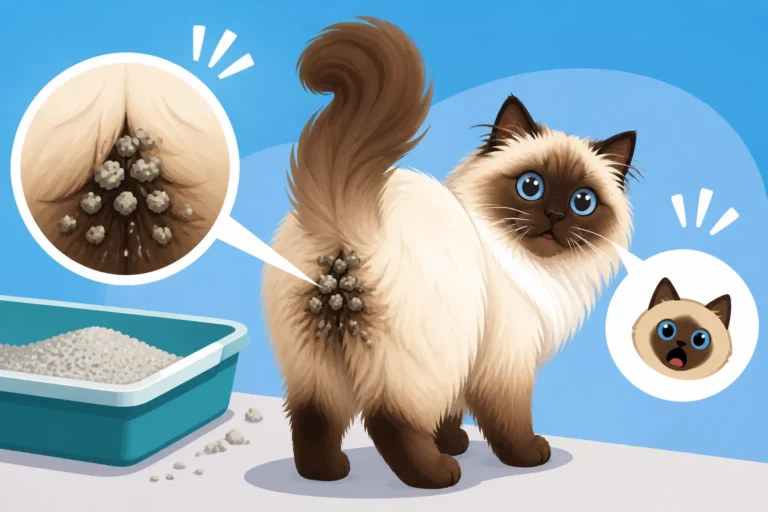
Treats are wonderful tools, but they shouldn't replace a balanced diet. Himalayans, with their compact bodies and often sedentary lifestyles, can be prone to weight gain. An overweight Himalayan faces increased health risks and can struggle with grooming, leading to mats and skin issues. It’s a delicate balance: you want to motivate them, but not at the expense of their overall health.
| Treat Type | Suitability for Himalayans (1-5, 5=best) | Palatability (General) | Ease of Eating for Flat Face | Caloric Density | Best Use |
|---|---|---|---|---|---|
| Freeze-Dried Meat | 5 | High | Excellent | Moderate-High | High-value reward, training, motivation |
| Soft Chews/Pâté Bites | 4 | Moderate-High | Very Good | Moderate | Daily rewards, positive reinforcement |
| Squeezable Lickable Treats | 5 | High | Excellent | Low-Moderate | Quick reward, distraction, hydration boost |
| Dental Chews (Hard) | 1 | Varies | Poor | Moderate | Avoid if possible; consider soft alternatives |
| Crunchy Kibble Treats | 2 | Moderate | Fair-Poor | Moderate | Limited use; small, easy-to-chew pieces only |
Always factor treats into their daily caloric intake. If you're using a lot of treats for training or engagement, reduce their main meal slightly to compensate. This is especially true given How Many Calories an Adult Himalayan Burns a Day, which is often less than you might think due to their low activity levels. Regular weight checks at home and during vet visits are crucial. Also, consider treats that offer some dental benefits if they are soft enough to be effective without posing a choking hazard or being too hard for their jaws. Your vet can advise on the best dental health strategies for a Himalayan’s unique mouth, which may include regular dental cleanings under anesthesia due to How Crowded a Himalayan's Lower Jaw Gets.
Treats to Approach with Caution (or Avoid Altogether)
While the world of cat treats is vast and exciting, not all options are created equal, especially when catering to the specific needs of a Himalayan. Being mindful of what you offer can prevent potential health issues and frustrating experiences.
Hard, Crunchy Treats
As we've touched upon, hard, crunchy treats pose significant challenges for Himalayans. Their brachycephalic skull structure means a shortened jaw and often misaligned teeth, making it difficult to properly grasp and crunch hard items. Bits of these treats can break off and become lodged in their gums or between crowded teeth, leading to discomfort, gum inflammation, or even infection. Imagine the tiny bits of food that get stuck in our teeth, and then picture that in a cat whose jaw is already compromised.
Beyond the physical difficulty, the effort required to eat hard treats might deter your Himalayan altogether. They're unlikely to come off the sofa for something that proves to be a struggle to consume. While some dental treats are marketed as beneficial, for a Himalayan, you need to be extra selective. If you're concerned about dental health, discuss with your vet the best options, which might include soft dental chews or focusing on regular dental cleanings. Remember, a treat should be a joyful reward, not a chore.
Treats with Questionable Ingredients
The pet food market is flooded with options, and unfortunately, not all of them prioritize your cat's health. Many mass-produced treats contain fillers like corn, wheat, or soy, artificial colors, flavors, and preservatives that offer little nutritional value and can sometimes trigger allergies or digestive upset. For a breed that already requires careful attention to its overall well-being, avoiding these "junk food" treats is paramount.
Always take the time to read the ingredient label. Look for treats with real meat as the first ingredient, and ideally, a short list of recognizable ingredients. If you can't pronounce it or don't know what it is, it's probably best to avoid it. High-quality ingredients are not only healthier but also often more palatable and potent in scent, making them more effective at motivating your discerning Himalayan.
Human Foods Not Suitable for Cats
It's tempting to share a bit of your meal with your beloved feline, especially when they gaze up at you with those big, soulful blue eyes. However, many human foods are not only unhealthy for cats but can be downright toxic. Items like chocolate, onions, garlic, grapes, raisins, and avocado are absolute no-gos. Even seemingly harmless foods like milk can cause digestive upset because most adult cats are lactose intolerant.
Stick to treats specifically formulated for cats. If you want to offer something from your kitchen, very small, plain cooked pieces of chicken, turkey, or salmon (without any seasoning, butter, or bones) can occasionally be offered as a high-value treat. However, these should be rare indulgences and not a regular part of their diet. When considering supplements or human-grade additions, remember the importance of their kidney health, especially if you're dealing with a cat that may have inherited the Persian kidney gene, as discussed in Living With a Himalayan That Inherited the Persian Kidney Gene. Always consult your veterinarian before introducing any new human foods or supplements to ensure they are safe and appropriate for your Himalayan's specific health needs. Your vet is the best resource for guiding decisions that impact your cat's sensitive system.
Ultimately, finding the perfect treat for your Himalayan is a journey of discovery. It’s about understanding their unique needs, respecting their laid-back personality, and using those delectable morsels as a gentle bridge to greater engagement and shared happiness. Whether it’s a quick reward for a grooming session or a gentle nudge off the sofa for a moment of connection, the right treat strengthens the bond you share with your magnificent, mellow companion.
Disclaimer
This article is for general informational purposes only and does not constitute professional advice. Laws, prices and regulations vary by location and change over time. Consult a qualified professional for guidance on your specific situation.