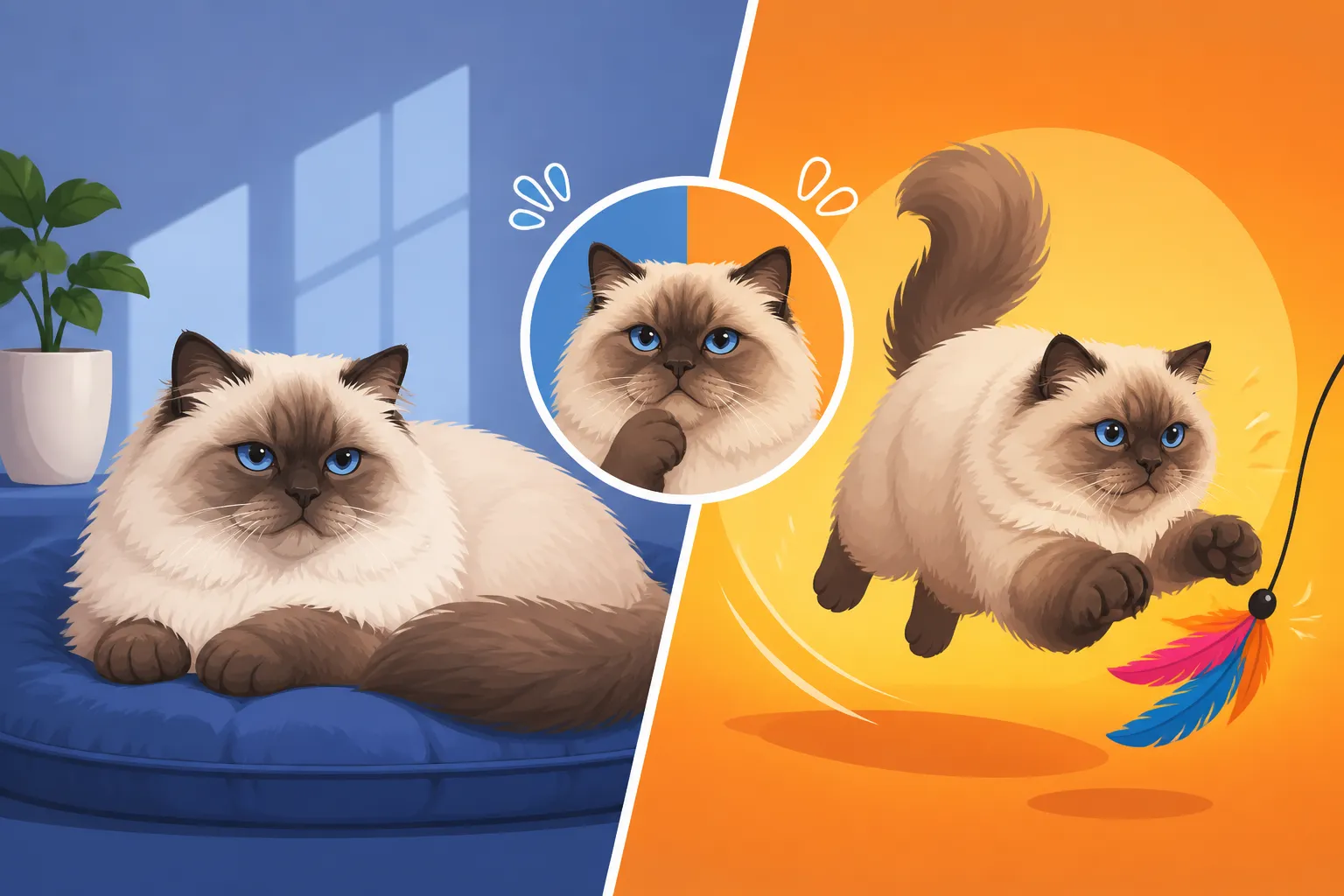
Whether a Himalayan Is as Inactive as It Looks
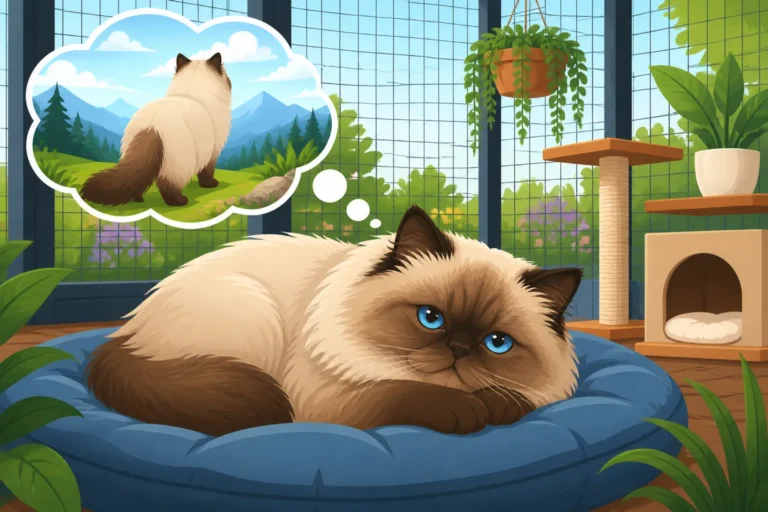
It's a common sight: a beautiful Himalayan cat, nestled deeply in a plush bed or stretched out regally on a sofa, looking like the very picture of serene inactivity. Many prospective owners, and even those already living with these magnificent felines, often wonder if their Himalayan is truly as sedentary as they appear, or if there's more going on beneath that luxurious coat. This guide will delve into the true activity levels of Himalayan cats, separating myth from reality, and offer insights into encouraging healthy, engaging lifestyles for these unique companions.
The Sedentary Myth vs. Reality: More Than Just a Pretty Face
Let's be honest, Himalayans look like they were designed for luxurious lounging. Their dense, long coats, their famously flattened faces, and their generally cobby, substantial build all contribute to an image of a cat perfectly content to be a decorative, albeit incredibly affectionate, piece of furniture. You might spend hours watching your Himalayan seemingly do nothing but blink slowly and reposition itself for optimal nap efficiency, leading you to believe that this is simply their inherent nature. However, while they certainly excel at relaxation, writing them off as completely inactive would be missing a significant part of their personality.
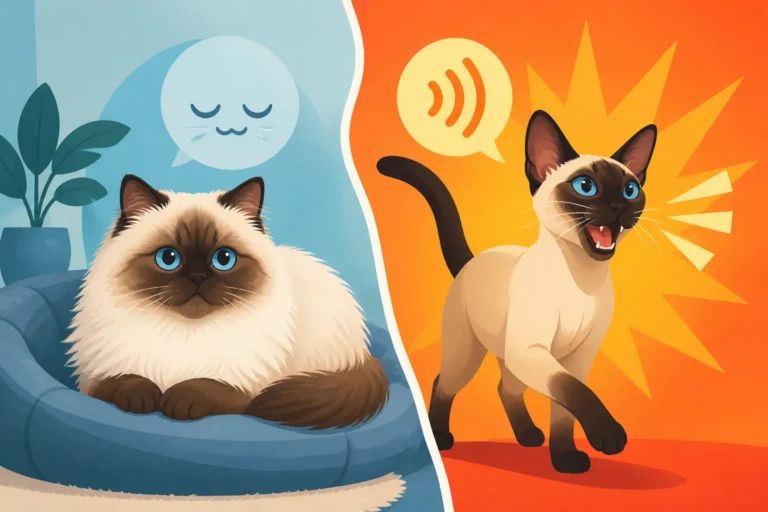
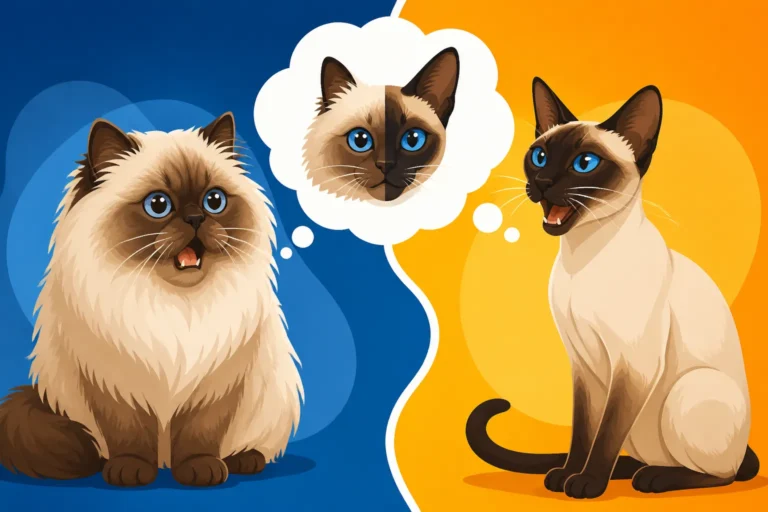
The truth is, Himalayans often have bursts of playful energy, albeit usually shorter and less intense than some of their more athletic cousins. It's a nuanced activity level, one that balances their Persian side's love for comfort with the playful spark inherited from their Siamese ancestors. They might not climb to the highest shelves or zoom through the house for hours on end, but they do enjoy engagement and mental stimulation. The key is understanding how and when they prefer to be active.
Why They Seem So Still
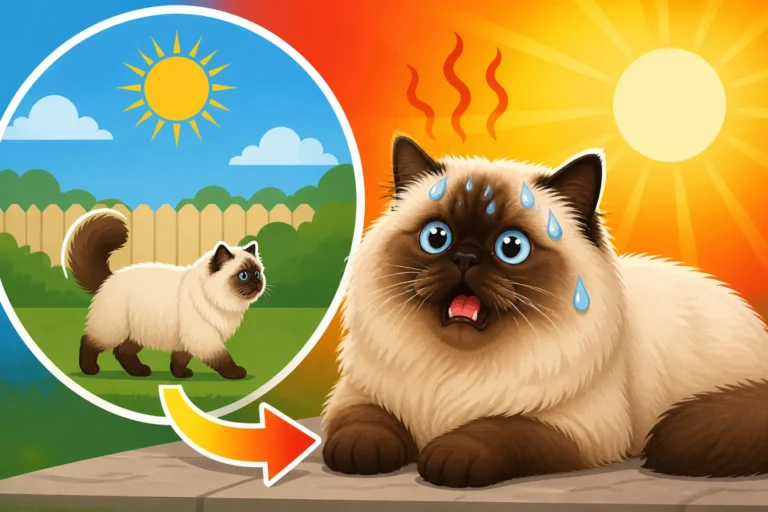
A big part of the "inactive" perception comes from the Himalayan's unique physical characteristics. That gorgeous, flowing Persian coat is a wonder to behold, but it also traps heat, making prolonged strenuous activity uncomfortable, especially in warmer environments. Imagine trying to run a marathon in a fur coat! This inherent insulation means Himalayans have a lower tolerance for heat and will naturally conserve energy to stay cool.
Beyond the coat, their brachycephalic (flat-faced) structure can sometimes lead to reduced airflow, making heavy exertion difficult. How a Himalayan Is Swabbed for the Persian Kidney Gene is one of the many health considerations that often lead breeders and owners to prioritize calm. Short legs and a sturdy body also mean they're not built for high-flying acrobatics. They prefer to keep all four paws closer to the ground, opting for comfortable, easily accessible spots. This isn't laziness; it's just their efficient way of existing within their physical limitations. They are masters of observing their domain from a comfy perch, rather than constantly patrolling it.
The Siamese Spark Within
While the Persian influence is undeniable in their physique and calm demeanor, let's not forget the Siamese contribution. This is where the unexpected bursts of playful energy, the keen intelligence, and even a certain vocal charm come from. What the Siamese Side Gave a Himalayan Besides Points is a fascinating read that highlights these inherited traits. A Himalayan might spend the morning napping, but then suddenly, a crinkly ball or a feather wand might ignite a playful pounce-and-bat session. These playtimes are typically shorter than those of a full-blooded Siamese, perhaps five to ten minutes of intense engagement before they decide it's time for another strategic nap.
It's a subtle vivacity. They might "talk" to you with soft trills and chirps, follow you from room to room just to be near, or even engage in a quiet game of "hide and seek" around furniture legs. They're observant, curious, and enjoy interaction on their own terms. So, if you've been wondering if your Himalayan is just a fluffy couch potato, try introducing a new toy or engaging them in a gentle play session. You might be surprised by the hidden energy ready to emerge.
Factors Influencing a Himalayan's Activity Level
It’s easy to generalize about a breed, but just like people, individual Himalayans have their own personalities and energy levels. However, several overarching factors significantly influence how active any given Himalayan cat might be. Understanding these can help you better meet your cat's needs and distinguish between natural calm and potential underlying issues.
Climate and Comfort
This is perhaps one of the most crucial factors for a Himalayan. Their dense, long coats, originally designed for cooler climates, make them incredibly susceptible to overheating. In a warm house, or during hot summer months, their activity levels will naturally plummet. They'll seek out the coolest spots – often a tile floor in the bathroom, or a shady corner – and minimize movement to regulate their body temperature. Why a Himalayan Overheats Twice as Fast as a Siamese really drives this point home.
If your Himalayan seems particularly sluggish, consider the ambient temperature. Is the house too warm? Providing cooling mats (you can find various options on Amazon), ensuring fresh, cool water is always available, and keeping them in air-conditioned spaces during peak heat can make a world of difference. You might notice a complete shift in their energy levels on a cooler day or in an air-conditioned room, demonstrating that their apparent inactivity is often a smart survival mechanism, not just a preference for napping.
Age and Health
Naturally, a spirited Himalayan kitten will be far more active than a senior cat. Kittens are bundles of fluff and boundless energy, exploring every nook and cranny. However, even as they mature, their overall activity will depend heavily on their health. Genetic predispositions, unfortunately, can impact a Himalayan's ability and desire to be active. Conditions like Polycystic Kidney Disease (PKD), inherited from their Persian lineage, or joint issues that can arise with age, can certainly reduce their zest for play. What Goes First in a Himalayan Past Twelve details how age affects them.
Regular veterinary check-ups are paramount. If your usually playful adult Himalayan suddenly becomes lethargic or avoids activities they once enjoyed, it's a signal to consult your vet. They can help rule out underlying health problems that might be causing discomfort or fatigue. Issues with breathing due to their flat face can also limit their stamina, making even short bursts of play taxing. A vet might suggest ways to manage these conditions, which could, in turn, help your cat regain some vitality.
Enrichment and Engagement
Even the most laid-back Himalayan benefits from mental and physical enrichment. A cat that is consistently bored with no opportunities for play or interaction may become truly inactive and listless, rather than just calmly observant. They might not demand constant attention, but regular, gentle engagement is key to their well-being.
Consider their inherited intelligence from the Siamese side. They enjoy interactive play, such as chasing a feather wand, batting at a crinkly toy, or solving a simple puzzle feeder. Without these outlets, their natural curiosity can wane, leading to a more profound state of inactivity. Providing a stimulating indoor environment, with safe, low perches, scratching posts, and rotating toys, encourages them to explore and engage with their surroundings. Even if it's just a few minutes of play a day, consistent interaction keeps their minds and bodies active.
Encouraging Healthy Activity for Your Himalayan
You want your fluffy companion to be healthy and happy, and that means finding ways to encourage appropriate activity levels without overexerting them. It's a delicate balance, but entirely achievable with a bit of understanding and the right approach.
Tailored Playtime
When it comes to playtime, think "short and sweet" rather than "long and intense." Himalayans do best with frequent, brief play sessions throughout the day. Instead of trying to get them to chase a laser pointer for twenty minutes, aim for three to five minutes of focused play, several times a day. This allows them to indulge their predatory instincts without becoming overheated or winded.
Wand toys with feathers or soft toys on a string are fantastic because they allow you to control the pace and keep the toy moving without your cat needing to run excessively. Look for durable, engaging wand toys on Amazon. Avoid games that require a lot of jumping or prolonged strenuous activity. When to End a Himalayan's Play Session is critical information to have. When you see them start to pant or slow down, it's time for a break. A good play session usually ends with a "kill" – letting them catch the toy – and then a treat, mimicking a successful hunt.
| Activity Type | Himalayan Suitability | Why It Works / Doesn't Work |
|---|---|---|
| Feather Wand Play | High | Mimics prey, controllable pace, low impact. |
| Laser Pointer | Medium-High | Engaging, but ensure they get to "catch" something real. |
| High Climbing | Low | Cobby build and short legs make high jumps difficult/risky. |
| Running/Zoomies | Medium | Short bursts are fine, but prolonged running causes overheating. |
| Puzzle Feeders | High | Great for mental stimulation, often low physical exertion. |
| Fetch (small toys) | Low-Medium | Some may enjoy, but less common for the breed. |
Creating a Stimulating Indoor Environment
Even if your Himalayan prefers to stay grounded, you can make their indoor environment more engaging. Consider low-profile cat trees or sturdy steps that lead up to a comfortable window perch. This allows them to survey their kingdom from a slightly elevated position without needing to perform athletic feats. Wide, stable platforms are much better than narrow, wobbly ones.
Puzzle feeders are another excellent way to provide mental stimulation and gentle activity. Since many Himalayans have flat faces, traditional deep puzzle feeders can be frustrating. Look for flatter, open-tray style puzzles or lick mats where they can easily access the food or treats. You can find many options designed for brachycephalic breeds by searching online retailers like Amazon. This makes mealtime an activity, engaging their minds and slowing down their eating without strenuous effort. Remember, a content Himalayan is one whose environment caters to their specific needs. Why a Himalayan's Face Rules Out Most Puzzle Feeders offers more details on choosing the right feeders.
Monitoring for Overexertion
Because of their unique physiology, it's absolutely crucial to watch for signs of overexertion. Unlike other breeds that might simply lie down when tired, a Himalayan can struggle with breathing if pushed too hard. Look for signs like open-mouth breathing, loud snoring, excessive panting, or lethargy immediately following a play session. When a Himalayan's Open Mouth Breathing Needs a Vet is a serious indicator that something is wrong and warrants immediate attention.
If you notice any of these signs, stop play immediately, move your cat to a cool, quiet spot, and offer fresh water. During warmer weather, consider placing a cool, damp towel nearby for them to lie on, or turn up the air conditioning. It’s always better to err on the side of caution and keep play sessions shorter and less intense than to risk your beloved pet becoming distressed.
Balancing Rest and Play: The Himalayan Way of Life
Ultimately, the question of whether a Himalayan is "inactive" comes down to perspective. They are not a high-energy, constantly moving breed like some others. Their activity is often more subtle, thoughtful, and punctuated by long periods of luxurious rest. This balance of quiet contemplation and sudden, joyful bursts of play is simply the Himalayan way of life.
The Art of the Nap
Embrace the nap! Himalayans are champions of comfort and rest. Their calm demeanor and love for cozy spots make them ideal companions for those who appreciate a peaceful household. Their extended periods of napping aren't a sign of ill health (unless accompanied by other symptoms), but rather a natural expression of their Persian heritage and a clever way to regulate their body temperature under their heavy coat. Providing multiple soft beds, warm blankets, and quiet, undisturbed resting places throughout your home will make your Himalayan incredibly happy. These cats thrive on routine and comfort, and a good nap schedule is central to that.
Regular Health Checks
While a certain level of calm is normal for a Himalayan, any significant or sudden change in activity level should always prompt a visit to your veterinarian. A cat that suddenly becomes more lethargic than usual, stops playing altogether, or shows reluctance to move could be experiencing discomfort or an underlying health issue. Regular check-ups, especially as they age, are vital to catch problems early. What a Himalayan's Yearly Bloods Should Cover After Eight is a good indicator of what to discuss with your vet as your cat matures.
A healthy Himalayan, even a calm one, should still have bright eyes, a good appetite, and periods where they engage with their environment or their favorite people. They might not be scaling curtains, but they'll be present, observant, and ready for a gentle head scratch or a quick game when the mood (and the temperature) is just right. Understanding and respecting their unique activity rhythms will ensure your Himalayan lives a long, comfortable, and truly enriched life.
Disclaimer
This article is for general informational purposes only and does not constitute professional advice. Laws, prices and regulations vary by location and change over time. Consult a qualified professional for guidance on your specific situation.