Whether Catnip Moves a Himalayan at All
It's incredibly common for Himalayan cat owners to wonder if their serene, often placid feline friend will ever react to catnip with the same wild abandon seen in other, more boisterous breeds. It can be a bit disheartening to sprinkle some out, only for your beautiful Himmie to give it a polite sniff and then casually walk away, perhaps to find a sunbeam for a nap. This guide will delve into the science of catnip, explore the unique temperament of Himalayans, and help you understand how to best interpret your cat's reaction, or even lack thereof, to this popular feline stimulant.
The Himalayan's Inherited Nature: Why They Might Be Different
It's easy to assume all cats react to catnip in the same enthusiastic way, but Himalayans often march to the beat of a different, much calmer, drum. Their unique genetic blend gives them a distinct personality that can profoundly influence how they respond to various stimuli, catnip included. You might have already noticed your Himalayan isn't exactly scaling the curtains or performing acrobatic feats, even on their most playful days. Their charm lies in their quiet companionship and regal composure.
The Persian Influence: A Legacy of Calm
Your Himalayan carries a significant genetic legacy from its Persian ancestors, and that means a strong predisposition for a more serene, dignified, and altogether laid-back lifestyle. Persians are renowned for their calm demeanor, often preferring a quiet lap to high-energy antics. They are masters of the art of relaxation, perfectly content to observe the world from a comfortable vantage point, such as a plush sofa or a favorite armchair. This inherent tranquility is a defining characteristic often passed down to Himalayans, making them generally less prone to sudden bursts of manic energy, even when presented with something that might excite other breeds. They’re often affectionately described as "furniture with fur" – beautiful, decorative, and deeply content in their stillness.
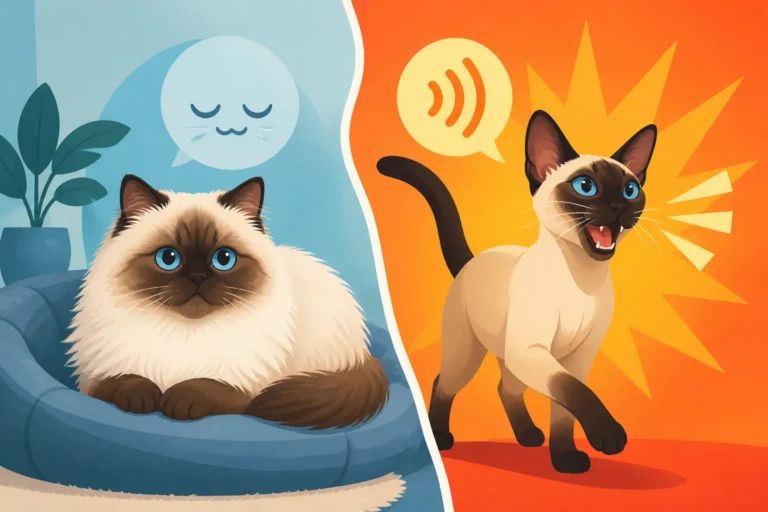
This calm disposition extends directly to their play habits. While Himalayans certainly enjoy interaction and will engage in play, it’s typically more measured and less intense than what you might expect from a more active cat breed. Think gentle batting at a feather toy or a slow-motion pounce, rather than a full-on wrestle or a frantic chase. This inherent peacefulness means that even if your Himalayan is genetically responsive to catnip, their reaction might be far more subtle than the dramatic displays you’d expect from, say, a high-octane Siamese. The Himalayan Is a Lap Cat That Answers Back perfectly encapsulates this aspect of their personality; they're present, they interact, but usually in a very relaxed, conversational way. Their activity levels, or lack thereof, might often lead you to wonder Whether a Himalayan Is as Inactive as It Looks.
The Siamese Spark: A Muted Enthusiasm
While the strong Persian side contributes heavily to their placid nature, it's vital to remember the Siamese heritage that gives Himalayans their distinctive point coloring and a touch of that famous Siamese personality. The Siamese is known for being highly intelligent, incredibly vocal, and notoriously playful, often maintaining a kittenish energy well into their senior years. So, where does that vivacious Siamese energy go in a Himalayan? It’s still there, just often…filtered and expressed differently due to the dominant Persian genes. You'll definitely find that How Much Livelier the Siamese Half Made the Himalayan is a fascinating subject.
This Siamese spark might manifest in a Himalayan as a slightly more interactive nature than a pure Persian, or a distinct penchant for "talking" to their owners with soft chirps, trills, and conversational meows. However, when it comes to physical exertion or over-the-top, frenetic reactions to stimuli, the Persian influence usually reigns supreme. So, while a Siamese might go absolutely wild for catnip, rolling, chattering, and running laps, your Himalayan's Siamese genes might just prompt a slightly more engaged sniff, perhaps a slow, deliberate roll, or a gentle head rub against the catnip source. It’s an internal enthusiasm, perhaps, that doesn't always translate into a grand external display. They might genuinely feel the euphoric effects but express them in a very understated way, quite different from their vocal and demonstrative Siamese ancestors. Their unique blend of energy means Why a Himalayan Plays Longer Than a Persian and Less Than a Siamese is a topic worth exploring.
The Science of Catnip: Why It's Not a Universal Language
The way cats react to catnip isn't solely about their breed or personality; it's fundamentally about their genetics and the unique chemical interaction that takes place in their bodies. It's by no means a guarantee that every cat will be swayed by its charms, and understanding why can help temper expectations when offering it to your beloved Himalayan.
Nepetalactone: The Chemical Enchantment
Catnip, botanically known as Nepeta cataria, is a common perennial herb belonging to the mint family. What makes it so utterly fascinating to many felines is a volatile organic compound it contains, called nepetalactone. When a cat sniffs catnip, the nepetalactone enters their nasal passages and binds to specialized olfactory receptors. These receptors then send signals directly to the cat's brain, specifically to areas responsible for emotions and behavior, such as the amygdala (involved in emotional processing) and the hypothalamus (which regulates many body functions, including pleasure and arousal). It's widely thought that nepetalactone mimics feline pheromones, which is why it can elicit such a strong, often intoxicating, response, frequently described as a temporary euphoria or heightened playfulness.
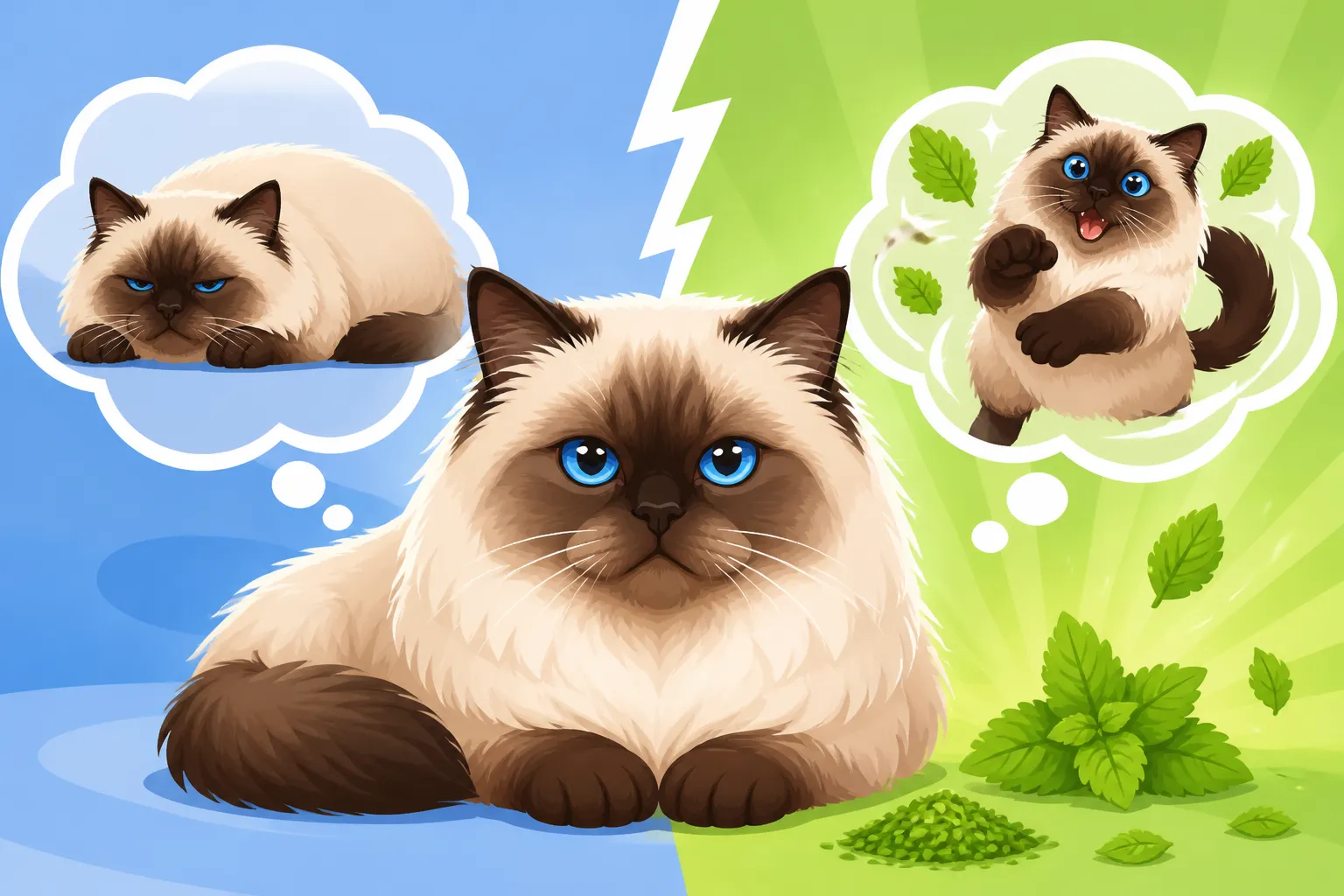
For cats that are responsive to catnip, this interaction can lead to a diverse range of behaviors. These might include rubbing their head and cheeks against the source, rolling around, licking, purring loudly, becoming more vocal, or sometimes even exhibiting a brief burst of energetic "zoomies." The effects are usually short-lived, typically lasting only 10 to 15 minutes, after which a cat becomes temporarily immune or desensitized to its effects for about an hour or more. It’s a potent, yet completely harmless, natural stimulant for those who have the right genetic predisposition, and thankfully, it's not considered addictive.
The Genetic Lottery: Not All Cats Are Chosen
Here's the crucial part, and it's a common misconception: not all cats are genetically predisposed to react to catnip. Scientific studies and anecdotal observations consistently suggest that only about 70% of cats actually inherit the specific gene that makes them susceptible to nepetalactone's effects. This means a significant 30% (or even slightly more) of the feline population will simply not react to catnip, no matter how potent or fresh it is. These non-responders might sniff it curiously, perhaps even taste it, but they won't experience that characteristic euphoric high, the rolling, or the sudden burst of energy. It's similar to how some humans have a strong reaction to cilantro, finding it delicious, while others perceive it as tasting like soap – it’s all down to genetic programming.
So, if your Himalayan gives catnip a tentative sniff and then walks away nonchalantly, or perhaps just observes it with mild interest, it's entirely possible they simply don't possess the "catnip gene." This isn't a reflection on their personality, your attempts to entertain them, or the quality of the catnip; it's just how their genetics are wired. Many Himalayan owners find their cats fall into this non-responsive category more often than with other, typically more boisterous breeds, further reinforcing their already calm and dignified disposition. This is also why understanding What a Himalayan Does All Day in One Chair is so important; their natural state is often one of quiet observation and contentment.
How to Observe and Interpret Your Himalayan's Catnip Response
When it comes to Himalayans and catnip, a dramatic, internet-meme-worthy reaction is almost always the exception, rather than the rule. It's less about expecting a wild spectacle and more about looking for subtle cues and understanding that their definition of "moving" or being "affected" might be very different from what you expect from a more overtly expressive cat.
Subtle Signals: The Quiet Euphoria
Don't go into this expecting your Himalayan to suddenly transform into a wild beast, tearing through the house. For many Himmies, if they respond at all, it's often a much more refined and understated affair. You might observe a soft rub of their cheek against the catnip-infused toy or sprinkle, a prolonged sniff with half-closed, contented eyes, or a deep, resonant purr that simply gets a little deeper and more consistent. Instead of frenetic rolling or manic licking, they might just settle down next to the catnip, perhaps putting a paw on it, seemingly soaking in the aroma with a serene, almost meditative expression. For them, it might be their version of a quiet, relaxing spa day.
Pay close attention to even tiny shifts in their behavior: a subtle twitch of the whiskers, a slower, more deliberate blink, or a slight change in their typically soft vocalizations – perhaps a gentle chirp or an extra-long trill. They might gently bat at a catnip toy, hold it delicately between their paws, and simply enjoy the sensory experience without the dramatic physical display. It's a quiet appreciation, a moment of heightened contentment rather than a burst of hyperactivity. This kind of calm engagement and thoughtful interaction is very typical of the breed, as they often prefer to observe rather than chase, a trait explored in Why a Himalayan Watches a Toy Rather Than Chase It. If you see these subtle signs, even if they're minimal, then yes, your Himalayan does move for catnip, just not in the overtly theatrical way you might have anticipated from other cat breeds.
Alternative Enrichments for the Unmoved Himalayan
If, after multiple attempts with different forms and potencies of catnip, your Himalayan remains utterly unfazed or simply gives it a bored glance, please don't despair! There are countless other wonderful ways to enrich their lives and provide valuable mental and physical stimulation. Remember, every cat is a unique individual with their own preferences, and what one finds utterly exciting, another might completely ignore.
Consider exploring other natural feline attractants that can elicit similar, or even different, positive responses. Silvervine is a fantastic option and is often effective for a higher percentage of cats who don't respond to catnip, with studies showing a greater number of cats reacting to it. Valerian root and dried honeysuckle wood are also popular and widely available alternatives, each capable of eliciting varied responses, from euphoria to mellow relaxation. You can often find various toys infused with these alternative attractants on reputable online platforms like Amazon, making them easy to source. For physical play, Himalayans usually prefer gentle, interactive games rather than strenuous exercise. Feather wands that mimic slow-moving prey, or crinkle balls they can bat around without too much exertion, are often big hits. Puzzle feeders designed specifically for flat-faced cats can also provide excellent mental stimulation and make mealtime a more engaging and thought-provoking activity. Just be sure to find ones with shallow dishes or wide openings to comfortably accommodate their unique facial structure, which is crucial for their comfort, as discussed in Which Puzzle Feeder a Himalayan Can Get Its Face Into. The overall goal is enrichment and engagement, tailored to their distinct personality and physical needs. For them, Which Wand Toys a Himalayan Can Actually Follow will be a game changer.
Best Practices for Introducing Catnip Safely and Effectively
Even with a naturally calm Himalayan, introducing new things, including catnip or other stimulants, should always be done thoughtfully and with care to ensure it's a positive and enriching experience for them. Their comfort and sense of security are paramount.
Choosing and Presenting Quality Catnip
It's important to understand that not all catnip products are created equal! The potency of catnip can vary widely depending on how it's grown, harvested, dried, and subsequently stored. When selecting catnip, always look for products that are clearly labeled as 100% natural, organic, and free from any artificial additives or chemicals. Fresh catnip plants, if you have access to them, can be particularly potent and delightful for many cats, but high-quality dried catnip flakes, finely ground catnip, and catnip sprays are also very popular and convenient options. Sprays can be particularly useful for refreshing older toys or stimulating interest in an item without creating a messy pile of loose leaves. When purchasing, whether from a local pet store or a major online retailer like Amazon, always check product reviews for brands that are consistently known for their freshness and potency.
When introducing catnip, start small and observe. Sprinkle a tiny pinch on a favorite blanket, rub a small amount onto a scratching post, or apply it to a designated catnip toy. Avoid dumping a large pile of catnip, as too much can sometimes overwhelm a sensitive cat, or simply be wasteful if they don't react. If you're using a catnip spray, one or two light spritzes are usually sufficient. Present the catnip in a calm manner and observe their initial reaction from a distance, allowing them to approach at their own pace and explore the scent on their own terms. It's crucial to never force your Himalayan to interact with it; their consent is key.
Creating a Serene Catnip Sanctuary
A Himalayan thrives on routine and absolutely flourishes in a calm, predictable environment. When you decide to introduce catnip or any new stimulant, ensure the setting is peaceful and quiet. This means avoiding loud noises, sudden movements, or other pets (if you have them) vying for attention or trying to steal the catnip. This calm atmosphere allows your Himmie to fully explore the new scent without feeling stressed, rushed, or anxious. Consider creating a dedicated "catnip zone" – perhaps a cozy spot on their favorite blanket or a plush cat bed, likely on the floor or a low, stable piece of furniture, since Why a Himalayan Stays on the Floor and the Sofa is a common trait. This designated area should be a place where they already feel safe, secure, and completely at ease.
Monitor their response closely and discreetly. While Himalayans are generally less likely to become overstimulated or overly energetic due to their inherent calm nature, any cat can have an unexpected reaction. If your Himalayan seems agitated, uncomfortable, overly aggressive (though this is rare with catnip), or tries to escape, gently remove the catnip and try again another day, or consider an alternative enrichment entirely. Remember, the primary goal is always enrichment and enjoyment, not frantic overstimulation. The effects of catnip are typically short-lived, and once the initial "high" wears off, your Himalayan will likely return to their usual, dignified, and perfectly relaxed self. The overall idea is to enhance their comfort and contentment, which is central to their well-being, especially for an animal that spends much of its time in thoughtful repose, as covered in How Often a Himalayan Notices Anything Has Changed.
Comparing Feline Attractants
Here's a quick overview of common feline attractants and how they might affect your Himalayan:
| Stimulant | Target Audience (Cats) | Common Reactions | Himalayan Likelihood | Where to Find (Example) |
|---|---|---|---|---|
| Catnip (Nepeta cataria) | ~70% of cats (genetic) | Rolling, rubbing, purring, zoomies, vocalizing, mellowing | Often muted or non-responsive | Pet stores, Amazon, garden centers |
| Silvervine (Actinidia polygama) | ~80% of cats (higher than catnip) | Licking, chewing, drooling, rubbing, kicking, purring | Good alternative for non-responders | Pet stores, Amazon, specialty cat toy shops |
| Valerian Root (Valeriana officinalis) | Many cats, often calmers | Euphoria, kneading, head-rolling, sometimes mellowing | Moderate; can induce calm or mild excitement | Pet stores, Amazon (often in toy form/sprays) |
| Honeysuckle (Lonicera tatarica) | ~50% of cats | Similar to catnip, but often less intense; rubbing, licking | Moderate | Specialty pet stores, Amazon (as wooden toys) |
Disclaimer
This article is for general informational purposes only and does not constitute professional advice. Laws, prices and regulations vary by location and change over time. Consult a qualified professional for guidance on your specific situation.