Whether a Himalayan Carries a Ball Back to Its Chair
It’s a common scenario for many cat owners: you toss a favorite toy, and your feline friend sprints after it, only to bat it around a bit before looking at you as if to say, "Your turn to get it!" But when it comes to the dignified Himalayan, the question of whether they'll actually bring that ball back to your waiting hand or their chosen lounging spot is a fascinating one, often leading to a mix of amusement and a little head-scratching. While some cat breeds are practically fetch champions, the Himalayan's unique blend of Persian tranquility and a hint of Siamese zest makes their approach to interactive play, especially retrieving, wonderfully distinctive. This guide will delve into the nuances of your Himalayan's play style, explaining why they might be more inclined to watch than retrieve, and how you can still enjoy engaging play that suits their charming personality and physical makeup.
The Himalayan's Play Style: More Observer Than Athlete
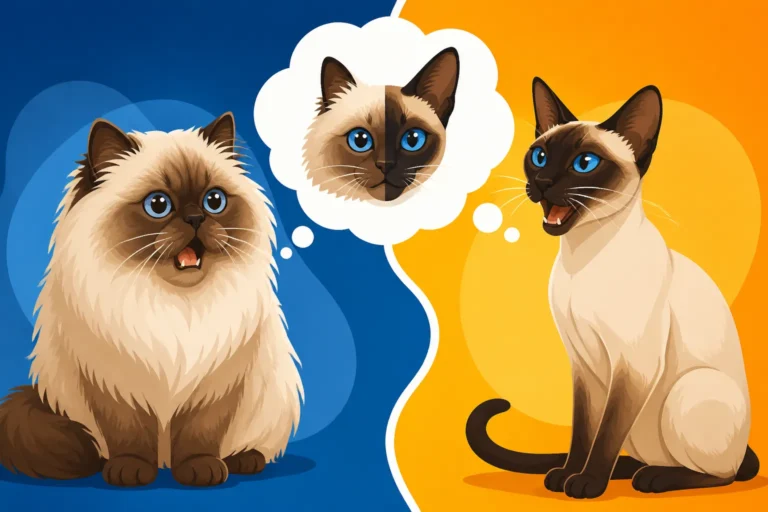
Himalayans are truly unique cats, a delightful blend of two very different feline worlds. They carry the majestic, placid demeanor of the Persian, but with a spark of the Siamese’s vocal and interactive nature. This genetic inheritance shapes everything about them, including how they approach play. While you might dream of a cat that brings you a toy repeatedly, your Himalayan often has a more nuanced, and dare I say, strategic view of playtime. They are often content to supervise the action from a comfortable perch, rather than be the star athlete themselves.
Siamese Spark, Persian Calm
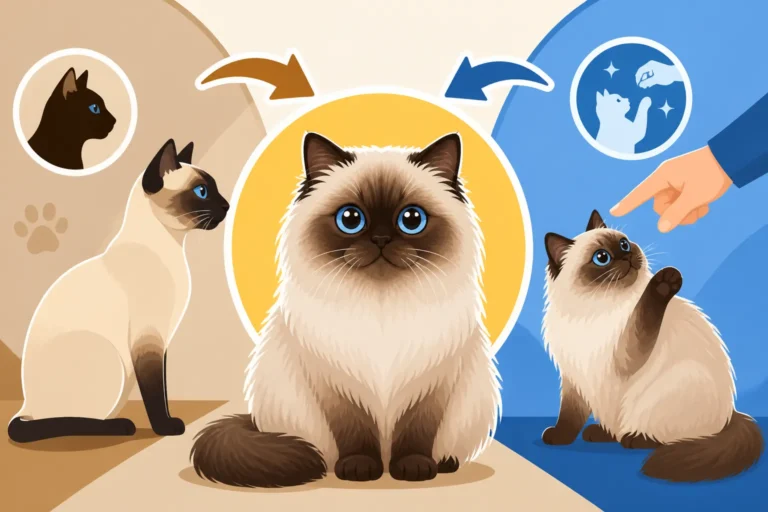
Think of your Himalayan as having a tiny, well-meaning Siamese engine tucked inside a luxurious, Persian chassis. That Siamese influence means they do possess an innate curiosity and a desire for interaction that you won't always see in a purebred Persian. They enjoy engaging with their humans, and you'll often find them following you from room to room, offering a soft chirp or a gentle head-bonk for attention. This is the spark that makes them interested in a tossed ball or a dangling wand toy.
However, the dominant Persian genetics often mean that this initial spark quickly gives way to a more reserved approach. They might pounce with surprising agility once or twice, chasing the ball with gusto, only to decide that the effort involved in a full retrieval, especially back to a specific spot like their chair, is simply not worth the exertion. Their inner Persian whispers, "Why run when one can recline?" This isn't laziness; it's a preference for efficiency and comfort, a hallmark of the breed.
Short Bursts of Enthusiasm
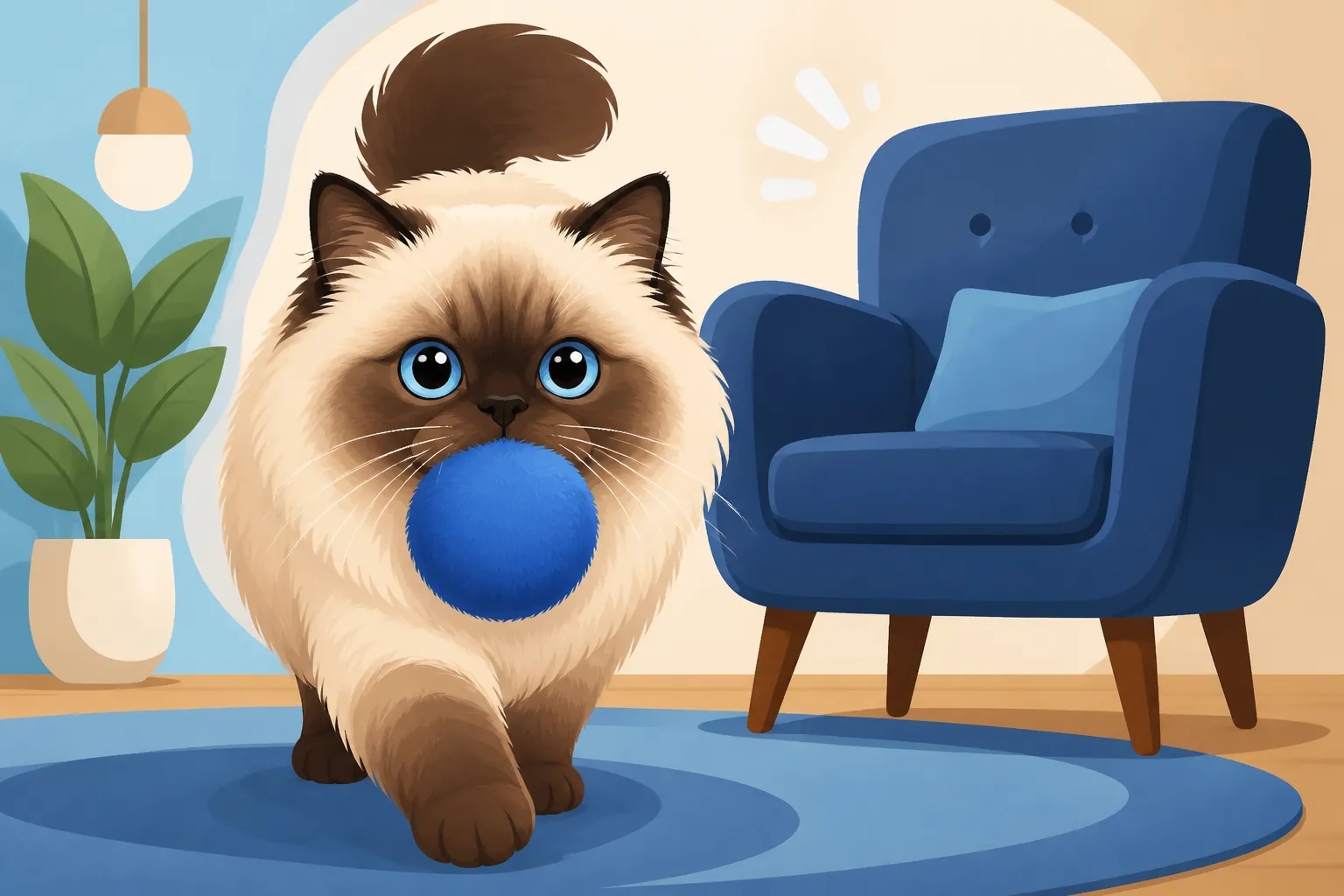
If your Himalayan does decide to engage with a tossed ball, prepare for bursts, not marathons. You'll often see them dash after it, perhaps bat it with a paw, maybe even carry it a short distance in their mouth – a true triumph! – before depositing it unceremoniously a few feet away. This is usually the extent of their "fetch" game. They've participated, they've shown their athleticism (briefly), and now it's time for a well-deserved rest or to survey their domain from a comfy spot. How Much Livelier the Siamese Half Made the Himalayan explains this interesting dichotomy in their energy levels.
These short, enthusiastic bursts are often tied to their natural hunting instincts. They enjoy the thrill of the chase and the "kill" of pouncing on the toy. The "bringing it back to you" part? That's less about instinct and more about learned behavior, and frankly, many Himalayans just don't see the personal gain in repeating the strenuous cycle. It’s a bit like us deciding we've had enough cardio for the day after one intense sprint.
The Art of Gentle Persuasion
So, how do you coax a Himalayan into being more interactive, even if a full retrieve isn't their default? It's all about gentle persuasion and making the game worth their while. Instead of expecting them to be a canine-like retriever, think of it as a collaborative effort. Try tossing the ball just a short distance away, close enough that they can reach it with minimal effort. When they pounce, instead of waiting for them to bring it back, praise them immediately and gently retrieve it yourself. This reinforces the positive association with the toy and the interaction, without placing an unrealistic demand on their energy or physical comfort.
Another technique is to make the "prize" enticing. Some Himalayans might be more inclined to engage if the toy has a treat-dispensing element, or if a small, irresistible treat appears magically near the ball after they've interacted with it. This taps into their motivation and can make the exercise feel less like work and more like a rewarding puzzle. Remember, with a Himalayan, you're not training a dog; you're inviting a regal companion to partake in an activity on their terms.
Physical Realities: Why Fetch is a Challenge for a Himalayan
Beyond personality, the Himalayan's unique physical characteristics play a significant role in why they might not be the most avid fetch players. These are practical considerations that impact their comfort and stamina, and understanding them is key to truly appreciating your cat's approach to play. It's not that they don't want to; it's often that their bodies aren't built for sustained, vigorous activity.
The Flat Face and Breathing Limits
The most prominent physical trait of many Himalayans, particularly the popular "Peke-face" variety, is their brachycephalic, or flattened, face. While undeniably adorable, this facial structure comes with inherent challenges. Their shortened nasal passages and sometimes elongated soft palates mean they don't breathe as efficiently as cats with longer muzzles. This significantly impacts their stamina, especially during exertion. Why a Himalayan Snores Louder Than Its Siamese Ancestors details these respiratory considerations.
Running, pouncing, and carrying a toy back can quickly lead to overheating and labored breathing. You might notice your Himalayan panting after just a few minutes of play, or even hear them breathing heavily. This isn't a sign of enjoyment; it's a sign they're struggling. A happy play session should never involve your cat gasping for air. This is why their play is often short-lived. They'll chase once or twice, then retreat to a cooler, calmer spot. It's their body telling them to take a break, and it's vital for us to listen. Why a Himalayan Pants After Five Minutes of Play further illustrates this crucial point.
The Long Coat's Burden
Himalayans are renowned for their magnificent, long, flowing coats. While beautiful, this luxurious fur is also quite warm, almost like wearing a heavy winter coat year-round. This adds another layer to their tendency to overheat quickly. Imagine trying to sprint around your living room in a full-length fur coat – it wouldn't take long before you'd be seeking the nearest cool surface!
Furthermore, that glorious coat can actually get in the way during play. Long hair around their face and under their chin can make it difficult to grasp and carry a ball comfortably. Their britches (the long fur on their hind legs) can also impede their movement, making quick sprints and tight turns less graceful and more cumbersome. They might try to carry a small ball, only for their long fur to brush against it, causing them to drop it. This can be frustrating for them and might deter them from attempting to retrieve. How Much Undercoat a Himalayan Carries Under Its Points helps you understand the sheer volume of that luxurious fur.
Cobby Body, Short Legs
Himalayans have what's known as a "cobby" body type – compact, heavily boned, and muscular, with relatively short, thick legs. While this gives them their distinctive sturdy appearance, it's not the most aerodynamic or agile build for sustained running and jumping. They are built for comfort and presence, not for speed.
Their shorter legs mean they have to work harder to cover the same distance as a longer-limbed cat. This, combined with their dense build, makes prolonged physical exertion more demanding. While they can certainly enjoy a quick pounce or a short chase across the carpet, expecting them to continuously fetch a ball from one end of the room to the other is asking them to perform outside their natural physical design. They prefer to conserve energy and move with a deliberate grace, rather than frantic speed.
Encouraging Play: When a Himalayan Might Surprise You
Even with their predispositions, Himalayans can be surprisingly playful, and many owners delight in discovering the specific triggers that get their particular cat moving. It's about understanding their individual quirks and tailoring play to their strengths and comfort levels, rather than imposing a human idea of what "play" should look like.
Food as a Motivator
Let's be honest, many cats are motivated by food, and Himalayans are no exception! This can be a powerful tool for encouraging interaction, even if it's not a full-on fetch. If your Himalayan shows minimal interest in a toy, try associating it with a high-value treat. For instance, toss a soft, lightweight ball a short distance. When they investigate it, immediately reward them with a tiny, irresistible treat. Over time, they might start to associate the act of engaging with the toy, even briefly, with a positive edible outcome.
You could even get a treat-dispensing toy that works with their flat face. Something that allows them to bat it around and have a small kibble or dried treat fall out. You can find many options suitable for flat-faced breeds on retailers like Amazon, designed with wider openings. This turns play into a rewarding activity where they get a clear benefit, rather than just expending energy for your amusement. Just be mindful of calorie intake, as Himalayans can be prone to weight gain.
The Bond That Moves Mountains (or Balls)
More than any specific toy or tactic, the bond you share with your Himalayan is often the strongest motivator for play. These cats thrive on companionship and routine. If they feel secure, loved, and engaged with you, they are more likely to participate in activities, even if it's just a modified version of fetch. A Himalayan might not bring the ball back for the sake of the ball itself, but they might bring it back (or at least towards you) to extend that precious interaction time with their favorite person.
Some Himalayans develop very personal rituals around play. For example, my own Himmy, Pudge, will only play with a specific crinkle ball, and only if I’m sitting on the sofa. He'll bat it, then look at me expectantly. If I don't throw it, he'll nudge it with his nose, then often walk away. If I throw it, he'll pounce, maybe carry it three feet, then drop it and wait for me to get it. It’s his version of fetch, and it’s a shared moment of connection. These unique interactions are where the true joy of owning a Himalayan lies.
Tailoring Play to Their Strengths
The key is to understand what your Himalayan can do comfortably and what they genuinely enjoy. Instead of trying to force them into a high-energy retrieval game, focus on play that suits their calm, observant nature and their physical capabilities. This might mean shorter play sessions, softer, lighter toys, and games that prioritize mental engagement over strenuous physical activity. When to End a Himalayan's Play Session reminds us to watch for those crucial cues.
Consider toys that don't require them to run extensively or carry heavy objects. Think about interactive toys that bring the action to them, or that they can bat from a reclining position. The goal is to make play enriching and fun, not an exhausting chore.
Alternative Play for Your Cobby Companion
Since traditional fetch might not be your Himalayan's forte, exploring alternative play methods can be incredibly rewarding. There are so many ways to engage their minds and bodies without pushing them past their comfort zone.
Wand Toys and Laser Pointers
Wand toys are an absolute godsend for Himalayan owners. They allow you to bring the "chase" to your cat without them having to move too much, or allowing them to control the pace. A feathered wand toy danced gently across the floor can ignite their predatory instincts, leading to impressive pounces and batting, all while you control the intensity. You can keep the play close to their favorite chair or bed, minimizing the need for extensive running. This allows them to engage their minds and bodies, burning off some energy without overheating. Which Wand Toys a Himalayan Can Actually Follow can give you some excellent ideas for suitable toys.
Laser pointers also fall into this category, offering a fantastic way to stimulate their hunting drive without any physical burden. The key with laser pointers is to always end the session by allowing them to "catch" a physical toy. Otherwise, the constant unfulfilled chase can lead to frustration. Direct the laser onto a soft mouse toy or a crumpled piece of paper, and let them pounce on it, feeling the satisfaction of a successful "kill." These types of toys are readily available on Amazon and are a great addition to any Himalayan owner's toolkit.
Puzzle Feeders for Mental Engagement
Himalayans are intelligent creatures, and mental stimulation is just as important as physical play. Puzzle feeders are a fantastic way to engage their minds, especially if they are food-motivated. These feeders require your cat to use their paws or nose to extract treats or kibble, turning mealtime into a game. However, with their brachycephalic faces, it's crucial to select puzzle feeders that are specifically designed for flat-faced breeds, with wide, shallow compartments or open designs that don't require them to push their face into a deep, narrow space.
Look for models that allow them to use their paws to swipe out treats from a tray, or shallow mazes where they can lick or nudge food. This not only provides mental enrichment but also slows down their eating, which can be beneficial for digestion. Many pet supply stores and online retailers offer a range of such feeders, and a quick search on Amazon will reveal several options that cater to cats with unique facial structures.
The Comfort of a Lap and Gentle Games
Sometimes, the best "play" for a Himalayan involves the simplest, most comfortable interactions. Many Himalayans are quintessential lap cats, preferring to be close to their humans. For these affectionate felines, a gentle game might involve simply dangling a soft toy over their paws while they are curled up on your lap. They might bat at it with a languid paw, purring contentedly, feeling completely engaged and loved.
Consider games that involve minimal movement but maximum interaction. Hiding treats under a blanket and letting them "hunt" them out, or a gentle game of "peek-a-boo" from behind a cushion, can provide entertainment without overexertion. The real enrichment for a Himalayan often comes from the consistent, loving presence of their human companion, combined with activities that respect their natural disposition and physical limitations. After all, a purring Himalayan on your lap is a reward in itself!
| Play Type | Himalayan Suitability | Why it Works / Doesn't Work |
|---|---|---|
| Fetch (Ball Return) | Low to Medium | Physical limitations (brachycephalic face, heavy coat, cobby build) often prevent sustained, enthusiastic return. More likely to bat or carry a short distance. Best for brief, close-range interaction. |
| Wand Toys | High | Engages hunting instinct without requiring strenuous running. Allows human to control pace and intensity, keeping play focused and comfortable for the cat. Great for stimulating pounces. |
| Laser Pointer | High | Stimulates chase reflex without physical contact, minimizing exertion. Remember to end with a physical toy catch to avoid frustration. |
| Puzzle Feeders | Medium | Excellent for mental enrichment and slowing down eating. Must be specifically designed for flat faces with wide, shallow openings. Look for options on platforms like Amazon. |
| Gentle Chase Games | Medium | Short bursts of play, like chasing a toy across the room, are fine, but always watch for signs of overheating or labored breathing. Keep sessions brief. |
| Interactive Apps | Medium | Tablet apps designed for cats (e.g., chasing fish or bugs on screen) can provide visual stimulation without physical effort. Good for quiet mental engagement. |
| Lap Play | High | Simple games with a dangling toy while the cat is relaxed on your lap. Focuses on gentle interaction and bonding rather than strenuous activity. |
| Treat Scavenger Hunt | High | Hiding small treats around a confined area encourages gentle exploration and engages their sense of smell and problem-solving without heavy exertion. |
Disclaimer
This article is for general informational purposes only and does not constitute professional advice. Laws, prices and regulations vary by location and change over time. Consult a qualified professional for guidance on your specific situation.