Whether a Himalayan Answers Back When You Speak
It's a common misconception that all cats are quiet, aloof creatures. Many cat lovers, especially those who adore the beautiful Himalayan, come to them with hopes of a chatty companion, only to sometimes find their feline friend is a bit more reserved than expected. If you've ever spoken to your Himalayan and felt like you were talking to a furry, blue-eyed wall, don't worry – you're not alone! This guide will explore how Himalayans "answer back" and help you understand their unique forms of communication.
The Unique Himalayan Voice: A Blend of Ancestry
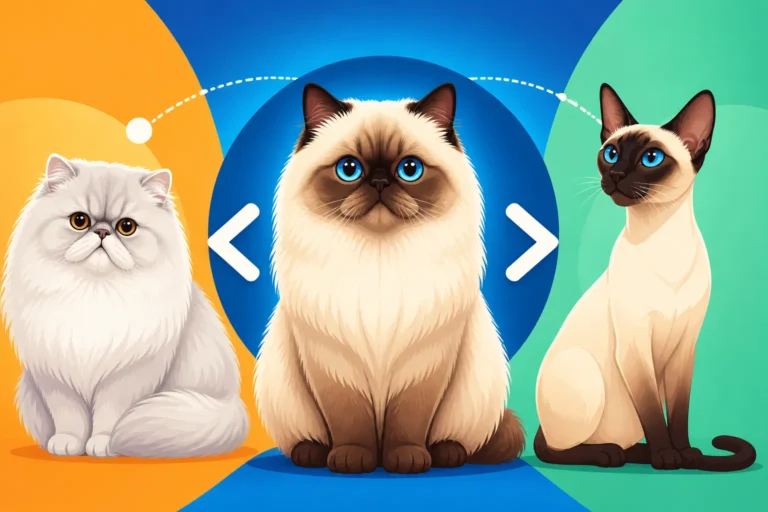
Himalayans are truly special cats, a wonderful blend of two distinct and beloved breeds: the vocal Siamese and the placid Persian. This genetic inheritance gives them a fascinating and often nuanced way of communicating. You might expect a booming voice like a Siamese or absolute silence like a classic Persian, but the truth, like most things with our furry friends, is wonderfully in between.
The Siamese Legacy of Vocalization
The Siamese cat is legendary for its voice. When you think of a chatty cat, a Siamese often comes to mind – they're known for their distinct, loud, and sometimes quite persistent meows, chirps, and even howls. This powerful vocal range served them well in their ancestral homes, allowing them to make their presence known and demand attention. The term "Siamese voice" isn't just a quaint saying; it's a real phenomenon, often described as sounding more like a baby crying than a typical cat meow.
When the Himalayan breed was first developed, crossing the Siamese with the Persian, the goal was to combine the Persian's long coat and stocky body with the Siamese's striking point coloration and beautiful blue eyes. What the Siamese also contributed, albeit in a somewhat diluted form, was that vocal tendency. So, your Himalayan carries that chatty gene, but it's typically much more subdued. They definitely aren't mute, but they've The Himalayan Kept the Siamese Voice and Lost the Volume. You won't often hear the piercing yowls that a purebred Siamese might unleash to tell you their bowl is half-empty, or that the world is, in fact, ending because you closed a door. Instead, you get a softer, more melodic range of sounds that are distinctly their own.
The Persian Influence: The Quiet Counterpart
On the other side of the Himalayan's family tree, you have the Persian, a breed renowned for its serene and often very quiet demeanor. Persian cats are known for being calm, dignified, and preferring to communicate through subtle gestures rather than a lot of noise. They might gaze at you intently, slowly blink, or gently rub against your legs to convey their needs or affection. A truly vocal Persian is actually quite rare, and most owners appreciate their quiet companionship. They're often considered the epitome of a "lap cat" that communicates more with a purr than a protracted conversation.
The Persian influence in the Himalayan means that while they can be vocal, they often choose not to be, or their vocalizations are naturally softer and less insistent. It's a balance. The Siamese gave them the capacity for voice, but the Persian mellowed it out, making it less of a constant presence and more of an occasional, gentle expression. This mix is why you'll find that Why a Himalayan Talks More Than the Persian It Descends From. They're certainly not the silent type, but they're not going to be demanding a lengthy dialogue every time you walk into a room, either. It’s a delightful paradox that creates a cat who engages on their own terms, often with a whisper rather than a shout.
Beyond the Meow: How Himalayans "Answer"
So, if your Himalayan isn't yapping at you constantly, how do they answer back when you speak to them? It's all about tuning into their unique communication style, which is often far more nuanced and subtle than you might expect. They are masters of quiet conversation, and once you learn their language, you'll realize they're "talking" to you all the time.
Chirps, Trills, and Soft Meows
While they may not have the booming siren of a Siamese, Himalayans are not silent. They often communicate through a delightful array of gentle sounds that are quite distinct. You'll frequently hear chirps and trills, which are soft, bird-like sounds often used as a greeting or a way to get your attention without being demanding. Imagine walking into a room and your Himalayan, nestled on their favorite cushion, offers a little "mrrp" or a rolling "prrrt" sound. This is their way of saying, "Hello, I see you, and I acknowledge your presence." It's a beautiful, polite way to engage.
These soft vocalizations are often heard when they’re excited about food, welcoming you home, or simply wanting a bit of affection. They might chirp as they wind around your legs or trill when you gently scratch their favorite spot behind the ears. This is a far cry from the insistent meows of some breeds, and it's something truly special to the Himalayan. Furthermore, many Himalayans do meow, but it’s often a very soft, almost breathy sound – sometimes referred to as a "whisper meow." You might see their mouth open as if letting out a loud cry, but only a tiny, almost inaudible sound comes out. It’s their way of trying to get your attention without being overwhelming. If you want to dive deeper into what these specific sounds mean, check out What a Himalayan Is Saying When It Chirps. They really do have their own little vocabulary.
Body Language as a Primary Dialogue
For a Himalayan, actions often speak louder than words, or at least, quieter actions speak volumes. Their body language is a rich and complex system of communication that forms a significant part of how they "answer" you. Think of their slow blink, for instance. When you speak to your Himalayan and they look at you, slowly closing and then opening their eyes, that's not just a sleepy gesture; it's a profound sign of trust and affection, essentially a cat kiss. It's their way of saying, "I feel safe with you, and I love you."
Beyond the slow blink, pay attention to their tail. A gentle, upright tail with a slight curl at the tip often means they're happy and approachable. A slow, deliberate swish of the tail might indicate curiosity or a thoughtful "I'm considering what you're saying." Their ears are also crucial indicators – flattened ears mean irritation or fear, while forward-facing, relaxed ears show they're engaged and listening. If you ask them a question and they lean into your touch, or gently nudge your hand with their head, that's a definite "yes, I hear you, and I'd like more interaction." They're very tactile in their responses. Understanding How a Himalayan Shows Displeasure Without Moving can also help you recognize when they're communicating a boundary, even without a sound.
Purrs and Head Nuzzles: Affectionate Replies
Perhaps the most universally understood form of feline communication, and one that Himalayans excel at, is the purr. When you speak to your Himalayan and they respond with a deep, resonant rumble, that's a clear answer: "I'm happy, I'm content, and I appreciate your attention." A Himalayan's purr can be incredibly powerful, a vibrating symphony of happiness that fills their entire body. It’s an undeniable sign of affection and comfort, and a sure way to know they're enjoying the conversation, even if they aren't verbally contributing.
Beyond the purr, Himalayans frequently engage in head nuzzling or "bunting." This is when they rub their head, cheeks, or chin against you. This isn't just a sign of affection; it's also a way for them to mark you with their scent glands, claiming you as part of their safe and beloved territory. When they offer a head nuzzle in response to your voice, they're essentially saying, "You are mine, I love you, and I'm comfortable enough to share my scent with you." It’s a very intimate form of communication and a beautiful way they "answer" your words with a physical embrace. It shows a level of trust and contentment that speaks volumes, even when they're not meowing. Why a Himalayan Purrs More Than It Meows is a great read if you want to understand this common trait even better.
| Vocalization Type | Siamese Characteristic | Himalayan Characteristic | Meaning/Context |
|---|---|---|---|
| Meow | Loud, demanding, frequent | Soft, often silent, infrequent | Attention, hunger, greeting |
| Yowl/Howl | Persistent, penetrating, often seeks mate | Very rare, usually distress or pain | Distress, territorial, heat (Siamese) |
| Chirp/Trill | Common, conversational | Common, gentle | Greeting, calling kittens, mild curiosity |
| Purr | Strong, often loud | Deep, rumbling, consistent | Contentment, affection, comfort |
| Chatter | When spotting prey | Less common, softer | Frustration, hunting instinct |
Encouraging Conversation and Building Connection
While Himalayans aren't typically the most vociferous of breeds, that doesn't mean you can't encourage them to "talk" to you more. Building a strong bond and understanding their preferences can go a long way in fostering more responsive interactions. It's about creating an environment where they feel safe and understood, which in turn makes them more willing to express themselves.
Consistent Interaction and Gentle Tones
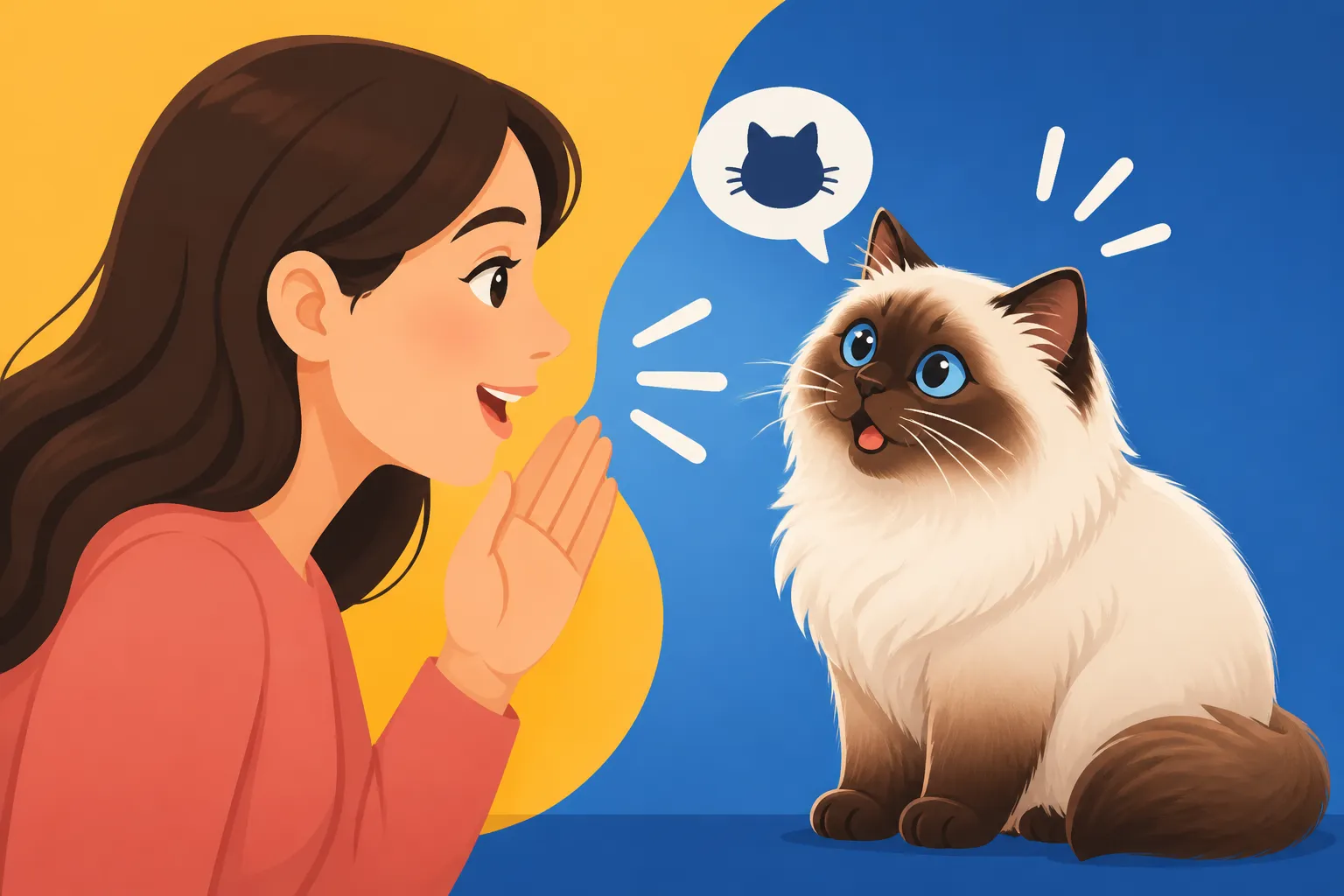
One of the most effective ways to encourage your Himalayan to "answer back" is simply to speak to them regularly. Use a calm, soft, and reassuring voice. Cats are very attuned to tone, and a gentle cadence is much more inviting than loud, sudden noises. Try narrating your day to them as you go about your chores – "Good morning, Mittens, time for breakfast!" or "What do you think of this weather, fuzzy one?" Even if they don't respond verbally every time, they are listening and processing.
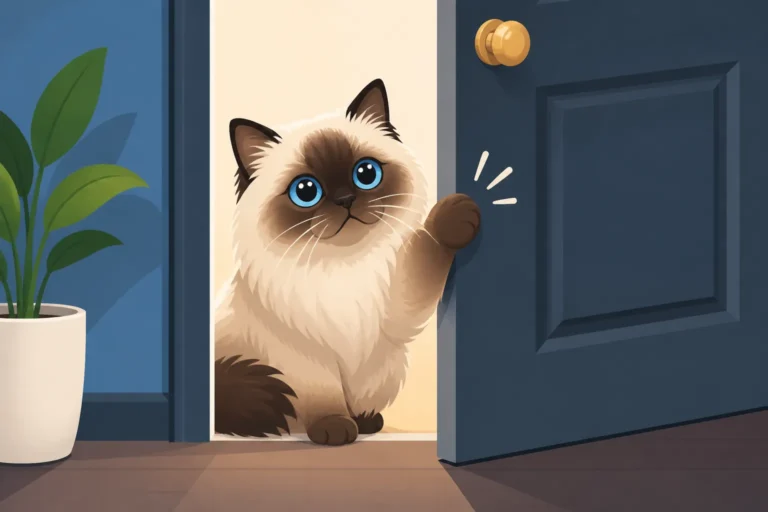
Consistency is key. If you always use a certain phrase before giving them a treat, they'll associate that sound with a positive outcome and might offer a chirp or a soft meow in anticipation. For instance, my own Himalayan, Mr. Fluffington, knows that a specific high-pitched "who's a good boy?" means he's about to get his favorite salmon treat. He'll often respond with a little "mrrrow" and a head rub. Creating these small, routine moments of conversation, such as during grooming or meal times, can really open up their willingness to engage. Remember, they thrive on predictability, so a consistent voice in their life is a comforting thing. If you want to know more about how they express their needs, consider reading How a Himalayan Asks to Be Let Into a Room.
Observing and Responding to Their Cues
To truly engage in a "conversation" with your Himalayan, you need to be a keen observer of their subtle cues. Since they rely heavily on body language and soft vocalizations, it's up to us to learn their unique dialect. Did they twitch an ear when you called their name? That's an answer! Did they offer a slow blink when you complimented their fluffiness? That's another! The more you acknowledge and respond to these subtle signals, the more they will learn that their efforts to communicate are understood and appreciated.
For example, if they offer a gentle trill when you enter a room, trill back softly. If they rub against your leg, offer a gentle pet and a soft word. These responsive behaviors reinforce their communication attempts. You can also use interactive play to encourage more vocalizations. Many Himalayans enjoy wand toys that mimic prey. As they "hunt" and pounce, they might let out little chirps of excitement. You can find a fantastic array of these types of toys on Amazon, from feather wands to crinkle balls, that can help stimulate their playful and vocal side. Building this shared language makes them more confident in expressing themselves, knowing you're listening. How Often a Himalayan Uses the Voice It Inherited can give you even more insight into their vocal habits.
Creating a Safe, Engaging Environment
A Himalayan cat's willingness to "answer back" is intrinsically linked to their overall sense of security and contentment in their environment. A cat that feels safe, loved, and stimulated is far more likely to engage with you, both verbally and non-verbally. This means creating a home that caters to their specific needs.
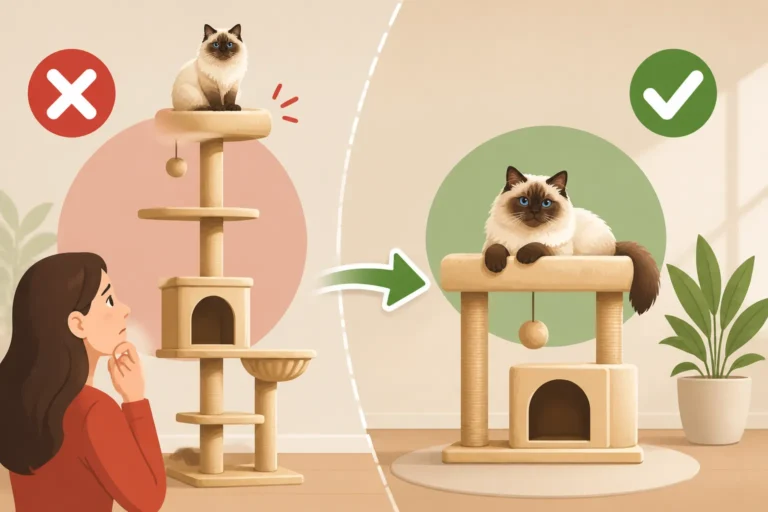
Firstly, a calm and predictable home environment is crucial. Himalayans, with their mellow Persian side, appreciate routine and can become unsettled by too much noise or sudden changes. A consistent daily schedule for feeding, playtime, and quiet cuddle time will make them feel secure and more open to interaction. Secondly, ensure they have plenty of comfortable, elevated spots where they can observe their surroundings without feeling exposed. A cozy cat tree with wide platforms (you can find many suitable options on Amazon) or a soft bed on a sunny windowsill provides them with their own personal "safe zones." When they feel relaxed and confident in their territory, they are much more inclined to express their contentment through purrs, gentle chirps, and subtle body language. This holistic approach to their well-being will naturally lead to a more communicative and connected companion.
Factors That Influence a Himalayan's Responsiveness
It's important to remember that not all Himalayans are built exactly the same, and various factors can influence how much they "talk back" to you. Just like people, cats have their own personalities and circumstances that shape their behavior. Understanding these elements can help you better interpret your cat's communication style and manage your expectations.
Individual Personality and Socialization
While breed characteristics give us a general idea, every Himalayan is an individual, complete with their own unique personality quirks. Some Himalayans might naturally be more outgoing and prone to soft chirps and meows, while others might be incredibly reserved and communicate almost exclusively through subtle body language. Think of it like a human family – siblings might share traits, but they're still distinct individuals.
Early socialization plays a huge role in shaping a cat's personality and their comfort with vocalizing. A kitten who was raised in a stimulating environment with lots of human interaction and exposure to various sounds and experiences is often more confident and therefore more likely to engage. If a Himalayan had a particularly vocal mother, they might pick up some of those habits through observation. Conversely, a cat from a quieter lineage or one that experienced less early interaction might be naturally more reserved. Don't push them to be something they're not; instead, appreciate the unique way your Himalayan chooses to connect.
Health and Comfort Levels
A cat's physical well-being significantly impacts their vocal behavior. A healthy, comfortable Himalayan is more likely to engage in their usual pattern of chirps, purrs, and soft meows. However, a sudden change in their vocalization – either becoming much louder and more persistent, or unusually quiet – can be a red flag that something is amiss. For instance, increased, insistent meowing might indicate pain, hunger, or anxiety. A cat that suddenly becomes very quiet and withdrawn could also be unwell or experiencing discomfort.
Because Himalayans are known for being stoic, sometimes even seeming expressionless, they can be particularly adept at hiding illness. Why a Himalayan Hides Illness Behind an Expressionless Face is a critical read for any owner. It's crucial to pay attention to subtle changes. If your typically quiet Himalayan suddenly starts crying out, or your more vocal one suddenly goes silent, it's always wise to consult your veterinarian. Their comfort directly correlates with their willingness to interact and communicate, so ensuring they're feeling their best is paramount.
Routine and Predictability
Himalayans are creatures of habit. They thrive on routine and predictability, and a stable environment makes them feel secure, which in turn influences their communication. When their daily schedule for meals, playtime, and human interaction is consistent, they feel more in control and are more likely to express their needs and contentment. If you consistently feed them at the same time each day, they might start offering a soft meow or a hopeful gaze when that time approaches. Why a Himalayan Expects to Be Fed at the Same Hour highlights just how important this is to them.
On the other hand, disruptions to their routine can make them anxious or withdraw. A new schedule, a change in environment, or even just guests in the house can make a usually chatty Himalayan become quiet. They might retreat to a favorite spot and communicate less, simply observing the changes until they feel secure again. Using tools like automatic feeders (many reliable options are available on Amazon) can help maintain mealtime consistency even if your own schedule is a bit erratic, contributing to their overall sense of security and encouraging their usual forms of communication. They appreciate knowing what to expect, and that predictability helps them feel confident enough to "answer back" in their own charming way.
Disclaimer
This article is for general informational purposes only and does not constitute professional advice. Laws, prices and regulations vary by location and change over time. Consult a qualified professional for guidance on your specific situation.