Getting a Himalayan Used to Having Its Face Wiped
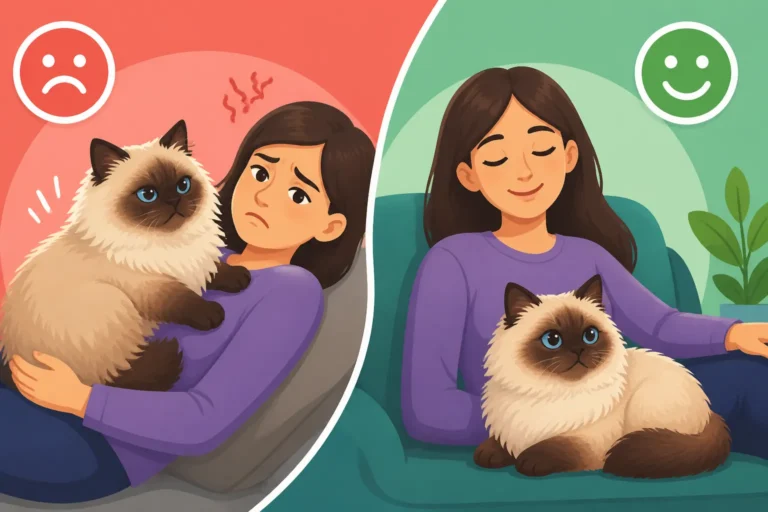
If you're a Himalayan cat parent, you know that beautiful, luxurious coat and those expressive, round blue eyes come with a bit of a daily commitment. One of the most common frustrations we all face is keeping their sweet faces clean, especially around the eyes and nose. It often feels like a losing battle against tear stains and dampness, and trying to wipe a reluctant cat’s face can feel like wrestling a fluffy, indignant cloud. This guide is here to walk you through how to gently and effectively get your beloved Himalayan used to having their face wiped, transforming a chore into a comfortable, even enjoyable, part of your daily bonding.
Understanding the Himalayan's Unique Facial Needs
Let's be real, a Himalayan's face is utterly adorable, but it's also a design marvel that needs a little extra care. Their distinctive features, which make them so captivating, are precisely why face wiping isn't just a nicety – it's an essential part of their health and comfort.
Why Face Wiping is Non-Negotiable for Himalayans
The reality is that a Himalayan’s flat face often means their tear ducts aren't quite as efficient at draining tears as those of cats with longer muzzles. This leads to a constant dampness around their eyes and nose, creating a perfect breeding ground for bacteria and yeast. You might notice reddish-brown stains, especially on lighter-colored Himalayans, or a slight odor if the area isn't kept meticulously clean. This isn't just an aesthetic issue; persistent dampness can lead to skin irritation, infections, and discomfort for your cat. Imagine having a perpetually wet, slightly itchy area on your face – it wouldn't be pleasant for long. This is why neglecting the daily face wipe can quickly escalate from a minor annoyance to a significant health concern. Think of it as preventative care; a few minutes a day can save you and your cat a trip to the vet and a lot of suffering.
Beyond the visible tear stains, many Himalayans also have a pronounced nose fold, that adorable wrinkle right above their little nose. This fold, while cute, can trap moisture, food particles, and debris, becoming another hotspot for bacterial growth. If this area is left damp, it can lead to a condition called fold dermatitis, which is essentially a skin infection. It can be quite painful and itchy for your cat, making them rub their face and potentially cause further irritation. Regular, gentle cleaning ensures these hidden areas stay dry and healthy. It's not just about wiping away the visible tears; it's about addressing the deeper structural reasons why those tears accumulate in the first place. This proactive approach ensures your Himalayan stays comfortable and avoids unnecessary medical issues, reinforcing why The Morning Face Routine Every Himalayan Needs is so critical.
The Physical Challenges of a Himalayan's Face
The brachycephalic, or "flat-faced," nature of the Himalayan cat is what gives them their distinctive and often cherished appearance, but it also presents specific anatomical challenges that directly impact the need for face care. Their shortened skull means their tear ducts don't follow the same path as a longer-muzzled cat. Instead of draining efficiently into the nasal cavity, tears often overflow onto the fur below the eyes. This overflow is a primary cause of those notorious tear stains and the constant dampness. It’s not necessarily a sign of a problem, but rather a normal consequence of their facial structure. Understanding this helps us approach their care with empathy, recognizing that they aren't being "dirty" but are simply built in a way that requires our assistance.
Furthermore, a Himalayan's large, prominent eyes, often a stunning deep blue, are more exposed than those of other breeds. This increased exposure makes them more susceptible to dust, debris, and environmental irritants. The eyelids might not always fully close, or minor structural variations can lead to conditions like entropion, where the eyelid rolls inward, causing eyelashes to rub against the cornea. While daily wiping won't fix structural issues, it certainly helps remove irritants that could exacerbate discomfort or lead to secondary infections. It's a delicate balance of providing protection without causing further irritation. For example, if you notice one of your Himalayan's eyes half-closing more often than usual, it could be a sign of irritation or even a corneal ulcer, highlighting why regular, close examination during face wiping is so valuable. This regular interaction also allows you to spot issues early, like the specific problems that can arise when What Entropion Does to a Himalayan's Blue Eye.
The Right Tools for a Gentle Face Routine
Approaching your Himalayan with the wrong tools can turn a necessary routine into a battle. Choosing the right products isn't just about effectiveness; it's about making the experience as comfortable and non-threatening as possible for your sensitive feline friend.
Essential Wipes and Cleaning Solutions
When it comes to cleaning solutions, less is often more. You want something gentle, non-irritating, and specifically formulated for cats, ideally for the delicate eye area. Many products on the market claim to "remove tear stains" but often contain harsh chemicals or bleaching agents that can be harmful if they get into your cat's eyes or are ingested. I've found that simple, lukewarm filtered water is often the best and safest first line of defense. For more stubborn stains or daily maintenance, look for natural, hypoallergenic solutions with ingredients like colloidal silver or boric acid, which are known for their gentle antiseptic properties. Always check the ingredient list carefully and opt for solutions recommended by veterinarians or reputable breeders. You might find a good selection of specialized wipes and gentle solutions on platforms like Amazon, where you can read reviews from other cat owners who understand the unique needs of Himalayans.
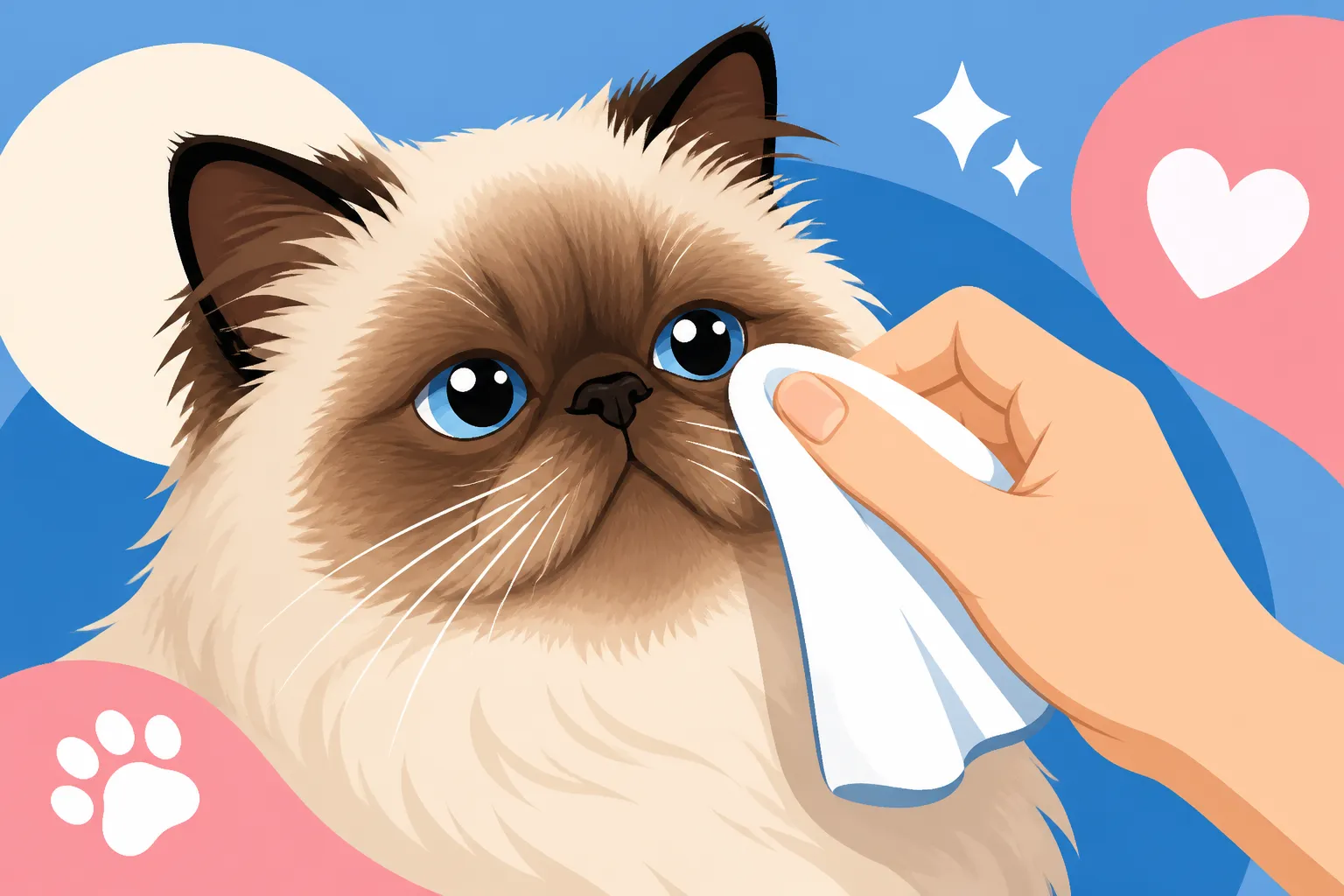
Pre-moistened wipes can be incredibly convenient, especially for quick touch-ups or when traveling. Again, choose those specifically designed for cats' faces and eyes, ensuring they are free from alcohol, perfumes, or harsh chemicals. Some brands offer wipes infused with soothing aloe vera or witch hazel, which can be beneficial. However, always do a patch test on a small area first to ensure your cat doesn't have a sensitivity. If you prefer to use a liquid solution, make sure it’s tearless and pH-balanced. Applying a small amount to a cotton pad or soft cloth gives you more control and helps avoid getting excess liquid into their eyes. The goal isn't to scrub away the stain aggressively, but to gently loosen and wipe away the accumulation, preventing new stains from forming and keeping the area clean.
Choosing the Right Cloths and Swabs
The material you use to wipe your Himalayan's face is just as important as the cleaning solution. Rough textures can cause irritation, and lint can get into their eyes, leading to discomfort or even a trip to the vet. Cotton rounds, like those used for human facial care, are often a good choice because they are soft, absorbent, and less likely to shed fibers. You can also find specialized pet grooming cloths, usually made of ultra-soft microfiber, that are gentle on sensitive skin. These are often reusable and can be washed and air-dried, making them an economical and eco-friendly option over time. Just make sure to dedicate separate cloths for face wiping to avoid cross-contamination with other grooming tools or household cleaning items.
For getting into those tricky, tiny areas, especially around the nose fold or the inner corner of the eyes, cotton swabs (Q-tips) can be useful. However, use them with extreme caution. They should only be used on the outside of the eyelids and around the nose fold, never directly inside the eye or ear canal. Dampen the swab slightly with your chosen solution or water, and gently roll it over the stained area rather than scrubbing. The idea is to lift away debris and moisture without applying pressure. If you're ever unsure about using a particular tool, err on the side of caution and consult your vet or a professional groomer. Remember, this isn't about deep cleaning, but rather a consistent, gentle maintenance routine that respects the delicate nature of your cat's face.
Starting Early: Training a Himalayan Kitten
The absolute best time to introduce face wiping (and all grooming routines!) is when your Himalayan is a kitten. Kittens are naturally curious and much more adaptable than adult cats, making them far more receptive to new experiences, especially when those experiences are consistently positive.
The Importance of Early Desensitization
Think of it like teaching a child to brush their teeth or get their hair cut – the earlier you start, and the more positive you make the experience, the less resistance you'll face down the line. For a Himalayan kitten, their little face is already prone to dampness and staining, so starting a gentle wiping routine from the moment they arrive home is paramount. By desensitizing them early, you're not just preventing future battles; you're actively safeguarding their long-term health and comfort. A kitten that accepts face handling will be much easier to examine for potential issues as they grow, and much less stressed during vet visits or if they ever need medication applied to their eyes. It really sets the foundation for a lifetime of cooperative care.
Moreover, early desensitization isn't just about the physical act of wiping; it's about building trust and a positive association with handling. Your kitten will learn that your touch is gentle, predictable, and often leads to good things (like treats!). This bond of trust is invaluable for all aspects of their care, from combing their magnificent coat to clipping their claws. You're teaching them that being held and groomed by you is a safe and even pleasant experience, rather than something to fear or fight against. This proactive approach with kittens dramatically reduces the likelihood of developing deeply ingrained fears or aggressive behaviors around grooming later in life, making it a crucial step in raising a well-adjusted and easy-to-care-for Himalayan, much like teaching them to accept a comb from a young age, as discussed in Getting a Himalayan Kitten Used to the Comb.
Gentle Introduction and Positive Reinforcement
When starting with a Himalayan kitten, keep sessions very short, just a few seconds at a time. Begin by simply touching their face gently with your fingers, especially around the eyes and nose, while offering praise and a high-value treat. Don't even introduce a wipe yet. The goal is purely to get them comfortable with your hands near their face. Once they tolerate this, introduce a soft, slightly damp cotton pad or wipe. Lightly dab, don't rub, one small area. Immediately follow with a treat, lavish praise, and release them. The key is to end the session before they show any signs of irritation or struggle, leaving them with a positive memory. You want them thinking, "Oh, that was quick, and I got a yummy treat!" rather than "Ugh, here we go again."
As they become more accustomed, gradually increase the duration and coverage. Maybe one eye today, then both eyes tomorrow, then add a quick dab around the nose fold. Always keep it brief and positive. If they pull away or seem uncomfortable, back off immediately and try again later, or shorten the session even more. Never force them or raise your voice, as this will only create negative associations and make future attempts harder. Consistently pairing the wiping with their favorite treats, a special toy, or even a few minutes of playtime afterward will reinforce that this routine is a part of the good things in their day. The objective is to make them anticipate the positive reward, overriding any mild discomfort from the wiping itself. Remember, patience is your most valuable tool here; rushing the process will only prolong it in the long run.
Training an Adult Himalayan: Patience is Key
So, maybe you've adopted an adult Himalayan who isn't keen on face wiping, or perhaps you just never got around to establishing the routine when they were a kitten. Don't despair! While it might take more time and patience than with a kitten, an adult cat can absolutely learn to tolerate, and even accept, face wiping.
Assessing Your Adult Cat's Temperament
Before you even grab a wipe, take some time to observe your adult Himalayan's personality and their current relationship with being handled. Are they generally affectionate and tolerant of petting, or are they more aloof and prone to swatting? Do they flinch when you reach for their face, or are they okay with gentle chin scratches? Understanding their starting point will help you gauge how quickly you can progress and what level of patience you'll need. A cat who is already comfortable with head rubs might be easier to convince than one who guard their face fiercely. It's crucial to acknowledge their existing boundaries and approach them with respect, rather than trying to overpower them.
Consider what might have contributed to their current aversion. Was a previous attempt traumatic? Do they associate handling with unpleasant experiences, like medication or vet visits? Identifying potential triggers can help you avoid them. For example, if they hate being picked up, try to do the wiping while they're relaxed on their favorite sofa, rather than forcing them onto your lap. If loud noises stress them, choose a quiet time of day. The goal is to set both of you up for success. You might find that starting with just petting their head and giving them treats, without any intention of wiping, can rebuild some trust. This initial assessment isn't about judging your cat; it's about tailoring your approach to their unique personality and history, creating a strategy that maximizes comfort and minimizes stress for everyone involved.
Step-by-Step Desensitization for Adults
With an adult Himalayan, the process of desensitization is similar to kittens but might need to be even more gradual. Start with simply touching their face very gently with your finger. Make it brief, just a second or two, and immediately follow with a high-value treat and praise. Repeat this several times a day for a few days, always ending on a positive note before they get annoyed. Once they consistently tolerate your finger, introduce a soft, dry cotton pad. Again, touch their face lightly with it, give a treat, and stop. The aim is to build positive associations with the tools as well as the touch. You want them to see the cotton pad and think "treat!" rather than "oh no."
When they're comfortable with the dry pad, dampen it slightly with lukewarm water. Just a tiny dab around the eye or nose fold, then treat and release. Gradually, over days or even weeks, you can increase the area you wipe and the duration of the touch. The key is extreme patience and never pushing them past their comfort zone. If they growl, swat, or try to run, you've gone too far, too fast. Retreat, and make the next session even shorter and gentler. Some cats respond well to being wrapped in a towel (a "kitty burrito") for brief periods of restraint, but only if they don't find this overly traumatic. For some, even sitting quietly beside them, perhaps while watching TV, and gently dabbing for a fleeting second, can be a way to build up tolerance. Consistency, even in tiny increments, is far more effective than sporadic, forceful attempts.
Handling Resistance and Setbacks
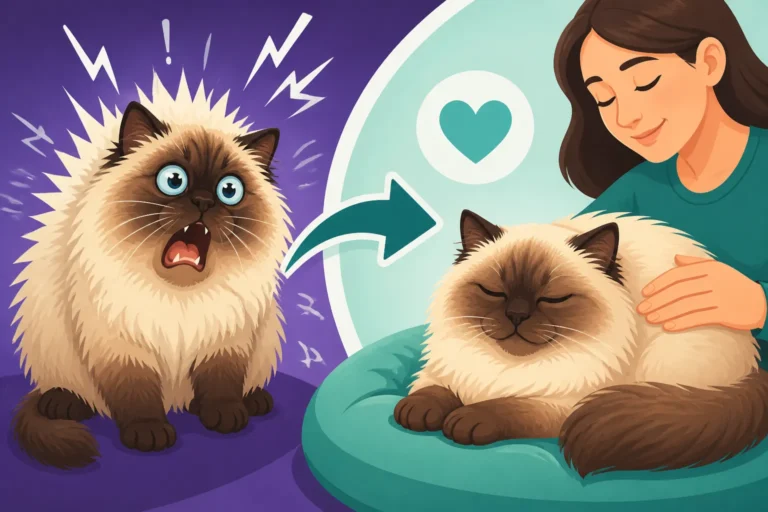
Let’s be honest, every cat owner experiences setbacks. You might have a great session one day, and the next, your Himalayan decides they want absolutely nothing to do with face wiping. It’s frustrating, but it’s completely normal. The most important thing is not to take it personally and not to lose your temper. Yelling or forcing your cat will only undo all the hard work you've put in and make them more fearful in the future. If your cat is resisting, stop the session immediately. Trying to push through will only escalate the situation and solidify a negative association.
When resistance happens, take a step back. Revert to an earlier, easier step in the desensitization process. Maybe that means going back to just touching their face with your fingers, or just showing them the wipe without touching them, followed by a treat. Sometimes, changing the environment can help – try a different room, or a different time of day when they're naturally more relaxed. Ensure your treats are truly high-value; a tiny piece of cooked chicken or salmon is often more motivating than a dry kibble. Some cats respond well to distractions, like a favorite interactive toy or puzzle feeder, while you quickly wipe. Remember, this is a marathon, not a sprint. Every small win, every moment they tolerate your touch without fighting, is progress. Don't be afraid to take a break for a day or two if needed. Patience, understanding, and unwavering positive reinforcement are your greatest allies when faced with a resistant Himalayan.
Maintaining the Routine for a Lifetime of Comfort
Once you've successfully trained your Himalayan to accept face wiping, the final, crucial step is maintaining that routine. This isn't a "one and done" task; it's an ongoing commitment that ensures their comfort and prevents future issues.
Consistency is Crucial: Daily Habits
For a Himalayan, daily face wiping isn't just recommended; it's practically a necessity. Their unique facial structure means tears will continue to flow and accumulate, regardless of how well they tolerated the wiping yesterday. Think of it like brushing your own teeth – you don't do it once and expect perfect hygiene forever. Establishing a consistent, ideally daily, routine is paramount. Pick a time that works for both of you – perhaps first thing in the morning when they're sleepy and cuddly, or just before their evening meal when they're anticipating a reward. Make it a fixed part of their day so they know what to expect. Predictability significantly reduces anxiety in cats.
A consistent routine also prevents the buildup of tough, crusty stains, which are much harder and more uncomfortable to remove than fresh moisture. If you skip a few days, you might find yourself back at square one, having to gently work at a stubborn stain that your cat will undoubtedly dislike. Regular wiping also keeps the nose fold clean and dry, preventing the development of painful skin infections. It sounds like a lot, but typically, a daily face wipe only takes a minute or two once your cat is accustomed to it. That small investment of time each day is a massive return in terms of your Himalayan's comfort, health, and your peaceful coexistence. The investment of time you make each day is far less than what you’d spend treating an infection, or trying to manage a truly matted cat, as discussed in What a Year of Wiping a Himalayan's Face Costs.
Recognizing Signs of Discomfort or Infection
Even with a diligent routine, it’s vital to remain vigilant and recognize when something might be amiss with your Himalayan’s face or eyes. Persistent redness, swelling, or excessive discharge that isn't just clear tears could indicate an infection or underlying issue. If the discharge changes color (greenish or yellowish) or consistency, or if you notice your cat squinting, pawing at their face excessively, or showing signs of pain when you approach their face, it’s time for a vet visit. These aren't normal tear stains. Similarly, if the skin around their nose fold becomes red, inflamed, or starts to smell foul despite regular cleaning, it could be a sign of fold dermatitis that requires medical attention.
Regular face wiping provides an excellent opportunity for you to closely inspect your cat's eyes, nose, and the surrounding skin. Look for any foreign objects, scratches, or changes in the appearance of their eyes. What a Corneal Ulcer Looks Like on a Blue Eyed Himalayan is important knowledge for any Himalayan owner. Early detection of these issues can make a significant difference in treatment outcomes and prevent more serious complications. Don't hesitate to contact your veterinarian if you have any concerns. They can rule out underlying medical conditions, prescribe appropriate treatments if necessary, and offer guidance on specific products or techniques. Your consistent care and keen observation are truly invaluable for keeping your Himalayan healthy and happy throughout their life.
Troubleshooting Common Face Wiping Challenges
Even with the best intentions and the right tools, you might encounter specific hurdles when maintaining your Himalayan's face care routine. Let's tackle some of the common ones.
Dealing with Stubborn Tear Stains
Those dark, crusty tear stains can be incredibly persistent, especially on a light-colored Himalayan. If daily wiping with plain water isn't quite cutting it, you might need to step up your game slightly. There are gentle, pet-safe tear stain removers available on the market, often containing mild oxidizing agents or natural enzymes. When looking for these, prioritize products that are topical, applied externally, and specifically avoid any product that suggests adding something to your cat's food or water to "eliminate" tear stains, as these can sometimes contain antibiotics or other ingredients best avoided unless prescribed by a vet. For the tough spots, try applying a small amount of a vet-approved solution to a cotton pad and letting it sit on the stain for a minute or two to soften it before gently wiping away.
It's important to understand that tear stains are often a genetic predisposition for Himalayans due to their facial structure, so complete eradication might not always be achievable. The goal is management and prevention of irritation, not necessarily a perfectly spotless face if it causes undue stress to your cat. Diet can sometimes play a role; ensure your Himalayan is on high-quality food, and some owners report anecdotal success with filtered water or ceramic bowls over plastic, as plastic can sometimes harbor bacteria. Regularly trimming the fur around the eyes can also help by reducing the surface area for moisture to cling to, as can be seen in How Tear Staining Marks a Himalayan's Pale Body Coat. Remember, patience and consistency with a gentle approach are far more effective than aggressive scrubbing, which can irritate the skin and eyes.
Managing a Sensitive Nose Fold
The deep folds around a Himalayan's nose can be a particular challenge because they're often hidden and can trap a lot of moisture and debris. If not kept clean and dry, this area can become a breeding ground for yeast and bacteria, leading to a sore, smelly condition known as fold dermatitis. For daily care, after wiping away tears and any visible grime, make sure to gently dry the nose fold thoroughly. A soft cotton swab or the corner of a clean, dry, lint-free cloth works well for this. You want to ensure no moisture lingers.
If you notice redness, a yeasty smell, or any discharge from the fold, it's definitely time for a vet visit. They might prescribe a topical ointment or a medicated wipe to clear up any infection. In some severe cases, a veterinarian might suggest a very minor surgical procedure to slightly enlarge the nostril opening or deepen the fold to improve airflow, though this is a more extreme measure. For general prevention, ensuring your cat eats from a shallow bowl that doesn't push food into their face is helpful. You might even find specialized pet-safe powders or balms on Amazon designed to keep skin folds dry and healthy, but always consult your vet before introducing new products to ensure they are appropriate and won't cause further irritation. Taking care of Cleaning the Fold Beside a Himalayan's Flattened Nose is just as vital as managing the eyes.
Addressing Eye Irritation and Discharge
While daily face wiping helps manage normal tear overflow, sometimes a Himalayan’s eyes can experience more significant irritation or discharge. If you notice persistent redness, swelling of the eyelids, excessive blinking, squinting, or a discharge that is thick, yellowish, or greenish, these are red flags. This isn't just cosmetic; it could indicate an eye infection, an injury to the cornea, or an underlying medical issue. It’s crucial to seek veterinary attention promptly. Eye problems can escalate quickly and even threaten your cat's vision if left untreated.
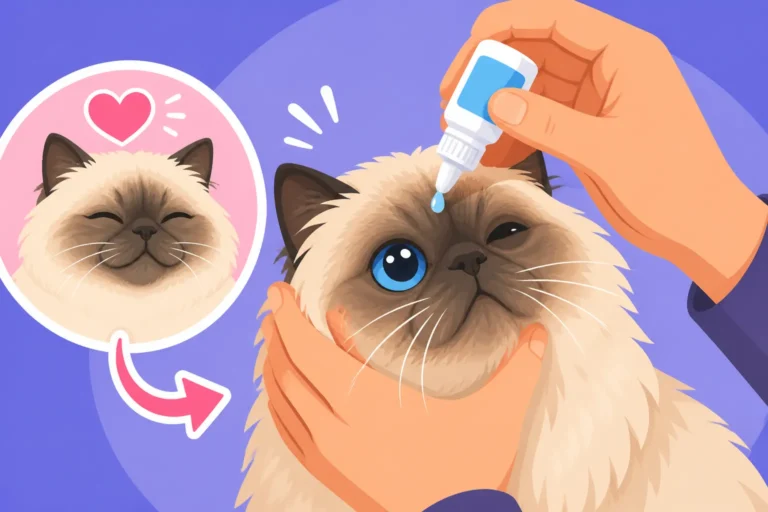
Your vet will be able to properly diagnose the cause, whether it's an allergy, a bacterial or viral infection, or a structural issue like entropion (where the eyelid rolls inward). They might prescribe medicated eye drops or ointments. When administering eye medication, remember to approach your cat calmly, perhaps wrapping them gently in a towel if they're resistant. Always follow your vet's instructions precisely, ensuring you apply the drops or ointment as directed. Continue with your regular gentle face wiping routine, but be extra cautious around the irritated eye, using separate, clean wipes for each eye to prevent cross-contamination if an infection is suspected. Regular check-ups with your vet, especially if your Himalayan has a history of eye issues, are essential to proactively manage their delicate blue eyes, as highlighted in Why a Himalayan's Eyes Water All Day.
Grooming for the Older Himalayan
As our cherished Himalayans age, their needs can change, and face wiping may become even more important, or present new challenges. An older cat might have reduced mobility, making self-grooming difficult, or they might develop health conditions that impact their facial care.
Adapting the Routine for Senior Cats
An older Himalayan might not be as flexible as they once were, making it harder for them to keep their own face clean. You might notice an increase in tear staining or a less tidy nose area. This is where your continued diligence becomes even more crucial. Their tolerance for being handled might also change; some senior cats become more sensitive, while others mellow out. Be extra gentle and understanding. If they have arthritis or joint pain, try to wipe their face while they are in a comfortable, supported position – perhaps lying on their favorite bed or snuggled on your lap, ensuring they don't have to strain or move awkwardly.
The frequency of wiping might need to increase, or you might need to use slightly more effective, yet still gentle, cleaning solutions to manage stubborn age-related stains. Always ensure the water or solution is lukewarm, as extreme temperatures can be uncomfortable for older, more sensitive skin. If your senior Himalayan is losing their sight, as discussed in How a Himalayan Behaves as Its Sight Goes, be extra vocal and gentle, letting them know what you are doing before you touch them. Maintain a predictable routine; consistency provides comfort and security for senior cats, who often appreciate routine even more than their younger counterparts. Your loving attention to their changing needs will keep them comfortable and dignified in their golden years.
Recognizing Age-Related Facial Changes
As Himalayans age, their facial structures can undergo subtle changes that might impact their grooming needs. Their skin might become less elastic, making the nose fold more pronounced and potentially deeper, increasing the risk of moisture retention and skin fold dermatitis. Their tear production might also change, sometimes decreasing, but often the drainage issues persist or even worsen with age, leading to more prevalent tear stains. Dental issues, common in older cats, especially those with crowded brachycephalic jaws, can also impact overall facial hygiene if your cat is in pain and reluctant to allow face touching.
Regularly inspecting their face for any new lumps, bumps, or changes in skin texture is also important. Older cats are more susceptible to various health conditions, and early detection is always best. During your daily face wipe, take a moment to gently feel around their jaw, under their chin, and check their gums for any signs of dental problems or masses. Look for any changes in the color or texture of their nose leather. If you notice any unusual growths, persistent irritation, or significant changes in their facial appearance, consult your veterinarian. These observations during your routine face care can be critical in catching potential health issues early, allowing your beloved senior Himalayan to receive timely and appropriate medical attention.
| Feature / Challenge | Kitten (0-1 year) | Adult (1-8 years) | Senior (8+ years) |
|---|---|---|---|
| Patience Level | High (for desensitization) | Very High (for desensitization, if not started early) | High (for ongoing comfort) |
| Approach | Short, frequent, highly positive sessions | Gradual desensitization, positive reinforcement | Gentle, accommodating, focus on comfort |
| Tools | Softest cotton, lukewarm water | Gentle wipes/solutions, soft cloths | Ultra-soft cloths, soothing solutions |
| Frequency | Daily introduction, building to daily wiping | Daily, ideally | Daily, potentially multiple times for cleanliness |
| Common Issues | Learning resistance, establishing routine | Stubborn stains, occasional aversion | Increased staining, fold irritation, reduced self-grooming |
| Key Focus | Building positive association, trust | Consistency, prevention of buildup | Comfort, monitoring for health changes |
| Vet Consultation | For unusual discharge or signs of infection | For persistent irritation, unusual discharge | For any new lumps, chronic irritation, or discomfort |
Disclaimer
This article is for general informational purposes only and does not constitute professional advice. Laws, prices and regulations vary by location and change over time. Consult a qualified professional for guidance on your specific situation.