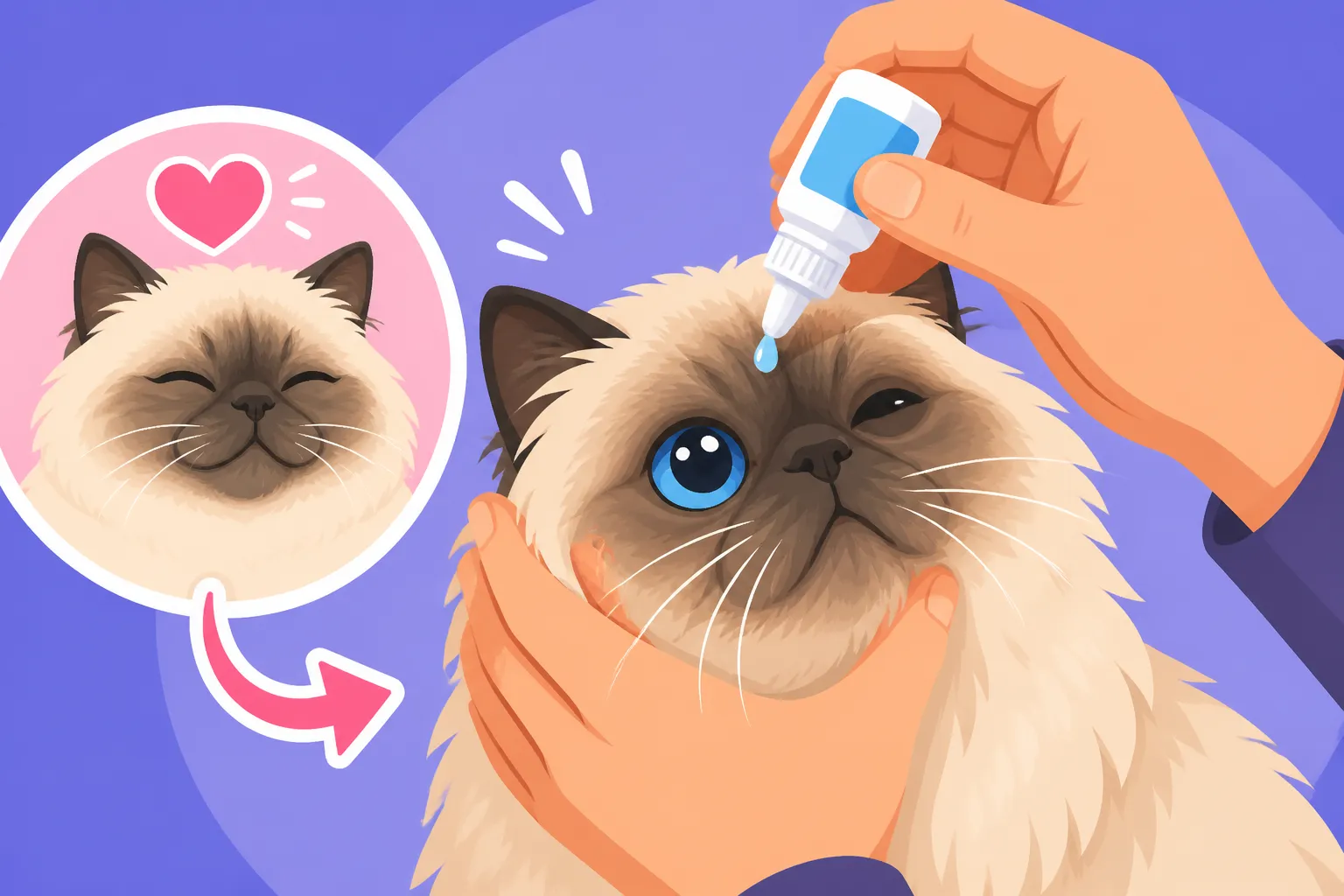
Getting a Himalayan to Accept Eye Drops
Anyone who shares their home with a gorgeous Himalayan knows that their stunning blue eyes are one of their most captivating features. But those beautiful, often prominent, eyes also come with a unique set of care challenges, and sometimes, those challenges include needing daily eye drops. If you've ever tried to administer drops to a squirming, unhappy cat, you know it can feel like trying to wrestle a fluffy cloud—impossible and frustrating for both of you. This guide is here to walk you through how to make the process as stress-free as possible, ensuring your Himalayan gets the eye care they need without turning every session into a battle.
Understanding Why Eye Drops are a Challenge for Himalayans
Let's be real, giving any cat eye drops is usually an Olympic sport. But with a Himalayan, you're dealing with a few extra layers of complexity. It's not just about them being a cat; it's about the very features that make them so adorable.
The Unique Anatomy of a Himalayan's Face
The first thing to understand is that your Himalayan's facial structure, especially if they have a more "Peke-face" or extreme-typed profile, naturally predisposes them to certain eye issues. Their beautiful, large, round eyes can often be quite exposed, and their flattened nose and sometimes prominent tear ducts mean that tears don't always drain properly. This can lead to constant dampness, irritation, or even conditions like entropion, where the eyelid rolls inward, causing eyelashes to rub against the eye. When a vet prescribes eye drops, it's often to manage these very specific anatomical quirks. For example, if you've ever wondered Why a Himalayan's Eyes Water All Day, you know this isn't just a cosmetic issue, it can lead to infections or discomfort requiring intervention.
Imagine trying to put a tiny drop into an eye that's already irritated, on a cat who naturally squints or feels vulnerable about their face. It's tough! Their short muzzle means there isn't much space between their nose and eyes, making it harder to get a good angle without accidentally poking them. Plus, their glorious, thick fur, especially around the face, can get in the way, absorbing the drops before they even reach the eye or simply making it harder to see what you're doing. This isn't your cat being difficult just to spite you; they're genuinely sensitive in that area, and the experience can feel invasive.
Overcoming Natural Feline Resistance
Cats, by nature, are creatures of habit and control. They don't appreciate being held down, having foreign objects near their face, or experiencing sudden sensations, especially near something as vital as their eyes. Your Himalayan, despite their generally placid and affectionate nature, is still a cat. This means they instinctively resist anything that feels like a threat or a loss of control. The feeling of liquid hitting their eye, even a medically beneficial one, can be startling and uncomfortable.
They also have incredible memories, particularly for negative experiences. One bad struggle where they felt scared or hurt can set back your progress significantly. They learn quickly to associate the sight of the eye drop bottle or your approach with the dreaded procedure. This isn't them being "stubborn"; it's their natural self-preservation kicking in. Our goal, then, isn't to overpower this resistance, but to gently work with it, slowly building trust and positive associations. Sometimes, the need for drops might be tied to an emergency, like a corneal ulcer, and understanding Why a Himalayan's Eye Injury Cannot Wait Until Monday underscores the urgency, but rushing the process can still backfire.
Preparing for the Eye Drop Battle (and Winning!)
Success in administering eye drops to your Himalayan really comes down to preparation and patience. Think of it less as a battle and more as a slow, strategic dance.
Creating a Calm Environment and Gathering Your Tools
Before you even think about picking up your cat, set the stage. Choose a time when your Himalayan is naturally relaxed, perhaps after a nap or before a meal. Avoid high-stress times or noisy environments. A quiet room, free from other pets or distractions, is ideal. Dim the lights slightly if it seems to help calm them.
Next, gather everything you'll need before you start. This includes:
- The Eye Drops: Have them ready, uncapped, and at room temperature (if safe and recommended by your vet—cold drops can be startling). If you're unsure Which Drops Suit a Himalayan's Exposed Blue Eyes, your vet will have guided you.
- Soft Towel or Blanket: Essential for gentle restraint. A thick, plush towel can act as a "purrito" wrap, making them feel secure without being overly restrictive.
- High-Value Treats: Think really, really good treats. Something they only get for this specific task. Small pieces of cooked chicken, salmon, or a lickable treat paste are often huge motivators. Brands like Amazon offer a wide variety of lickable treats that can be a game-changer.
- Eye Wipes or Cotton Balls with Warm Water: To clean away any excess medication or discharge after the drops are applied.
- A Second Person (Optional but Recommended): Especially in the beginning, an extra pair of hands can make a huge difference, one to gently hold and reassure, the other to administer.
Avoid chasing your cat around or snatching them up. Instead, lure them to your chosen spot with treats or gentle petting. The less they feel trapped or cornered, the better.
Desensitization: The Long Game for Success
This is where true patience pays off. If you only pull out the eye drops when your cat needs them, they'll always associate the bottle with a negative experience. The trick is to desensitize them to the process.
- Introduce the Bottle: Start by simply having the eye drop bottle visible when you're interacting positively with your cat. Leave it on the coffee table while you're petting them. Don't do anything with it, just let them see it.
- Touch and Treat: Gradually, start picking up the bottle, letting them sniff it. Immediately follow with a treat. Repeat this many times over days, even weeks.
- Fake Application: Once they're comfortable with the bottle, gently touch their face and eyelids (without the drops), then immediately give a treat. You might even mimic the motion of applying drops with your finger near their eye, followed by a treat. Building comfort with facial handling is crucial, and it's a skill you can generalize, just like Getting a Himalayan Used to Having Its Face Wiped as part of their daily grooming.
- The "Purrito" Practice: Practice gently wrapping your Himalayan in a towel without applying drops, just holding them for a few seconds and then releasing and treating. This helps them get used to the feeling of gentle restraint without the actual medication.
This process might take time, but investing in desensitization will save you countless struggles and reduce stress for both you and your beloved cat in the long run. Remember, slow and steady wins the race.
Step-by-Step Guide to Administering Eye Drops
Once you've done the groundwork, the actual application becomes much smoother. The key is to be swift, confident, and gentle.
The Gentle Restraint and Positioning Technique
For Himalayans, gentle but firm restraint is often necessary.
- The Towel Wrap: Gently scoop up your Himalayan and place them on a clean, soft towel or blanket. Wrap the towel snugly around their body, securing their paws and keeping them from backing out or batting at you. This creates a "purrito" effect, providing security and preventing escape attempts. Ensure the wrap isn't too tight around their chest, which could restrict their breathing – remember, Himalayans can have sensitive airways.
- Positioning: If you have a second person, one person should hold the wrapped cat close to their body, gently cradling them, and perhaps softly stroking their head or speaking reassuringly. The person administering the drops can then position themselves. If you're alone, you can often cradle the wrapped cat in one arm, tucking them into the crook of your elbow, or place them on a low, stable surface with your body gently pinning them against it.
- Head Tilt: Gently tilt your Himalayan's head back slightly, so their nose points upwards. Use your non-dominant hand (or the helper's hand) to gently stabilize their head. You might need to use a finger or thumb to gently open the upper eyelid by very lightly pressing above the eye, just below the eyebrow ridge.
The goal here isn't to force them into submission, but to create a secure, stable position that minimizes their ability to wiggle away and protects both of you from accidental scratches.
Applying the Drops with Minimal Stress
This is the moment of truth. Be quick, confident, and accurate.
- Hold the Bottle Correctly: Hold the eye drop bottle between your thumb and forefinger, with your other fingers resting lightly on your cat's head for stability. This helps prevent accidentally poking them if they make a sudden movement.
- Aim for the Corner: Don't aim directly for the center of their eyeball, as this can be very startling. Instead, aim for the corner of the eye, where the eyelids meet, or directly onto the surface of the eye itself if you can do so gently.
- Administer the Drop: Squeeze the bottle to release the prescribed number of drops. Try to release the drops from about half an inch above the eye, ensuring the tip of the bottle never touches the eye or eyelashes, as this can introduce bacteria or injure the eye.
- Allow Blinking: Once the drops are in, release their head and allow them to blink naturally. This will help distribute the medication across the eye's surface. Do not rub their eye, as this can be irritating.
- Clean Up and Reward: Use a soft wipe or cotton ball dampened with warm water to gently clean away any excess liquid from around their eye or on their fur. Immediately follow with effusive praise and, most importantly, those high-value treats! You want the moment the drops go in to be followed quickly by something incredibly positive.
| Step | Action | Key to Success |
|---|---|---|
| Preparation | Gather all supplies, select a calm environment. | Reduce last-minute fumbling and stress. |
| Restraint | Gently wrap Himalayan in a towel ("purrito"). | Security for the cat, control for you. |
| Positioning | Hold cat securely, gently tilt head back. | Stable target for the drops. |
| Apply Drops | Hold bottle steady, aim for eye corner, release drops without touching. | Quick, accurate, and minimizes startling the cat. |
| Post-Application | Allow blinking, gently clean excess, IMMEDIATELY REWARD. | Distribute medication, prevent irritation, build positive association. |
Consistency is vital. Even if it feels like a small win, celebrate it. Your cat is learning, and you're building a routine that benefits their health. This process is very similar to general face care, and if you have a solid The Morning Face Routine Every Himalayan Needs, incorporating eye drops into that will be easier.
Troubleshooting Common Issues and Maintaining Consistency
Even with the best preparation, things don't always go perfectly. Don't get discouraged! It's a learning curve for everyone involved.
Dealing with Squirming and Resistance
If your Himalayan still puts up a fight, take a deep breath. Yelling or getting angry will only make them more resistant next time.
- Reassess Your Technique: Are you holding them securely enough? Is the towel wrap tight enough to prevent escape but not too constricting? Sometimes, a slightly different angle or holding position can make a big difference.
- Increase Desensitization: If they're showing significant resistance, go back a step in the desensitization process. Spend more time just practicing the towel wrap and gentle head touches, always ending with a reward, without even bringing out the drops.
- Seek Assistance: If you're struggling alone, seriously consider enlisting a friend or family member to help, even for a few sessions. Two sets of hands can often make the process much quicker and less stressful for the cat. If your cat's health condition requires these drops, a visit to your vet might even include a demonstration of their preferred restraint methods. They are experts in handling cats who are less than thrilled about procedures.
- Veterinary Guidance: If the struggle is constant and severe, talk to your vet. They might have alternative medications, suggest different application techniques, or provide sedatives for particularly anxious cats if the drops are critical for their health.
- Keep Calm: Your cat can pick up on your stress. If you're tense, they'll be tense. Try to project a calm, confident demeanor, even if you're shaking inside!
Remember that some resistance is normal. Your goal isn't perfect compliance immediately, but consistent, gradual improvement. Just like getting them to sit still for What a Himalayan Will Take to Sit Through a Comb, it’s about patience and positive reinforcement.
Rewarding Positive Behavior and Building Trust
The absolute cornerstone of success is positive reinforcement. Every single time you successfully get the drops in, or even if you just manage part of the process without a full-blown struggle, reward them lavishly.
- Immediate Gratification: The reward needs to be immediate. The moment the drops are in (or the moment you release them from the wrap), that treat needs to be offered. This helps them link the unpleasant sensation directly to the positive outcome.
- High-Value Rewards: Don't skimp on the treats. This is not the time for their regular kibble. We're talking about gourmet wet cat food, Churu sticks, or tiny bits of cooked meat. Make it worth their while! Many options are available from retailers like Amazon that cats absolutely adore.
- Verbal Praise and Petting: Combine treats with lots of gentle praise and petting (if they enjoy it and it doesn't make them more agitated).
- End on a Good Note: Always try to end the session on a positive note. If you had a bad struggle, try to do something else positive immediately afterwards – a quick play session, more treats, or a cuddle. You want to avoid the last memory being negative.
- Consistency is Key: This isn't a one-and-done training session. Eye drops, if prescribed, are likely a daily or twice-daily routine. Stick to a consistent schedule and method. The more predictable you make it, the more your Himalayan will come to accept it. Over time, many cats learn to tolerate eye drops surprisingly well, especially when they know a delicious reward is coming.
By consistently applying these techniques, you'll not only ensure your Himalayan receives the vital eye care they need, but you'll also strengthen the bond of trust between you. Caring for their unique needs, including their beautiful but delicate blue eyes, is part of the lifelong commitment, and budgeting for ongoing care like this, as highlighted in What a Himalayan's Budget Needs a Line for Its Blue Eyes, is crucial.
Disclaimer
This article is for general informational purposes only and does not constitute professional advice. Laws, prices and regulations vary by location and change over time. Consult a qualified professional for guidance on your specific situation.