Why a Himalayan Must Learn to Be Combed Before Twelve Weeks
Bringing a gorgeous, fluffy Himalayan kitten home is a dream come true for many cat lovers, but the reality of that luxurious coat can quickly turn into a tangled nightmare if you're not prepared. Many new owners find themselves quickly overwhelmed by the sheer volume of fur and the speed at which it can mat, leading to stressful grooming sessions and unhappy cats. This guide is here to walk you through the absolutely critical reasons why teaching your Himalayan to accept regular combing before they turn twelve weeks old is perhaps the most important foundational step you'll take in their long, happy life with you.
The Foundation of Grooming: Why Himalayan Kittens Are Different
When you look at that tiny, playful ball of fluff, it's easy to forget that beneath all that cuteness lies a coat that will demand significant attention for the next decade or more. Himalayan cats are renowned for their stunning, long, dense coats, a direct inheritance from their Persian ancestors. This isn't just any long hair; it's a double coat with a soft, woolly undercoat that loves to intertwine and form mats, seemingly overnight.
The Himalayan Coat: A Luxurious Challenge from Day One
The moment you bring your Himalayan kitten home, even if they're still largely white with just the faint promise of points, their coat is already beginning its journey toward its full, magnificent glory. Unlike some other long-haired breeds, a Himalayan's coat is designed for volume and density. It's truly a marvel to behold, but it comes with a built-in challenge. This dense, flowing fur, combined with the underlying fine, soft undercoat, acts almost like Velcro, eagerly collecting loose hairs, dust, and any stray bits from around the house.
Think of it like this: imagine trying to untangle a ball of yarn that's been thrown into a tumble dryer with lint. That's a bit what a Himalayan's coat can become without regular intervention. These cats aren't just shedding a few stray hairs here and there; their coat is a constant process of growth and shedding, and if those shed hairs aren't gently removed, they quickly get caught in the surrounding fur, forming tight knots and painful mats. This process begins much earlier than you might think, even when they're still tiny, fluffy babies.
Many new Himalayan owners underestimate the sheer commitment required, sometimes thinking they can just brush occasionally. But that approach quickly leads to trouble. The texture of the coat means it doesn't just shed cleanly; it holds onto everything, and the static electricity generated by movement can further bind the hairs together. Understanding this inherent characteristic of the Himalayan coat is the first step in appreciating why early, consistent grooming is not just a suggestion, but a necessity for their comfort and health.
The Delicate Window of Kittenhood Learning
Just like puppies, kittens have a critical socialization window, typically between three and sixteen weeks of age. During this time, they are incredibly receptive to new experiences, sights, sounds, and touches. It's when their little brains are wiring themselves for how they'll perceive the world, and more importantly, how they'll react to routines and handling throughout their lives. This is the golden opportunity to introduce them to grooming in a positive, gentle way.
If a kitten learns during this impressionable period that being handled and combed is a pleasant, or at least neutral, experience, they are far more likely to accept it as a normal part of their daily life as an adult. They'll associate the comb with gentle strokes, calm voices, and perhaps even a tasty treat. Missing this window means you're trying to teach an older, often more opinionated, cat to tolerate something new and potentially uncomfortable. It's a bit like trying to teach an old dog new tricks – possible, yes, but infinitely harder and more stressful for everyone involved.
A kitten that hasn't been desensitized to combing will naturally be more resistant, viewing the comb as a threat or an annoyance. This can lead to scratching, biting, or simply running away, turning what should be a bonding experience into a daily battle. Remember, your goal isn't just to get the mats out; it's to create a cat who trusts you and enjoys (or at least tolerates) the necessary care. The difference between a cat that purrs through a combing session and one that fights you tooth and nail often comes down to what happened during those first crucial weeks. Getting a Himalayan Kitten Used to the Comb is so much easier when you start young.
Setting Expectations: It's a Marathon, Not a Sprint
Grooming a Himalayan is not a one-and-done task; it's a daily commitment, a fundamental part of responsible ownership, much like feeding or providing fresh water. Many people envision glamorous show cats effortlessly posing while being brushed, but the reality for most owners involves consistent effort. When you bring home a Himalayan, you're signing up for a relationship that includes daily grooming, and understanding this from the outset can prevent a lot of frustration down the road.
It's tempting to think that since they're kittens, their coats are small and won't mat much. But even a small mat on a kitten can be painful and set a precedent for future resistance. The goal during kittenhood isn't necessarily to achieve a perfect, mat-free coat every single day – though that's a nice bonus – but rather to build the habit and tolerance for the comb. You're laying the groundwork for a lifetime of cooperative grooming. This means short, frequent sessions rather than long, arduous ones.
Anticipate that there will be days when your kitten isn't in the mood, or when they wriggle away after only a minute. That's okay. The key is consistency and positive reinforcement, not perfection in every session. Think of it as teaching a child to enjoy brushing their teeth; it requires patience, routine, and making it as pleasant as possible. The rewards are immense, leading to a much happier, healthier cat and a less stressed owner. It ensures that when their adult coat fully comes in, you both have the skills and routine established to handle it with grace.
Crafting a Positive Grooming Experience for Your Young Himalayan
Successfully grooming a Himalayan kitten isn't about brute force or strict discipline; it's about building trust, using the right tools, and making the experience as enjoyable as possible. Every interaction shapes their future perception, so keep it gentle, keep it positive, and keep it consistent.
Gentle Introductions to Grooming Tools and Touch
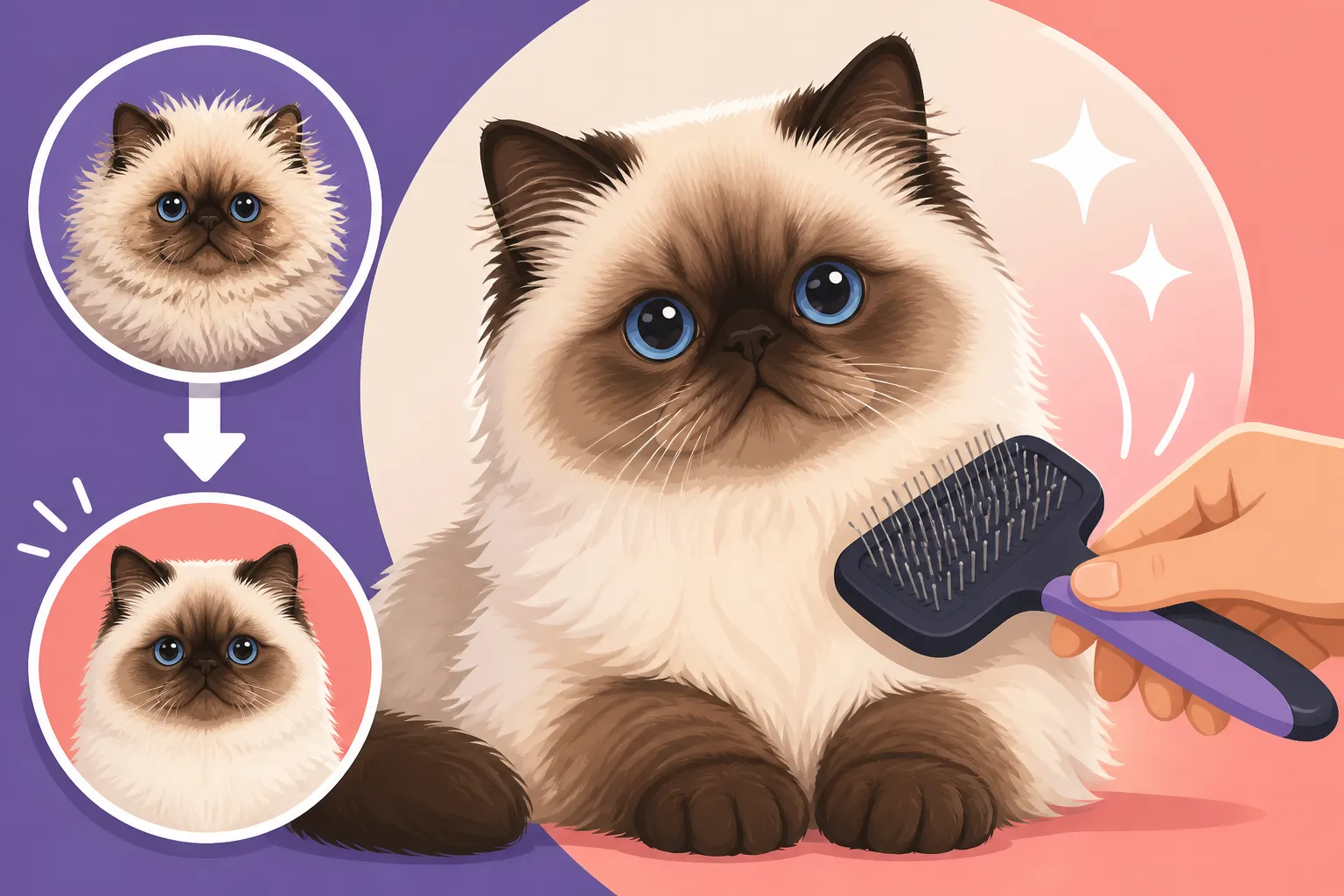
The first step in crafting a positive grooming experience is to introduce the tools and the act of being handled in a non-threatening way. This isn't just about the comb; it's about gently touching their paws, ears, tail, and belly – all the places that will eventually need combing. Start slow, with short sessions that last mere seconds, gradually increasing the duration as your kitten becomes more comfortable. Use a soft brush initially, perhaps one designed for kittens, and then move to a wide-toothed steel comb, which is indispensable for a Himalayan's coat.
When introducing the comb, don't just dive straight into their densest fur. Let them sniff it, rub against it. Then, gently stroke them with your hand, followed by a few light passes with the brush or comb on an easy-to-reach area like their back or shoulders. Always speak in a calm, soothing voice. If they tolerate it, even for a moment, offer immediate praise and a high-value treat. For tiny kittens, even a lick of salmon paste or a small piece of cooked chicken can be a huge motivator. You can find excellent, kitten-friendly steel combs and brushes on platforms like Amazon, often with rounded tips to avoid scratching delicate skin.
The goal here is desensitization. You want them to associate the comb with pleasant sensations and rewards, not discomfort or being held against their will. If they start to struggle, don't force it. End the session before they get too agitated, so the last memory isn't a negative one. You can always try again later or the next day. This gradual approach ensures they build a positive association, which is far more powerful than any amount of force.
Building Routine and Reward Systems
Consistency is absolutely key when establishing grooming habits. Kittens thrive on routine, and a predictable schedule helps them understand what to expect. Try to choose a time each day when your kitten is relaxed and receptive – perhaps after a nap, or just before a meal. A short, daily session of 5-10 minutes is far more effective than an hour-long battle once a week. How Many Minutes a Day a Persian Coat Takes on a Himalayan is less than you might think if done consistently.
A robust reward system is essential. Every successful interaction, no matter how small, should be followed by a reward. This could be a special treat they only get during grooming, a favorite toy, or even a few minutes of dedicated playtime. The reward reinforces the positive behavior and strengthens the association between grooming and something good. Some owners find a grooming table helpful, even for kittens, as it establishes a specific "grooming zone" and can make it easier to reach all areas without bending awkwardly. Make sure the surface is non-slip for their comfort and safety.
Don't forget the power of your own demeanor. Your calm energy will translate to your kitten. If you're stressed or rushed, they'll pick up on that and become anxious too. Make it a quiet, peaceful time. Play some soft music, minimize distractions, and focus entirely on your kitten. Over time, you'll see them start to relax into the routine, perhaps even purring softly as you comb. This is the ultimate goal: a cat that not only tolerates but actively participates in their grooming.
Overcoming Initial Resistance with Patience and Persistence
Let's be realistic: not every kitten will be a perfect angel from day one. Some Himalayans, especially if they have a stronger Siamese temperament from their lineage, might be more vocal or resistant. You might encounter hissing, batting, or even a determined attempt to escape. This is where patience and persistence truly come into play. It’s crucial not to give up. Why a Himalayan That Fights Grooming Ends Up Sedated later in life, and that's something we want to avoid.
If your kitten is particularly resistant, break down the grooming into even smaller steps. Perhaps one day you just gently touch them with the comb, then reward. The next day, one stroke, then reward. If they tolerate being held on your lap for a few moments, reward that. Consider using grooming gloves from Amazon that allow you to "pet" them while collecting loose fur, a less intrusive introduction to grooming tools. These can be a great bridge to using a comb.
It's vital to avoid punishment or scolding, as this will only create negative associations and make future grooming even harder. If they truly won't cooperate, gently but firmly put them down and try again later. Sometimes, a change of location or a different time of day can make a difference. Some kittens respond better to being groomed while slightly sleepy, others when they've just had a burst of play and are winding down. Experiment to find what works for your unique kitten. Remember, you're not just grooming their coat; you're shaping their personality and their relationship with you.
The Long-Term Impact of Early Grooming Habits
The effort you put into grooming your Himalayan kitten before twelve weeks of age pays dividends throughout their entire life. It's an investment in their health, comfort, and the strength of your bond. Skipping this crucial phase can lead to a host of problems that are far more difficult, and often more painful and expensive, to resolve later.
Preventing Mats and Skin Issues Down the Line
The most immediate and obvious benefit of early grooming is preventing painful mats. A Himalayan's coat, with its incredible density, is a mat magnet. Without regular combing, especially through the woolly undercoat, mats form quickly and tightly. These aren't just cosmetic issues; mats pull on the skin, causing discomfort, pain, and even skin infections beneath the matted fur. They can restrict movement, make it difficult for your cat to regulate their body temperature, and hide parasites or injuries. Why a Matted Himalayan Becomes a Medical Case is a real concern.
When a kitten is used to being combed, you can easily remove loose hairs and prevent the formation of these painful tangles. You're teaching them that the comb is there to help, not to hurt. This early training means that as their adult coat comes in – becoming even thicker and more prone to matting – they will readily accept the daily maintenance required. This prevents the need for drastic measures like shaving down large sections of their coat, which can be traumatic for the cat and may even lead to skin irritation.
Beyond mats, consistent grooming allows you to regularly inspect your cat's skin for any issues. You can spot fleas, ticks, dry skin, hot spots, or unusual lumps early on, allowing for prompt veterinary intervention. This proactive approach to health is invaluable, and it starts with a cat who doesn't mind being touched and examined.
Strengthening Your Bond Through Consistent Care
Grooming isn't just a chore; it's a powerful bonding ritual. When done gently and with love, it reinforces trust and affection between you and your Himalayan. The quiet moments spent combing, talking softly to your cat, and feeling their soft fur can be incredibly rewarding. It’s a dedicated time for interaction, a special routine that only the two of you share.
A kitten that learns to associate your touch and the comb with comfort and positive attention will grow into an adult cat that seeks out your presence and enjoys being handled. This deepens your relationship in a way that simply feeding them can't. They learn to rely on you for their comfort and well-being, fostering a sense of security and companionship. Imagine the joy of having a beautiful Himalayan who happily rolls over for a belly comb, purring all the while – that's the bond you're building with early, consistent grooming. Handling a Himalayan So It Will Let You Comb It forms the bedrock of a long and loving relationship.
Conversely, a cat that resents grooming will often generalize that resentment to other forms of handling. Picking them up, petting them, or even administering medication can become a struggle, straining your relationship and making necessary care much harder. Investing the time and patience in those early weeks creates a foundation of trust that will last a lifetime.
Avoiding Stressful Vet Visits and Costly Interventions
Perhaps one of the most practical long-term benefits of early grooming training is avoiding future veterinary crises and associated costs. A Himalayan with a severely matted coat often requires professional grooming, sometimes even under sedation, to safely remove the mats. This is not only expensive but also carries the inherent risks of anesthesia, especially for a brachycephalic (flat-faced) breed like the Himalayan, who can be more sensitive to anesthetics due to their unique airway structure. Why a Himalayan Is a Harder Anesthetic Than a Siamese due to these considerations.
Moreover, if mats lead to skin infections or injuries, you're looking at vet bills for examination, diagnosis, medication, and follow-up care. These can quickly add up, turning a preventable issue into a significant financial and emotional burden. By contrast, regular home grooming is free (once you have your tools!) and keeps your cat healthy and comfortable. This also means fewer visits to the vet just for mat removal, saving both time and stress for you and your cat.
Teaching your kitten to accept handling also makes routine veterinary check-ups smoother. A vet needs to be able to examine your cat's ears, eyes, teeth, paws, and body without undue stress. A cat accustomed to being touched is a much calmer patient, making the vet's job easier and ensuring a more thorough examination. Think about the peace of mind knowing your beloved Himalayan is comfortable and cooperative for all their necessary health care throughout their The Nine to Fifteen Years a Himalayan Usually Gets.
Here's a quick overview of why those early weeks are so vital:
| Aspect | Kittenhood (Under 12 Weeks) | Adulthood (Beyond 12 Weeks Without Training) |
|---|---|---|
| Learning Receptivity | High – kittens are naturally curious and adaptable. | Lower – habits are set, new experiences can be stressful. |
| Mat Prevention | Easy to prevent mats before coat fully develops; small mats simple to remove. | Mats form quickly in adult coat; painful, harder to remove without stress. |
| Behavioral Impact | Forms positive association with grooming and handling. | Can lead to fear, aggression, or avoidance during grooming. |
| Tool Acceptance | Easier to introduce brushes, combs, and wipes gently. | May resist tools, requiring desensitization or professional help. |
| Bonding Opportunity | Builds strong trust and strengthens owner-cat relationship. | Can strain bond if grooming becomes a constant battle. |
| Future Vet Visits | Cat tolerates examinations, less stress for all. | Cat may be fearful or aggressive, requiring sedation for procedures. |
| Cost Implications | Low (cost of basic grooming tools from Amazon). | Potentially high (professional grooming, vet care for skin issues). |
The choice is clear: invest the time and patience during those precious first weeks. It's the best gift you can give your Himalayan, ensuring they remain beautiful, healthy, and happy, embracing their essential grooming routine as just another loving part of their day with you.
Disclaimer
This article is for general informational purposes only and does not constitute professional advice. Laws, prices and regulations vary by location and change over time. Consult a qualified professional for guidance on your specific situation.