Starting Face Wiping With a Himalayan Kitten
One of the most endearing, yet sometimes frustrating, aspects of bringing a Himalayan kitten into your home is managing their adorable, yet often tear-stained, face. That sweet, flat face and those expressive blue eyes mean a daily routine is absolutely essential to prevent discomfort and unsightly marks. This guide is all about setting you and your fluffy new companion up for success, teaching you how to gently introduce face wiping from day one so it becomes a cherished bonding moment, not a daily battle.
Why Face Wiping is Essential for Your Himalayan Kitten
When you gaze into those striking blue eyes and admire that beautiful, plush coat, it's easy to overlook the practical realities of living with a Himalayan. Their unique facial structure, while contributing to their undeniable charm, also comes with specific grooming needs that simply cannot be ignored. Starting a face-wiping routine early isn't just about aesthetics; it's a critical part of their health and comfort. Without consistent care, those lovely features can quickly become a source of irritation, infection, and discomfort.
The Anatomy of a Himalayan's Face
Let's be real, a Himalayan's face isn't like your average housecat's. They inherited that distinctive brachycephalic (flat-faced) structure from their Persian lineage. This means their tear ducts aren't always able to drain effectively into their nasal passages, leading to a constant overflow of tears. Imagine having watery eyes all day, every day – that's often the reality for our beautiful Himalayans. These tears, which are usually clear, can collect in the fine fur around their eyes and nose. Over time, exposure to air, bacteria, and sometimes even yeast can cause these clear tears to oxidize and turn a reddish-brown color, creating those well-known "tear stains." It's not just a little dampness; it's a persistent moisture trap. The folds around their nose, particularly prominent in the Peke-face variety, also create warm, damp crevices where bacteria can thrive, leading to skin irritation and even infections. This is also why you'll often see that charming ruff around their neck, which, while beautiful, can also wick moisture from their face, worsening staining. Why a Himalayan's Eyes Water All Day delves into this in more detail.
Beyond the tear flow, the Himalayan's long, silky fur around their face acts like a sponge, soaking up every drop of moisture. If left unattended, this damp fur can become stiff, crusty, and even pull at the delicate skin around their eyes. Think about how uncomfortable it would be if you had dried, crusty material constantly tugging at your eyelids. It's not a pleasant thought, and it's certainly not pleasant for your kitten. Their delicate eye area is also quite exposed due to the flatter face, making them more susceptible to dust, debris, and environmental irritants. Early intervention and a consistent routine are key to preventing these minor annoyances from escalating into serious health concerns.
Preventing Health Issues with Early Care
Neglecting daily face wiping for a Himalayan kitten isn't just about tolerating some rust-colored stains; it can lead to genuinely painful and persistent health problems. That constant dampness around their eyes and nose creates a perfect breeding ground for bacteria and yeast. You might start to notice a sour smell, or even visible redness and irritation on the skin under the stained fur. This condition, often called skin fold dermatitis or tear scald, can be incredibly uncomfortable for your kitten, causing itching, burning, and even pain. If left untreated, these infections can become severe, requiring veterinary intervention with medicated wipes, creams, or even antibiotics. We want to avoid that for our little ones.
Moreover, the prolonged presence of dried tear crusts can lead to matting of the fine facial hair, which can pull on the skin and exacerbate irritation. In some cases, especially with extreme flat-faced Himalayans, eyelashes can even turn inward, rubbing against the cornea, a condition known as entropion. While not directly caused by tear stains, persistent moisture and irritation can complicate such underlying issues. Regular, gentle wiping helps keep the skin clean, dry, and free from accumulating irritants, vastly reducing the risk of these secondary infections and discomforts. It's proactive care that saves both you and your kitten a lot of stress and potential vet visits down the line. What Entropion Does to a Himalayan's Blue Eye explores a related concern.
Gathering Your Face Wiping Arsenal
Before you even think about approaching your tiny floof with a wipe, you need to be prepared. Having the right tools on hand makes the process smoother, more efficient, and far more comfortable for your kitten (and for you!). There’s nothing worse than trying to wrangle a squirmy kitten while fumbling for supplies. A well-stocked grooming kit for your Himalayan’s face is a small investment that pays off in spades, preventing struggles and ensuring you can maintain that pristine, healthy look.
Gentle Wipes and Cotton Pads
When it comes to the actual wiping, gentleness is the name of the game. You're dealing with delicate skin and sensitive eyes, so abrasive materials are an absolute no-go. For everyday cleaning, soft, lint-free cotton pads or rounds are ideal. They're absorbent and won't leave behind any irritating fibers. Many owners also swear by specific pet-safe eye wipes that are pre-moistened with gentle, non-irritating solutions. These are often formulated to be pH-balanced and free from harsh chemicals, perfumes, or alcohol that could sting your kitten's eyes or dry out their skin. Brands often available on platforms like Amazon offer various options specifically for pet eye care. Look for ingredients like aloe vera or witch hazel, known for their soothing properties. Remember, what's safe for human babies isn't always safe for feline eyes, so stick to products designed for cats. Which Wipes Are Safe Around a Himalayan's Blue Eyes discusses suitable options.
Beyond dedicated wipes, a soft washcloth dampened with plain warm water can be perfectly effective for daily maintenance, especially for kittens just starting out. The key is warm, not hot, water. Test the temperature on your wrist first, just as you would for a baby. The goal is to soften any crusts and gently remove accumulated tears and debris without scrubbing. Always ensure your cotton pads or cloths are thoroughly rinsed if they've been used before, or better yet, use fresh ones daily to prevent introducing bacteria. Having a dedicated stack of these ready to go by your kitten's favorite napping spot can make the routine feel less like a chore and more like a natural part of their day.
Stain Removers and Cleansers
For those stubborn, rust-colored stains that warm water alone can't tackle, you might need to bring in the big guns: specialized tear stain removers. These products typically work by gently oxidizing the stain or by containing mild cleansing agents that break down the pigments. It’s crucial to understand that many stain removers are not meant for daily use directly in or around the eyes. Always read the instructions carefully. Some are topical solutions applied to the stained fur, while others are gentle cleansers used around the eye area, not in the eye itself. You’ll find a range of options for these specialized cleansers on sites like Amazon, often with different application methods – some are liquids, some are gels, and some are even powders.
When selecting a tear stain remover, be wary of products promising instant, miraculous results, especially if they don't clearly list their ingredients. Some older formulations contained antibiotics, which are now largely discouraged for routine cosmetic use due to concerns about antibiotic resistance. Focus on reputable brands that prioritize safety and gentleness. For persistent discoloration, sometimes a small amount of cornstarch or specific facial powders designed for cats can help absorb moisture and lighten stains over time, but these are usually applied after cleaning and drying the area thoroughly. Remember that consistency with these products is often more important than harshness; a gentle, daily approach will yield better results and keep your kitten happier than an infrequent, aggressive attack on stains. What Turns a Himalayan's Tear Stains Rust Colored offers further context on stain formation.
Protective Balms and Powders
Once you've cleaned and dried your Himalayan kitten's face, especially the delicate area around their nose folds and under their eyes, consider applying a protective barrier. This isn't always necessary for every kitten, but for those prone to severe tear scald or dampness, it can be a game-changer. Specialized pet-safe balms or powders can create a moisture barrier, helping to prevent the tears from sitting directly on the skin and causing irritation. Think of it like a diaper cream for their face! These products are typically non-toxic and formulated to be lick-safe, as cats will naturally groom themselves. You might find these on Amazon too, often marketed as "tear stain prevention powders" or "facial fold balms."
When using powders, a very small amount is all you need. Apply it gently with a clean finger or a fresh cotton swab, focusing on the areas where moisture tends to accumulate most. Be extremely careful not to get any powder in your kitten's eyes, as this could cause irritation. For balms, a tiny dab rubbed thinly into the clean, dry skin folds can work wonders. The goal is to keep the area as dry as possible, creating a less hospitable environment for bacteria and yeast. This extra step, particularly after the morning face routine, can make a significant difference in preventing redness and soreness, ensuring your Himalayan's beautiful face stays comfortable and healthy. It's all part of making that daily care routine comprehensive and effective. Drying a Himalayan's Nose Fold So It Does Not Sour is a crucial related topic.
The Step-by-Step Guide to Wiping Your Kitten's Face
Now that you have your tools, it’s time to get hands-on. Remember, establishing this routine when your Himalayan is a kitten is paramount. They are more adaptable and less likely to develop negative associations if introduced gently and positively from a young age. Patience, consistency, and a calm demeanor are your best allies here. This isn't just a chore; it's an opportunity for quiet bonding and building trust between you and your precious floof.
Creating a Positive Experience
Before you even think about wiping, set the stage for success. Choose a quiet time of day when your kitten is relaxed and perhaps a little sleepy, maybe after a play session or a meal. Avoid trying to do this when they are feeling frisky or overwhelmed. Start by simply holding your kitten gently, talking to them in a soft, reassuring voice. Offer a high-value treat, something they absolutely adore, just for being calm in your lap. The goal is to associate your presence and gentle handling with positive rewards, not coercion. Don't rush into the wiping itself; let them get used to being held and having your hands near their face. You might even just gently stroke their head and cheeks for a few days before introducing any tools. This gradual approach is especially important for Getting a Himalayan Kitten Used to the Comb as well.
Introduce the tools slowly. Let your kitten sniff the cotton pad or wipe. Don't force anything. If they swat at it playfully, that's okay, but don't engage in a tug-of-war. The less stressed they are, the more cooperative they'll be. Consider performing the routine in the same spot each day, whether it's on a designated towel on your lap or a non-slip surface on a low table. Predictability helps ease anxiety. Keep the sessions short, especially at first. Even just 30 seconds of gentle interaction leading to a treat is a victory. Remember, you're building a foundation of trust and routine that will last for years, so take it slow and make it enjoyable.
The Gentle Wiping Technique
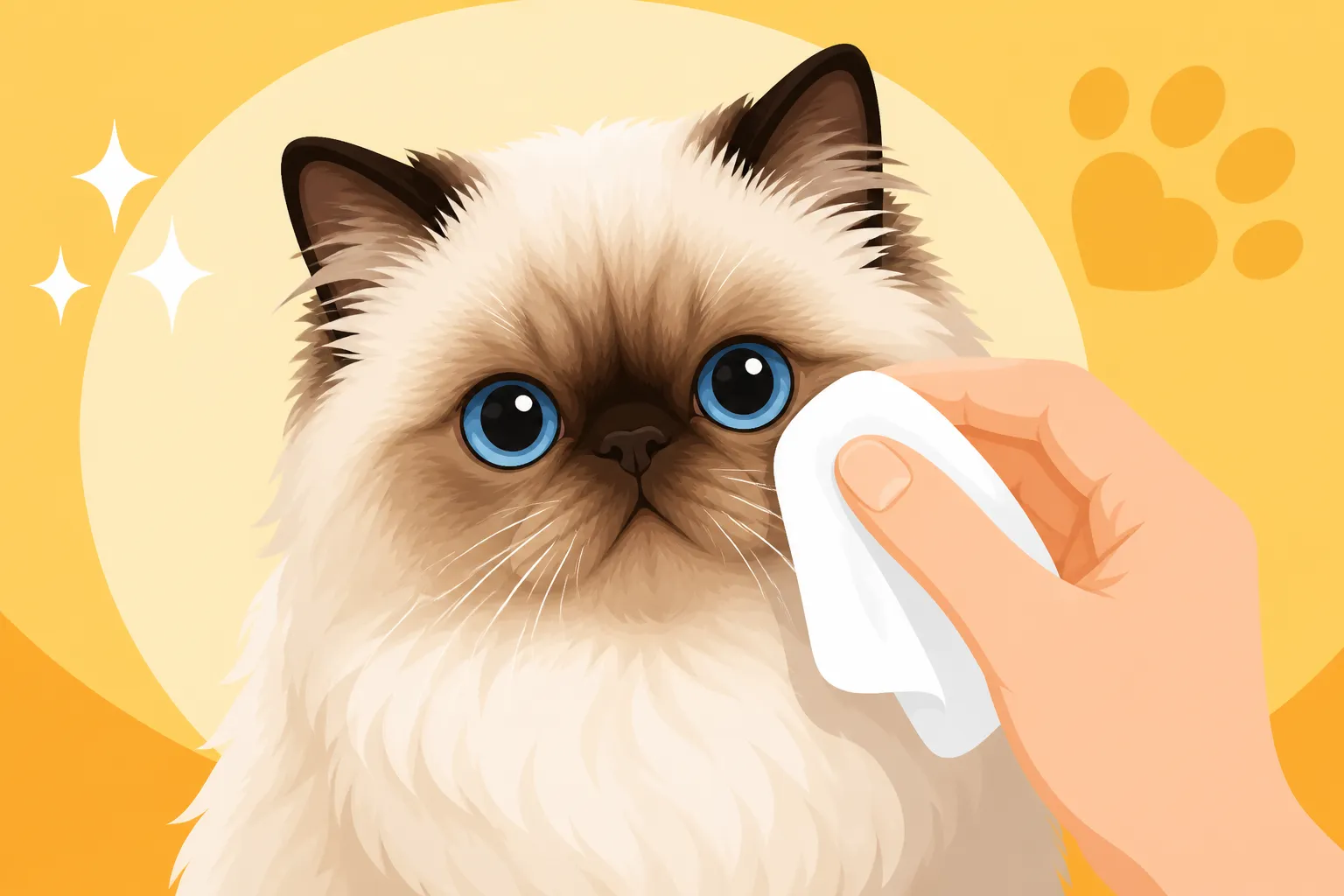
Once your kitten is comfortable with being held and having your hands near their face, it’s time for the actual wiping. Start with warm, damp cotton pads or pet-safe wipes. Hold your kitten securely but gently, making sure they feel safe. Use one hand to gently support their head. With the other hand, take your damp pad or wipe. Begin by very carefully wiping away from the inner corner of the eye, moving towards the outer corner. Use a fresh part of the wipe or a new cotton pad for each eye to prevent transferring any bacteria. Never wipe directly into the eye, and avoid pressing hard. The goal is to gently dissolve and lift away crusts and wetness, not to scrub. For the nose folds, gently lift the fold (if present) and wipe underneath with a clean pad, making sure to get into any crevices.
After cleaning, gently pat the area dry with a clean, soft cloth or a dry cotton pad. This drying step is crucial to prevent moisture from sitting on the skin and exacerbating irritation. Again, be gentle and deliberate. If you’re using a tear stain remover or powder, follow the product-specific instructions for application after the initial cleaning and drying. Throughout this process, continue to speak in a soothing voice. If your kitten starts to squirm excessively, take a short break, offer reassurance, and then try again. If they become truly distressed, end the session and try again later. It’s better to have a few short, positive sessions than one long, traumatic one. The Morning Face Routine Every Himalayan Needs details why consistency is key.
Rewarding Good Behavior
This is perhaps the most critical part of successful face wiping: showering your kitten with positive reinforcement! Every single time your kitten tolerates even a moment of face wiping, they deserve a reward. This could be their favorite treat, a few gentle strokes in a spot they love, or a short play session with a favorite toy. Make the reward immediate, so they directly associate the good experience with the face care. For instance, as soon as you finish wiping one eye, pop a tiny treat into their mouth. This creates a strong positive association: "face wipe equals yummy treat!"
Don't just reward at the end of the whole routine; reward progress. If they let you hold their head for a few seconds, treat. If they tolerate one swipe, treat. This incremental reinforcement helps them build tolerance and understand what's expected. Over time, you can gradually increase the duration of the wiping before the reward, but always keep it positive. Consistency with rewards is just as important as consistency with the wiping itself. This not only makes the routine easier in the short term but also helps to cement good behavior for their entire life. A happy, cooperative Himalayan makes for a much calmer household!
Troubleshooting Common Face Wiping Challenges
Even with the best intentions and the gentlest approach, you might encounter some bumps in the road. It’s natural for a kitten to be a bit wary of having things done to their face, and sometimes, those stubborn tear stains just don’t seem to budge. Don't get discouraged! Many of these challenges are common, and there are usually solutions or adjustments you can make to get back on track. The key is patience and persistence, knowing that you’re doing what’s best for your furry friend.
When Your Kitten Resists
If your Himalayan kitten is putting up a fight, trying to bat away your hands, or squirming out of your grasp, don't immediately resort to force. This will only build negative associations and make future sessions harder. First, re-evaluate your approach to creating a positive experience. Are you picking the right time? Is the environment calm enough? Are your rewards truly motivating? Sometimes, a different type of treat or a more enthusiastic "Good kitty!" can make a world of difference. You might also need to go back to basics, spending a few days just holding and petting them near their face, with no wiping involved, just treats and praise. Build up their tolerance in tiny steps again.
Consider the position you're holding them in. Some kittens feel more secure when gently wrapped in a soft towel, creating a "kitty burrito" that limits their ability to swat but still allows you to access their face. Just ensure they don't feel trapped or panicked. If you're struggling, another person can sometimes help by gently holding the kitten while you perform the wiping. Make sure both of you are calm and patient. If resistance continues, sometimes a brief, gentle break for a few hours can help reset their mood. Remember that Why a Himalayan That Fights Grooming Ends Up Sedated emphasizes how important early training is to avoid more drastic measures later on. Never make it a punishment; always aim for cooperation through positive reinforcement.
Dealing with Stubborn Stains
Those persistent reddish-brown stains can be incredibly frustrating. You wipe every day, and they still seem to linger! First, ensure you're using products specifically designed for pet tear stains and following the instructions carefully. Sometimes, it takes consistent use of a specialized cleanser for several weeks before you start to see significant improvement. Remember, many products don't magically erase existing stains; they work to prevent new ones and gradually lighten the old ones as the stained fur grows out or is gently exfoliated away. For deep, set-in stains, you might need to combine a gentle daily wipe with a tear stain remover. Look for well-regarded brands available on platforms like Amazon that have good reviews for their effectiveness on light-colored cats.
Also, consider factors beyond just wiping. Does your kitten drink from a plastic bowl? Plastic can harbor bacteria and contribute to staining. Switching to ceramic or stainless steel bowls, and cleaning them daily, can sometimes help. The quality of their food can also play a role; some owners report a decrease in staining when feeding a high-quality diet. Why a Himalayan's Rust Colored Stains Do Not Wash Out explains the nature of these stains. If the stains are suddenly worse or accompanied by a lot of discharge, redness, or a foul odor, it's time for a vet visit. This could indicate an underlying issue like an infection, blocked tear ducts, or allergies that require medical attention, not just more wiping.
Recognizing When to Call the Vet
While diligent face wiping can prevent many issues, there are times when a visit to the veterinarian is absolutely necessary. You should always consult your vet if you notice any of the following: a sudden increase in tear production or staining, green or yellow discharge from the eyes, persistent redness or inflammation around the eyes or nose, swelling, visible pain when touching their face, or if the smell around their nose folds becomes very strong and unpleasant. These symptoms can be indicative of bacterial or yeast infections that require prescription medication. Your vet can also check for more serious underlying conditions, such as blocked tear ducts, corneal ulcers, or anatomical issues like entropion or unusually prominent nose folds that might predispose your kitten to chronic irritation.
During a vet visit, they might perform a fluorescein stain test to check for corneal abrasions, or even flush the tear ducts to see if they are patent. They can also offer specific product recommendations or demonstrate advanced cleaning techniques if needed. Don't hesitate to seek professional advice; early intervention can prevent minor problems from escalating into chronic discomfort for your Himalayan kitten. Remember, you're the best advocate for your furry friend's health, and knowing when to call in the experts is a crucial part of responsible pet ownership. Telling Ordinary Himalayan Tear Staining From an Infection can help you determine if it's more than just a cosmetic issue.
Here's a quick comparison of common facial care products:
| Product Type | Primary Use | Application Method | Key Benefit | Considerations |
|---|---|---|---|---|
| Warm Water/Cotton | Daily gentle cleaning | Dampen cotton pad, wipe gently | Safest, non-irritating, removes fresh tears | Less effective on stubborn, dried stains |
| Pet-Safe Wipes | Daily convenience, mild cleaning | Pre-moistened wipe, gentle swipe | Quick, easy, often formulated with soothing agents | May not tackle heavy staining, check ingredients |
| Tear Stain Remover | Addressing established stains | Liquid/gel applied to fur (not eye), leave/wipe off | Breaks down stain pigments, lightens fur | Follow instructions strictly, usually not for daily use in eye |
| Facial Powder/Balm | Moisture barrier, stain prevention | Applied to dry fur/skin folds after cleaning | Absorbs moisture, prevents re-staining | Avoid getting in eyes, very small amounts needed |
| Veterinary Drops | Eye infections, irritation | Prescribed by vet, applied directly to eye | Medicated treatment for underlying issues | Only use under vet guidance, not for cosmetic staining |
Disclaimer
This article is for general informational purposes only and does not constitute professional advice. Laws, prices and regulations vary by location and change over time. Consult a qualified professional for guidance on your specific situation.