Which Games Suit a Himalayan Past Twelve
It's a bittersweet moment when you start to notice your beloved Himalayan slowing down. The energetic bursts of kittenhood and the playful antics of their prime years give way to more sedate stretches of napping and gentle observation. But just because your Himalayan is past twelve doesn't mean they've lost their zest for life or their need for engagement. This guide will walk you through how to choose and adapt games that will keep your senior Himalayan physically comfortable, mentally stimulated, and utterly content, focusing on activities that cherish their changing needs without causing undue strain.
Understanding Your Senior Himalayan's Evolving Play Needs
When your Himalayan cat hits their golden years, typically past the age of twelve, their approach to play shifts dramatically. What once thrilled them might now seem too much, too fast, or simply too hard on their aging bodies. Recognizing these changes is the first step to ensuring their twilight years are filled with comfort and joy, not frustration or discomfort during playtime.
The Gradual Slowdown: Less Zest, More Zen
One of the most noticeable changes in a senior Himalayan is a general decrease in energy levels. Those mad dashes through the house or enthusiastic leaps for a toy become less frequent, if they happen at all. This isn't laziness; it's a natural consequence of aging, affecting their joints, muscles, and even their cardiovascular system. Their magnificent, thick coats, while beautiful, can also make them overheat more easily during strenuous activity, further dampening their desire for high-intensity play. You might find them spending more time in their favorite What a Himalayan Does All Day in One Chair, observing the world rather than actively participating in it.
It's common for owners to feel a pang of sadness as they witness this slowdown, remembering the vibrant kitten they once brought home. But this shift doesn't mean their personality or their capacity for joy has diminished. Instead, it signals a need for different kinds of stimulation. Mental engagement, rather than purely physical exertion, rises in importance. Keeping their minds sharp with gentle puzzles or interactive games can prevent boredom and maintain cognitive function, making their later years more fulfilling. Remember, for a Himalayan, even small gestures of engagement can make a big difference as What Goes First in a Himalayan Past Twelve becomes apparent.
Prioritizing Comfort and Safety in Play
As your Himalayan ages, their physical capabilities can change significantly. Arthritis, while often subtle, can make jumping, running, or even twisting uncomfortable. Their once agile movements might become stiff or hesitant. You might notice them using steps to get onto the sofa, or perhaps they've stopped climbing to their favorite high perch altogether. How Arthritis Shows in a Himalayan That Never Jumped is often a quiet affair, but it profoundly impacts how they move and play. Because of their unique brachycephalic (flat) face, many Himalayans also have a predisposition to respiratory issues, which can become more pronounced with age or during periods of exertion. Fast, intense play can lead to panting or labored breathing, which is a clear signal to stop.
Therefore, every play session with a senior Himalayan must prioritize comfort and safety. This means choosing games that involve gentle movements, keeping their paws on the ground, and ensuring all landings are soft, if any climbing is involved at all. Observe them closely for any signs of discomfort—a twitch of an ear, a shift in posture, or a subtle pull back from a toy can all indicate they're no longer enjoying themselves. The goal is to stimulate, not to strain, and to make every interaction a positive reinforcement of their bond with you.
Gentle Games for Mind and Body Engagement
Even though your senior Himalayan might not be leaping and bounding, there are still plenty of wonderful ways to engage them that respect their changing bodies. The key is to think "low impact" and "high reward," focusing on stimulating their senses and minds without putting stress on their joints or breathing.
Interactive Wand Play: Slow and Low
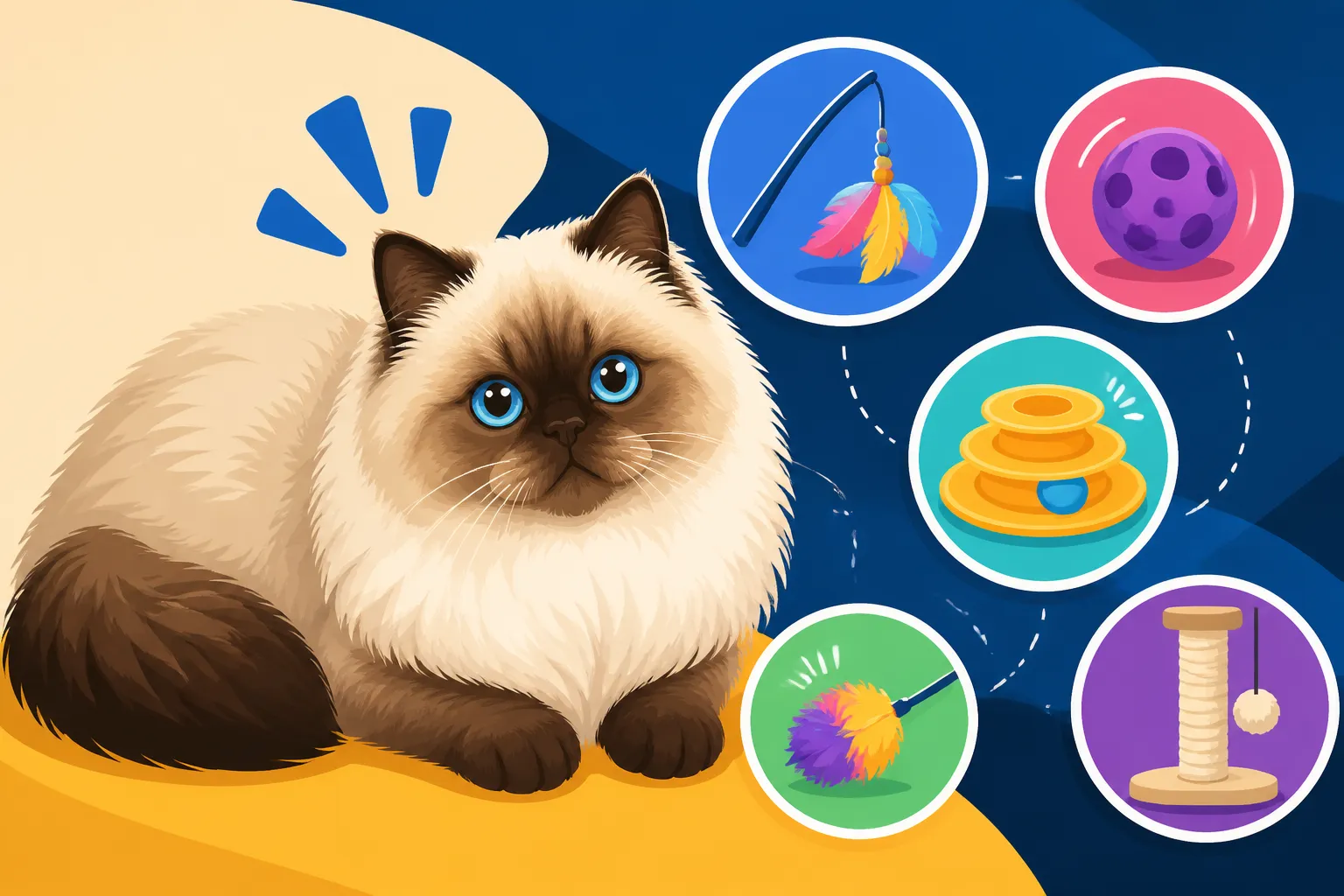
Wand toys are an absolute staple for any cat, and they remain invaluable for senior Himalayans, provided you adjust your technique. Forget the wild, erratic movements you might have used with a younger cat. For your older feline, the game becomes a slow, deliberate dance. Use a soft feather teaser or a fabric lure on a wand, keeping the "prey" moving at ground level. Drag it slowly across the carpet, just out of reach, encouraging gentle paw bats and stretches rather than full-blown chases or jumps. The aim is to awaken their natural hunting instincts in a way that's comfortable and low-stress.
Imagine dragging a soft, feathery toy along the edge of their favorite blanket. They might lift a paw slowly, bat at it a couple of times, or perhaps just track its movement with their gorgeous blue eyes. These small interactions are still highly engaging and provide valuable mental stimulation. Keep sessions short—five to ten minutes at a time is often plenty, especially if they show any signs of fatigue. You can find a wonderful variety of these gentle wand toys on Amazon, often with interchangeable ends, allowing you to switch things up to keep their interest. Remember, Which Wand Toys a Himalayan Can Actually Follow might be different now, favoring slower, more visible movements.
Puzzle Feeders and Treat Dispensers: Mental Workout
For a cat whose physical activity is naturally declining, mental stimulation becomes paramount. Puzzle feeders are fantastic for this, turning mealtime or treat time into an engaging challenge. These devices require your cat to use their paws or nose to extract food or treats, simulating a hunting process in a safe, controlled way. It slows down their eating, which can be beneficial for digestion, and provides a rewarding cognitive workout.
When choosing a puzzle feeder for a Himalayan, remember their unique facial structure. Deep bowls or feeders with very small openings can be frustrating or even impossible for them to use comfortably. Look for shallow, wide, or flat puzzle feeders that allow them to easily access the food with their paws or tongue. Some excellent options designed for brachycephalic breeds are available, and a quick search on Amazon will reveal many suitable choices. Start with simpler puzzles and gradually introduce more complex ones as your cat gets the hang of it. This prevents frustration and keeps the experience positive. Which Puzzle Feeder a Himalayan Can Get Its Face Into is a crucial consideration for their enjoyment and ability to participate.
Scent Games and Hide-and-Seek: Engaging the Nose
A cat's sense of smell remains incredibly powerful throughout their life, even as other senses might start to dim. Tapping into this primal instinct can provide wonderful enrichment for your senior Himalayan. Scent games are easy to set up and require very little physical exertion. Simply hide a few small, highly palatable, low-calorie treats in accessible, obvious places around their favorite room—under a corner of a blanket, beside their food bowl, or even just behind a cushion on their regular chair. Let them use their nose to discover the rewards.
You can also use catnip-infused toys or sachets. While not all Himalayans react to catnip, many do, and it can provide a delightful, stimulating experience. Whether Catnip Moves a Himalayan at All varies, but it's worth a try. Hide a catnip toy in a familiar spot and let them sniff it out. The joy isn't just in finding the item, but in the process of detection. For a more interactive "hide-and-seek," simply pop your head around a doorway, call their name softly, and then duck back out of sight, encouraging them to look for you with their eyes and ears. These gentle games reinforce your bond and keep their senses active without demanding strenuous activity.
Creating an Enriched Senior Play Environment
Just as important as what games you play is where you play them. Adapting your home environment to suit your senior Himalayan's changing mobility and preferences can dramatically enhance their willingness and ability to engage in play, making their golden years even more comfortable and stimulating.
Accessible Play Zones: Comfort is Key
Your senior Himalayan isn't likely to be scaling cat trees or launching themselves onto high shelves anymore. Their comfort and safety should be the top priority in their play environment. Designate one or two "play zones" in areas where they already feel safe and spend a lot of time. These should be on the ground or on low, stable surfaces that they can easily access without jumping. Think soft, carpeted areas or favorite spots on the sofa where they can simply stretch out.
Ensure these zones are free from clutter that could trip them up, and always have a soft landing nearby, like a plush rug or a comfortable cat bed. If they still enjoy a slightly elevated perch, consider providing pet steps or ramps to their favorite low windowsill or armchair, eliminating the need for any strenuous jumps. Remember, for a Himalayan, The Height a Himalayan Decides Is Not Worth It becomes much lower as they age, so meet them where they are most comfortable. The goal is to make play feel like a natural extension of their comfortable resting spots, not an extra effort. You might notice them choosing to lie in specific, quiet spots; these are often ideal places to initiate gentle play. You'll find a variety of comfortable, low-profile cat beds and steps on Amazon, making it easy to create these inviting zones.
Rotating Toys and Familiarity: Keeping Interest Alive
Even the most cherished toy can lose its appeal if it's always out. To keep your senior Himalayan interested, implement a system of toy rotation. Have a selection of 3-4 appropriate toys and rotate them every few days or once a week. This creates a sense of novelty and discovery each time a "new" toy appears. However, balance this with a few absolute favorites that remain consistently available, as older cats, particularly Himalayans, often thrive on routine and familiarity. How Often a Himalayan Notices Anything Has Changed can be quite sensitive, so a complete overhaul of their environment or toy collection might be unsettling.
Familiarity isn't just about the toys, but also about the ritual of play. If you usually engage them with a wand toy in the living room after your morning coffee, try to stick to that routine. Himalayans are creatures of habit, and knowing what to expect, and when, can actually enhance their enjoyment and willingness to participate. A predictable, calm play routine can be incredibly comforting for an older cat, providing a gentle rhythm to their day.
Monitoring and Adapting Your Himalayan's Play Routine
As your Himalayan continues through their senior years, their needs will keep evolving. What works today might need slight adjustments next month or next year. Being attentive to their cues and flexible in your approach will ensure that playtime remains a source of joy and well-being.
Reading Their Signals: When to Stop or Slow Down
This is perhaps the most critical aspect of playing with a senior Himalayan. They might not always overtly tell you they're tired or uncomfortable, but they'll give subtle signals. Look for:
- Loss of interest: If they walk away, lie down, or simply stop tracking the toy with their eyes.
- Labored breathing: Any panting, open-mouth breathing, or audible wheezing is a definitive sign to stop immediately. Himalayans are prone to respiratory issues due to their flat faces, and overexertion can be dangerous.
- Stiffness or hesitation: If they seem reluctant to move, or their movements appear stiff or painful.
- Flattened ears or tail tucked: These can indicate discomfort or anxiety.
- Excessive grooming or licking during play: Sometimes a displacement behavior indicating stress or discomfort.
Always err on the side of caution. Short, frequent play sessions (5-10 minutes, 2-3 times a day) are far better than one long session that leaves them exhausted or sore. If you notice any of these signs, gently end the game, offer a comforting pet, and let them rest. You'll soon learn When to End a Himalayan's Play Session based on their individual reactions.
Consistency and Positive Reinforcement
Even though their play might be less vigorous, consistency is key for senior Himalayans. Regular, gentle play sessions, woven into their daily routine, provide both physical and mental benefits. It helps maintain muscle tone, supports healthy circulation, and keeps their minds engaged. Just a few minutes of focused interaction each day can prevent boredom, reduce stress, and strengthen the bond you share.
Positive reinforcement is crucial. Always praise your Himalayan for participating, even if it's just a gentle paw tap or an attentive gaze. Offering a small, special treat at the end of a session can create a positive association, making them look forward to their next play opportunity. For many Himalayans, Why Food Is the Only Lever With a Himalayan when it comes to motivation, so a delicious, soft treat can be a powerful incentive. Keep in mind that older Himalayans still appreciate your attention and affection more than anything, so make sure play is intertwined with plenty of gentle petting and loving words. It's truly amazing What an Old Himalayan Will Still Get Up For when it's about engaging with their favorite human.
| Game Type | Benefits | Considerations |
|---|---|---|
| Gentle Wand Play | Stimulates hunting instinct, encourages mild movement, strengthens bond | Keep movements slow and low, short sessions (5-10 min), use soft lures. |
| Puzzle Feeders | Mental stimulation, slows eating, prevents boredom | Choose wide, shallow, or flat designs for brachycephalic faces. Start simple. |
| Scent Games | Engages powerful sense of smell, low physical exertion, rewarding | Hide treats in easy-to-reach spots, use low-calorie options, try catnip. |
| Interactive Stroking | Comforting, bonding, gentle physical contact, can lead to purring | Use soft brushes or just hands, focus on favored areas, watch for discomfort. |
| Lap Cuddles & Chat | Deepens bond, calming, verbal stimulation, sense of security | No physical exertion needed, just your presence and gentle voice. |
Caring for a senior Himalayan and helping them enjoy their later years means embracing their new pace and adapting to their needs. While the days of wild antics might be behind them, the opportunity for gentle, meaningful engagement is more important than ever. By choosing appropriate games, creating a safe environment, and being attuned to their signals, you can ensure your beloved companion continues to experience joy, comfort, and deep companionship through every stage of their life.
Disclaimer
This article is for general informational purposes only and does not constitute professional advice. Laws, prices and regulations vary by location and change over time. Consult a qualified professional for guidance on your specific situation.