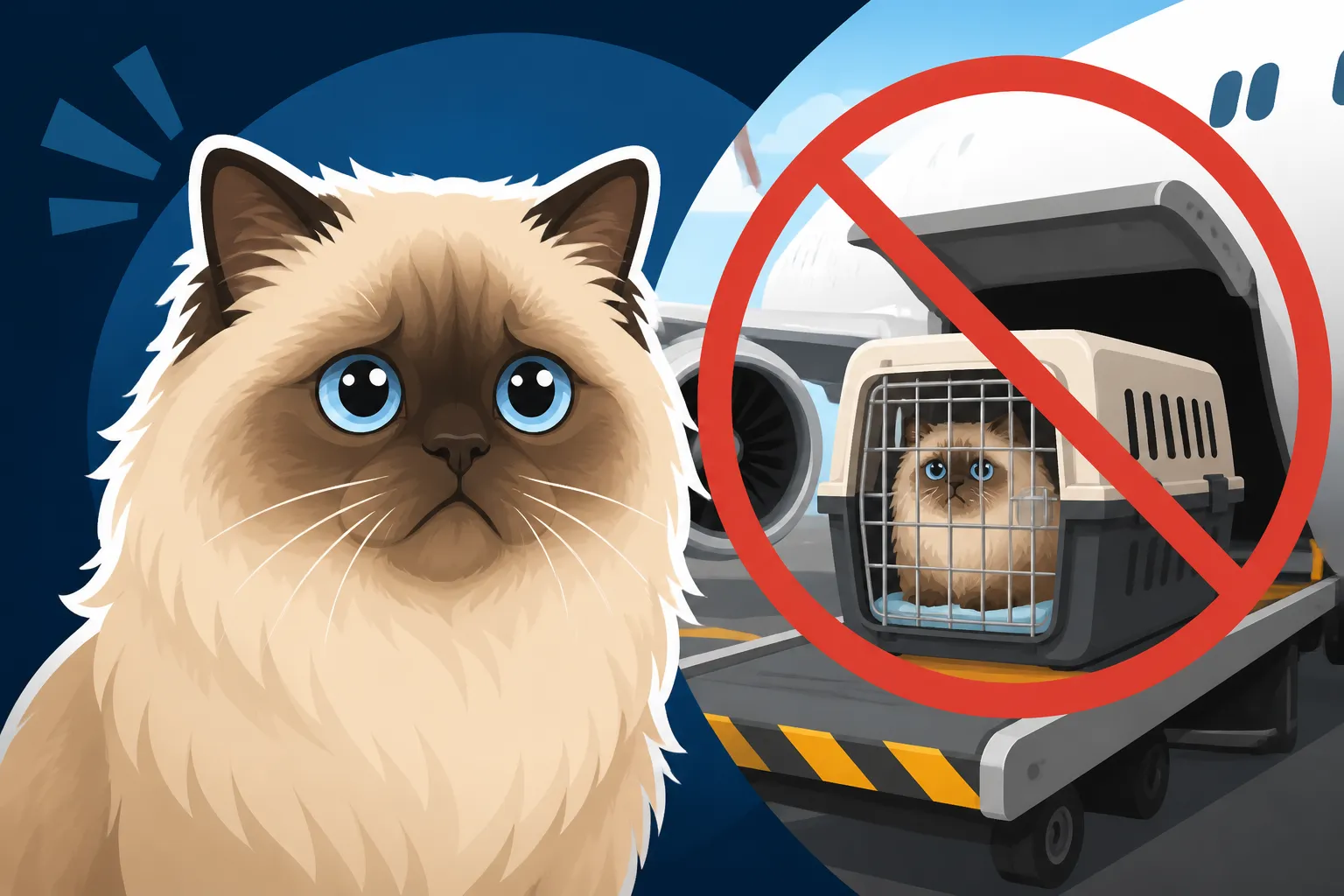
Why a Himalayan Should Not Fly in Cargo
It's a heartbreaking scenario many of us cat parents face: you're moving, going on an extended trip, or just can't imagine leaving your beloved Himalayan behind. Naturally, you start looking into options for them to travel with you, and air cargo often pops up as a possibility. But here's the tough truth, my friends: putting a Himalayan in an airplane's cargo hold is an incredibly risky proposition, one that far too often ends in tragedy. This guide is here to shed light on exactly why this breed is so unsuited for the cargo environment and to help you understand the very real dangers involved, so you can make the safest choices for your furry family member.
The Unique Physiological Vulnerabilities of Himalayans
Our beautiful Himalayans, with their distinct flat faces and luxurious coats, are undeniably charming. However, these very features, which make them so irresistible, also present significant physiological challenges, especially when it comes to air travel in a cargo hold. Their physiology simply isn't built for the stresses of that environment.
Brachycephalic Airway Challenges
The term "brachycephalic" describes breeds like our Himalayans (and Persians, which they closely descend from) that have shortened snouts and flattened faces. While cute, this anatomical structure means their airways are often compressed and constricted. Imagine trying to breathe through a very narrow straw, especially when you're under stress or trying to cool down – that's often what a Himalayan's respiratory system is contending with. They might have elongated soft palates that obstruct airflow, narrowed nostrils, or even a collapsed trachea, all common issues with this facial structure.
In a normal, calm environment, a healthy Himalayan might manage just fine, though many will still snore louder than their Siamese ancestors ever did because of these physical quirks. Why a Himalayan Snores Louder Than Its Siamese Ancestors But introduce the extreme stress, unfamiliar sounds, and fluctuating temperatures of an airplane cargo hold, and these minor respiratory quirks can quickly escalate into a life-threatening crisis. They simply cannot take in enough oxygen or cool themselves efficiently when their airways are already compromised. They'll start panting, struggling for breath, and their oxygen levels can drop dangerously low.
Overheating Risks in Confined Spaces
Beyond their compromised airways, Himalayans also carry a glorious, dense, and typically very long coat. While this fur is a joy to behold and cuddle in a climate-controlled home, it becomes a major liability in a cargo hold. This heavy coat acts like an insulator, trapping body heat rather than allowing it to dissipate. Unlike the passenger cabin, cargo holds aren't always maintained at the same stable, comfortable temperature. They can get incredibly hot, especially sitting on a tarmac in warmer weather, or surprisingly cold at cruising altitude if not adequately heated.
Cats primarily cool themselves through panting and through the pads of their paws. For a brachycephalic cat like a Himalayan, panting is already an inefficient cooling mechanism due to their restricted airways. When combined with a thick, insulating coat in an environment that can rapidly heat up, they become critically susceptible to heatstroke. A Himalayan can overheat twice as fast as its Siamese ancestors, who have short, sleek coats and less restricted airways. Why a Himalayan Overheats Twice as Fast as a Siamese This is not just uncomfortable; it's a medical emergency that can lead to organ damage, brain injury, and even death.
Stress, Anxiety, and Heart Health
Cats, especially Himalayans who are often creatures of comfort and routine, can find travel incredibly stressful. Being placed in a dark, noisy, vibrating box, separated from their human companions, in an unfamiliar environment, is a recipe for extreme anxiety. This isn't just about emotional distress; it has profound physiological effects. High stress levels trigger a surge of adrenaline and cortisol, significantly raising a cat's heart rate and blood pressure.
For any cat, this added strain on the cardiovascular system is concerning, but for a Himalayan, it can be particularly dangerous. While not universally affected, some lines may carry a predisposition to heart conditions like Hypertrophic Cardiomyopathy (HCM). Even in a seemingly healthy cat, severe stress can exacerbate an undiagnosed or subclinical heart issue, potentially leading to cardiac arrest. The combination of respiratory distress from their flat face, the risk of overheating from their coat, and the intense psychological stress makes cargo travel a gamble with their very lives. Whether HCM Reaches the Himalayan From Either Side It's a situation where their calm, often sedentary nature works against them in a high-stress scenario.
The Harsh Realities of the Cargo Environment
When we imagine our pets flying, we often picture them safe and comfortable, just like us in the cabin. The reality of an airplane's cargo hold, however, is far from the controlled environment we experience as passengers. For a Himalayan, these harsh conditions amplify their inherent physiological vulnerabilities to a critical degree.
Temperature and Pressure Extremes
One of the biggest misconceptions about cargo holds is that they are just like the passenger cabin, only downstairs. This is simply not true. While some modern aircraft do offer better environmental controls, cargo holds are often subject to much greater temperature fluctuations. On the ground, particularly during taxiing or delays, the hold can quickly become a sweltering oven or a freezing locker, depending on the weather conditions. Think about the summer day when your Himalayan struggles just lying on the coolest tile in the house; imagine that struggle magnified exponentially in a metal box on a hot tarmac. The Temperature a Himalayan Starts to Struggle At
Once airborne, while many cargo areas are pressurized, they may not be to the same comfortable level as the passenger cabin. Lower air pressure can further compromise a Himalayan's already restricted breathing, making it even harder for them to get enough oxygen into their lungs. The combination of fluctuating temperatures and potentially suboptimal pressurization creates a deadly cocktail for a breed so uniquely sensitive to respiratory and heat stress.
Noise, Vibration, and Isolation
Imagine being trapped in a small space, surrounded by the deafening roar of jet engines, constant vibrations, and complete darkness, with no familiar voice or touch to reassure you. That's the reality for a cat in the cargo hold. The noise levels during takeoff, flight, and landing are intense and utterly terrifying for an animal with acute hearing. These aren't just background sounds; they are loud, unfamiliar, and sustained assaults on their senses.
The vibrations from the aircraft can be unsettling and disorienting, adding to the cat's distress. Furthermore, the complete isolation from their human family is a huge factor. Our Himalayans thrive on companionship and routine. Being suddenly thrust into such an alien, overwhelming environment without their trusted people can trigger extreme panic, accelerating their breathing and heart rate, pushing their fragile systems even closer to crisis. This sensory overload, combined with profound loneliness, is a psychological torture that can quickly become a physical threat.
Risks of Delayed or Rerouted Flights
Even with the best planning, air travel is notoriously unpredictable. Delays, diversions, and rerouted flights are common occurrences. For a pet in the cargo hold, these unforeseen events can quickly turn into nightmares. Imagine a flight delayed for hours on the tarmac, or worse, diverted to an unexpected airport where your pet might sit for an unknown duration, potentially in extreme temperatures, without any immediate access to water, food, or human intervention.
Unlike in the cabin where you can communicate with flight attendants about your pet, a cat in cargo is out of sight and out of mind until the plane lands and handlers are available. During these delays, especially in hot weather, a Himalayan can suffer severe dehydration and heatstroke long before anyone can reach them. The lack of constant monitoring and the inability to respond quickly to a distressed animal's needs make cargo travel an incredibly high-stakes gamble, where the unforeseen can quickly become fatal.
Airlines and Veterinary Perspectives on Cargo Travel
Given the significant risks, it's no surprise that both airlines and veterinary professionals have strong opinions and policies regarding brachycephalic breeds and cargo travel. These aren't arbitrary rules; they've been developed out of necessity and unfortunately, often in response to tragic incidents.
Airline Restrictions and Policies
You'll find that many major airlines have already taken steps to mitigate the risks by implementing strict policies or outright bans on transporting brachycephalic breeds, including Himalayans, in their cargo holds. These policies often come from a place of experience and a genuine desire to avoid the distress and mortality that can occur. Airlines are well aware of the disproportionately high number of incidents involving flat-faced animals in cargo, particularly during warmer months. Why Airlines Refuse a Flat Faced Himalayan
It's absolutely crucial that you don't just assume an airline will take your Himalayan. You must contact them directly, well in advance of any travel plans, and specifically ask about their policies for brachycephalic cats in cargo. Be prepared for them to refuse. If one airline does permit it, understand that you're operating against strong industry advice and often their own data. Always get their policy in writing and understand any waivers you might be asked to sign, as these often indemnify the airline from responsibility if something goes wrong.
Veterinary Warnings Against Cargo Travel
The vast majority of veterinarians will strongly advise against placing a Himalayan in an airplane's cargo hold. Their warnings are rooted in a deep understanding of feline physiology and the harsh realities of the cargo environment. They've seen firsthand the devastating consequences and understand that even a seemingly healthy Himalayan can succumb to the stresses. Preparing for any travel, even a simple car trip, usually involves a health check, and certainly flying requires a health certificate from your vet. This certificate confirms your cat is fit for travel, but for a Himalayan, "fit for cargo travel" is a contradiction in terms for many practitioners.
A vet might perform a thorough examination, including listening to their heart and lungs, but they cannot predict how a cat will react to extreme stress, temperature changes, or reduced oxygen levels. The risks associated with anesthesia for a Himalayan, for instance, are already higher due to their compromised airways. Why a Himalayan Is a Harder Anesthetic Than a Siamese This underscores how delicate their respiratory systems can be even in a controlled clinical environment, let alone the unpredictable hold of an aircraft. Your vet's advice is invaluable here; listen to their professional guidance, as it comes from a place of prioritizing your pet's life.
Documenting Your Himalayan's Health
Before any form of air travel, whether in-cabin or (ill-advisedly) in cargo, you'll need to obtain a health certificate from your veterinarian. This certificate typically needs to be issued within a specific timeframe (often 10 days) of your travel date. It verifies that your Himalayan has been examined, appears healthy, and is up-to-date on all required vaccinations, such as rabies and feline distemper. Which Vaccines a Himalayan Kept Permanently Indoors Needs You'll also need proof of internal and external parasite prevention.
While these documents are absolutely essential for any kind of pet travel, it's vital to understand that they are purely administrative and medical checkpoints. A health certificate does not magically negate the physiological risks inherent to your Himalayan's breed when placed in the cargo hold. It simply confirms their current health status at a specific moment. The certificate does not, and cannot, guarantee their safety or survival in an environment that is fundamentally hostile to their unique needs.
Safer Alternatives for Himalayan Travel
Recognizing the undeniable risks of cargo travel for your Himalayan doesn't mean you can never travel with them or move them long distances. It simply means you need to explore and commit to safer, more humane alternatives that prioritize their well-being above all else.
In-Cabin Travel as the Primary Option
For many Himalayan parents, in-cabin travel is the absolute best and safest option for air journeys. When your cat is with you in the cabin, they are under your direct supervision, in a climate-controlled, pressurized environment identical to yours. You can monitor their breathing, offer comfort, and immediately respond to any signs of distress. This dramatically reduces the stress, fear, and physical risks associated with cargo.
Airlines have strict requirements for in-cabin pet carriers. Typically, the carrier must fit under the seat in front of you, be well-ventilated, and allow your cat to stand up and turn around comfortably. Look for carriers that are soft-sided and flexible, as these often have a better chance of fitting the airline's dimensions. A quick search on Amazon for "airline approved pet carrier" will show you many options, but always double-check the specific dimensions required by your chosen airline. Which Carrier Gives a Himalayan Enough Air It's important to note that most airlines have a limit on the number of pets allowed in the cabin per flight, so booking well in advance is critical. Also, remember that your Himalayan will likely count as your carry-on item.
Road Trips and Pet Relocation Services
If air travel isn't feasible, or if your Himalayan is particularly sensitive to changes, road trips offer a far more controlled and generally safer alternative. Traveling by car allows you to maintain a consistent temperature, take frequent breaks for water and litter box access, and offer continuous reassurance. Your cat remains in their familiar carrier, close to you, minimizing anxiety. Plan your route with pet-friendly accommodations in mind and ensure your Himalayan has a secure, comfortable space in the car.
For longer distances, or if you're unable to drive yourself, consider professional, ground-based pet relocation services. These companies specialize in transporting animals door-to-door and often use climate-controlled vehicles designed specifically for pet comfort and safety. Many have handlers who are experienced with brachycephalic breeds and understand their unique needs, ensuring regular checks, hydration, and care throughout the journey. While these services might represent a higher financial investment, they offer invaluable peace of mind that your beloved Himalayan is traveling as safely and comfortably as possible.
Prioritizing Your Himalayan's Well-being
Ultimately, the decision of how your Himalayan travels boils down to prioritizing their well-being. For some trips, especially shorter vacations, the kindest choice might be to leave your Himalayan with a trusted pet sitter in the familiar comforts of their own home or at a reputable, quiet boarding facility that understands their breed's specific needs. Cats are highly attached to their routines and territory, and sometimes, avoiding the stress of travel altogether is the most loving option.
Remember, a Himalayan can struggle in even moderately warm climates at home, let alone the unpredictable environment of an airport tarmac or cargo hold. Why a Himalayan Struggles in a Warm Climate Weigh the convenience of having them with you against the very real health risks and potential trauma of unsafe travel methods. Your Himalayan relies on you to make responsible decisions that protect their fragile health and gentle spirit. Their comfort and safety should always be the paramount concern.
| Travel Option | Himalayan Suitability | Pros for Himalayan | Cons for Himalayan |
|---|---|---|---|
| Cargo Hold (Plane) | CRITICALLY LOW | None, universally advised against | High risk of overheating, respiratory distress, extreme stress, injury, death |
| In-Cabin (Plane) | HIGH | Climate-controlled, direct supervision, less stress | Limited availability, carrier size restrictions, noise on plane can still be scary |
| Road Trip (Car) | VERY HIGH | Owner control over environment, frequent breaks, familiar presence | Long duration for some journeys, requires owner's time and vehicle, potential for motion sickness |
| Ground Pet Relocation | HIGH | Professional care, climate-controlled, door-to-door service, less owner stress | Can be expensive, still involves unfamiliar environment away from owner for a time |
Disclaimer
This article is for general informational purposes only and does not constitute professional advice. Laws, prices and regulations vary by location and change over time. Consult a qualified professional for guidance on your specific situation.