When an Old Himalayan Stops Getting Onto Its Chair
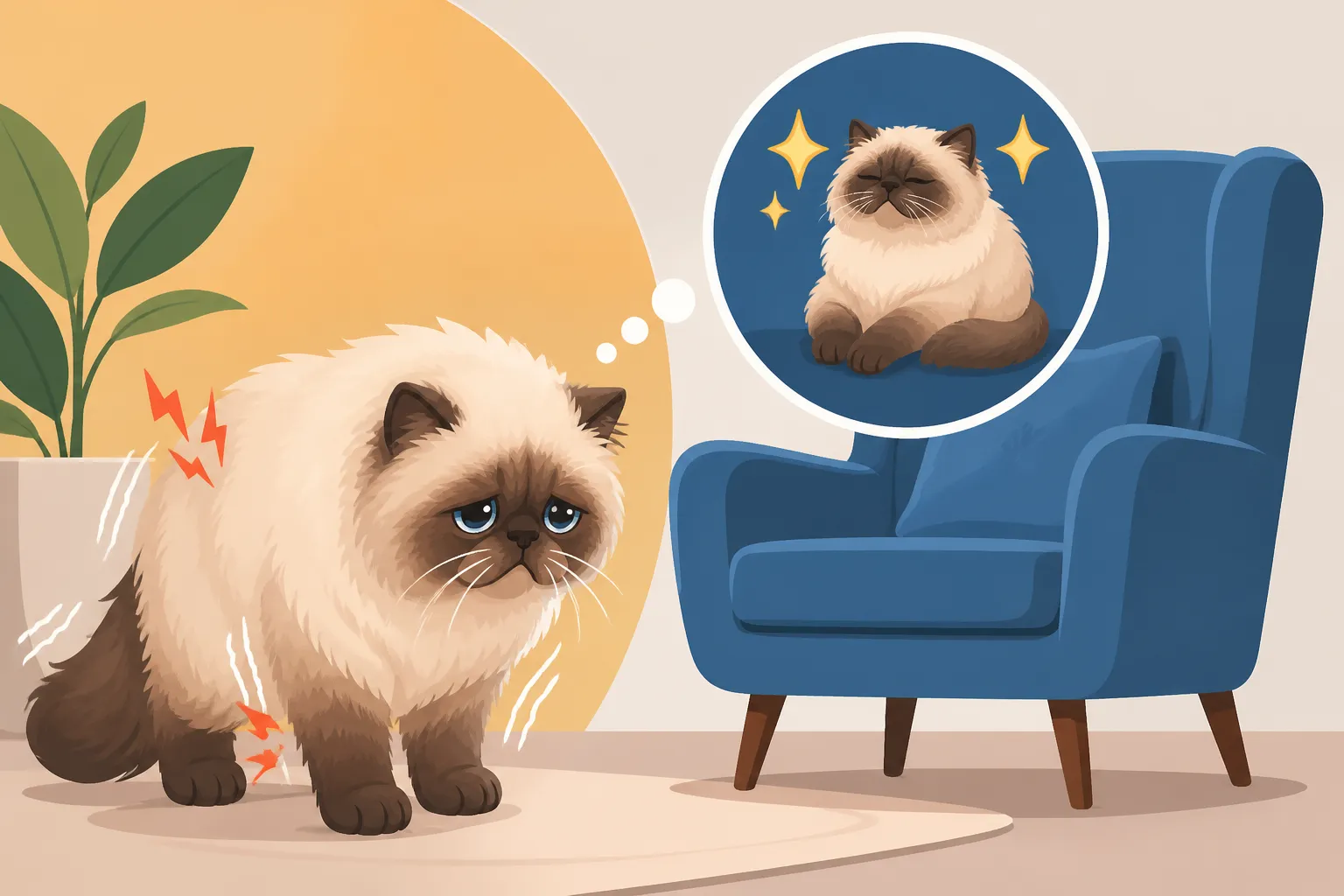
It’s a heartbreaking, yet often inevitable, moment when you notice your beloved Himalayan, once so graceful in their leaps to their favorite chair or sunny windowsill, hesitating. Perhaps they look at their cherished spot, then back at you with a quiet question in their deep blue eyes, or they simply choose the floor instead. This shift isn't just a sign of them getting older; it's often a quiet plea that something isn't quite right with their mobility. This guide will walk you through why your senior Himalayan might be avoiding their usual perches, how to spot the less obvious signs of discomfort, and practical ways to support them in their golden years, ensuring they can still enjoy their favorite cozy spots.
Understanding Why Your Senior Himalayan Stops Jumping
When your senior Himalayan, a creature of comfort and routine, suddenly decides that their favorite armchair or the cat tree’s lower perch is preferable to their usual high-up spot, it’s rarely out of choice alone. Cats are masters of disguise when it comes to pain, and a change in jumping habits is often one of the first, subtle indicators that their body isn't as agile as it once was. As a Himalayan parent, you know they tend to be less frenetic than some breeds, preferring gentle, predictable movements, so any deviation from this quiet elegance is worth investigating.
The Natural Progression of Aging and Mobility
Just like us, cats experience wear and tear on their joints and muscles over time. Think about how your own knees might ache after a long walk, or how you might groan getting out of bed in the morning. For a Himalayan, whose cobby, low-slung body is already built for lounging rather than Olympic feats, these changes can be profound. Their joints, particularly in their hips, elbows, and spine, can develop arthritis, making those once effortless jumps painful. The cartilage cushioning their bones thins, leading to bone-on-bone friction and inflammation. Their muscles, too, can start to atrophy with age and reduced activity, further weakening their ability to spring upwards or land gracefully.
It's easy to dismiss these hesitations as "just getting old" or "lazy," especially since Himalayans are not known for their boundless energy to begin with. However, it's crucial to understand that this isn't laziness; it's often a physical limitation. They want to be on that chair with you, soaking up the sun, but the effort and potential pain involved are simply too great. Their body is telling them no, even if their heart still wants to explore their vertical world. This natural decline is part of their journey, but it doesn’t mean we can’t make that journey more comfortable for them. We can give them the tools to access their favorite spots without the strain.
Common Medical Reasons for Reduced Mobility
While general aging is a factor, there are specific medical conditions that can exacerbate mobility issues in senior Himalayans, going beyond just typical joint wear. Arthritis, or osteoarthritis, is perhaps the most common culprit. It's an insidious disease that slowly degrades joint function, causing chronic pain and stiffness. However, it's not the only thing to consider. Spinal issues, such as degenerative disc disease, can pinch nerves and cause significant pain, making any arching or twisting motion, like preparing for a jump, excruciating.
Other conditions, less directly related to joints, can also play a role. For instance, sometimes a Himalayan might have underlying heart conditions that make exertion, like jumping, difficult and even dangerous. How Common HCM Is in Himalayan Lines is something to be aware of. Kidney disease, which is unfortunately not uncommon in the breed due to their Persian heritage and the prevalence of PKD1, can lead to generalized weakness and a reluctance to move. Living With a Himalayan That Inherited the Persian Kidney Gene can be a daily challenge. Even something as seemingly unrelated as dental pain from a crowded jaw can affect a cat's overall well-being and willingness to move, as chronic discomfort makes them generally more sedentary. Why a Himalayan Needs Dentals Earlier Than a Siamese highlights how crucial oral health is for this breed. It's often a combination of factors, a complex tapestry of age-related changes and specific health challenges, that contribute to their reluctance to jump. This is why a thorough veterinary assessment is absolutely vital.
Recognizing the Subtle Signs of Discomfort in Your Old Himalayan
Himalayans are renowned for their calm, almost regal demeanor, and this often extends to how they handle discomfort. They aren't likely to cry out or limp dramatically until pain is quite severe. This stoicism means that as their caregiver, you need to become a keen observer, learning to read their subtle cues. The change in their jumping habits is already a significant flag, but there are other, less obvious behavioral shifts that can point to underlying pain or mobility issues.
Beyond Obvious Limping: Behavioral Cues
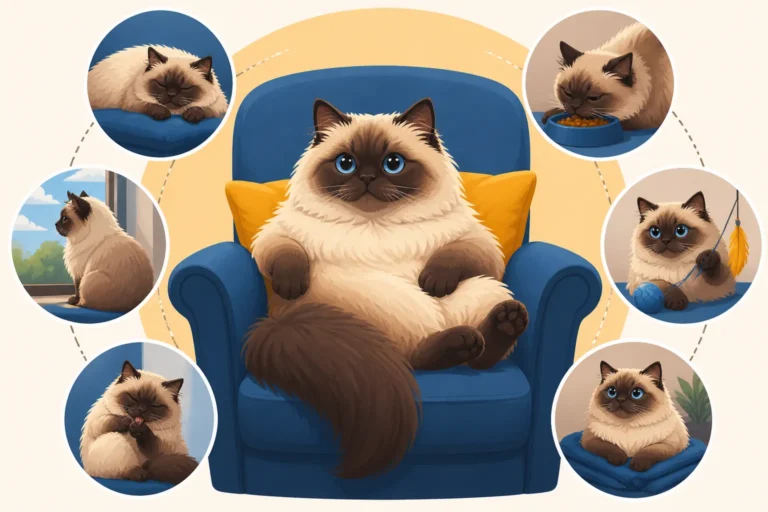
True to their Persian ancestry, Himalayans are masters of appearing composed, even when in pain. You might not see an obvious limp, especially if the discomfort is bilateral or diffuse. Instead, look for reluctance. Does your cat hesitate before stepping up or down, even from a small height like a footstool? Do they "size up" the landing area for longer than usual? Perhaps they shift their weight more slowly, or their movements seem stiffer. You might notice they stretch less often, or their stretches are abbreviated and less fluid. Their overall activity level might decrease – fewer short bursts of play, more time spent in one spot.
Grooming habits can also change. A cat in pain might neglect areas that are difficult to reach, particularly their hindquarters or the base of their tail. You might notice mats forming in these areas, or their coat simply looks less pristine. Why a Himalayan Stops Grooming When It Is Unhappy often points to physical discomfort. They might also choose to sleep in new positions, perhaps stretched out to avoid pressure on sore joints, or curled tightly if they're trying to conserve warmth around painful areas. Their beautiful blue eyes, usually so expressive, might appear a little duller, or they might squint slightly more than usual. Remember, any deviation from their normal, placid routine is a signal worth paying attention to. Why a Himalayan Hides Illness Behind an Expressionless Face underscores this point perfectly.
Changes in Daily Routine and Habits
Beyond their reluctance to jump, an aging Himalayan with mobility issues might show changes in other aspects of their daily routine. Observe their litter box habits. If their box has high sides, they might struggle to get in and out, leading to accidents nearby or choosing to eliminate on lower, more accessible surfaces. Consider investing in a low-sided litter box for easier access. Similarly, their eating and drinking might be affected. If their bowls are on the floor, bending down might become uncomfortable, especially if they have neck or spinal pain. They might start to eat less or drink less, which can quickly lead to other health complications.
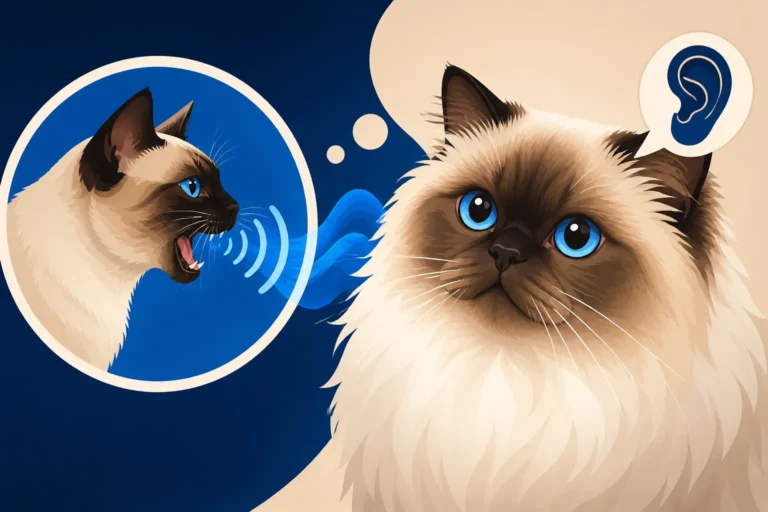
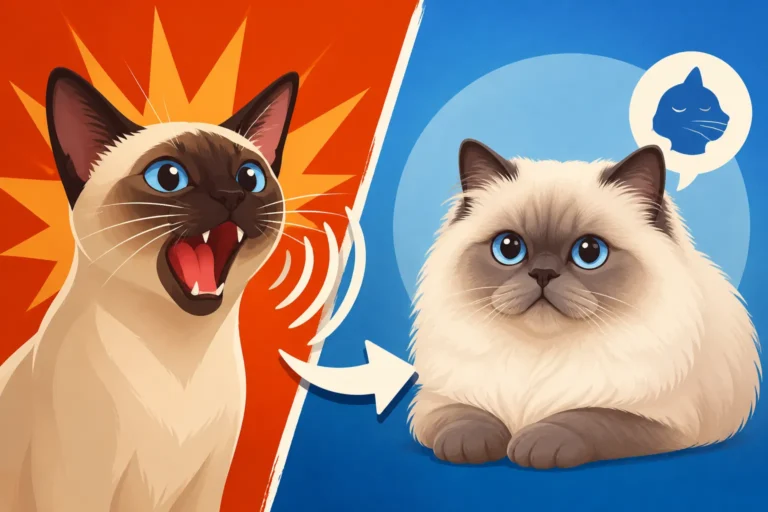
Even more subtly, they might alter how they interact with you or other pets. A cat in pain might become less tolerant of being picked up or petted in certain areas. They might seek more solitude, or conversely, cling more closely to you for comfort, choosing to sit beside you on the sofa rather than jumping onto your lap. Their voice, usually a gentle chirp or quiet meow, might change – perhaps becoming softer, less frequent, or even a low groan when moving. While Himalayans aren't typically known for being highly vocal like their Siamese ancestors, any shift is noteworthy. Pay close attention to these small, quiet shifts; they are your cat's way of communicating their needs.
Making Life Easier: Adapting Your Home for an Aging Himalayan
Once you've identified that your senior Himalayan is struggling with mobility, the next step is to proactively adjust their environment to make their life more comfortable and accessible. The goal isn't just to alleviate their pain, but to empower them to maintain their independence and continue enjoying all their favorite spots and activities, just perhaps with a little help. Thankfully, there are many simple, yet highly effective, modifications you can make around the house.
Providing Accessible Comfort and Support
The first, and often most impactful, change is to provide alternative routes to their favorite elevated spots. If your Himalayan loves the sofa, consider a set of sturdy cat steps or a ramp. Many options are available on Amazon that are carpeted for good grip and gentle on delicate paws. Ensure the steps are wide enough and have a gradual incline, as a steep, narrow set can still be challenging. The same applies to their favorite armchair, your bed, or even a sunny window seat. Strategically placed pet steps or ramps can make all the difference, allowing them to regain access without the painful strain of jumping.
Beyond access, think about comfort where they rest. As joints ache, hard surfaces become less appealing. Orthopedic pet beds, designed with memory foam or supportive cushioning, can provide immense relief. These beds help distribute their weight evenly, reducing pressure on sore joints. Again, Amazon offers a wide range of styles and sizes. Place these beds in their preferred napping spots – near a sunny window, in a quiet corner, or right beside your bed. Consider a soft blanket or a warming mat for added comfort, especially if your home gets chilly; warmth can soothe arthritic joints. Remember, their goal is comfort, so give them plenty of soft, easy-to-access places to rest their cobby bodies.
Ensuring Easy Access to Essentials
It’s not just about getting to their favorite nap spots; it’s also about making basic needs accessible. Litter boxes are a prime example. If your cat is struggling to get into a box with high sides, a low-entry litter box is essential. These boxes have one side cut much lower, allowing an easy step-in. You can find these specifically designed for senior cats, or even repurpose a large, shallow storage bin. Make sure the litter itself is soft underfoot; dust-free, finely textured litters are generally preferred by sensitive paws.
Food and water bowls also warrant attention. Bending down to floor-level bowls can be uncomfortable for cats with neck or spinal pain. Elevated food and water bowls can help them eat and drink in a more natural, comfortable posture, reducing strain. Look for ceramic or stainless steel bowls on stands, often available through retailers like Amazon. These are also easier to keep clean. Lastly, consider non-slip surfaces. If you have slick hardwood or tile floors, throw rugs or carpet runners can provide traction and prevent slips and falls, which can be both frightening and painful for an unsteady senior cat. Think about their journey through the house, from their bed to the litter box to their food, and smooth out any potential obstacles.
Partnering with Your Vet for Senior Himalayan Mobility
While home modifications are incredibly helpful, they are only one part of the solution. Any change in your senior Himalayan's mobility warrants a visit to your veterinarian. They are your best partner in identifying the root cause of the discomfort and developing a comprehensive plan to manage their pain and improve their quality of life. Don't wait until your cat is clearly struggling; early intervention can make a significant difference.
Comprehensive Senior Wellness Exams
Regular veterinary check-ups become even more crucial as your Himalayan ages. For senior cats, these are not just routine visits; they are comprehensive wellness exams designed to catch age-related issues early. Your vet will perform a thorough physical examination, paying close attention to their joints, spine, and muscle condition. They might gently manipulate their limbs to assess range of motion and look for signs of pain or stiffness. Don't be surprised if they ask you very specific questions about your cat's daily habits, activity levels, and even how they navigate your home – these details are vital clues.
Blood work and urine analysis are also standard components of a senior wellness panel. What a Himalayan's Yearly Bloods Should Cover After Eight gives you an idea of the types of tests that are typically included. These tests can reveal underlying health issues like kidney disease, thyroid imbalances, or even early signs of diabetes, all of which can contribute to generalized weakness or changes in behavior. For example, if your cat is losing weight despite eating normally, Why an Old Himalayan Losing Weight Needs Its Thyroid Read is a very important question to consider, as thyroid issues can impact muscle mass and energy levels. If arthritis is suspected, X-rays might be recommended to visualize joint changes and determine the severity. Remember, diagnosing the problem accurately is the first step toward effective treatment.
Managing Pain and Improving Quality of Life
Once a diagnosis is made, your vet will discuss various options for pain management and improving your Himalayan's comfort. This might involve prescription medications, such as non-steroidal anti-inflammatory drugs (NSAIDs), specifically formulated for cats, to reduce inflammation and pain in arthritic joints. There are also joint supplements, often containing glucosamine and chondroitin, which can help support joint cartilage. These are typically given long-term and can sometimes be found in palatable forms or mixed into wet food, which is often easier for a flat-faced Himalayan with a crowded jaw to eat. How an Old Himalayan With Few Teeth Needs Wet Food can be a real consideration here.
Beyond medication, your vet might suggest other therapies. Physical therapy, which can include gentle massage, stretching exercises, or even hydrotherapy, can help maintain muscle mass and joint flexibility. Acupuncture, a traditional Chinese veterinary medicine technique, is also gaining recognition as a complementary therapy for chronic pain in cats. For Himalayans with kidney issues, Which Pain Relief a Himalayan With Cysts Can Take becomes a critical discussion point, as some medications need to be avoided or adjusted for cats with compromised kidney function. The goal is always to find a multi-modal approach that addresses your cat's specific needs, minimizes discomfort, and allows them to enjoy their golden years with as much comfort and joy as possible. They’ve given you years of quiet companionship; now it’s our turn to give them a comfortable, accessible life.
| Area of Concern | Signs to Watch For | Home Adaptations | Vet Consultations Recommended |
|---|---|---|---|
| Jumping/Climbing | Hesitation, avoiding favorite high spots, choosing lower perches. | Cat steps/ramps for sofas, beds, windowsills; sturdy, carpeted options. | Discuss joint pain, arthritis, X-rays, pain medication options. |
| General Movement | Stiff gait, less stretching, slower to get up/lie down, decreased play. | Orthopedic beds, non-slip rugs on slick floors, warm resting spots. | Senior wellness exam, blood work, discussion of anti-inflammatories. |
| Litter Box Use | Accidents outside the box, difficulty entering/exiting. | Low-sided litter boxes, soft, dust-free litter. | Rule out urinary tract infections, kidney issues, spinal pain. |
| Eating/Drinking | Reluctance to bend down, messy eating. | Elevated food/water bowls. | Dental check-up, rule out neck/spinal pain, manage underlying illness. |
| Grooming | Mats in hard-to-reach areas (hindquarters), dull coat. | Regular gentle brushing, professional grooming for mat removal. | Check for pain in spine/hips preventing self-grooming. |
Disclaimer
This article is for general informational purposes only and does not constitute professional advice. Laws, prices and regulations vary by location and change over time. Consult a qualified professional for guidance on your specific situation.