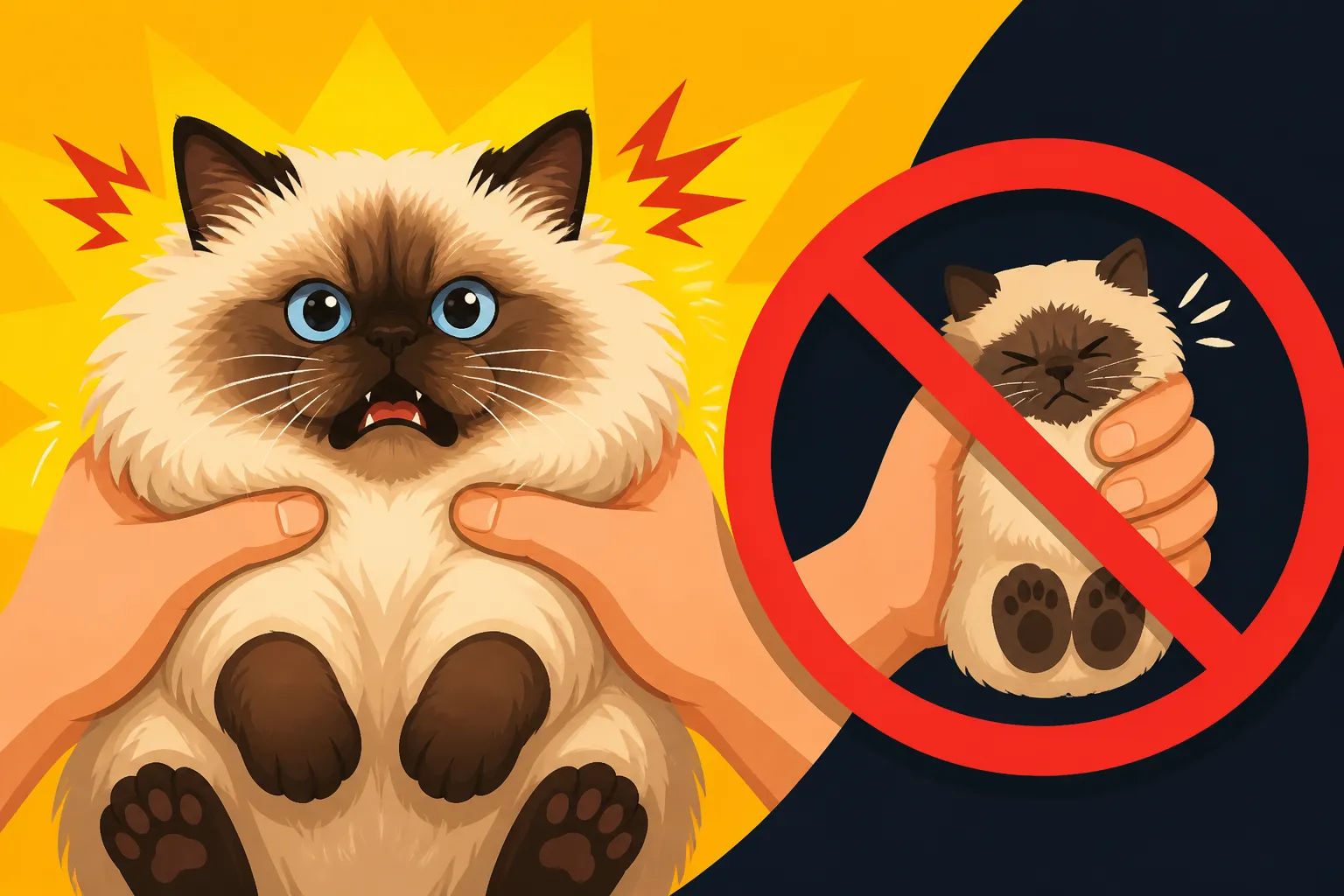
Why a Himalayan Should Never Be Squeezed
It's heartbreaking to think that some of our beloved Himalayan cats might be experiencing discomfort, or even pain, due to improper handling. Many people, often out of love and excitement, might instinctively want to give their fluffy companion a big squeeze, much like they would a teddy bear. However, for a Himalayan, this seemingly affectionate gesture can be incredibly detrimental to their physical health and emotional well-being. This guide will delve deep into the specific reasons why a Himalayan should never be squeezed, offering insights into their unique physiology and gentle temperament, and providing alternative ways to show your affection that truly respect their delicate nature.
Understanding the Himalayan's Unique Physicality
The Himalayan cat, with its stunning long coat and distinctive flattened face, is a marvel of feline genetics. But these very features that make them so captivating also make them physically vulnerable to handling that might be considered normal for other breeds. Their structure is not built for rough play or tight hugs; they require a gentle touch that respects their cobby build and delicate internal systems.
The Cobby Frame and Short Legs
Himalayans are renowned for their "cobby" body type – a descriptor that means they are compact, stocky, and well-muscled, with a broad chest and a substantial bone structure. Their legs are proportionally short, giving them a low-slung appearance. This robust yet compact build, while charming, is not designed to withstand compressive forces. When you squeeze a Himalayan, you're not just compressing fur; you're putting direct pressure on their internal organs, ribs, and spine. Imagine trying to hug a sturdy but short-legged coffee table; it just doesn't bend or give in the way a more flexible, elongated object might. Their solid frames mean that external pressure transmits directly inwards.
Beyond the internal organs, squeezing can put undue stress on their joints, particularly in their short legs and spine. While they might seem sturdy, repeated or forceful squeezing could potentially aggravate underlying skeletal sensitivities or even contribute to discomfort over time. It's why we always recommend proper lifting techniques that support their entire body, rather than clutching them around the middle. Think about Lifting a Cobby Himalayan Without Straining Its Back to understand the importance of even weight distribution. Their short legs also mean they aren't agile jumpers or climbers like a Siamese, and this inherent earth-bound nature translates to a preference for stability and gentle, supported movement.
Delicate Respiratory System and Brachycephalic Features
Perhaps the most critical reason to avoid squeezing a Himalayan is their brachycephalic, or "flat-faced," anatomy. This adorable short nose and broad face, inherited from their Persian ancestors, unfortunately comes with a predisposition to Brachycephalic Airway Obstruction Syndrome (BAOS). Their shortened nasal passages, often stenotic (narrow) nostrils, and an elongated soft palate mean their breathing is already a more labored process compared to a cat with a longer muzzle. Many owners are familiar with Why a Himalayan Snores Louder Than Its Siamese Ancestors, a direct consequence of this anatomy.
When a Himalayan is squeezed, the pressure on their chest and abdomen can severely restrict their diaphragm's ability to move freely, making it even harder for them to breathe. This can quickly lead to distress, panting, and even panic. Their limited ability to regulate body temperature through panting also means that any additional stress on their respiratory system can quickly lead to overheating, especially if they are already in a warm environment. It’s a bit like trying to breathe through a straw while someone presses on your chest; it's terrifying and dangerous. Respecting their fragile airway means avoiding any physical action that could impede their breathing or cause them anxiety related to air intake. Observing What a Well Built Himalayan's Breathing Sounds Like can help you recognize when your cat is breathing comfortably versus struggling.
The Luxuriant but Sensitive Coat
The Himalayan's spectacular long, dense coat is one of its most defining features. It's beautiful, but also surprisingly delicate and prone to tangles and mats. While squeezing might seem harmless from a fur perspective, it can actually cause friction and pressure points on the skin beneath. This can lead to discomfort, skin irritation, or even pull on the hair follicles, especially if the cat already has a slight tangle developing. How Often a Himalayan Must Be Combed isn't just about aesthetics; it's about skin health and comfort.
Furthermore, a long-haired cat's skin can be more sensitive than you might expect. Constant pressure in one area could potentially exacerbate minor skin issues or even create hot spots if the skin can't breathe. It also contributes to matting by pressing the undercoat together tightly. Trying to smooth out a mat that has been formed under pressure can be a painful experience for the cat, turning grooming into a battle rather than a bonding moment. When you consider the sheer volume of their fur and the delicate nature of the underlying skin, a tight squeeze becomes less of an embrace and more of a potential source of irritation and discomfort, affecting both their physical comfort and the health of their magnificent coat.
Behavioral Impact of Squeezing
Beyond the physical risks, squeezing a Himalayan can have profound negative impacts on their psychological state and their relationship with you. Himalayans are generally known for their sweet, docile, and affectionate temperaments, but they are still cats, and cats communicate their boundaries. Ignoring these signals or forcing physical interaction can erode trust and lead to undesirable behavioral changes.
Breaching Trust and Creating Fear
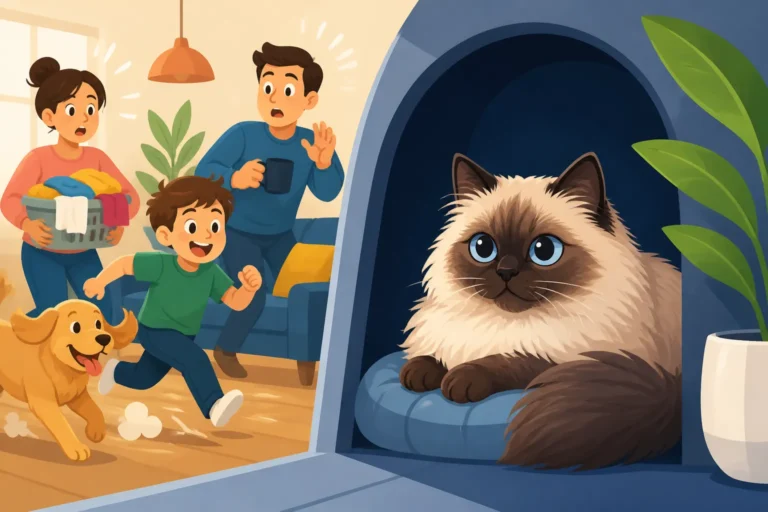
Cats, including Himalayans, thrive on predictability and feeling safe in their environment. When a cat feels physically constrained or unable to escape a situation, it can trigger their innate fight or flight response. A squeeze, especially one that restricts their movement, directly interferes with their sense of autonomy and control. Even if they don't lash out, they might internalize this as a threat. Over time, repeated squeezing can break the bond of trust you've worked so hard to build. Your cat might start to associate your presence with discomfort or fear, leading them to hide from you, avoid your touch, or become wary when you approach.
For a breed as placid as the Himalayan, who values routine and gentle interaction, such experiences can be particularly unsettling. They are not prone to dramatic displays of displeasure, but their quiet withdrawal can be a clear sign of distress. They might become reluctant to sit in your lap or accept petting, signaling a retreat from affection because they anticipate an unpleasant embrace. Instead of creating a closer bond, squeezing drives a wedge between you, replacing affection with apprehension. Building trust is a gradual process that involves respecting their space and their cues. Handling a Himalayan So It Will Let You Comb It is an excellent example of how patient, consistent, and gentle interaction fosters a trusting relationship.
Stress, Anxiety, and Behavioral Changes
A cat that is frequently squeezed or handled roughly can develop chronic stress and anxiety. These aren't always obvious; a Himalayan might simply retreat more, become less playful, or even exhibit subtle physical symptoms of stress, such as over-grooming or changes in appetite. Stress weakens their immune system and can exacerbate existing health issues, making them generally less resilient. A cat living in a state of constant low-level anxiety isn't a happy cat.
This ongoing stress can also manifest in other behavioral problems. While Himalayans are generally known for being polite and Why a Himalayan Walks Away Rather Than Scratch, consistent fear can lead even the most docile cat to eventually defend itself. They might hiss, swat, or even bite if they feel cornered and believe they have no other option. These behaviors aren't because the cat is "mean," but rather a desperate attempt to communicate that their boundaries are being violated and they feel unsafe. Preventing these issues starts with understanding their limits and interacting with them in ways that promote calm and security.
Communication and Respecting Boundaries
Himalayans communicate their comfort levels in subtle ways. A twitch of the tail, a slight flattening of the ears, a shift in body position, or even just looking away can all be signals that they're not enjoying the interaction. They might try to gently pull away, or simply stiffen their bodies. Learning to read these signals is crucial for any cat owner, but especially for those with such a gentle and often stoic breed. When they do express discomfort, it's our responsibility to listen and adjust our behavior immediately.
Squeezing is a complete disregard for these boundaries. It teaches the cat that their signals don't matter, and that their personal space will be invaded regardless of their feelings. This can lead to a cat that shuts down, appearing passive but internally distressed. True affection comes from a place of mutual respect. It's about offering a gentle pet, allowing them to lean into your touch, or inviting them onto your lap without force. Understanding Why a Himalayan Moves Rooms as the Sun Does speaks to their need for comfort and control over their environment, a principle that extends to physical interaction.
Safe Handling Techniques for Himalayans
Showing affection to your Himalayan doesn't have to involve squeezing. In fact, there are countless ways to interact with them that are not only safer but also far more enjoyable and enriching for both of you. The key is gentleness, support, and respect for their unique physical and emotional needs.
Proper Lifting and Support
When you need to pick up your Himalayan, always do so with care and support their entire body. Never grab them around the middle or by their front legs, as this puts all their weight on their delicate spine and internal organs. The proper technique involves placing one hand under their chest, just behind their front legs, and the other hand under their hindquarters, supporting their rear end. Lift them smoothly and bring them close to your body, ensuring they feel secure. This full-body support prevents strain on their back and keeps their internal structures from being compressed.
Think of it like cradling a baby: you wouldn't let their head or legs dangle unsupported. The same care applies to your cobby Himalayan. When you carry them, hold them firmly but gently against your chest, allowing them to feel safe and stable. This technique is especially important if you have children in the household. It’s vital to be Teaching a Child to Hold a Cobby Himalayan Properly, emphasizing that cats are not toys to be squeezed or swung around. Demonstrating and supervising proper handling from a young age can prevent accidental injury and foster a respectful relationship between children and pets. You can find detailed guides on this technique on many reputable pet care sites or even instructional videos.
Gentle Affection and Lap Time
Himalayans are renowned lap cats, and they truly cherish gentle affection. Instead of squeezing, offer a soft pet behind the ears, a slow stroke down their back, or a gentle chin scratch. Many Himalayans adore being brushed, which can be a wonderful way to bond while also maintaining their magnificent coat. Consider investing in a good quality steel comb, easily found on Amazon, and turn grooming into a daily ritual of love and connection. Allow them to initiate contact and settle onto your lap on their own terms. Once they are comfortable, gentle pets and soft murmurs of affection are far more impactful than any tight embrace.
If your Himalayan isn't a fan of being picked up, try encouraging them onto a sofa or chair next to you. Many Himalayans, being rather content to lounge, are more than happy to be Why a Himalayan Stays on the Floor and the Sofa and accept attention there. Provide them with a soft blanket or bed, and simply sit near them, offering your hand for them to sniff before reaching out to pet. Over time, consistent gentle interaction will build their confidence and deepen your bond. The key is patient, unforced affection that respects their inherent calm and docile nature.
Grooming as a Bonding Experience
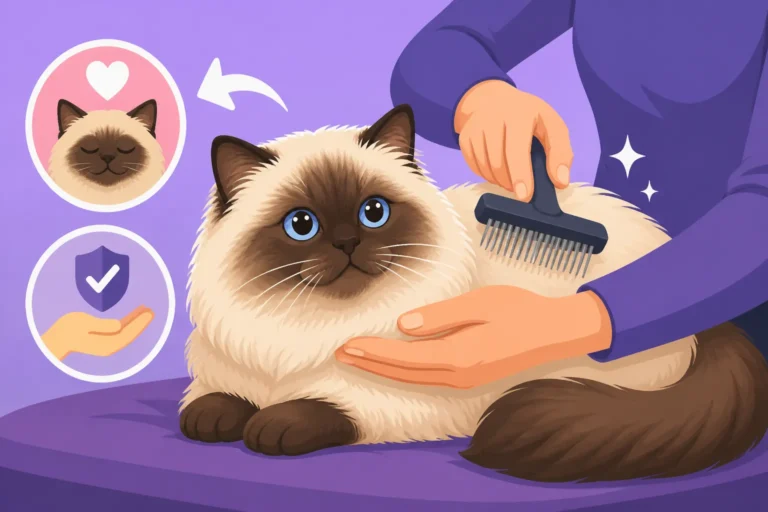
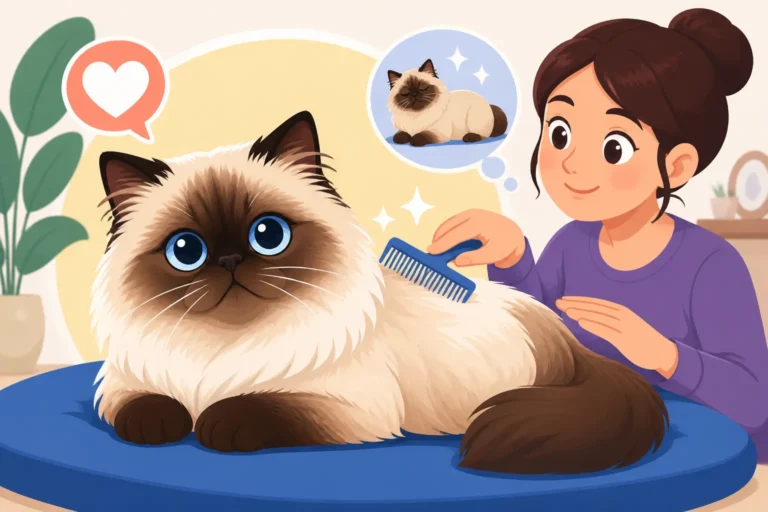
Grooming, when done correctly and gently, can be one of the most powerful ways to bond with your Himalayan. Their long, luxurious coats require daily attention, and this routine provides a fantastic opportunity for positive physical interaction without any squeezing. Instead of seeing grooming as a chore, approach it as dedicated cuddle time. Use a wide-toothed comb first, then a finer-toothed steel comb, working through their fur slowly and methodically. This isn't just about keeping mats at bay; it's about connecting.
Start with short sessions, rewarding your cat with treats or praise for their cooperation. Getting a Himalayan Kitten Used to the Comb from a young age is crucial for establishing this positive routine. Pay special attention to areas prone to matting like their armpits, britches, and behind their ears. While grooming, you're not only taking care of their physical needs but also reinforcing that your touch is gentle and safe. If you encounter a tangle, never pull or yank. Instead, gently work it out with your fingers or a mat splitter. If the coat is truly matted, a professional groomer may be needed, but daily preventative grooming as a bonding experience can minimize such drastic interventions. For their specific facial needs, remember the importance of The Morning Face Routine Every Himalayan Needs with soft wipes, which can also become a moment of gentle interaction.
| Feature/Action | Impact of Squeezing | Impact of Gentle Handling |
|---|---|---|
| Physical Body | Compression of internal organs, ribs, spine; joint strain | Full support, no compression; comfortable posture |
| Respiratory System | Restricted breathing, increased distress, risk of panic | Open airways, relaxed breathing; promotes calm |
| Coat & Skin | Fur pulling, skin irritation, accelerates matting | Gentle brushing, healthy skin, prevents mats |
| Trust & Security | Fear, anxiety, broken trust, avoidance behaviors | Feeling safe, secure bond, increased affection |
| Behavioral Response | Defensive reactions (hissing, swatting); withdrawal | Calm demeanor, seeking attention, relaxed interaction |
| Long-Term Health | Chronic stress, potential physical injury | Reduced stress, better overall well-being |
Disclaimer
This article is for general informational purposes only and does not constitute professional advice. Laws, prices and regulations vary by location and change over time. Consult a qualified professional for guidance on your specific situation.