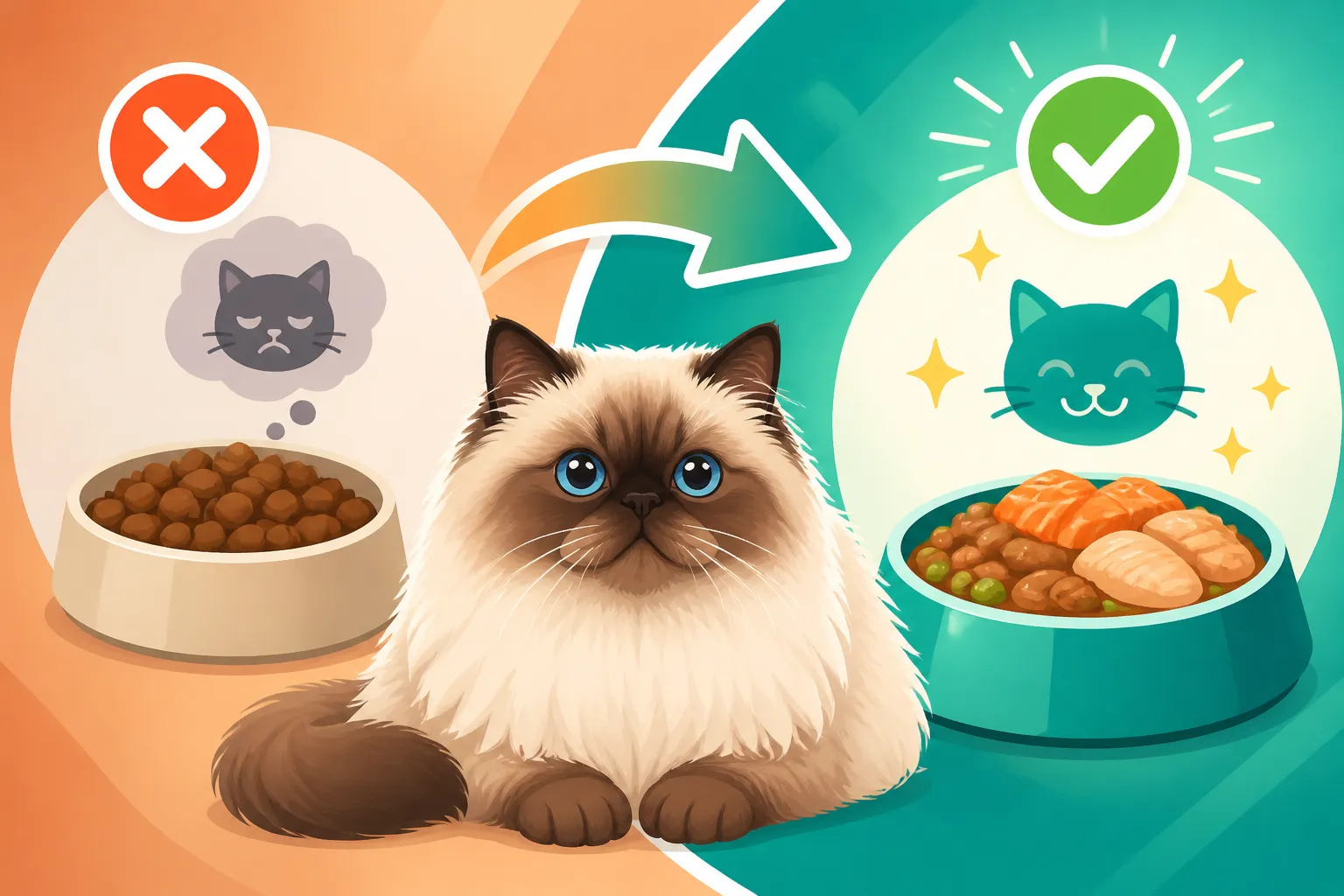
Changing a Himalayan’s Food Without Dulling Its Points
It's a common worry among Himalayan cat owners: you want to give your beloved feline friend the very best nutrition, perhaps even switch to a higher quality food, but there's this nagging fear. What if the new diet dulls their magnificent points, those stunning contrasts that make Himalayans so uniquely beautiful? This guide is here to walk you through how to navigate a food change thoughtfully, ensuring your Himalayan's coat remains as lustrous and vibrant as ever.
Why a Food Change Might Be Necessary for Your Himalayan
Life with a Himalayan is never dull, and neither should their diet be stagnant if it's not serving them well. There are many perfectly valid reasons why you might consider changing your Himalayan's food, and understanding these can help you feel more confident in your decision. It's not just about a whim; often, it's about their long-term health and well-being.
Addressing Health Concerns or Dietary Needs
Our Himalayans, with their unique Persian ancestry, can sometimes present us with specific health challenges or dietary sensitivities. Perhaps your furry friend has started to exhibit signs of a sensitive stomach, with occasional vomiting or loose stools, making you wonder if their current food is truly agreeing with them. Or maybe, as they gracefully mature, your veterinarian has recommended a senior diet to support their aging joints and organs. Cats can also develop allergies to certain ingredients over time, leading to itchy skin or digestive upset. In these instances, a dietary change isn't just an option; it's a necessity to improve their quality of life. Always consult with your vet before making significant dietary shifts, especially when health is a factor, as they can help identify the root cause and guide you toward the most appropriate therapeutic diet.
Beyond sensitivities, a Himalayan might need a different food to manage a pre-existing condition. For example, some may require specific formulations for kidney support as they age, especially given the breed's predisposition to certain renal issues. Others might benefit from a weight management formula if they've become a little too "cobby" for their own good, which can impact their mobility and overall health. Addressing these needs with a targeted diet can make a world of difference, helping them feel better, look better, and potentially extend their lifespan.
Improving Coat Condition and Overall Vibrancy
One of the most striking features of a Himalayan is their luxurious, long coat and those captivating, darker points. It's entirely natural to worry about anything that might diminish this beauty. However, a less-than-ideal diet can absolutely manifest in a dull, dry, or excessively shedding coat. If you've noticed your Himalayan's fur looking a bit lackluster, feeling coarse, or matting more easily despite regular grooming, their food might be the culprit. A diet lacking in essential fatty acids or high-quality protein can directly impact the health and vitality of their skin and fur.
While the color of their points is genetically determined by temperature-sensitive enzymes, the vibrancy and lustre of the fur that displays those points are heavily influenced by nutrition. A healthy coat will show off those deep seal points or brilliant blue points with far more contrast and shine than a poorly nourished one. Think of it like a beautiful painting: the colors are inherent, but a glossy, well-maintained canvas makes them truly pop. We all want our Himalayans to look their best, and sometimes, a switch to a more nutrient-dense food specifically formulated for skin and coat health can bring back that show-stopping sheen. After all, Why a Poorly Contrasted Himalayan Loses in the Ring highlights just how important that coat quality and contrast are, even in competition.
Seeking Better Quality or Palatability
Sometimes, the reason for a food change is simply about striving for better. Perhaps you've been doing more research and learned about higher-quality ingredients or more balanced formulations available on the market. The pet food industry is constantly evolving, with new brands and improved products emerging regularly. You might decide you want to move away from foods with excessive fillers or by-products and transition to one with whole, recognizable ingredients. Many owners explore options available through online retailers like Chewy or Amazon, giving them access to a broader range of premium foods that might not be on local grocery shelves.
It's also possible your Himalayan has simply grown tired of their current food. While they aren't always as finicky as some breeds, cats can sometimes become bored with the same meal day in and day out. A lack of enthusiasm at mealtime, or even a slight pickiness, could be a sign they're ready for a culinary adventure. Offering a new, palatable option, perhaps a fresh food, could reignite their joy for eating and ensure they're getting all the nutrients they need without a struggle.
The Science Behind Your Himalayan's Point Colors and Coat Health
Before we dive into how to change food, it’s helpful to understand why we’re so concerned about their beautiful coats and points. It’s not just vanity; it’s intrinsically linked to their overall health.
How Temperature and Genes Influence Point Pigment
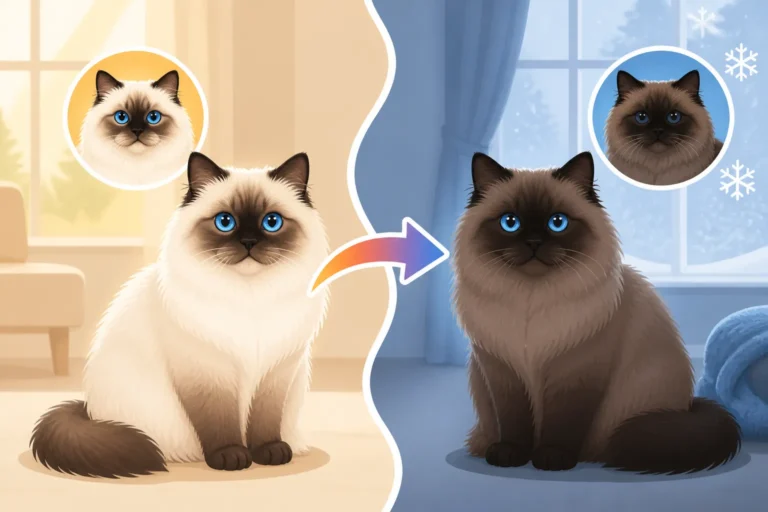
The striking point coloration of a Himalayan is one of its most defining characteristics, and it's all thanks to a fascinating bit of genetics. Himalayans carry a temperature-sensitive gene that only allows pigment to develop in the cooler parts of their body – their ears, face, paws, and tail. This is Why the Cold Parts of a Himalayan Grow Dark Fur and why every Himalayan kitten is born almost entirely white, developing their points as they are exposed to the cooler ambient temperature outside their mother's womb. This means that diet doesn't directly alter the underlying pigment in the fur, no matter how much you might wish it could. The color is predetermined by their genetic makeup and external temperature.
However, while the color itself is fixed by genetics and temperature, the quality of the fur that displays that color can certainly be affected by diet. A dull, dry, or sparse coat will make even the most perfectly pigmented points appear less vibrant and less attractive. The concern isn't that a new food will "bleach" the points, but rather that poor nutrition might lead to a coat that lacks the shine, softness, and density to show off those points to their full potential. Our goal with proper nutrition is to support a magnificent, healthy coat that allows the points to truly shine.
Essential Nutrients for a Lustrous Coat
A Himalayan's coat is a marvel, but it takes a lot of nutritional resources to maintain its length, density, and luxurious feel. The building blocks for this magnificent fur come directly from their diet. High-quality protein is paramount; hair is primarily made of keratin, which is a protein. If a cat's diet is deficient in protein, or if the protein sources are of poor quality, their fur can become brittle, sparse, and dull. This is why What Protein Level a Himalayan's Coat Needs is often a key consideration when selecting food for these magnificent felines. Look for animal-based proteins listed as the first ingredients, such as chicken, turkey, or fish.
Beyond protein, essential fatty acids, particularly Omega-3 and Omega-6, are critical for skin and coat health. These fats contribute to the skin's barrier function, keeping it hydrated and protected, and they impart a beautiful sheen to the fur. A deficiency in these fats can lead to dry, flaky skin, excessive shedding, and a dull, greasy, or matted coat. Many high-quality cat foods supplement with fish oil, flaxseed, or other sources of these beneficial fats. Vitamins and minerals, such as Vitamin A, E, and B vitamins, along with zinc and copper, also play vital roles in cell regeneration and coat quality. A balanced diet ensures all these elements are present in the right proportions to support a truly lustrous coat. In fact, Why Omega Oils Keep a Himalayan's Coat From Matting is a topic many Himalayan owners dive into, recognizing the huge impact these nutrients have.
The Impact of Hydration on Skin and Fur
We often think about food in terms of solid nutrients, but hydration is just as, if not more, crucial for a cat's overall health, and this extends directly to their skin and coat. Cats, descended from desert animals, naturally have a low thirst drive, meaning they often don't drink enough water independently, especially if primarily fed dry kibble. Dehydration can quickly show up in their physical appearance, including their fur.
When a cat is not adequately hydrated, their skin can become dry, leading to flakiness and itching. This compromised skin health then impacts the hair follicles, resulting in a duller, more brittle coat that is prone to shedding and matting. Offering a diet rich in moisture, such as wet food, can significantly boost a Himalayan's daily water intake. This helps keep their skin supple, promotes healthy hair growth, and contributes to a shinier, softer coat that beautifully displays their points. Even if your Himalayan enjoys kibble, ensuring multiple, easily accessible water sources, perhaps even a flowing water fountain, can make a difference.
The Gentle Art of Transitioning Your Himalayan's Diet
Changing a cat's food isn't like swapping out your own dinner. Their digestive systems are sensitive and thrive on consistency. Rushing a food change can lead to upset, and that's the last thing we want for our precious Himalayans.
Why Slow and Steady Wins the Race
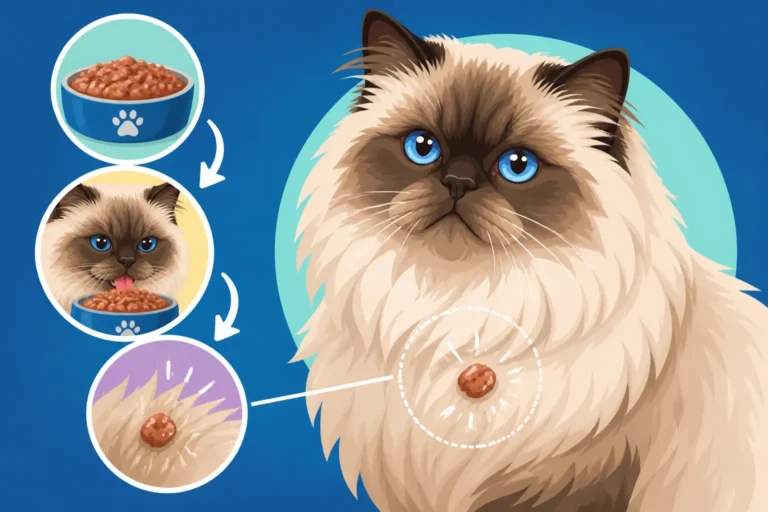
Imagine suddenly switching your entire diet overnight to something completely new and different. Your stomach probably wouldn't be too happy, right? It's the same for our feline friends, especially those with sensitive systems like some Himalayans. Their digestive tracts need time to adjust to new ingredients, different protein sources, and varying fiber levels. A sudden change can easily lead to gastrointestinal upset, manifesting as vomiting, diarrhea, or a refusal to eat altogether. Not only is this uncomfortable for your cat, but it can also be incredibly worrying for you.
A gradual transition minimizes the risk of digestive distress by allowing the beneficial gut bacteria in your Himalayan's system to slowly adapt to the new food. It gives their digestive enzymes time to increase or decrease as needed for optimal nutrient absorption. This gentle approach isn't just about preventing immediate symptoms; it's about ensuring their body can properly process and utilize the nutrients from the new food to maintain their magnificent coat and overall health. Patience truly is a virtue here.
A Step-by-Step Transition Plan
The key to a successful food transition is gradual introduction. While individual cats may vary in how quickly they adapt, a 7-10 day schedule is generally recommended. For a particularly sensitive Himalayan, you might even stretch this out to two weeks. The idea is to slowly increase the proportion of the new food while decreasing the old food.
Here’s a typical schedule you can follow:
| Day | Old Food Percentage | New Food Percentage | Notes |
|---|---|---|---|
| 1-3 | 75% | 25% | Introduce a small amount of new food. Watch for any upset. |
| 4-6 | 50% | 50% | Equal parts. Continue monitoring stool consistency and appetite. |
| 7-9 | 25% | 75% | Mostly new food now. The digestive system should be largely accustomed. |
| 10+ | 0% | 100% | Full transition. Continue to observe for long-term acceptance and benefits. |
If at any point your Himalayan shows signs of digestive upset (vomiting, diarrhea, refusal to eat), simply revert to the previous day's ratio and hold there for a few more days before trying to advance again. Some cats may need an extra day or two at each stage. Remember, there's no rush!
Monitoring for Digestive and Coat Changes
Throughout the transition, your job as a diligent Himalayan parent is to be an observant detective. The most immediate things to watch for are digestive changes. Pay close attention to their litter box habits: are their stools still well-formed? Any signs of looseness, unusual color, or strong odor could indicate their system isn't happy. Watch for vomiting or any changes in appetite. If they suddenly lose interest in food or appear lethargic, it's a clear signal to slow down or consult your vet.
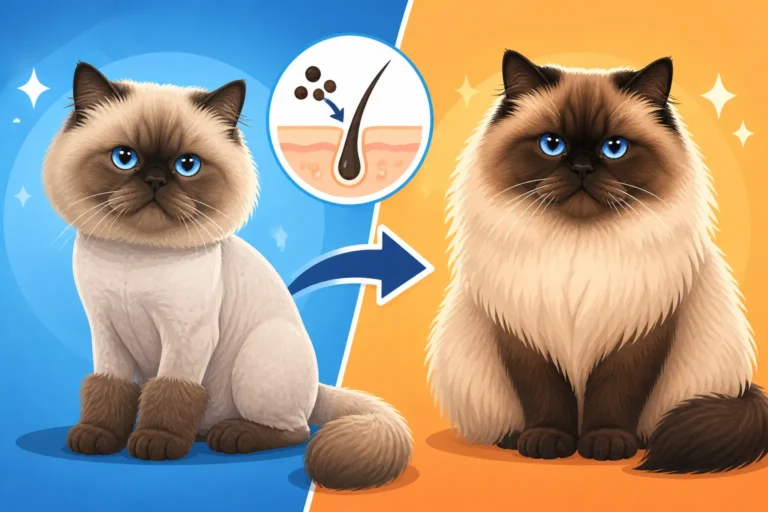
Beyond immediate digestive issues, keep a keen eye on their coat and skin. While the benefits of a new, high-quality food might not be immediately apparent, you certainly don't want to see any negative changes. Look for increased shedding, new areas of dullness, or signs of flaky skin. A healthy Himalayan coat, with its substantial undercoat, is already a lot to manage, and we don't want to add to that burden. How Much Undercoat a Himalayan Carries Under Its Points means any additional shedding or dryness can quickly lead to more matting and discomfort. If you notice a worsening of coat condition, it might be that the new food isn't suitable, and you'll need to re-evaluate your choice.
Choosing the Best Food to Maintain Vibrant Points and a Healthy Coat
The market is flooded with cat food options, and it can feel overwhelming to pick the right one. For a Himalayan, whose coat is such a crowning glory, making an informed choice is even more critical.
Prioritizing High-Quality Protein Sources
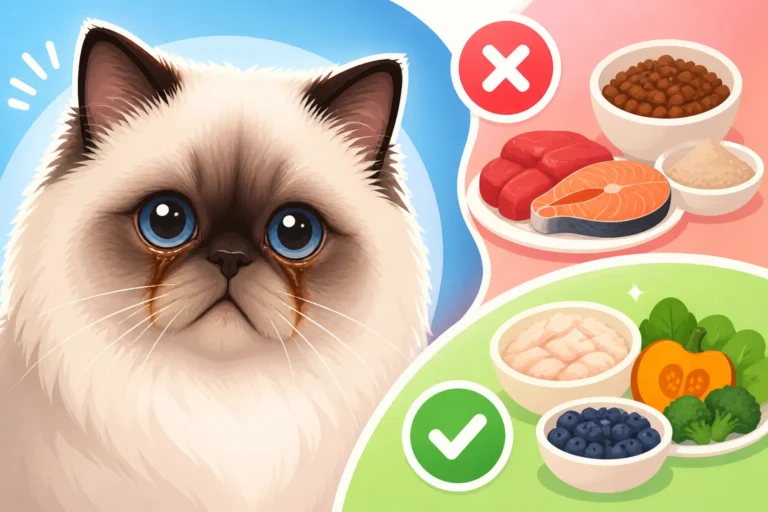
When selecting a new food for your Himalayan, the first place to look is the ingredient list, specifically at the protein sources. Cats are obligate carnivores, meaning their bodies are designed to derive nutrients primarily from animal proteins. Therefore, the first few ingredients on the label should ideally be named animal proteins – think "chicken," "salmon," "lamb," or "turkey," rather than vague terms like "meat by-products" or "animal digest." These specific animal proteins provide the complete amino acid profile necessary for your Himalayan's health, including the building blocks for strong, healthy hair growth.
A diet rich in high-quality animal protein is fundamental for maintaining the integrity and luster of your Himalayan's long, flowing coat. Without adequate protein, hair growth can be compromised, leading to a duller appearance, increased breakage, and even thinning of the fur. Remember, a healthy coat is a vibrant coat, showcasing those beautiful points with clarity and depth. Websites like Chewy or Amazon often allow you to filter by protein source, making it easier to find foods that meet these high standards.
The Role of Omega Fatty Acids and Antioxidants
Beyond protein, Omega fatty acids are non-negotiable for a truly magnificent Himalayan coat. Specifically, Omega-3s (found in fish oils like salmon oil or flaxseed) and Omega-6s (often from chicken fat or certain vegetable oils) work synergistically to support skin health and impart a glorious sheen to the fur. Omega-3s are known for their anti-inflammatory properties, which can help soothe dry, itchy skin and reduce excessive shedding. Omega-6s contribute to the skin's barrier function, keeping moisture in and irritants out. A diet rich in these essential fats results in a softer, shinier coat that is less prone to matting and breakage, allowing your Himalayan's points to truly stand out. Why Omega Oils Keep a Himalayan's Coat From Matting is a testament to their importance.
Antioxidants, such as vitamins E and C, and specific plant extracts, also play a crucial role by protecting cells from damage caused by free radicals. This cellular protection extends to skin and hair follicles, supporting overall coat health and vitality. When selecting a food, look for ingredients like berries, kale, or specific antioxidant supplements within the formula. These combined nutrients create a powerful defense system for your Himalayan's skin and fur, ensuring it stays as beautiful and resilient as possible.
Wet vs. Dry Food: Pros and Cons for Himalayans
Deciding between wet and dry food, or a combination of both, involves weighing several factors specific to the Himalayan breed. Dry kibble is often convenient and can be beneficial for dental health, as the crunchy texture helps scrape away plaque. However, given a Himalayan's characteristic flattened face and crowded jaw, chewing kibble effectively can sometimes be a challenge. They might struggle to pick up smaller pieces, or the shape might not be conducive to their bite. This is also why Which Bowl Shape a Flat Faced Himalayan Can Use is an important consideration, as many traditional bowls make eating dry food difficult for them.
Wet food, on the other hand, offers a significant advantage in terms of hydration. As mentioned earlier, cats often don't drink enough water, and the high moisture content in wet food can compensate for this, promoting better kidney health and contributing to supple skin and a vibrant coat. For Himalayans, who can be prone to certain health conditions, ensuring adequate hydration is paramount. The downside might be that wet food doesn't offer the same dental benefits as kibble, potentially necessitating more frequent dental care. Many owners find a mixed diet—wet food for hydration and nutrition, and a specifically designed kibble for dental support or as a small snack—works best. Fresh food options combine high moisture with carefully selected ingredients, which can be an excellent choice for coat health.
Avoiding Fillers and Unnecessary Additives
Just as important as what is in your Himalayan's food is what isn't. Many lower-quality pet foods rely on fillers like corn, wheat, or soy to bulk up the product cheaply. While these ingredients aren't inherently toxic, they offer little nutritional value for an obligate carnivore and can be difficult for some cats to digest. For a Himalayan, whose digestive system can be quite sensitive, these fillers can lead to gastrointestinal upset, poor nutrient absorption, and ultimately, a compromised coat.
Artificial colors, flavors, and preservatives are another category to scrutinize. These additives are often included to make the food more appealing to human buyers rather than for any benefit to the cat. While the long-term effects aren't always clear, many pet parents prefer to avoid them, opting for foods with natural preservatives and no artificial enhancements. Choosing a food that focuses on whole, identifiable ingredients and shies away from unnecessary fillers and artificial additives helps ensure your Himalayan is getting truly nourishing fuel, which will be reflected in their energetic demeanor, robust health, and, of course, that magnificent, lustrous coat and vibrant points.
Disclaimer
This article is for general informational purposes only and does not constitute professional advice. Laws, prices and regulations vary by location and change over time. Consult a qualified professional for guidance on your specific situation.