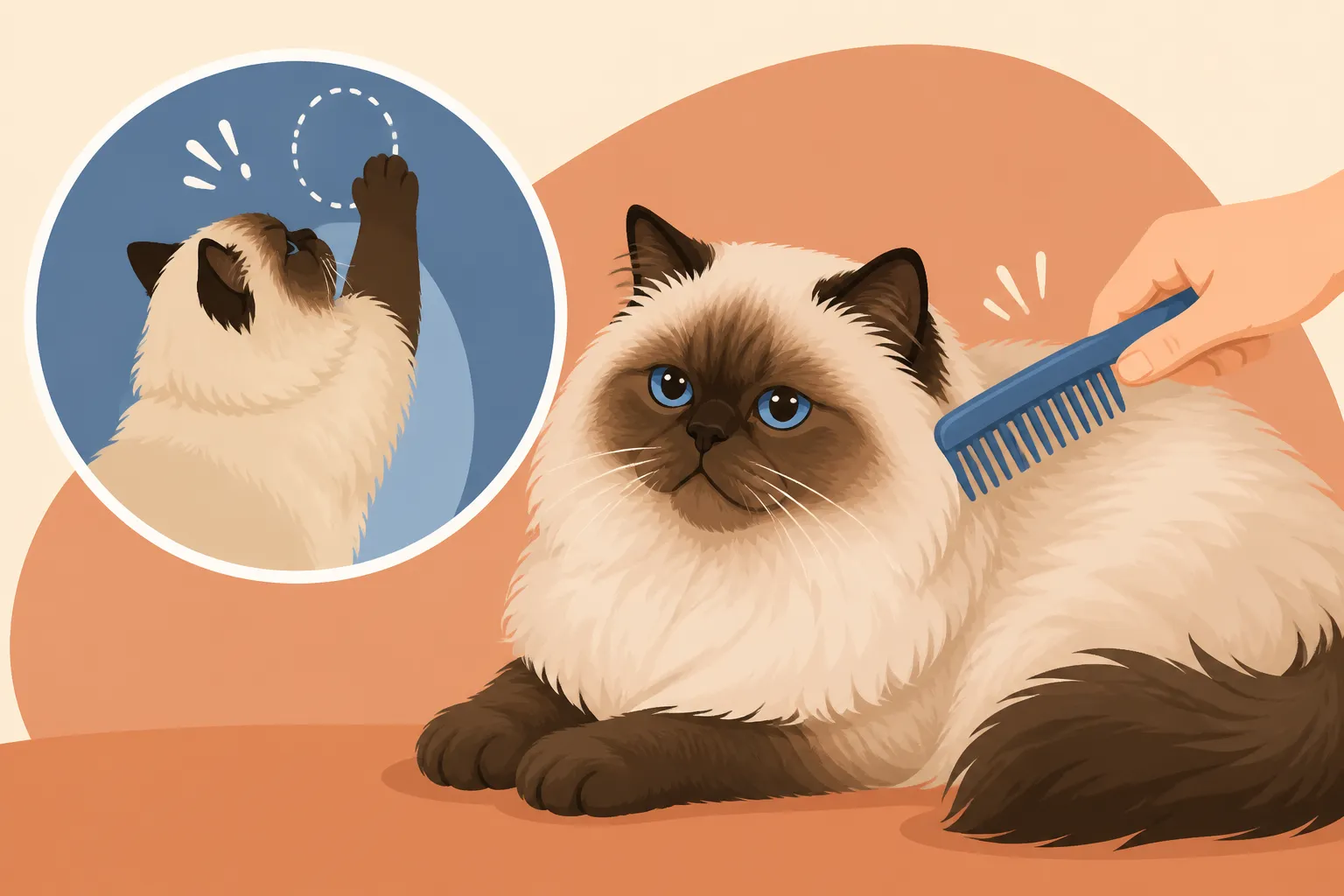
Combing the Points an Old Himalayan No Longer Reaches
As our beloved Himalayan companions age, their once effortless grace in grooming can start to wane, leaving them vulnerable to uncomfortable mats and skin issues in those hard-to-reach spots. This guide is dedicated to helping you understand why your senior Himalayan might be struggling with self-grooming and, more importantly, how you can lovingly assist them in maintaining their magnificent coat, ensuring their comfort and well-being through their golden years.
The Inevitable Challenges of Grooming an Aging Himalayan
It's a tough pill to swallow, but time marches on for our furry family members just as it does for us. As Himalayans enter their senior years, typically around 8-10 years old, you'll often notice a shift in their grooming habits. What used to be a meticulous, almost ritualistic daily affair can become a forgotten task, especially in those tricky areas. This isn't out of laziness or spite, but often due to underlying physical limitations that make bending, stretching, and twisting difficult or even painful.
Imagine trying to reach your own lower back or shoulder blades if you had stiff joints or aching muscles – it's a frustration many older Himalayans experience daily. Their long, luxurious coats, while stunning, also become a significant burden when they can no longer keep up with the maintenance. Mats can form quickly, pulling on their delicate skin and leading to discomfort, infections, and even behavioral changes. It's a sad cycle where the very thing that makes them so beautiful can become a source of misery.
Decreased Flexibility and Joint Pain
One of the most common culprits behind an older Himalayan's grooming struggles is the onset of arthritis or general joint stiffness. Their cobby, short-legged build, inherited from their Persian lineage, means they already have a somewhat stocky frame, which can put extra strain on their joints over a lifetime. As the cartilage wears down, movements that were once fluid become painful. Reaching around to their lower back, their hindquarters, or even their armpits can cause sharp twinges or a dull ache. You might notice them hesitating before attempting a stretch, or simply giving up halfway through a grooming session, preferring to nap in their favorite warm spot instead.
This reduced flexibility isn't just about pain; it's about the physical impossibility of maneuvering their bodies into the necessary positions to reach every part of their voluminous coat. Their powerful ruffs and dense britches, which are the pride of the breed, suddenly become impenetrable forests they can no longer navigate with their tongues and paws. It’s not that they don’t want to be clean; it’s that their bodies are staging a quiet rebellion, making comprehensive self-grooming a distant memory. This is where our intervention becomes absolutely vital, transforming from an option to a necessity for their comfort.
Dental Issues and Mouth Discomfort
Another often-overlooked factor is the state of their teeth and gums. A Himalayan's shortened jaw, a characteristic of the breed, often leads to crowded teeth. This crowding, combined with years of wear and tear, can result in significant dental problems as they age. Think about it: a cat uses its mouth and tongue extensively for grooming. If they have a painful tooth, inflamed gums, or even a missing tooth, the simple act of licking their coat can become excruciating.
Imagine trying to brush your hair if your hand hurt every time you lifted it. Similarly, a cat with a sore mouth will instinctively avoid using it for grooming, especially in areas that require intricate tongue work. This means the lower belly, the inside of their legs, and those britches become neglected territory. Regular dental check-ups are crucial for Himalayans, even more so as they age. A healthy mouth isn't just about fresh breath; it's fundamental to their ability to keep themselves clean and comfortable. Why a Himalayan Needs Dentals Earlier Than a Siamese explores this topic in more detail.
Understanding Why Older Himalayans Struggle with Grooming
It's easy to assume an older cat is just "slowing down," but there are specific physiological reasons why their grooming habits deteriorate. Recognizing these causes can help you approach their care with more empathy and tailor your assistance to their unique needs. It's about meeting them where they are, rather than expecting them to meet standards their bodies can no longer achieve.
Their magnificent coats, a hallmark of the Himalayan breed, demand consistent attention. When a cat who once prided themselves on their pristine appearance suddenly lets it go, it's a clear signal that something is amiss. This isn't a minor inconvenience; it's a welfare issue that can quickly escalate, leading to skin infections, discomfort, and even affecting their appetite and mood.
Weight Gain and Mobility Limitations
It's no secret that many cats tend to gain a bit of weight as they age, especially if their activity levels drop. For a Himalayan, whose "cobby" body type already means a sturdy, compact build, even a few extra pounds can have a profound impact on their mobility and, by extension, their grooming capabilities. An overweight Himalayan simply cannot bend and twist effectively to reach all areas of their body. Their belly might be too large to comfortably lick, and their hindquarters might become entirely inaccessible.
This weight gain isn't just a matter of aesthetics; it adds extra strain on already stiff joints, creating a vicious cycle where discomfort leads to less movement, which leads to more weight gain. The once regal ruff and flowing britches become matted and soiled because the cat physically cannot reach them. If you can't feel your Himalayan's ribs easily, or if their waistline has disappeared, it's a strong indication that weight might be a contributing factor to their grooming woes. How to Find a Himalayan's Ribs Through a Persian Coat gives practical tips for assessing their body condition. Addressing weight, even in older cats, can significantly improve their comfort and ability to move.
Cognitive Decline and Reduced Self-Awareness
Just like humans, cats can experience cognitive decline as they age. This might manifest as confusion, disorientation, or a general decrease in their awareness of their surroundings and even their own bodies. An older Himalayan might simply forget to groom certain areas, or the intricate multi-step process of cleaning their coat might become too complex for their aging minds to follow. They might spend less time on overall grooming, or become less thorough, leaving patches neglected.
You might notice other signs of cognitive dysfunction, such as staring blankly into space, changes in sleep-wake cycles, or altered interactions with you. In these cases, it's not a matter of physical limitation alone, but a cognitive one. They might not even register that their coat is becoming matted and uncomfortable. This makes your role as their primary caregiver even more critical, as you become their memory and their motor skills for maintaining their hygiene. Patience and gentle reminders, alongside hands-on assistance, become paramount.
Essential Grooming Tools for the Aging Himalayan
When you're stepping in to help your senior Himalayan with their grooming, having the right tools makes all the difference. It's not just about getting the job done, but about making the experience as comfortable, stress-free, and effective as possible for both of you. Investing in high-quality tools designed for long, dense coats will save you a lot of frustration and prevent potential harm to your cat's delicate skin.
Think of it like choosing the right brush for your own hair – you wouldn't use a cheap plastic comb on a long, thick mane, would you? The same principle applies to your Himalayan. Their coat isn't just hair; it's a living part of them that needs respect and the right implements to maintain its health and beauty.
Wide-Toothed Metal Comb and Undercoat Rake
For tackling those deep, dense areas where mats love to hide, a good quality, wide-toothed metal comb is your absolute best friend. Look for one with both wide and medium-spaced teeth. The wider teeth are excellent for gently teasing apart larger tangles and working through the top layers of the coat, while the slightly closer-set teeth can help you get right down to the skin to ensure no hidden mats are forming. Always opt for metal over plastic, as plastic combs can generate static, pull hair, and aren't nearly as durable or effective.
An undercoat rake is another indispensable tool, particularly for a Himalayan whose coat is a thick double layer. This tool is specifically designed to reach through the topcoat and gently remove loose undercoat, which is often the primary culprit behind matting. Using an undercoat rake a few times a week can significantly reduce the amount of shedding and prevent dense mats from forming deep within their fur, especially around their hips, belly, and ruff. Remember, the goal isn't to pull out healthy fur, but to remove the dead undercoat that would otherwise tangle. Many brands, easily found on Amazon or Chewy, offer excellent options for these tools.
Soft Bristle Brush and Mat Splitter
While the metal comb and undercoat rake are for serious detangling and mat prevention, a soft bristle brush is wonderful for finishing touches and for daily gentle grooming, especially for older cats who might be more sensitive. It helps to distribute natural oils, making their coat shiny and healthy, and provides a comforting massage. This can be a great way to bond with your cat and end a grooming session on a positive note. For areas where a small mat has already started to form, a mat splitter can be a lifesaver.
A mat splitter is a specialized tool with a razor-sharp edge designed to cut through a mat lengthwise, rather than tearing it out. This allows you to then comb out the smaller sections, minimizing pulling and discomfort for your cat. Never try to cut out mats with scissors, especially close to the skin, as it's incredibly easy to accidentally cut your cat. Always use a mat splitter with extreme caution and follow the directions carefully, ensuring you're only targeting the mat and not the underlying skin. Many groomers recommend these tools for sensitive areas or particularly stubborn tangles, and they are widely available from pet supply retailers like Chewy.
Step-by-Step Guide to Combing Hard-to-Reach Areas
Helping your older Himalayan with their grooming requires patience, a gentle touch, and a systematic approach. Rushing the process or being heavy-handed will only make them more resistant, turning a necessary routine into a stressful ordeal for both of you. The key is to work in short sessions, making it a positive experience with treats and praise. Remember, consistency is more important than length when it comes to grooming a long-haired cat.
Think of each session as a mini-spa treatment for your feline friend. You're not just combing; you're providing comfort, checking for lumps or bumps, and reinforcing your bond. Handling a Himalayan So It Will Let You Comb It offers great advice on building that trust for grooming.
The Britches and Tail Base
The britches – the long, fluffy fur on their hindquarters and inner thighs – are notorious mat magnets, especially for older Himalayans who struggle to reach them. These areas often get soiled during litter box visits, which can quickly lead to painful, difficult-to-remove mats. Start by having your cat lie on their side, if they are comfortable. Use your wide-toothed comb to gently work through the fur, starting from the ends and slowly working your way down to the skin. Hold the fur closest to the skin with one hand while you comb with the other; this technique, called "line brushing," minimizes pulling on the skin.
For the tail base, lift the tail gently and comb the fur underneath and around the very top of the tail. This area can also accumulate litter and dander. Always be incredibly gentle around the tail, as it's a sensitive area. If you encounter small mats, try to tease them apart with your fingers first, then use the wide-toothed comb. If they're too dense, use a mat splitter as described earlier, carefully, by cutting into the mat, not across it. Finish with a soft brush to smooth the fur and ensure all loose hair is removed, which prevents new mats from forming.
Under the Armpits and Belly
The armpits are another prime location for mats, as this is a high-friction area where legs rub against the body. These mats can be incredibly painful, making movement difficult. Approach this area when your cat is relaxed, perhaps even purring in your lap. Gently lift one leg at a time, supporting their body, and use your wide-toothed comb to work through the fur. Again, start from the ends and move slowly towards the skin, using the line brushing technique. Be extra vigilant here, as the skin is very thin and delicate.
For the belly, if your Himalayan is amenable, try to get them to lie on their back in your lap. If not, gently comb one side of the belly at a time while they are on their side. The belly fur is often softer and finer, making it prone to tangles. Pay close attention to the area between their back legs. If you find any mats, proceed with extreme caution or consider professional help. Many cats are particularly sensitive about their bellies, so go slowly, offer plenty of praise, and stop if they show signs of distress. A favorite treat after a successful belly groom can work wonders!
The Ruff and Chest Area
The majestic ruff and chest, while beautiful, are also highly susceptible to matting due to constant rubbing, eating, and drinking. For older Himalayans, this area can become matted with food debris or even soiled from tear stains. Start with the ruff, working from the outer edges inwards, always combing away from their face. Use the wide-toothed comb to gently separate the long strands. This is an area where an undercoat rake can also be very effective for removing shedding fur.
Move down to the chest, ensuring you reach the fur right between their front legs. These mats can restrict movement and cause discomfort when they lie down. As always, work in small sections, being mindful of their breathing. If your Himalayan has a tendency to get tear stains that seep into their ruff, gently clean and dry this area daily with a soft cloth or pet-safe wipe before you comb. This proactive approach can prevent the fur from hardening and matting around their chin and chest. Why a Himalayan's Tears Run Onto Its Ruff provides helpful context on managing tear staining.
Adapting the Grooming Routine for Comfort and Safety
Grooming an older Himalayan isn't just about brushing; it's about creating an entire experience that caters to their specific needs, limitations, and sensitivities. Their comfort and safety must always be your top priority. This means adjusting not just how you groom, but when and where.
Remember, they're not as nimble as they once were, and their tolerance for discomfort might be much lower. Every interaction should build trust, not erode it. A gentle approach now will pay dividends in cooperation down the line.
Short, Frequent Sessions
Gone are the days when your Himalayan might have tolerated a marathon grooming session. For older cats, shorter, more frequent sessions are far more effective and less stressful. Aim for 5-10 minutes once or twice a day, focusing on one problem area or a general quick comb-through. This prevents them from becoming overwhelmed or developing aches from staying in one position for too long. It also means you're addressing potential mats before they become severe, making each session easier.
If you try to tackle everything at once, you risk frustrating both yourself and your cat. Small, consistent efforts compound over time, keeping their coat in much better condition than sporadic, intense sessions. Plus, these short, positive interactions, often accompanied by treats and cuddles, can actually become something your cat looks forward to, rather than dreads.
Creating a Calm Grooming Space
The environment where you groom your Himalayan plays a huge role in their cooperation. Choose a quiet, well-lit area where your cat feels safe and secure. Avoid noisy appliances, boisterous children, or other pets that might startle them. A non-slip surface, like a soft bath mat on a table or even just your lap, can make them feel more stable and less anxious, especially if they have arthritis.
Consider the temperature as well. Older Himalayans can overheat quickly due to their dense coats and flattened faces, especially during warmer months. Make sure the room is cool and comfortable. A calming pheromone diffuser nearby might also help. The goal is to create a predictable, positive routine that your cat associates with comfort and your undivided attention. A designated grooming spot helps reinforce this routine.
Gentle Handling and Positive Reinforcement
This cannot be stressed enough: always be gentle. Older cats often have thinner skin, more prominent bones, and existing aches and pains that aren't immediately visible. Support their body carefully, avoid sudden movements, and never pull on their fur. If you encounter a snag, gently work it out rather than yanking the comb. Pay attention to their body language: flattened ears, a swishing tail, growling, or trying to escape are all signs of discomfort or distress. Stop immediately and try again later.
Positive reinforcement is key. Offer small, high-value treats (like freeze-dried chicken or a tiny dollop of a high-quality wet food) throughout the session, not just at the end. Praise them in a soft, soothing voice. If they tolerate a particularly difficult spot, reward them generously. The aim is for them to associate grooming with positive outcomes, making them more cooperative for future sessions. If a mat is too difficult or painful for you to remove, it's always better to seek help from a professional groomer or veterinarian rather than causing your cat undue stress or injury.
Dietary and Environmental Support for Easier Grooming
While hands-on grooming is crucial, you can also support your aging Himalayan's coat health and overall well-being through their diet and living environment. What goes into their body and how comfortable their surroundings are can directly impact the quality of their coat and their ability to maintain it.
Think of it as an inside-out approach to grooming. A healthy cat, supported by proper nutrition and a comfortable home, will always have an easier time with their coat than one who is struggling with health or environmental factors.
Nutritional Support for Coat Health
A well-balanced diet is the cornerstone of a healthy coat, regardless of age. For older Himalayans, who might have less efficient nutrient absorption, choosing the right food becomes even more important. Look for high-quality cat foods that are rich in animal protein and contain essential fatty acids, particularly Omega-3 and Omega-6. These fatty acids are vital for skin health and coat luster, helping to reduce dryness, flakiness, and excessive shedding, all of which can contribute to matting.
Supplements like fish oil (under vet guidance) can also be beneficial. Ensuring they get enough hydration, either through wet food or a water fountain, keeps their skin supple and their coat less brittle. Some specialty senior cat foods are formulated with joint support supplements like glucosamine, which can indirectly help with grooming by making movement less painful. Discuss specific dietary changes or supplements with your veterinarian to ensure they are appropriate for your cat's individual health needs. What an Old Himalayan Will Still Get Up For emphasizes the importance of comfort and care in their later years.
Accessible Water and Food Bowls
The physical design of your cat's eating and drinking stations might seem minor, but for an aging Himalayan with a flattened face and potential joint pain, it can make a world of difference. Deep, narrow bowls can be uncomfortable for a flat-faced cat to eat or drink from, often leading to whisker fatigue or food accumulation on their ruff, which can contribute to mats around their chin.
Opt for wide, shallow bowls, or even elevated bowls, to make mealtime more comfortable. Elevated bowls can reduce strain on their neck and joints while eating. A wide, shallow water bowl also prevents their long ruff from soaking in the water, which can lead to dampness and matting around their chest. Ensuring easy access to fresh water is particularly critical, especially if your cat has any underlying kidney issues, which are not uncommon in Himalayans due to their Persian heritage. Why Extra Thirst in a Himalayan Points at Its Persian Half highlights the importance of monitoring hydration.
Managing Environmental Factors
Beyond diet, the immediate environment plays a role in coat health. Regular vacuuming helps to reduce loose fur circulating in the home, which can otherwise cling to your cat's coat and contribute to matting. Consider using a humidifier in dry climates, as dry air can lead to dry skin and a more brittle coat that mats easily.
For older Himalayans, who are particularly sensitive to heat due to their dense fur and brachycephalic (flat) faces, keeping the house cool is crucial. Overheating can lead to lethargy and less self-grooming. Provide cool, elevated sleeping spots, like a raised bed near a fan, or even cooling mats. Ensure their litter box is easily accessible and has low sides to accommodate stiff joints. A clean, comfortable, and controlled environment directly supports their ability to maintain a healthy coat and overall comfort.
When to Seek Professional Grooming or Vet Assistance
Sometimes, despite your best efforts, the challenges of grooming an aging Himalayan become too much to handle on your own. There's absolutely no shame in seeking professional help; in fact, it's a responsible and loving choice that prioritizes your cat's well-being. Recognizing when to call in the cavalry is part of being a good pet parent.
A professional groomer or your veterinarian has specialized tools, techniques, and experience that can make a world of difference for a struggling senior cat. They can often address issues far more effectively and safely than we can at home.
Severe Matting and Skin Issues
If your Himalayan has developed severe, widespread matting that you cannot safely or comfortably remove at home, it's time to call a professional groomer or your vet. Severe mats can pull tightly on the skin, causing pain, bruising, and even tearing. They can also hide skin infections, parasites, or other dermatological problems that require medical attention. Trying to remove these mats yourself with scissors can be extremely dangerous, risking serious injury to your cat.
A professional groomer has the expertise to carefully shave off severe mats, often referred to as a "lion cut," which can provide immense relief to a matted cat. They are also trained to handle cats gently and can often perform the procedure with less stress. If the matting is extreme or if there are underlying skin issues, your veterinarian might recommend sedation for the grooming process to ensure your cat's comfort and safety. Why a Matted Himalayan Becomes a Medical Case underscores the seriousness of severe matting.
Behavioral Changes or Resistance to Grooming
If your once-tolerant Himalayan suddenly becomes aggressively resistant to grooming, it's a clear sign that something is amiss. This could indicate pain, discomfort, or an underlying medical condition. A cat in pain will often lash out, even at a beloved owner, as a protective measure. If gentle attempts at grooming result in hissing, biting, or excessive struggling, stop immediately and schedule a vet appointment.
Your veterinarian can perform a thorough physical examination to identify any sources of pain (like arthritis, dental issues, or hidden injuries) that are making grooming unbearable. They can also offer advice on pain management or sedatives if necessary for future grooming. Sometimes, a change in behavior is the only way a cat can communicate their distress, and it's our job to listen and investigate.
Regular Health Check-ups and Specialist Referrals
Beyond grooming, regular veterinary check-ups are paramount for aging Himalayans. These visits allow your vet to monitor their overall health, including joint mobility, dental health, weight, and cognitive function. Early detection of conditions like arthritis, kidney disease, or dental problems can lead to better management and a higher quality of life.
Your vet might recommend specific diagnostic tests, such as blood work or X-rays, to get a complete picture of your cat's health. If specific issues like severe arthritis or cognitive dysfunction are identified, they might refer you to a veterinary specialist. These specialists can provide advanced treatment options, ensuring your senior Himalayan receives the best possible care, which in turn supports their ability to stay comfortable and well-groomed. What a Himalayan's Yearly Bloods Should Cover After Eight gives insight into routine senior cat care.
Preventing Future Matting and Skin Issues
Proactive care is always easier and less stressful than reactive treatment, especially when it comes to the dense coat of a Himalayan. By implementing a consistent preventative routine, you can significantly reduce the likelihood of severe matting and minimize the associated skin problems, ensuring your aging companion remains comfortable and dignified.
Think of it as setting up your Himalayan for success. A little effort each day can prevent a lot of pain and stress down the line, maintaining their beautiful coat and fostering a stronger bond between you.
Establishing a Consistent Daily Routine
The single most effective way to prevent matting in an older Himalayan is to establish a consistent, short daily grooming routine. This doesn't mean an hour-long session every day; even 5-10 minutes focused on high-risk areas can make a tremendous difference. This routine should ideally happen at the same time each day, perhaps after breakfast or during a quiet evening cuddle session, so your cat learns to expect it.
Consistency allows you to catch small tangles before they escalate into painful mats. It also keeps the coat free of loose undercoat, which is a major contributor to mat formation. Remember the "line brushing" technique – holding the fur at the base while combing the ends – to avoid pulling on sensitive skin. Make it a pleasant ritual with praise and treats, and your Himalayan will be much more cooperative. How Long a Himalayan's Daily Comb Takes reinforces the importance of this routine.
Regular Trims and "Hygiene Clips"
Even with daily combing, certain areas on a Himalayan, particularly the britches and around the sanitary area, can benefit from regular trimming. This isn't about a full lion cut unless truly necessary, but strategic "hygiene clips" can make a huge difference. Trimming the fur around the anus and inner thighs short helps prevent feces and litter from clinging to the coat, which is a primary cause of matting and skin irritation in these areas.
You can also gently trim the fur around their paws to prevent excessive hair from growing between their toe pads, which can collect debris and impact their gait. If you're not comfortable using clippers or scissors for these trims, your professional groomer can easily incorporate them into their regular visits. These small trims, done every few weeks or months, can drastically improve your cat's hygiene and comfort, especially for those who struggle to reach these areas themselves.
Monitoring for Changes and Early Intervention
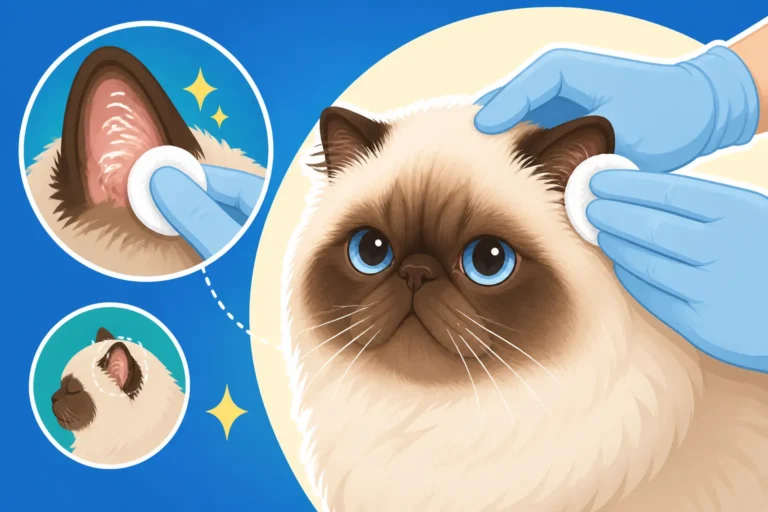
One of the most important aspects of preventative care is vigilant monitoring. Regularly running your hands over your Himalayan's coat during petting sessions can help you feel for any nascent mats, lumps, bumps, or skin irritations. Pay particular attention to the armpits, belly, hindquarters, and behind the ears – areas prone to matting and often out of their own reach.
Early intervention is key. If you notice a small tangle forming, address it immediately with your comb. If you see redness, tenderness, or excessive licking in a particular spot, investigate further. This could be a sign of a developing skin issue that requires veterinary attention. By being proactive and observant, you can often prevent minor issues from escalating into significant problems, ensuring your aging Himalayan remains happy, healthy, and beautifully groomed for as long as possible.
Disclaimer
This article is for general informational purposes only and does not constitute professional advice. Laws, prices and regulations vary by location and change over time. Consult a qualified professional for guidance on your specific situation.