Whether a Himalayan’s Ruff Hides an Abscess
It’s a struggle many Himalayan cat owners know all too well: trying to keep up with that magnificent, luxurious coat. You groom, you comb, you admire, but sometimes, despite your best efforts, things can hide deep within that dense fur, especially around the impressive ruff. One of the most concerning and easily missed issues is an abscess. This guide is here to shed light on why your Himalayan's ruff is a prime hiding spot for these painful infections and how you can proactively protect your beloved feline.
The Himalayan Ruff: A Magnificent, Yet Tricky, Feature
That glorious mane, the ruff, is one of the Himalayan's most defining characteristics. It frames their sweet face, adding to their regal appearance, and is often what draws us to the breed in the first place. But what makes it so beautiful also makes it incredibly challenging to manage and, unfortunately, a perfect camouflage for health issues.
Why the Ruff Is a Hiding Spot for Trouble
Imagine trying to find a tiny needle in a haystack – that's often what it feels like to locate a small cut or bump under a Himalayan’s ruff. The fur here isn't just long; it's incredibly dense, with a thick undercoat that provides layers upon layers of concealment. An injury, a scab, or even a burgeoning infection can be completely swallowed by this fluffy expanse. This is particularly true for cats with a very full ruff, where the hair can be several inches long and incredibly thick. You might be petting your cat daily, running your hands over their neck, and still miss something significant simply because the fur acts as such an effective barrier. It's a real frustration, feeling like you're being diligent only to find an issue has been brewing beneath the surface.
Grooming Challenges Specific to the Ruff Area
Grooming a Himalayan is a commitment, and the ruff is often the most demanding part. It's prone to matting because of its length and density, and it's also a high-traffic area. Cats rub their heads, play, and interact with their environment, all of which can snag and tangle the delicate fur of the ruff. Trying to get a fine-toothed comb through all those layers, down to the skin, requires patience and the right tools. If you've ever tried Working a Comb Through a Himalayan's Ruff, you know it's not a quick swipe. Skipping even one day can lead to trouble; as we often say, Why a Missed Day Costs a Himalayan a Mat. These mats, if they form, can further obscure the skin, making it virtually impossible to spot any underlying issues. Moreover, the area around the neck and shoulders can be sensitive, and some Himalayans are less keen on having their ruff thoroughly combed, especially if they haven't been desensitized from a young age.
What Exactly Is an Abscess and How Does It Form?
When we talk about an abscess, it sounds clinical, but it's really just the body's way of walling off an infection. It's a localized pocket of pus that develops in response to bacterial invaders. For our beloved Himalayans, understanding how these form, especially under that thick ruff, is key to prevention and early detection.
The Anatomy of an Abscess
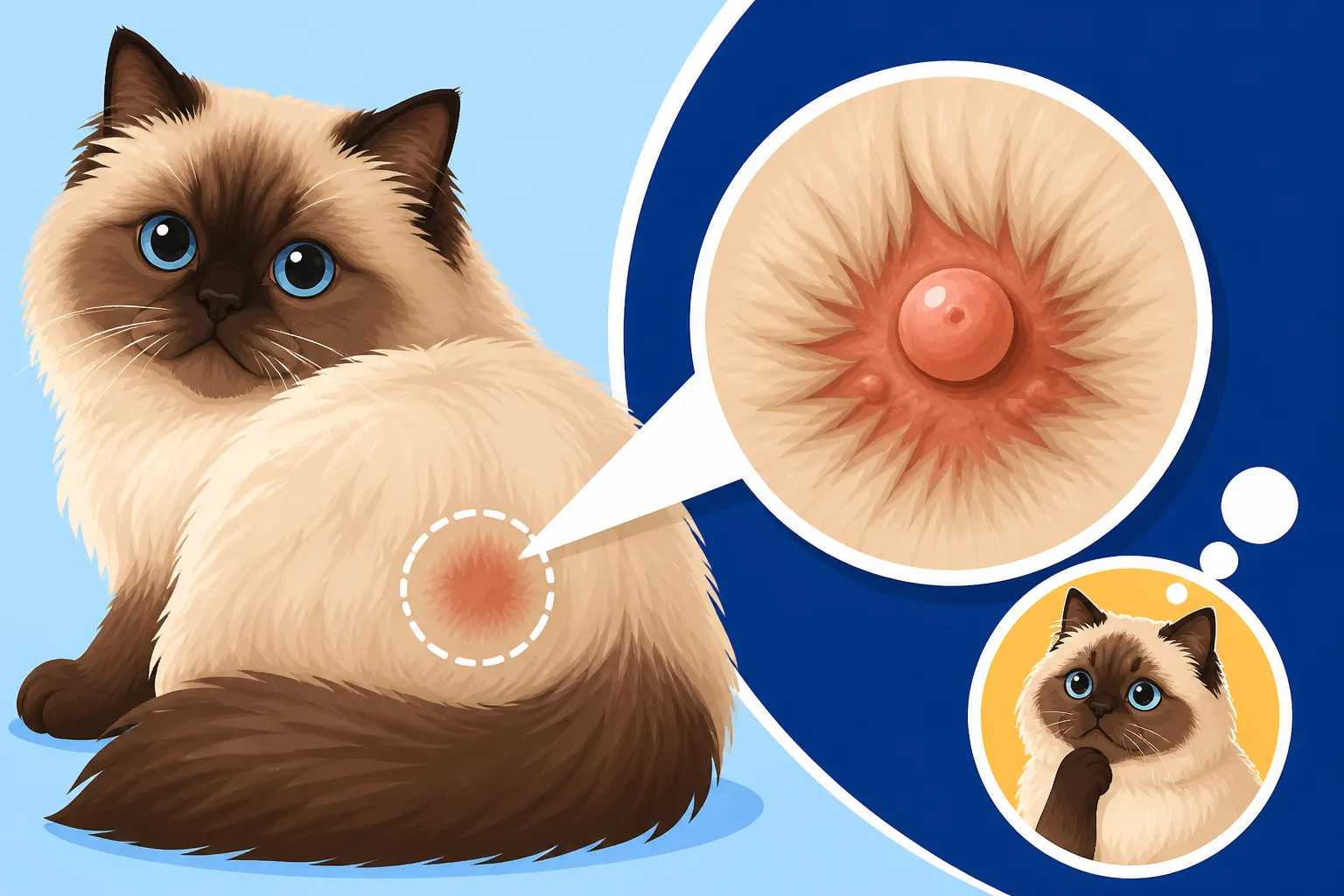
Think of an abscess as a biological containment unit. When bacteria enter the body, often through a small wound, the immune system springs into action. White blood cells rush to the site, fighting the infection. As these cells, bacteria, and dead tissue accumulate, they form pus. The body then creates a fibrous wall around this pus to prevent the infection from spreading. This walled-off pocket is an abscess. Initially, it might be a small, firm bump, but as more pus accumulates, it grows, becoming tense and often quite painful. Eventually, if left untreated, the pressure can build to a point where the abscess ruptures, draining its contents. While this can sometimes provide temporary relief, the underlying infection often remains and can spread.
Common Causes of Abscesses in Cats (Especially Under a Ruff)
Abscesses in cats are most frequently caused by bite wounds from other animals, especially other cats. Even a tiny puncture from a claw or a tooth can introduce bacteria deep under the skin. A seemingly insignificant scratch during a playful tussle could be the entry point. The ruff area, being so prominent, can be susceptible during these interactions. However, it's not just cat fights that lead to abscesses. Other potential causes include:
- Puncture Wounds: A tiny thorn or a sharp object encountered during indoor exploration can cause a small, easily missed wound.
- Ingrown Hairs or Folliculitis: Though less common, deeply embedded or inflamed hair follicles can sometimes lead to localized infections.
- Skin Irritations: Persistent scratching or licking due to allergies or parasites could create small breaks in the skin, allowing bacteria to enter.
- Internal Issues: In rarer cases, an abscess might form from a foreign body migrating under the skin or even from an internal infection spreading outwards, though this is less common for the ruff area itself.
The major problem with the ruff is how easily these initial injuries are missed. A tiny scratch might not even draw blood visible through the dense fur. You might not notice your cat flinching or favoring the area if the discomfort is mild at first. Why a Himalayan's Coat Hides a Wound for Days is a reality every owner needs to contend with, making regular, hands-on checks even more critical.
Signs and Symptoms: How to Spot an Abscess Under That Thick Fur
Spotting an abscess on a short-haired cat might involve noticing a red, swollen bump. With a Himalayan, it's rarely that straightforward. Their magnificent fur is both a blessing and a curse when it comes to visual detection. This means you need to become a detective, looking for subtle changes in behavior and relying heavily on your sense of touch.
Visual Clues: What You Might (or Might Not) See
Let's be realistic: a small, early abscess under a thick Himalayan ruff is unlikely to be visible. The fur acts like a perfect curtain. However, as the abscess grows, you might start to see some indirect signs:
- Subtle Swelling: You might notice that one side of your cat's neck or shoulder area looks slightly fuller or asymmetrical compared to the other. It might not be dramatic, just a hint that something isn't quite right.
- Changes in Fur Texture or Direction: The fur over an abscess might stick out at an odd angle, appear matted, or seem greasier or clumped due to discharge (even if you can't see the discharge itself). Sometimes, you might notice a small patch of hair loss directly over the area, though this usually happens when the abscess is quite advanced or has ruptured.
- Licking or Excessive Grooming: Your cat might start obsessively licking or chewing a specific spot on their ruff, trying to alleviate discomfort. This can also lead to secondary skin irritation.
Remember, Why a Himalayan Hides Illness Behind an Expressionless Face means they are masters at masking discomfort. You might only see these visual cues once the problem has become quite significant.
Behavioral and Physical Indicators
Because visual signs are so elusive, paying close attention to your Himalayan's behavior and overall physical condition is paramount. These can be your earliest warnings:
- Pain or Tenderness: Your cat might pull away, hiss, or even scratch when you touch or attempt to groom their ruff. This is a huge red flag. Even normally docile cats can react defensively if they're in pain.
- Lethargy or Reduced Activity: A cat in pain, or with an infection, will often become less active, spending more time sleeping or just resting. Your usually playful cat might not be interested in their favorite wand toy. As the article What a Himalayan Does When It Is Unsettled suggests, any change in routine can point to distress.
- Loss of Appetite or Changes in Eating Habits: Discomfort around the neck can make eating painful, especially if the abscess is near the jaw or throat. Your cat might eat less, or approach their food bowl hesitantly.
- Fever: If the infection is severe, your cat might develop a fever. While you can't easily take a cat's temperature at home, you might notice them feeling unusually warm to the touch, or seeking out colder spots to lie down.
- General Malaise: They might just seem "off." Perhaps a little duller in the eyes, less interactive, or just not themselves. It’s that gut feeling you get as a cat parent that something is amiss.
The "Feel Test": Your Best Tool for Detection
This is where your hands become your most important diagnostic tool. You need to become intimately familiar with the topography of your cat’s body, especially under that ruff.
- Start Gently: Begin by petting your cat normally, then gradually increase the pressure as you feel around the neck and shoulder area.
- Systematic Scan: Use your fingertips to systematically palpate (feel) the skin beneath the fur. Don't just skim the surface. Gently push your fingers down and move them in small circles, covering the entire ruff area, from behind the ears, down the neck, and over the shoulders. This is similar to the technique described in How to Feel a Himalayan's Spine Through Its Ruff, but focusing on the softer tissues of the neck and chest.
- What You're Feeling For:
- Lumps or Bumps: Any unusual swelling or firmness that wasn't there before. Abscesses often feel like a firm, sometimes tense, fluid-filled sac.
- Heat: A localized area that feels distinctly warmer than the surrounding skin. This indicates inflammation and infection.
- Pain Response: Watch your cat's reaction closely. A flinch, a sudden twitch of an ear, a tense body posture, or a low growl can all indicate pain even if you don't find a distinct lump.
- Matted Fur: While not a direct sign of an abscess, mats can hide a small lump underneath, and the process of trying to work through a mat might reveal underlying tenderness. This underlines The Daily Comb a Himalayan Cannot Skip and the need for a good Which Steel Comb a Himalayan's Coat Needs.
Make this "feel test" a regular part of your daily grooming routine. It only adds a minute or two, but it can make all the difference in catching an abscess early.
| Sign/Symptom | Description (Himalayan Specific) | Detection Difficulty | Action Required |
|---|---|---|---|
| Visual Swelling | Hard to see unless very large, as ruff conceals. May manifest as asymmetrical neck/shoulder or fur standing out oddly. | High | Daily visual check, especially profile. |
| Fur Changes | Matted patches, greasy fur, or subtle hair loss over the area. | Medium | Thorough daily combing, feeling for texture changes. |
| Pain/Tenderness | Pulling away, hissing, or scratching during petting/grooming of the ruff. Very strong indicator. | Low (if interacting) | Immediate veterinary check. |
| Lethargy | More sleeping, less play, general "off" feeling. | Medium | Observe overall behavior changes. |
| Loss of Appetite | Eating less, reluctance to chew or discomfort near food bowl. | Medium | Monitor food intake. |
| Fever | Cat feels unusually warm, seeks cold spots. Hard to confirm without thermometer. | High | Vet visit if other signs present. |
| Lump on Palpation | A distinct, firm, or squishy bump felt under the fur during a thorough hand examination. | Low (if diligent) | Immediate veterinary check. |
| Localized Heat | An area of skin that feels significantly warmer than surrounding areas when touched. | Medium | Targeted "feel test" during petting. |
The Dangers of an Undetected Abscess
It's easy to think a small bump might just go away on its own, especially when it’s so well hidden. But an abscess is a ticking time bomb, and leaving it untreated can lead to serious consequences for your Himalayan's health, ranging from local complications to life-threatening systemic infections.
Local Complications: Spreading Infection and Tissue Damage
An abscess doesn't just sit there benignly. As the bacteria multiply and the pus accumulates, the infection can start to erode surrounding tissues. The pressure builds, causing significant pain and discomfort for your cat. If the abscess ruptures internally, the infection can spread more broadly within the local area, leading to cellulitis (a diffuse skin infection) or even fasciitis (infection of the connective tissue), which is much harder to contain. If it ruptures externally, you might find a foul-smsmelling, pus-filled wound that your cat tries to clean, but this doesn't mean the infection is gone. Often, a small tract remains, allowing the infection to persist and re-abscess repeatedly. This cycle of rupture and refill is incredibly painful and damaging to the skin and fur, potentially causing permanent scarring or hair loss in the affected area of their beautiful ruff.
Systemic Issues: Sepsis and Beyond
The real danger with an untreated abscess lies in the risk of the infection going systemic. When bacteria or their toxins enter the bloodstream, it can lead to a condition called sepsis, which is a severe, life-threatening inflammatory response throughout the body. Sepsis can cause organ damage, shock, and can be fatal if not treated aggressively and immediately. Symptoms of sepsis can include extreme lethargy, high fever, rapid heart rate, weakness, and collapse.
Beyond sepsis, a chronic infection can also put a strain on your cat's immune system, making them more susceptible to other illnesses. It's a bit like having a slow leak that eventually empties the entire tank. The body is constantly fighting this battle, diverting resources that could be used for maintaining overall health. This is why any suspected abscess should always be treated as a veterinary emergency. Waiting a few days could mean the difference between a simple drainage procedure and a much more complex, expensive, and potentially life-threatening situation.
Prevention and Proactive Care for Your Himalayan's Ruff
Given how easily abscesses can hide and how dangerous they can become, prevention and proactive care are truly your best friends as a Himalayan owner. It’s all about consistency, vigilance, and knowing when to call in the professionals.
Daily Grooming is Non-Negotiable
We’ve talked about it before, and we’ll talk about it again: The Daily Comb a Himalayan Cannot Skip. This isn't just about keeping them looking good; it's about crucial health maintenance. A thorough daily comb, especially of the ruff, does several things:
- Mat Prevention: Regular combing prevents the dense undercoat from tangling and forming mats, which, as we know, are perfect hiding spots for trouble. If a mat does form, address it immediately; remember Why a Matted Himalayan Becomes a Medical Case if left too long.
- Early Detection: As you comb, you're not just running bristles over fur; you should be feeling for any lumps, bumps, hot spots, or tenderness. Your comb will help part the fur, allowing you a better visual inspection of the skin underneath. This integrated approach, using both the comb and your fingers, maximizes your chances of finding anything amiss.
- Skin Health: Combing stimulates blood flow to the skin and distributes natural oils, which helps maintain a healthy skin barrier – your cat's first line of defense against infection.
- Bonding: Turning grooming into a positive, gentle experience can strengthen your bond, making your cat more tolerant of the necessary handling and less likely to resist when you need to inspect a sensitive area.
Equip yourself with the right tools, like a good quality Which Steel Comb a Himalayan's Coat Needs, and dedicate those How Many Minutes a Day a Persian Coat Takes on a Himalayan to prevention.
Regular Skin Checks
Even beyond the daily comb, you should make it a habit to perform dedicated "feel tests" of your Himalayan's skin, especially around the high-risk ruff and neck area. This means going beyond simply stroking their fur and actually feeling for the subtle changes described earlier.
- During Cuddle Time: Integrate it into your petting sessions. As you’re enjoying a quiet moment on the sofa, gently explore the skin under their fur. Your cat will be relaxed, and you can be thorough.
- Post-Play Inspection: After a play session, especially if it involved other pets, quickly run your hands over their body, specifically checking for any new scratches or bites. Even a tiny pinprick can be an entry point for bacteria.
- Look for Irritation: Pay attention to any signs of excessive scratching or licking in a particular area. Your cat’s behavior can often alert you to a problem before you see or feel it.
Professional Grooming and Vet Visits
Sometimes, despite your best efforts, that incredibly dense coat needs professional attention. A professional groomer experienced with Himalayans can get through the fur in ways you might struggle with, potentially spotting issues you’ve missed. They have specialized tools and techniques for detangling and dematting safely, minimizing skin irritation that could lead to problems.
Crucially, regular veterinary check-ups are non-negotiable. Your vet will perform a full physical examination, which includes a thorough palpation of the entire body, feeling for lumps, bumps, and signs of discomfort. They are trained to spot subtle cues and can often detect issues that escape an owner's notice. Don’t hesitate to mention any concerns you have, no matter how small. For comprehensive health monitoring, discussing What a Himalayan's Yearly Bloods Should Cover After Eight can also be part of these visits, providing a broader picture of their internal health.
What to Do If You Suspect an Abscess
If, despite all your diligent checks, you find a lump, notice tenderness, or see any of the other signs suggesting an abscess, it's natural to feel worried. But the most important thing is to act quickly and calmly.
The Importance of Immediate Veterinary Attention
This is not a "wait and see" situation. An abscess is an active infection, and it needs professional medical attention. Delaying treatment only increases the risk of the infection spreading, becoming more severe, causing more pain for your cat, and requiring more extensive (and expensive) treatment. If you suspect an abscess, call your veterinarian right away. Describe your observations clearly, and they will likely advise you to bring your Himalayan in for an immediate examination. They might even recognize the problem more easily because they are aware that Why a Himalayan's Coat Hides a Wound for Days is a common challenge for the breed.
The Veterinary Examination and Treatment Options
When you take your Himalayan to the vet, here's what you can generally expect:
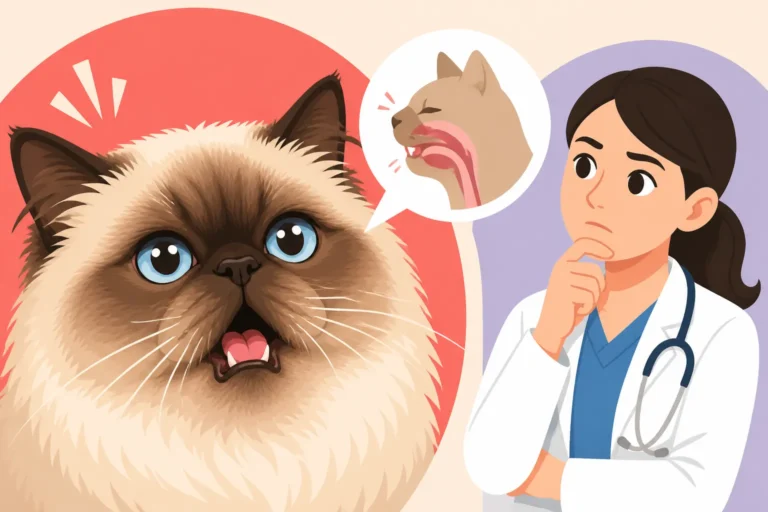
- Physical Examination: The vet will thoroughly examine your cat, focusing on the suspected area. They'll feel the lump, assess its size, consistency, and tenderness. They might also check your cat's temperature and overall demeanor.
- Diagnostics: In some cases, they might perform a fine needle aspirate (FNA) – inserting a small needle into the lump to withdraw a sample for microscopic analysis, confirming if it's pus (an abscess) or something else.
- Treatment:
- Drainage: The most common treatment for an abscess is drainage. This typically involves shaving the fur around the area, lancing (making a small incision into) the abscess to allow the pus to drain, and then flushing the cavity with an antiseptic solution. Often, a small drain might be inserted to ensure continuous drainage for a few days. This procedure often requires sedation or even general anesthesia, especially if the abscess is large, deep, or if your cat is in significant pain. It's good to be aware that Why a Himalayan Is a Harder Anesthetic Than a Siamese means vets take extra precautions.
- Antibiotics: After drainage, your vet will almost certainly prescribe a course of antibiotics to clear the remaining infection. It's crucial to administer the full course, even if your cat seems to be feeling better, to prevent recurrence.
- Pain Relief: Your vet will also provide pain medication to keep your cat comfortable during recovery.
- At-Home Care: You'll likely be given instructions for wound care at home, which might include warm compresses, cleaning the drainage site, and monitoring for any worsening signs.
The costs associated with diagnosing and treating an abscess can vary depending on the severity, whether sedation is needed, and the specific medications prescribed. This is precisely where having pet insurance like Healthy Paws can be an absolute lifesaver. Being able to focus on your cat's recovery without the added stress of unexpected vet bills makes a huge difference. Healthy Paws can help cover the costs of these unforeseen medical emergencies, allowing you to get your beloved Himalayan the care they need without hesitation. Knowing you have that safety net can bring immense peace of mind.
Taking prompt action if you suspect an abscess is paramount. Your Himalayan relies on you to be their advocate, and with their unique grooming challenges, early detection and swift veterinary care are crucial for their health and comfort.
Disclaimer
This article is for general informational purposes only and does not constitute professional advice. Laws, prices and regulations vary by location and change over time. Consult a qualified professional for guidance on your specific situation.